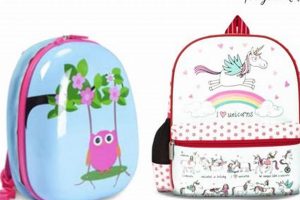
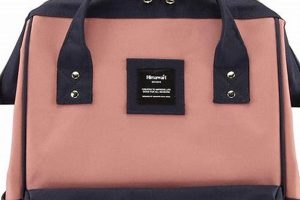
Specifically designed carrying solutions accommodate the female anatomy, offering optimized comfort and fit for travelers. These products prioritize ergonomic design and features that address the unique needs of women during transit. An example would be a pack with adjustable torso lengths and contoured shoulder straps.
The utilization of these specialized packs offers several advantages, including improved weight distribution and reduced strain on the back and shoulders. Historically, generic backpacks often failed to adequately address the anatomical differences between men and women, leading to discomfort and potential injury. The development of gender-specific designs represents a significant improvement in travel gear.
Subsequent sections will delve into specific considerations for selecting an appropriate product, including capacity, features, materials, and intended use cases, providing information necessary to make an informed purchase decision.
Selection Guidelines for Travel Packs
This section provides practical advice to aid in the selection of appropriate carrying solutions for female travelers.
Tip 1: Prioritize Fit. Torso length, not height, is the crucial measurement. Consult manufacturer sizing charts and, when possible, try on packs with weight inside to assess comfort and proper weight distribution.
Tip 2: Evaluate Capacity Needs. Consider trip duration and packing style. A smaller pack (30-40 liters) may suffice for minimalist weekend trips, while extended travel necessitates a larger capacity (50-70+ liters).
Tip 3: Assess Suspension System. Look for adjustable features such as shoulder strap curvature, sternum straps, and hip belts designed for female body contours. A well-designed suspension system transfers weight to the hips, reducing strain on the shoulders and back.
Tip 4: Consider Material Durability. Opt for durable materials such as ripstop nylon or polyester with a denier rating of 420 or higher. Water resistance is also a significant factor, particularly for unpredictable climates.
Tip 5: Examine Compartmentalization. Internal and external pockets, compression straps, and attachment points enhance organization and accessibility. Dedicated compartments for laptops, water bottles, and shoes can be beneficial.
Tip 6: Analyze Weight. Empty pack weight contributes to overall load. Aim for a balance between durability and lightweight construction. Consider packs with lighter materials and streamlined designs.
Tip 7: Inspect Zippers and Buckles. Durability and ease of use are paramount. Opt for YKK zippers and sturdy buckles that can withstand repeated use and potential stress.
Adhering to these guidelines ensures the selection of a pack that meets individual needs, optimizes comfort, and enhances the overall travel experience.
The following section concludes the article with a summary of key points and final recommendations.
1. Ergonomic Design

Ergonomic design is paramount in the context of carrying solutions tailored for female travelers. It aims to optimize comfort, minimize physical strain, and enhance the overall usability of the pack, acknowledging the distinct anatomical characteristics of women.
- Torso Length Accommodation
Manufacturers provide options designed specifically for shorter torso lengths common in women. This includes adjustable torso systems, ensuring the pack’s weight rests correctly on the hips rather than straining the shoulders and back. Improper torso fit can lead to discomfort and potential injury during extended travel.
- Contoured Shoulder Straps
Shoulder straps are sculpted to fit the curvature of a woman’s chest and shoulders, avoiding pressure points and chafing. S-shaped or J-shaped straps are frequently employed to enhance comfort and stability. Ill-fitting straps can cause pain and restricted movement.
- Optimized Hip Belts
Hip belts are designed to conform to the shape of a woman’s hips, providing secure weight transfer and preventing slippage. Angled or pre-curved belts enhance comfort and stability during movement. An ineffective hip belt negates the pack’s weight-bearing capabilities.
- Load Stabilization Systems
Internal or external frame systems, combined with compression straps, maintain a stable load and prevent shifting during movement. This reduces the likelihood of imbalance and strain on the back. An unstable load increases the risk of falls and muscle fatigue.
The integration of these ergonomic features results in a significantly improved carrying experience. By addressing the specific needs of the female anatomy, these packs promote comfort, prevent injury, and allow for more enjoyable and efficient travel.
2. Load Capacity

Load capacity, measured in liters, directly determines the volume of items a carrying solution can accommodate. For solutions designed for female travelers, selecting an appropriate load capacity is essential for both comfort and practicality. Insufficient capacity necessitates leaving essential items behind, while excessive capacity encourages overpacking, leading to increased weight and potential strain. For instance, a weekend trip might require a 30-40 liter backpack, whereas extended international travel may demand 50-70 liters or more.
The effect of load capacity on the users experience is significant. A properly sized pack, relative to the intended contents, ensures balanced weight distribution. Overloading a smaller pack compromises its structural integrity and places undue stress on the wearer’s back and shoulders. Conversely, using a larger pack with minimal contents can result in instability and shifting weight. Furthermore, airline carry-on size restrictions often dictate the maximum permissible volume, affecting the choice of backpack for air travel. Consider a traveler packing for a week-long hiking trip. A capacity of 60 liters allows for essential gear like a tent, sleeping bag, cooking equipment, and clothing, ensuring self-sufficiency and safety in the wilderness.
In summary, understanding load capacity is crucial for selecting a suitable backpack. It directly impacts comfort, weight distribution, and compliance with travel regulations. Careful consideration of trip duration, activity type, and personal packing habits is necessary to determine the optimal volume for effective and enjoyable travel.
3. Material Durability

Material durability is a fundamental attribute of carrying solutions for female travelers, directly influencing the longevity, reliability, and overall performance of the equipment. The selection of robust materials mitigates the risk of damage during transit and ensures the backpack can withstand the rigors of varied environments.
- Denier Rating and Fabric Strength
The denier rating, a unit of measure for linear mass density of fibers, indicates the thickness and strength of the fabric. Higher denier ratings, such as those found in 600D or 1000D nylon or polyester, signify greater resistance to abrasion, tears, and punctures. For example, a backpack constructed from 600D ripstop nylon is better equipped to withstand the wear and tear of travel than one made from a lower denier fabric. Fabrics must withstand being jostled against rough surfaces in transport.
- Water Resistance and Weatherproofing
Materials exhibiting water resistance, achieved through coatings such as polyurethane (PU) or durable water repellent (DWR) finishes, protect the contents of the backpack from moisture damage. Some backpacks incorporate waterproof membranes or fully waterproof fabrics for more extreme conditions. A coating can keep the bag and its contents safe from spills during commutes to work. Water resistance is critical for travelers encountering unpredictable weather conditions.
- Seam Reinforcement and Stitching Quality
Reinforced seams and high-quality stitching enhance the structural integrity of the backpack, preventing separation or failure under stress. Critical stress points, such as attachment points for straps and handles, should be reinforced with bar-tack stitching or additional layers of fabric. Careful seam construction reduces the chance of rips occurring under stress.
- Hardware Durability and Component Quality
Durable hardware components, including zippers, buckles, and adjusters, are essential for the reliable operation of the backpack. Metal or high-strength plastic hardware offers greater resistance to breakage and wear than lower-quality alternatives. Zippers must operate smoothly and withstand frequent use, while buckles and adjusters must maintain their integrity under load. Metal hardware is the best in terms of durability and long-term usage.
The selection of durable materials and high-quality construction techniques directly correlates with the lifespan and utility of female travel backpacks. Investing in a backpack constructed from robust materials ensures long-term reliability and protection of the contents, ultimately enhancing the travel experience.
4. Compartmentalization

In the context of carrying solutions designed for female travelers, compartmentalization refers to the strategic division of internal and external space to facilitate organization, accessibility, and protection of belongings. Effective compartmentalization enhances the user experience by allowing for efficient packing, easy retrieval of items, and segregation of different types of contents.
- Dedicated Electronics Compartments
These compartments, often padded and fleece-lined, provide secure storage for laptops, tablets, and other electronic devices. Locating electronics separately protects them from impact and scratches, while also facilitating quick access for security checks at airports. An example is a padded sleeve that fits a 15-inch laptop, with a secure strap to prevent shifting during transit. This ensures fragile items are shielded from damage.
- Separate Clothing and Shoe Storage
Designated compartments for clothing and shoes allow for organization and prevent cross-contamination. Shoe compartments, frequently located at the bottom of the pack, isolate dirty or odoriferous footwear from clean garments. Clothing compartments may feature compression straps to minimize bulk and maximize space. For instance, a separate compartment keeps muddy hiking boots away from clean clothing, maintaining hygiene and preventing stains.
- Quick-Access Pockets for Essentials
Small, easily accessible pockets located on the exterior of the backpack provide convenient storage for frequently used items such as keys, wallets, passports, and phones. These pockets eliminate the need to rummage through the main compartment, saving time and enhancing security. An example is a zippered pocket on the shoulder strap for storing a transit card or a hidden pocket against the back panel for valuables. Quick access is crucial for efficiency and safety.
- Internal Organization Panels and Dividers
Internal organization panels and dividers allow for customized storage and segregation of smaller items, such as toiletries, cosmetics, and accessories. These panels often include zippered mesh pockets, elastic loops, and adjustable dividers, providing flexibility and preventing items from shifting during transit. A panel with elastic loops can secure makeup brushes or charging cables, preventing tangling and damage. Tailored organization maximizes space utilization.
The strategic implementation of compartmentalization within a travel pack designed for women enhances functionality and improves the overall travel experience. By providing dedicated spaces for various items, it promotes organization, protects valuables, and simplifies access to essentials, contributing to a more efficient and enjoyable journey.
5. Adjustability Features

Adjustability features represent a critical aspect of travel packs designed for women, directly influencing comfort, weight distribution, and overall usability. The human body exhibits significant variation, and generic packs often fail to accommodate the specific contours and proportions of the female form. Therefore, incorporating adjustable elements is essential for optimizing the fit and performance of carrying equipment.
- Torso Length Adjustment
Torso length, the distance between the C7 vertebra (the prominent bone at the base of the neck) and the iliac crest (the top of the hip bone), varies considerably. Adjustable torso systems allow the pack to be customized to the wearer’s specific measurements. For instance, a pack with a sliding harness system can be lengthened or shortened to ensure the weight is properly distributed on the hips, rather than the shoulders. Improper torso length can lead to back pain and discomfort, particularly during extended periods of carrying a loaded pack. A poorly adjusted pack is less effective.
- Shoulder Strap Customization
Shoulder straps can be adjusted in length, width, and curvature to conform to the shape of the shoulders and chest. Some packs feature interchangeable shoulder straps, allowing users to select a style that best suits their body type. Proper shoulder strap adjustment prevents chafing and pressure points, contributing to improved comfort. A common example is the S-shaped strap, which better accommodates the bustline. Incorrectly fitted shoulder straps cause discomfort and can restrict movement.
- Hip Belt Adjustability
The hip belt plays a crucial role in transferring weight from the shoulders to the hips, reducing strain on the upper body. Adjustable hip belts allow the user to customize the fit around the waist and hips, ensuring a snug and secure fit. Angled hip belts are often incorporated to better accommodate the female form. The hipbelt is often the most critical adjustment point. An ill-fitting hip belt results in inefficient weight transfer, increasing strain on the back and shoulders.
- Load Lifter Straps
Load lifter straps, positioned at the top of the shoulder straps, connect to the pack frame and help to pull the load closer to the body. Adjusting these straps optimizes the pack’s center of gravity and prevents it from sagging away from the back. Load lifter straps improve stability and reduce strain on the shoulders, particularly when carrying heavy loads. Ineffective use of load lifters leads to poor balance and increased fatigue. Securing straps closer to the body also lowers the risk of back pain.
The presence and proper utilization of adjustability features significantly enhance the functionality and comfort of carrying solutions designed for women. By allowing for a customized fit, these features promote optimal weight distribution, reduce strain, and contribute to a more enjoyable and efficient travel experience.
6. Weather Resistance

Weather resistance is a critical attribute for travel packs, especially for women who prioritize versatility and protection of their belongings during diverse travel conditions. The incorporation of weather-resistant features mitigates the potential damage caused by rain, snow, humidity, and exposure to ultraviolet (UV) radiation, ensuring the longevity and functionality of the pack and safeguarding its contents.
- Water-Resistant Fabrics and Coatings
The primary line of defense against moisture intrusion is the use of water-resistant fabrics, often treated with durable water repellent (DWR) coatings. These treatments cause water to bead up and roll off the surface of the fabric, preventing it from soaking through. For example, a backpack constructed from ripstop nylon with a DWR finish offers basic protection against light rain and splashes. However, prolonged exposure to heavy rain may necessitate additional measures, such as a rain cover.
- Waterproof Liners and Seam Sealing
For enhanced protection, some travel packs incorporate waterproof liners, such as polyurethane (PU) or thermoplastic polyurethane (TPU) membranes. These liners provide a barrier against water penetration, even if the outer fabric becomes saturated. Seam sealing, the process of taping or welding the seams of the pack, prevents water from entering through the stitching. A backpack with a waterproof liner and sealed seams offers a high degree of protection against rain and snow, ensuring that electronic devices and sensitive documents remain dry.
- Waterproof Zippers and Flaps
Zippers represent a potential entry point for water. Waterproof zippers, featuring a tight seal between the zipper teeth, provide a barrier against moisture intrusion. Flaps or storm flaps, which cover the zipper, offer an additional layer of protection. A travel pack with waterproof zippers and storm flaps over the main compartment provides added security against water damage, especially in humid environments or during brief showers.
- UV Resistance and Fabric Degradation
Prolonged exposure to ultraviolet (UV) radiation can degrade the fibers of the fabric, causing it to weaken and fade. UV-resistant fabrics, treated with UV inhibitors, offer increased protection against the harmful effects of sunlight. For instance, a backpack constructed from UV-resistant polyester retains its strength and color for a longer period when exposed to direct sunlight, minimizing the risk of fabric failure and extending the lifespan of the pack. An untreated pack can be exposed to extreme sunlight conditions.
The integration of weather-resistant features into travel packs represents a significant benefit for female travelers. By providing protection against various environmental elements, these features ensure the safety and security of belongings, enhance the durability of the pack, and contribute to a more comfortable and worry-free travel experience. Selecting a pack with appropriate weather-resistant characteristics is a crucial consideration for any traveler venturing into unpredictable climates.
7. Security Elements

Security elements in travel packs are crucial for protecting belongings from theft and loss, particularly for female travelers who may be more vulnerable to such incidents. These design features aim to deter theft, secure valuables, and provide peace of mind during travel.
- Lockable Zippers
Lockable zippers allow the main compartments of the backpack to be secured with a small padlock or combination lock. This deters opportunistic thieves from quickly accessing the contents of the pack in crowded areas such as airports or train stations. A bag with lockable zippers on the main compartment and front pocket adds a layer of security against casual theft, discouraging thieves who seek easy targets.
- Hidden Pockets
Hidden pockets, strategically placed within the lining or against the back panel of the pack, provide discreet storage for valuables such as passports, credit cards, and cash. These pockets are difficult to detect, reducing the risk of theft. For example, a hidden pocket sewn into the back panel of a backpack can conceal a passport and credit cards, making them less accessible to pickpockets.
- Slash-Resistant Materials
Slash-resistant materials, such as wire mesh or reinforced fabrics, prevent thieves from cutting open the backpack to steal its contents. These materials are integrated into the construction of the pack, providing a discreet layer of protection. A backpack with a slash-resistant panel in the main compartment deters thieves from using a knife or razor blade to quickly access the contents.
- RFID Blocking Technology
RFID (Radio-Frequency Identification) blocking technology prevents electronic theft of data from RFID-enabled credit cards and passports. This technology blocks the transmission of radio waves, protecting sensitive information from being accessed by electronic skimmers. A pocket lined with RFID-blocking material prevents thieves from electronically scanning credit card data while the cards are stored in the backpack.
The inclusion of security elements significantly enhances the safety and security of carrying solutions for female travelers. By incorporating features such as lockable zippers, hidden pockets, slash-resistant materials, and RFID-blocking technology, these packs provide enhanced protection against theft and loss, allowing travelers to focus on enjoying their journey.
Frequently Asked Questions
The following section addresses common inquiries regarding load-carrying solutions specifically engineered for the female anatomy. This information aims to provide clarity and assist in informed decision-making.
Question 1: What distinguishes load-carrying solutions designed for women from generic counterparts?
Products specifically tailored for women incorporate ergonomic considerations such as shorter torso lengths, contoured shoulder straps, and optimized hip belt angles, all designed to accommodate the female form and enhance comfort.
Question 2: How should one determine the appropriate capacity for this product?
Capacity requirements are contingent on trip duration and packing style. Shorter excursions typically necessitate smaller capacities (30-40 liters), whereas extended journeys may demand larger volumes (50-70+ liters).
Question 3: What materials offer the most robust protection against wear and tear?
Durable materials such as ripstop nylon or polyester with high denier ratings (420D or higher) provide optimal resistance to abrasion, tears, and punctures. Water-resistant coatings further enhance protection against environmental elements.
Question 4: Are security features essential for these carrying solutions?
Security elements, including lockable zippers, hidden pockets, and slash-resistant materials, are highly recommended to deter theft and protect valuables, particularly in crowded or high-risk environments.
Question 5: How important are adjustability features in ensuring a proper fit?
Adjustability features, such as torso length adjustment, shoulder strap customization, and hip belt adjustability, are crucial for optimizing comfort and weight distribution. A properly fitted pack minimizes strain and enhances the overall carrying experience.
Question 6: What is the significance of weather resistance in travel packs?
Weather resistance is vital for protecting belongings from rain, snow, and humidity. Water-resistant fabrics, waterproof liners, and sealed seams provide varying levels of protection, ensuring the contents of the pack remain dry and secure.
Careful consideration of these frequently asked questions facilitates the selection of carrying equipment that aligns with individual needs and travel requirements.
The next section concludes this article with a summary of key considerations and final recommendations.
womens travel backpacks
This exploration has underscored critical aspects of carrying equipment designed to accommodate the female form. Ergonomic design, load capacity, material durability, compartmentalization, adjustability, weather resistance, and security elements collectively define the suitability and effectiveness of specified backpacks. Careful assessment of these characteristics is paramount when selecting equipment intended for extended travel or rigorous use.
The informed selection of appropriate carrying solutions represents a significant investment in comfort, security, and overall travel efficacy. Prioritizing quality construction and anatomical fit is essential for mitigating potential physical strain and ensuring the protection of personal belongings. Further research into specific brands and models is strongly advised to determine the optimal equipment for individual needs and anticipated travel conditions.

![Top-Rated Best Travel Work Backpack [For Pros] | Ultimate Backpack Traveler Guide: Tips, Destinations & Budget Hacks](https://backpack-traveler.com/wp-content/uploads/2026/01/th-486-300x200.jpg "Top-Rated Best Travel Work Backpack [For Pros] Ultimate Backpack Traveler Guide: Tips, Destinations & Budget Hacks")