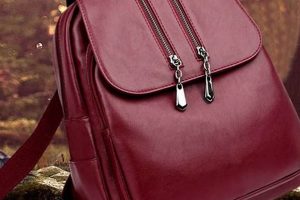
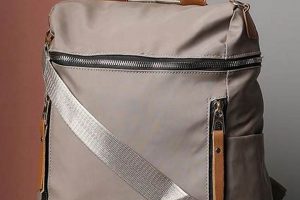
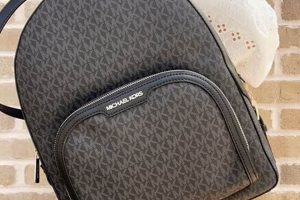
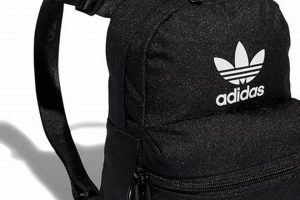
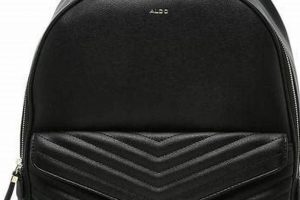
A specialized type of bag designed for female users, these items incorporate security features aimed at deterring theft and protecting personal belongings. Characteristics often include hidden zippers, reinforced materials, RFID-blocking pockets, and cut-resistant straps. For example, a traveler navigating a crowded marketplace might use such a bag to secure a wallet, phone, and passport.
The significance of these bags stems from the need to safeguard valuables in environments susceptible to theft. Historically, individuals have sought methods to protect possessions during travel and in public spaces. The evolution of this protective gear reflects advancements in materials science and a growing awareness of personal security. Benefits include increased peace of mind, reduced risk of financial loss, and enhanced personal safety.
The following sections will delve into the specific anti-theft features incorporated into these bags, explore relevant design considerations, analyze the target demographic, and examine the market landscape surrounding these specialized personal security products.
Selecting an Anti-Theft Backpack for Women
The selection of an appropriate security-enhanced backpack requires careful evaluation of specific features and design elements. These tips provide guidance in making an informed decision.
Tip 1: Evaluate Zipper Security: Examine the zipper closures for hidden placements or locking mechanisms. Exposed zippers are more vulnerable to unauthorized access. Consider models with interlocking zipper pulls or those concealed beneath fabric flaps.
Tip 2: Assess Material Durability: The bag’s primary material should resist cutting or tearing. Look for fabrics like ballistic nylon or reinforced canvas, which offer enhanced protection against slashing attempts.
Tip 3: Prioritize RFID Protection: If carrying cards with RFID chips, ensure the bag includes RFID-blocking pockets. These pockets prevent electronic skimming of sensitive data. Test the effectiveness of the RFID blocking material with a card reader.
Tip 4: Analyze Strap Construction: Shoulder straps should be reinforced and, ideally, cut-resistant. Look for embedded wire or strong synthetic fibers within the strap webbing. Ensure the straps are adjustable for a secure and comfortable fit.
Tip 5: Consider Weight and Capacity: Balance security features with practicality. A heavily armored bag may be cumbersome to carry. Choose a capacity that meets individual needs without encouraging overpacking, which can strain the bag and the user.
Tip 6: Verify Internal Organization: A well-organized interior reduces the need to rummage through the bag, minimizing exposure and potential for theft. Look for dedicated compartments for specific items, such as keys, phones, and wallets.
Tip 7: Review External Design: Opt for a design that does not overtly advertise its valuable contents. A minimalist or understated appearance can deter potential thieves. Avoid bags with prominent logos or easily identifiable luxury branding.
By carefully considering these factors, individuals can select a security-enhanced backpack that effectively protects their belongings while maintaining practicality and comfort. This informed selection process contributes to a greater sense of security in various environments.
The following sections will address specific models available on the market, analyze user reviews, and explore potential future innovations in security-enhanced bag design.
1. Hidden compartments

The presence of concealed storage areas within a security-focused backpack constitutes a critical element in deterring theft and safeguarding personal belongings. These compartments provide discreet locations for valuables, increasing the difficulty for unauthorized individuals to access them.
- Concealment and Deception
Hidden compartments function on the principle of concealment, removing valuables from immediate view. This reduces the visual temptation for potential thieves. For example, a passport pocket sewn into the bag’s lining provides a secure and inconspicuous location. This strategic design adds a layer of protection beyond visible security features.
- Strategic Placement and Access
The effectiveness of hidden compartments depends on their strategic placement and the complexity of their access. Difficult-to-locate openings, such as those behind false panels or within padded sections, enhance security. The user knows how to access the compartment quickly, while others remain unaware of its existence. A wallet placed in a hidden compartment requires more effort to locate and extract, thus deterring casual theft.
- Layered Security Approach
Hidden compartments contribute to a layered security strategy, complementing other anti-theft features like RFID-blocking and cut-resistant materials. By incorporating both overt and covert security measures, the bag presents a more formidable obstacle to potential thieves. This approach emphasizes prevention through multiple layers of protection.
- Psychological Deterrent
Beyond physical security, hidden compartments offer a psychological benefit. The knowledge that valuables are concealed provides the user with increased confidence and peace of mind in crowded or high-risk environments. This psychological aspect contributes to a heightened sense of security.
The strategic integration of these compartments within a security-focused backpack design significantly enhances its overall effectiveness in protecting personal belongings. The combination of concealment, strategic access, and a layered security approach contributes to a product that prioritizes user safety and peace of mind.
2. Cut-resistant material

The integration of cut-resistant material within the design of a women’s anti-theft backpack serves as a crucial deterrent against theft. This material directly mitigates the risk of slashing attacks, a common tactic employed by thieves to gain access to a bag’s contents. For example, in densely populated urban areas, a thief might use a blade to quickly cut through a bag’s exterior, enabling the removal of valuables. Cut-resistant materials significantly impede this method, providing a substantial increase in security. The presence of this feature transforms the bag from a vulnerable container into a more fortified and protected possession.
Materials commonly used for this purpose include high-density woven fabrics like ballistic nylon or fabrics interwoven with steel or other high-strength fibers. The selection of material impacts the bag’s overall weight, flexibility, and cost. Manufacturers must balance the level of cut resistance with user comfort and practicality. Real-world applications demonstrate the effectiveness of these materials; reports from law enforcement agencies indicate a decrease in successful bag-slashing incidents in areas where individuals regularly employ bags incorporating cut-resistant technology. This suggests a direct correlation between the material’s presence and the reduction of certain types of theft.
In summary, cut-resistant material represents a key component in the overall security architecture of a women’s anti-theft backpack. The use of such material provides a tangible defense against slashing attacks, offering a measurable improvement in personal security. Challenges remain in balancing the protective qualities of the material with weight and cost considerations. Future advancements in materials science may offer lighter and more effective cut-resistant solutions, further enhancing the security and practicality of these specialized bags.
3. RFID blocking
Radio-frequency identification (RFID) blocking technology constitutes a critical security feature in contemporary women’s anti-theft backpacks. It addresses the growing threat of electronic theft, wherein criminals use RFID readers to surreptitiously scan and steal information from credit cards, passports, and other identification documents containing RFID chips. The integration of RFID-blocking materials aims to prevent unauthorized access to sensitive data, providing an additional layer of protection for the user.
- Mechanism of Protection
RFID blocking operates by creating a Faraday cage around the protected items. This cage is typically constructed from a metallic mesh or material that disrupts the radio waves used to communicate with RFID chips. By blocking these signals, the material prevents unauthorized RFID readers from accessing the data stored on the chips within the protected pocket or compartment. For example, a passport placed within an RFID-blocking sleeve inside such a backpack is shielded from electronic scanning, thereby preventing identity theft.
- Material Composition and Effectiveness
The effectiveness of RFID blocking depends on the material’s composition and construction. Materials such as nickel-copper-polyester fabric or aluminum foil are commonly used due to their conductive properties and ability to attenuate radio waves. Testing the shielding effectiveness of the material is crucial to ensure that it meets established security standards. A poorly constructed or insufficient RFID-blocking layer may allow some radio waves to penetrate, compromising the protection offered. Therefore, certifications and independent testing results provide valuable assurance of the technology’s reliability.
- Integration within Backpack Design
RFID-blocking technology is typically integrated into specific pockets or compartments within the backpack. This allows users to selectively protect items containing RFID chips while maintaining access to other belongings. The placement and size of these pockets are important considerations. For example, a dedicated RFID-blocking pocket near the bag’s interior ensures the secure storage of wallets and passports. The design must balance the need for secure storage with the practical considerations of accessibility and convenience.
- Limitations and Complementary Security Measures
While RFID blocking provides a significant level of protection, it is not a complete solution against all forms of theft. The technology primarily addresses electronic skimming but does not protect against physical theft or other types of fraud. Consequently, it is essential to consider RFID blocking as one component of a comprehensive security strategy. Complementary measures include the use of secure zippers, hidden compartments, and vigilant awareness of one’s surroundings. These combined measures offer a more robust defense against a range of potential threats.
The inclusion of RFID-blocking technology in women’s anti-theft backpacks reflects a growing awareness of electronic security risks. By integrating this feature, manufacturers aim to provide users with a proactive defense against data theft, enhancing the overall security and peace of mind associated with these specialized bags. As technology evolves, continued advancements in RFID-blocking materials and design will likely further improve the effectiveness and integration of this essential security feature.
4. Lockable zippers
Lockable zippers represent a fundamental security component in women’s anti-theft backpacks, directly addressing unauthorized access and deterring opportunistic theft. These mechanisms add a layer of protection beyond standard zipper closures, enhancing the overall security profile of the bag.
- Deterrence and Prevention
The primary function of lockable zippers is to deter theft by making it significantly more difficult for unauthorized individuals to open the bag. The visible presence of a locking mechanism often dissuades potential thieves from targeting the bag in the first place. For example, a small combination lock securing the main compartment’s zippers prevents easy access in crowded environments. This visual and functional deterrent is crucial for preventing opportunistic theft scenarios.
- Mechanism Types and Security Levels
Lockable zippers can employ various mechanisms, each offering different levels of security. These include small padlocks, combination locks, and integrated locking systems. The level of security provided depends on the complexity of the locking mechanism and the quality of the materials used. For instance, a heavy-duty padlock made of hardened steel provides a higher level of protection compared to a small, easily broken combination lock. Selection depends on the perceived risk level and the value of the items being protected.
- Integration and Accessibility
Effective integration of lockable zippers involves designing the bag to accommodate the locking mechanism without compromising usability. The locking points should be easily accessible to the user but difficult for others to tamper with. For example, reinforced metal loops positioned at the zipper ends allow for the attachment of a lock without straining the zipper tracks. This design ensures that the locking mechanism is both functional and durable, contributing to the overall security of the backpack.
- Complementary Security Features
Lockable zippers function most effectively when combined with other anti-theft features, such as cut-resistant materials and hidden compartments. This layered approach to security provides a more comprehensive defense against various theft techniques. A backpack with lockable zippers, reinforced straps, and RFID-blocking pockets offers a significantly higher level of protection compared to one relying solely on a single security feature. The synergy between these features creates a more secure and resilient product.
In summary, lockable zippers are an essential element in the design of women’s anti-theft backpacks, providing a tangible deterrent against theft and enhancing the overall security of the bag. The effectiveness of these mechanisms depends on the quality of the locking system, its integration into the bag’s design, and its combination with other security features. These factors collectively contribute to a product that offers increased peace of mind and protection for the user.
5. Lightweight design

The integration of lightweight design principles into security-focused backpacks represents a critical consideration for female users. A heavier bag, irrespective of its security features, can lead to discomfort, fatigue, and potential strain injuries, thereby diminishing its practicality for daily use or travel. The correlation between weight and usability is therefore paramount. For instance, a bag constructed with heavy, reinforced materials might offer superior cut resistance, but its increased weight could discourage consistent use, negating its intended security benefits. The design challenge lies in balancing security features with ergonomic considerations, optimizing for both protection and user comfort. A real-world example involves urban commuters who require a secure bag for daily transport. A lightweight design ensures they can carry essential items without undue strain during their commute, facilitating both security and comfort.
Further analysis reveals that lightweight materials, such as ripstop nylon or advanced polymer blends, are increasingly employed to reduce overall bag weight while maintaining adequate durability and security. These materials allow for the incorporation of features like RFID-blocking technology and hidden compartments without significantly increasing the bag’s burden on the user. Practical applications extend beyond daily commuting to include travel, outdoor activities, and professional settings. A lightweight, secure backpack enables users to navigate crowded airports, hike scenic trails, or attend business meetings with confidence and ease. These design considerations reflect an understanding of the specific needs and preferences of female users, who often prioritize both security and ergonomic comfort in their choice of personal carrying devices.
In summary, lightweight design is not merely an aesthetic consideration but a fundamental component of a well-engineered security-focused backpack for women. Its impact on usability, comfort, and the likelihood of consistent use underscores its importance. While challenges remain in achieving the optimal balance between weight, security, and durability, the trend toward lighter materials and more ergonomic designs reflects a commitment to meeting the practical needs of female users. The significance of this understanding lies in its ability to inform product development, ensuring that security measures do not come at the expense of user comfort and convenience.
6. Adjustable straps
Adjustable straps are a crucial ergonomic and security feature integrated into backpacks designed for women. Their importance stems from the necessity of achieving a secure and comfortable fit, directly impacting the bag’s overall security and usability. A properly adjusted strap system ensures the backpack sits correctly on the user’s back, distributing weight evenly and preventing it from shifting or swaying excessively during movement. An ill-fitting bag is more vulnerable to theft, as it is easier for a thief to grab or cut if it is hanging loosely. Therefore, adjustable straps are not merely a comfort consideration but a fundamental element of theft prevention.
The practical significance of adjustable straps extends to reducing the risk of strain injuries. Women often have shorter torsos and narrower shoulders compared to men; a backpack designed without adequate adjustability may cause undue stress on the shoulders, neck, and back. Straps should be adjustable in length, and chest and waist straps further enhance stability and weight distribution. For example, a traveler navigating a crowded airport can secure the bag close to their body, minimizing the risk of opportunistic theft and reducing physical strain. In addition, having quick access to tighten or loosen the straps for security or comfort is optimal, allowing for dynamic adjustments.
In summary, adjustable straps are an indispensable component of women’s anti-theft backpacks, serving both ergonomic and security functions. Their ability to ensure a secure fit, distribute weight effectively, and prevent strain injuries enhances the overall user experience and reduces vulnerability to theft. As such, designers must prioritize the adjustability and quality of strap systems to create backpacks that are not only secure but also comfortable and practical for a range of activities and body types.
Frequently Asked Questions
This section addresses common inquiries regarding security-enhanced backpacks designed for women, providing clarity on features, functionality, and suitability.
Question 1: What distinguishes a women’s anti-theft backpack from a standard backpack?
Security-enhanced backpacks incorporate features specifically designed to deter theft, such as hidden compartments, cut-resistant materials, RFID-blocking pockets, and lockable zippers. Standard backpacks typically lack these security enhancements.
Question 2: How effective are RFID-blocking pockets in preventing electronic theft?
RFID-blocking pockets, when properly constructed with appropriate materials, effectively block radio waves used to access data on RFID chips embedded in credit cards and passports, thus preventing electronic skimming.
Question 3: What types of materials offer the best cut resistance in a backpack?
High-density woven fabrics, such as ballistic nylon and materials interwoven with steel or high-strength synthetic fibers, provide the most effective protection against slashing attempts.
Question 4: How do lockable zippers contribute to backpack security?
Lockable zippers deter opportunistic theft by requiring a key or combination to open the bag, preventing quick and easy access to the contents.
Question 5: Are security-enhanced backpacks heavier than standard backpacks?
While some security features may add weight, manufacturers strive to balance security with ergonomic considerations. Lighter, more advanced materials are increasingly used to minimize the weight increase.
Question 6: What is the lifespan of a typical women’s anti-theft backpack?
The lifespan of such a backpack depends on the quality of materials and construction, as well as the frequency and intensity of use. High-quality bags, properly maintained, can last for several years.
In summary, security-enhanced backpacks offer a range of features designed to protect belongings from theft. Understanding these features and their effectiveness enables informed purchasing decisions.
The following section will explore the market landscape, comparing different brands and models, and providing guidance on selecting a suitable security-enhanced backpack.
Concluding Remarks on Women’s Anti Theft Backpacks
This article has explored various facets of the women’s anti theft backpack, emphasizing its key attributes: hidden compartments, cut-resistant material, RFID blocking, lockable zippers, lightweight design, and adjustable straps. Each feature contributes to a layered security approach, deterring theft and safeguarding personal belongings. The appropriate selection necessitates a careful evaluation of individual needs and a thorough understanding of the security technologies employed.
As urban populations increase and travel becomes more prevalent, the need for personal security solutions intensifies. The investment in a well-designed women’s anti theft backpack represents a proactive measure, promoting peace of mind and protecting valuable assets in an increasingly uncertain world. Continued innovation in materials science and security technology will likely yield even more effective and discreet solutions in the future, further enhancing personal safety and security.