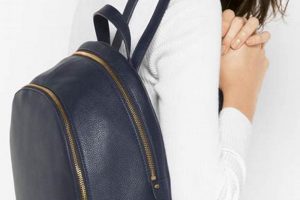
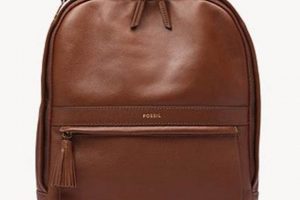
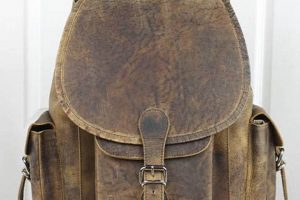
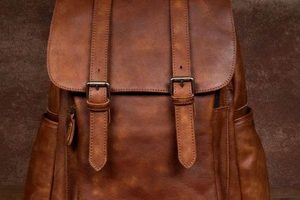
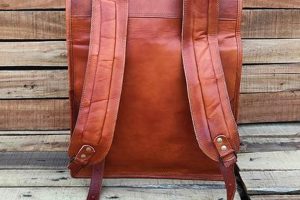
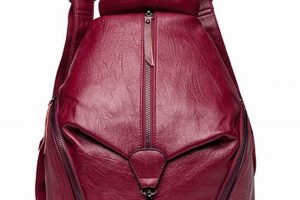
An artisanal rucksack, fashioned from tanned animal hide through manual processes, represents a durable and aesthetically unique carrying solution. This type of bag diverges from mass-produced counterparts by emphasizing individual construction techniques and higher-quality material selection. For example, each seam might be saddle-stitched by hand, a method renowned for its strength and longevity.
The value proposition of this specialized carryall lies in its enhanced durability, personalized aesthetic, and potential for increased lifespan. Historically, leather goods crafted by hand were symbols of status and wealth, reflecting the skill of the artisan and the inherent quality of the materials. Modern consumers often appreciate these attributes, viewing such items as investment pieces that offer a sustainable alternative to fast-fashion accessories.
The subsequent sections will delve into specific aspects such as the selection of appropriate leather types, the detailed steps involved in the handcrafting process, the principles of proper care and maintenance, and considerations for identifying genuine, high-quality products within this category.
Guidance on Acquisition and Preservation
The following recommendations are provided to assist in the selection, care, and maintenance of these specialized articles, ensuring longevity and sustained aesthetic appeal.
Tip 1: Material Assessment. Prioritize full-grain leather, recognized for its durability and resistance to wear. Avoid bonded or genuine leather classifications, as these represent lower-quality alternatives with reduced lifespans.
Tip 2: Stitching Examination. Inspect seams closely. Hand-stitched seams, characterized by evenly spaced, individually locked stitches, offer superior strength compared to machine-stitched variants.
Tip 3: Hardware Evaluation. Opt for solid brass or stainless steel hardware. These materials resist corrosion and provide greater structural integrity than plated or composite alternatives.
Tip 4: Lining Consideration. A robust lining, constructed from durable canvas or similar material, protects the interior and prevents stretching or deformation of the leather.
Tip 5: Treatment Protocol. Implement a regular conditioning regimen using a leather-specific conditioner. This prevents drying and cracking, maintaining the leather’s suppleness and resilience.
Tip 6: Storage Methodology. Store the item in a breathable dust bag in a cool, dry environment. Avoid exposure to direct sunlight or excessive humidity, which can cause discoloration or degradation.
Tip 7: Load Management. Distribute weight evenly within the bag to prevent undue stress on seams and straps. Overloading can compromise the structural integrity over time.
Acquiring and adhering to these practices promotes the enduring quality and aesthetic value of handcrafted leather goods, securing their status as long-lasting and dependable possessions.
The subsequent section will provide a comprehensive overview of factors influencing the valuation of these handcrafted products, encompassing material grades, artisan expertise, and brand prestige.
1. Leather Quality

Leather quality stands as a foundational determinant in the overall value, durability, and aesthetic appeal of a handcrafted leather backpack. The type and grade of leather directly influence the bag’s resistance to wear, its ability to age gracefully, and its overall structural integrity.
- Grain Type and its Impact
Full-grain leather, derived from the outermost layer of the hide, retains natural markings and possesses the highest fiber density. This translates to superior strength and resistance to abrasion compared to corrected-grain or split-grain leathers. For example, a backpack constructed from full-grain leather can withstand years of daily use, developing a unique patina over time, while lower-grade leathers are more prone to cracking and tearing.
- Tanning Method Influence
The tanning process significantly affects the leather’s properties. Vegetable-tanned leather, employing natural tannins derived from plants, is known for its firmness, durability, and ability to develop a rich patina. Chrome-tanned leather, utilizing chemical agents, is typically softer and more pliable but may lack the longevity and aesthetic depth of vegetable-tanned alternatives. A meticulously crafted backpack using vegetable-tanned leather can serve as a testament to quality and craftsmanship.
- Leather Thickness and Weight
Leather thickness, often measured in ounces or millimeters, corresponds to its weight and durability. Thicker, heavier leather generally offers greater resistance to stretching and tearing, making it suitable for structural components such as straps and base panels. A backpack utilizing appropriately weighted leather in stress-bearing areas demonstrates careful consideration of long-term performance.
- Surface Finishing and Treatment
The surface finish applied to the leather impacts its water resistance, stain resistance, and overall appearance. A natural, minimally processed finish allows the leather’s inherent characteristics to shine through, while more heavily treated finishes may mask imperfections but also reduce breathability. Proper oiling and conditioning are essential to preserve the leathers protective qualities over time.
The interplay of these factors highlights the critical role leather quality plays in determining the longevity and desirability of a handcrafted leather backpack. Selection of appropriate leather grades and tanning methods, combined with meticulous craftsmanship, result in a product that exemplifies enduring quality and aesthetic value. The initial investment in a superior leather represents a commitment to long-term satisfaction.
2. Stitching Technique

Stitching technique is a paramount consideration in the construction of a handcrafted leather backpack, directly influencing its structural integrity, longevity, and overall aesthetic quality. The method employed to join leather components dictates the seam’s strength, resistance to wear, and susceptibility to failure under stress.
- Saddle Stitching
Saddle stitching, a hallmark of artisanal leatherwork, involves the use of two needles and a single thread passed through each stitch hole, creating a lock stitch. Should one stitch break, the remaining stitches remain secure, preventing seam unraveling. This technique, more time-consuming than machine stitching, yields significantly greater durability, a critical factor in high-stress areas of a backpack, such as shoulder strap attachments and base seams.
- Machine Stitching
Machine stitching, while faster and more cost-effective, typically produces a lock stitch where a single thread interlocks on the underside of the leather. If a single stitch breaks, the entire seam can potentially unravel, compromising the bag’s structural integrity. The quality of machine stitching varies widely depending on the machine’s calibration, thread type, and operator skill. Careful examination reveals the stitch density, tension consistency, and thread integrity.
- Stitch Density and Thread Type
Stitch density, measured in stitches per inch (SPI), affects both the seam’s strength and aesthetic appearance. Higher SPI generally indicates a more durable and refined seam. The type of thread used, such as waxed linen or synthetic thread, further impacts the seam’s resistance to abrasion, moisture, and UV degradation. Premium threads, selected for their strength and durability, contribute to the backpack’s overall longevity.
- Reinforcement Techniques
Skilled artisans employ various reinforcement techniques to enhance seam strength in critical areas. These may include backstitching at stress points, reinforcing corners with extra stitching, or utilizing leather welts to distribute stress. These techniques demonstrate attention to detail and a commitment to producing a backpack that withstands rigorous use.
The selection and execution of appropriate stitching techniques are crucial for ensuring the longevity and reliability of a handcrafted leather backpack. Meticulous stitching, whether saddle-stitched or carefully executed by machine with appropriate reinforcement, signifies a commitment to quality and enhances the bag’s ability to withstand the rigors of daily use.
3. Hardware Durability
The longevity and reliable functionality of a handcrafted leather backpack are intrinsically linked to the quality and resilience of its hardware components. These seemingly minor elementsbuckles, zippers, clasps, and rivetsplay a critical role in securing closures, adjusting straps, and maintaining the structural integrity of the bag under load. The selection of durable, high-quality hardware is therefore paramount in ensuring the backpack’s long-term usability and overall value.
- Material Composition and Corrosion Resistance
The material from which hardware is fabricated directly impacts its resistance to corrosion and wear. Solid brass and stainless steel represent premier choices due to their inherent resistance to rust and degradation in diverse environmental conditions. For instance, a backpack employed in coastal environments benefits significantly from stainless steel hardware, which resists the corrosive effects of saltwater exposure. Conversely, plated or alloy-based hardware is susceptible to corrosion, compromising functionality and aesthetic appeal over time.
- Stress Resistance and Load-Bearing Capacity
Hardware components must withstand the stress imposed by repeated use and the weight of the backpack’s contents. Buckles and clasps, for example, should exhibit high tensile strength to prevent breakage under load. Solidly constructed rivets and reinforced attachment points are essential for securing straps and handles. A backpack intended for carrying heavy items requires robust hardware capable of withstanding significant stress without deformation or failure.
- Functional Design and Ease of Use
Beyond durability, the design of hardware impacts the ease of use and overall user experience. Smoothly operating zippers, easily adjustable buckles, and securely fastening clasps contribute to the bag’s practicality and convenience. Poorly designed hardware can be cumbersome to operate, leading to frustration and potentially damaging the surrounding leather. A well-designed backpack incorporates hardware that is both durable and user-friendly.
- Manufacturing Quality and Precision
The manufacturing process significantly influences the quality and reliability of hardware. Precision-engineered components, free from defects and burrs, exhibit smoother operation and greater longevity. Hardware sourced from reputable manufacturers who adhere to strict quality control standards ensures consistent performance and reduces the risk of premature failure. A meticulously crafted backpack features hardware that reflects the same level of attention to detail as the leatherwork itself.
In essence, the durability of hardware directly impacts the overall lifespan and functionality of a handcrafted leather backpack. The careful selection of high-quality materials, robust designs, and precision manufacturing ensures that these components can withstand the rigors of daily use, contributing to a reliable and enduring carrying solution.
4. Design Originality
Design originality, within the realm of handcrafted leather backpacks, extends beyond mere aesthetic novelty. It represents a confluence of functionality, innovation, and the artisan’s unique vision, significantly impacting the item’s value and desirability.
- Form and Function Integration
Original design seamlessly integrates form and function, creating a backpack that is not only visually appealing but also exceptionally practical. This might involve unconventional pocket placement for optimal accessibility, ergonomically designed straps for enhanced comfort, or innovative closure mechanisms for added security. For example, a design might feature a hidden compartment for valuables or a modular attachment system for accommodating various accessories. This integration distinguishes handcrafted backpacks from mass-produced counterparts, where functionality often takes a secondary role.
- Material Innovation and Application
Design originality can manifest in the novel use of leather and other materials. This could involve combining different leather types to achieve specific aesthetic or performance characteristics, incorporating unconventional hardware elements, or employing unique surface treatments to enhance texture and visual appeal. An example might be a backpack featuring interwoven leather panels for increased structural integrity or a design that integrates recycled materials for environmental sustainability. Such innovation elevates the backpack beyond a simple carrying device, transforming it into a statement of creativity and resourcefulness.
- Artisan’s Signature Style and Influence
Each artisan possesses a unique style and creative vision that informs the design process. This signature style, reflected in the backpack’s overall aesthetic and subtle details, distinguishes it from generic designs. For instance, an artisan might incorporate traditional tooling techniques, hand-painted motifs, or distinctive stitching patterns that reflect their cultural heritage or personal artistic expression. This personal touch imbues the backpack with a sense of individuality and authenticity, making it a collectible item.
- Adaptation to User Needs and Ergonomics
Original design prioritizes the user’s needs and ergonomic considerations, resulting in a backpack that is comfortable, convenient, and adaptable to various carrying situations. This might involve adjustable strap systems, padded back panels, or thoughtfully designed internal compartments that optimize weight distribution and accessibility. An example could be a backpack with a custom-fitted harness system designed to accommodate the specific contours of the wearer’s back, reducing strain and improving comfort during prolonged use. This focus on user-centric design enhances the backpack’s functionality and value proposition.
These facets of design originality converge to create handcrafted leather backpacks that transcend functional utility, becoming expressions of artistry and innovation. The integration of form and function, the innovative use of materials, the artisan’s signature style, and the adaptation to user needs all contribute to the creation of a unique and highly desirable product, demonstrating why original design is such an important characteristic.
5. Artisan Expertise
The creation of a handcrafted leather backpack is fundamentally reliant on the expertise of the artisan. This expertise encompasses a deep understanding of leather properties, traditional techniques, and meticulous attention to detail. The artisan’s knowledge dictates the quality of material selection, the precision of the stitching, and the overall durability of the finished product. Without this specialized skill set, the transition from raw materials to a functional and aesthetically pleasing backpack would be impossible. For instance, an experienced artisan can discern subtle differences in leather grain that impact its suitability for various parts of the bag, ensuring optimal strength and appearance. The artisan’s hands guide the tools, shaping and assembling components with a level of precision unattainable through automated processes.
The practical significance of artisan expertise extends beyond mere construction. It involves the ability to troubleshoot problems, adapt to variations in materials, and implement design modifications to enhance the backpack’s functionality and durability. Consider the process of saddle stitching, a technique favored for its strength and resilience. A skilled artisan can execute this technique with precision, creating a seam that is both aesthetically pleasing and resistant to wear. This contrasts sharply with machine-stitched seams, which are often weaker and more prone to unraveling. Moreover, an artisan’s knowledge of leather care and maintenance allows them to impart valuable advice to the customer, ensuring the longevity of the product.
In summary, artisan expertise is not merely a component of a handcrafted leather backpack, but rather its defining characteristic. It is the knowledge, skill, and dedication of the artisan that transform raw materials into a durable, aesthetically pleasing, and highly functional item. Challenges such as sourcing high-quality materials and maintaining consistent quality control are mitigated by the artisan’s direct involvement. Understanding this connection is crucial for appreciating the value and enduring quality of handcrafted leather goods.
6. Longevity Potential

The durability and extended lifespan achievable with a handcrafted leather backpack represent a significant factor in its value proposition. The techniques employed, material selection, and overall construction directly contribute to its capacity to withstand prolonged use and resist degradation. For instance, full-grain leather, known for its density and inherent strength, when combined with hand-sewn seams, creates a robust structure that resists tearing and stretching. The potential for decades of service distinguishes it from mass-produced alternatives that often prioritize cost-effectiveness over durability.
The practical significance of longevity manifests in several ways. Economically, it reduces the need for frequent replacements, representing a long-term cost saving. Environmentally, it promotes sustainability by minimizing waste associated with disposable goods. Aesthetically, well-maintained leather can develop a desirable patina over time, enhancing its character and unique appeal. Examples include vintage leather backpacks, passed down through generations, retaining both functionality and sentimental value. The careful selection of materials, such as solid brass hardware, further contributes to the backpack’s resistance to wear and environmental factors.
However, achieving this longevity requires informed care and maintenance. Regular conditioning prevents the leather from drying and cracking, while proper storage protects against moisture and UV damage. Understanding the impact of load distribution is equally important, as overloading can compromise the structural integrity of seams and straps. Despite these challenges, the inherent qualities of handcrafted leather, combined with diligent care, ensure a lifespan far exceeding that of synthetic or mass-produced alternatives. The investment in a handcrafted item, therefore, represents a commitment to quality and durability.
Frequently Asked Questions
The following questions address common inquiries regarding handcrafted leather backpacks, providing clarification on their unique characteristics and inherent value.
Question 1: What distinguishes a handcrafted leather backpack from a mass-produced alternative?
Handcrafted leather backpacks are characterized by individual construction techniques, higher-quality material selection, and meticulous attention to detail. Mass-produced alternatives typically utilize automated processes, lower-grade materials, and standardized designs.
Question 2: How does the type of leather impact the durability of a handcrafted backpack?
Full-grain leather, derived from the outermost layer of the hide, offers superior strength and resistance to abrasion compared to corrected-grain or split-grain leathers. The tanning process also influences durability, with vegetable-tanned leather generally exhibiting greater longevity.
Question 3: What are the benefits of saddle stitching in a leather backpack?
Saddle stitching, a manual technique utilizing two needles and a single thread, creates a lock stitch that prevents seam unraveling if one stitch breaks. This method provides superior strength and durability compared to machine stitching.
Question 4: How can one ensure the longevity of a handcrafted leather backpack?
Longevity is promoted through regular conditioning with leather-specific products, proper storage in a breathable environment, and adherence to weight limitations to prevent undue stress on seams and straps.
Question 5: What are the key indicators of a high-quality handcrafted leather backpack?
Indicators include the use of full-grain leather, meticulous stitching (preferably saddle stitching), solid brass or stainless steel hardware, and a robust lining made from durable canvas or similar material.
Question 6: What is the influence of artisan expertise on the final product?
Artisan expertise dictates the quality of material selection, the precision of construction techniques, and the ability to troubleshoot issues during the manufacturing process, ultimately impacting the durability and aesthetic appeal of the backpack.
These answers underscore the importance of meticulous craftsmanship, material selection, and proper care in ensuring the value and longevity of a handcrafted leather backpack.
The subsequent section will explore case studies of successful artisans and businesses within the realm of handcrafted leather backpacks.
Conclusion
This exposition has detailed the defining characteristics, benefits, and considerations surrounding the handcrafted leather backpack. Examination of material quality, stitching techniques, hardware durability, design originality, artisan expertise, and longevity potential revealed a complex interplay of factors contributing to the product’s value. The significance of informed acquisition and meticulous maintenance was also underscored, emphasizing the need for consumer awareness.
The enduring appeal of the handcrafted leather backpack resides in its unique combination of functionality, durability, and aesthetic character. Continued appreciation for skilled craftsmanship and sustainable practices will ensure its continued relevance in a market often dominated by mass-produced alternatives. Prospective owners are encouraged to apply the knowledge imparted herein to make informed purchasing decisions, supporting both artisans and the preservation of traditional leatherworking techniques.