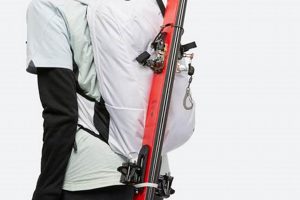
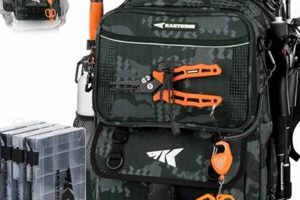
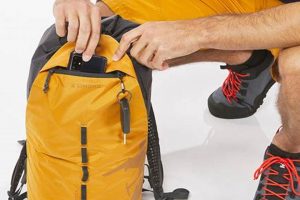
Selection of optimal carrying equipment tailored for the academic environment, specifically designed to resist water intrusion, represents a significant consideration for students. These items offer protection for essential contents, such as laptops, textbooks, and notebooks, safeguarding them from potential damage due to rain, spills, or accidental submersion. As an example, a student commuting to campus during inclement weather may rely on such a bag to ensure the integrity of their course materials.
The importance of protecting academic necessities from water damage translates directly to minimized disruptions in studies and a reduction in replacement costs for damaged items. Historically, students have faced the challenge of safeguarding their belongings from unpredictable weather. The advent of water-resistant and waterproof materials integrated into backpack design provides a practical and reliable solution to this enduring problem, offering peace of mind and improved preparedness.
The following discussion will delve into key factors to consider when selecting a water-resistant carrying solution for collegiate use. These include material properties, construction techniques, ergonomic design, storage capacity, and user reviews. Each of these elements plays a crucial role in determining the overall suitability and effectiveness of a particular option for meeting the demands of student life.
Selection Guidance for Water-Resistant Collegiate Backpacks
The subsequent recommendations aim to provide clarity in the process of choosing a water-resistant backpack suitable for the collegiate environment. Diligent consideration of these factors will contribute to an informed purchasing decision.
Tip 1: Material Assessment: Examine the backpack’s construction materials. Options such as coated nylon, polyurethane, or thermoplastic polyurethane (TPU) offer varying degrees of water resistance and durability. Higher denier fabrics generally provide greater abrasion resistance and structural integrity.
Tip 2: Seam Integrity: Evaluate the seams. Taped or welded seams significantly enhance water resistance by preventing water ingress through stitching holes. Untreated seams are a common point of failure in wet conditions.
Tip 3: Zipper Design: Prioritize water-resistant zippers. These zippers incorporate a coating or flap to minimize water penetration. Standard zippers provide minimal protection against moisture.
Tip 4: Closure Systems: Consider the closure mechanism. Roll-top closures, frequently found in dry bags, offer superior water protection compared to traditional zippered closures. Evaluate the practicality of each closure type for daily academic use.
Tip 5: Internal Organization: Assess the internal compartments and organization. Water-resistant backpacks should ideally feature separate compartments for electronic devices, books, and other essentials, minimizing the risk of water damage to multiple items.
Tip 6: Ergonomic Considerations: Evaluate the ergonomic design of the backpack. Padded shoulder straps, a sternum strap, and a hip belt (if appropriate for the size) contribute to comfortable weight distribution and reduce strain during extended wear.
Tip 7: Capacity Requirements: Determine the necessary capacity based on individual academic needs. Account for the volume of textbooks, laptops, and other frequently carried items. Overloading a water-resistant backpack can compromise its protective capabilities.
Careful evaluation of materials, construction, and features will lead to the selection of a water-resistant backpack that effectively safeguards academic necessities from environmental elements. This proactive approach translates to minimized risks and improved preparedness for the demands of student life.
The following sections will further discuss long-term maintenance and care strategies for water-resistant backpacks, ensuring sustained performance and longevity.
1. Material Durability

Material durability is intrinsically linked to the concept of the optimally performing water-resistant backpack for collegiate use. The longevity and protective capabilities of such a backpack are directly contingent upon the quality and resistance to wear of its constituent materials. Choosing subpar materials directly undermines water resistance, leading to potential failures in wet conditions and premature degradation of the product. For instance, a backpack constructed from low-denier nylon is susceptible to tearing and abrasion, compromising both structural integrity and the effectiveness of any water-resistant coatings. Conversely, high-denier nylon, reinforced polyester, or coated fabrics like TPU offer superior resilience against physical stress, contributing significantly to the backpack’s ability to withstand the rigors of daily academic life and prolonged exposure to the elements.
The practical significance of material durability extends beyond mere protection against tears and abrasions. A more robust material is less likely to stretch or deform under heavy loads, maintaining the integrity of seams and closures. This is particularly important for water resistance because stretched or weakened seams are prime locations for water ingress. Furthermore, durable materials are generally more resistant to UV degradation, which can weaken fabrics over time and reduce their ability to repel water. Consider the student who regularly carries heavy textbooks and a laptop: a backpack with a durable base and reinforced stress points will not only be more comfortable but also less likely to suffer from material failure, ensuring the contents remain dry and protected. This prevents costly replacements of electronics and materials.
In summary, material durability represents a foundational aspect of a high-quality, water-resistant backpack intended for college students. The selection of robust, high-performance materials directly influences the backpack’s lifespan, its ability to safeguard contents from moisture, and its overall value proposition. A failure to prioritize material durability introduces significant risks and compromises the backpack’s effectiveness. Therefore, it should be considered one of the non-negotiable aspects of the best water-resistant college backpack, directly affecting long-term usability and protection for students.
2. Seam Construction

The effectiveness of a water-resistant backpack hinges significantly on seam construction. Seams represent inherent vulnerabilities in any fabric-based container, providing potential pathways for water intrusion. The selection of appropriate seam construction techniques directly influences the degree of water resistance achieved. Inferior seam treatments negate the benefits of even the most advanced water-resistant materials. For instance, a backpack constructed from waterproof fabric but featuring standard stitched seams remains susceptible to leaks, rendering it unsuitable for applications demanding reliable water protection. A student traversing campus in heavy rainfall would quickly discover the inadequacy of such a design, resulting in damage to electronics or course materials.
Advanced seam construction methods, such as taping, welding, or bonding, represent significant improvements over traditional stitching. Taped seams involve the application of a waterproof tape over the stitching lines, creating a barrier against water penetration. Welded seams fuse fabric panels together using heat or radio frequencies, eliminating the need for stitching altogether. Bonded seams utilize adhesives to join fabric panels, offering a similar level of water resistance. Each of these methods effectively seals the seams, preventing water from seeping through stitch holes or fabric interfaces. The practical application of these techniques is evident in backpacks designed for outdoor activities, such as hiking or kayaking, where exposure to wet conditions is anticipated. These backpacks often incorporate taped or welded seams to ensure the contents remain dry, even during prolonged immersion.
In conclusion, seam construction is a critical determinant of a backpack’s water resistance capabilities. Traditional stitched seams provide inadequate protection in wet environments, while advanced techniques such as taping, welding, and bonding significantly enhance water resistance by sealing potential points of water entry. Prioritizing backpacks with robust seam construction is crucial for individuals requiring reliable protection against moisture, particularly students who must safeguard essential academic materials from unpredictable weather conditions. The choice of seam construction directly affects the backpack’s performance and its suitability for demanding applications.
3. Zipper Sealing

Zipper sealing represents a critical facet of water resistance in backpacks designed for collegiate use. Its efficacy directly influences the degree to which a backpack can protect contents from moisture intrusion. Without effective zipper sealing, even the most waterproof materials and advanced seam constructions are rendered partially ineffective.
- Water-Resistant Zipper Materials
Specialized zipper materials contribute significantly to water resistance. These materials often incorporate a coating of polyurethane (PU) or thermoplastic polyurethane (TPU) to repel water. The coating effectively creates a barrier, preventing water from seeping through the zipper teeth. Standard zippers, lacking such coatings, offer minimal protection. For example, a backpack featuring a water-resistant fabric body but using a standard zipper will likely allow water to enter along the zipper track during rainfall.
- Zipper Flaps and Overlays
Zipper flaps and overlays represent an additional layer of defense against water penetration. These features consist of fabric panels that cover the zipper, deflecting water away from the zipper teeth and preventing direct exposure. A well-designed flap should extend beyond the zipper’s edges and may incorporate a hook-and-loop or snap closure to ensure a secure seal. An instance of this would be a rain flap over a zipper preventing water from going in even with heavy rain.
- Watertight Zipper Designs
Watertight zippers employ a different approach, featuring interlocking teeth that create a complete seal when closed. These zippers are commonly found in dry bags and diving gear, providing a higher degree of water resistance compared to coated zippers or zippers with flaps. However, watertight zippers are often more rigid and require more force to operate, which may impact their practicality for everyday academic use.
- Maintenance and Longevity
Proper maintenance is essential for preserving the water-resistant properties of zippers. Regular cleaning to remove dirt and debris can prevent damage to the zipper teeth and coating. Lubricating the zipper with a silicone-based lubricant can also improve its performance and extend its lifespan. Neglecting maintenance can lead to zipper failure and compromised water resistance.
Effective zipper sealing constitutes an indispensable component of the best water-resistant backpack for college. The use of specialized materials, protective flaps, and diligent maintenance collectively ensures that backpacks effectively safeguard contents from moisture damage, enhancing their overall utility and value for students facing unpredictable weather conditions. Choosing a backpack with robust zipper sealing contributes significantly to the long-term protection of valuable academic resources.
4. Capacity Appropriateness

Capacity appropriateness, with respect to water-resistant backpacks designed for collegiate use, denotes the alignment between the backpack’s internal volume and the user’s specific storage needs. The selection of a backpack with a capacity that is either inadequate or excessive compromises functionality and protective capabilities, thereby impacting its suitability as the “best waterproof backpack for college”.
- Minimum Volume Requirements
The minimum volume should accommodate essential academic materials, including textbooks, notebooks, a laptop (if applicable), and any necessary personal items. Insufficient capacity necessitates overloading, which can strain seams and closures, thereby diminishing water resistance. A student carrying a heavy course load requiring multiple large textbooks would find a small-capacity backpack inadequate, increasing the risk of damage due to overstuffing and exposure to the elements.
- Laptop Compartment Integration
For students requiring laptop carriage, a dedicated and padded laptop compartment is essential. This compartment should securely hold the device while providing impact protection and preventing direct contact with other items that could potentially cause damage. If the laptop compartment is too small, forcing the laptop into it can stress the zipper and compromise water resistance. A compartment too large may not adequately secure the laptop allowing it to be damaged or impact other contents.
- Organization and Compartmentalization
Beyond the overall volume, the internal organization of the backpack is crucial. Multiple compartments facilitate the segregation of items, preventing overcrowding and enabling efficient access. Separate compartments for electronics, books, and personal items minimize the risk of cross-contamination in the event of water intrusion. A backpack with insufficient organizational features may lead to items rubbing against each other, increasing wear and tear and potentially compromising water resistance.
- Optimal Capacity Range
Determining the optimal capacity range involves considering the trade-off between storage space and portability. An excessively large backpack, even if not fully loaded, can be cumbersome and uncomfortable, potentially leading to postural issues. Conversely, a backpack that is too small necessitates compromises on what can be carried, potentially leaving essential items unprotected. The ideal capacity range aligns with the typical daily needs of the student, providing sufficient space without sacrificing maneuverability or comfort.
In conclusion, capacity appropriateness is an indispensable criterion in the selection of the “best waterproof backpack for college”. By carefully considering the minimum volume requirements, laptop compartment integration, organizational features, and optimal capacity range, students can ensure that their backpack effectively protects their belongings while remaining comfortable and manageable for daily use. Failure to adequately address capacity concerns diminishes the backpack’s protective capabilities and its overall suitability for the demands of collegiate life.
5. Ergonomic Design

Ergonomic design constitutes a critical, yet often overlooked, component in the selection of an optimal water-resistant backpack for collegiate use. The connection between ergonomic principles and backpack design directly impacts the user’s physical well-being, influencing posture, reducing strain, and promoting comfort during prolonged wear. Disregarding ergonomic considerations can lead to musculoskeletal issues, negatively affecting academic performance and overall health. For instance, a backpack lacking adequate padding or adjustable straps can cause pressure points on the shoulders and back, leading to discomfort and potential long-term spinal problems. The importance of ergonomic design lies in its ability to distribute weight evenly across the wearer’s body, minimizing localized stress and promoting a more natural posture.
Effective ergonomic design manifests in several key features. Padded shoulder straps, constructed from breathable materials, are essential for cushioning the load and preventing chafing. A sternum strap helps to stabilize the backpack and prevent it from swaying during movement, further distributing weight and reducing strain on the shoulders. A padded back panel, often incorporating ventilation channels, enhances comfort and airflow, minimizing sweating and heat buildup. Furthermore, adjustable torso length allows for a customized fit, ensuring that the backpack aligns properly with the wearer’s spine. Consider the example of a student carrying a heavy load of textbooks and a laptop across campus: a backpack with properly adjusted straps and a supportive back panel can significantly reduce the strain on their back and shoulders, preventing discomfort and potential injury.
In summary, ergonomic design is not merely an aesthetic consideration; it is a fundamental aspect of a high-quality, water-resistant backpack intended for college students. The careful integration of padded straps, sternum straps, supportive back panels, and adjustable features contributes directly to the user’s comfort, posture, and overall well-being. Failure to prioritize ergonomic design introduces significant risks, potentially leading to discomfort, pain, and long-term health problems. Therefore, ergonomic design must be a key consideration in the selection process, ensuring that the chosen backpack effectively protects both the contents and the physical health of the student.
6. Waterproof Rating
Waterproof rating serves as a crucial determinant in assessing the suitability of a backpack for collegiate use, directly influencing its ability to protect contents from water damage. The rating provides a standardized measure of the backpack’s resistance to water penetration, guiding purchasing decisions based on anticipated environmental conditions and risk tolerance.
- IP Code Interpretation
The Ingress Protection (IP) code provides a standardized system for classifying the degrees of protection provided against the intrusion of solid objects (first digit) and liquids (second digit). For backpacks, the second digit is most pertinent, ranging from 0 (no protection) to 8 (protected against prolonged immersion in water under pressure). A backpack with an IP67 rating, for instance, indicates protection against dust (6) and immersion in water up to 1 meter (7). This rating system allows for objective comparison between different backpacks, ensuring that the selected option meets the user’s specific water resistance requirements.
- Hydrostatic Head Testing
Hydrostatic head testing, often measured in millimeters, assesses the amount of water pressure a fabric can withstand before water penetrates. A higher hydrostatic head rating indicates greater water resistance. For example, a backpack fabric with a hydrostatic head rating of 2000mm can resist the pressure exerted by a 2000mm column of water. This metric is particularly relevant for backpacks intended for use in heavy rain or prolonged exposure to wet conditions. Manufacturers often provide hydrostatic head ratings for both the fabric and the seams, allowing for a comprehensive evaluation of the backpack’s overall water resistance.
- Water-Resistant vs. Waterproof Classifications
It is crucial to differentiate between “water-resistant” and “waterproof” classifications. Water-resistant materials offer a degree of protection against water, but may not be completely impervious under prolonged exposure or submersion. Waterproof materials, on the other hand, are designed to prevent water penetration under a wider range of conditions. Backpacks labeled as water-resistant may suffice for light rain or brief exposure to moisture, while those labeled as waterproof are better suited for heavy rain, snow, or accidental submersion. The choice depends on the anticipated level of water exposure.
- Real-World Application Considerations
While laboratory testing provides valuable data, real-world conditions can significantly impact a backpack’s water resistance. Factors such as wear and tear, seam degradation, and zipper integrity can compromise the effectiveness of even the highest-rated waterproof materials. Regular maintenance, including cleaning and re-application of water repellent treatments, can help to prolong the backpack’s water resistance. Students should also consider the backpack’s design, prioritizing features such as storm flaps over zippers and roll-top closures for enhanced protection in wet conditions.
The waterproof rating constitutes a pivotal element in determining the suitability of a backpack for college use. By understanding the various rating systems and their implications, individuals can make informed decisions, selecting backpacks that reliably protect their belongings from the elements and meet the demands of academic life. This ensures that electronic devices, textbooks, and other essential materials remain dry and functional, minimizing disruptions and maximizing productivity.
Frequently Asked Questions
The following addresses common inquiries regarding the selection and utilization of water-resistant backpacks suitable for the demands of higher education.
Question 1: What constitutes a reliable metric for evaluating the water resistance of a backpack?
The Ingress Protection (IP) code provides a standardized system for classifying the degrees of protection against liquids. Hydrostatic head testing, measured in millimeters, assesses the amount of water pressure a fabric can withstand before penetration.
Question 2: Is there a distinction between “water-resistant” and “waterproof” classifications?
Yes. Water-resistant materials offer limited protection, suitable for light rain. Waterproof materials provide more comprehensive protection against prolonged exposure or submersion.
Question 3: What role does seam construction play in determining a backpack’s water resistance?
Seam construction significantly influences water resistance. Taped, welded, or bonded seams offer superior protection compared to standard stitched seams, which allow water intrusion.
Question 4: How does zipper design contribute to the overall water resistance of a backpack?
Water-resistant zippers, featuring coatings or flaps, minimize water penetration. Standard zippers provide minimal protection and compromise the backpack’s effectiveness in wet conditions.
Question 5: Does backpack capacity influence its water-resistant properties?
Yes. Overloading a backpack strains seams and closures, diminishing water resistance. Selecting an appropriately sized backpack prevents overstuffing and maintains its protective capabilities.
Question 6: How should a water-resistant backpack be maintained to ensure long-term performance?
Regular cleaning removes dirt and debris that can degrade water-resistant materials. Re-application of water repellent treatments and proper zipper maintenance extend the backpack’s lifespan and performance.
Careful consideration of these factors ensures an informed decision, leading to the selection of a water-resistant backpack that effectively safeguards academic necessities from environmental elements.
The subsequent discussion will focus on specific product recommendations, highlighting backpacks that exemplify the qualities outlined in this article.
Conclusion
The preceding discussion has illuminated the critical attributes that define the best waterproof backpack for college. Material durability, seam construction, zipper sealing, capacity appropriateness, ergonomic design, and verifiable waterproof ratings are not merely features, but essential elements that ensure the protection of academic materials in demanding environments. Neglecting these considerations results in compromised performance and potential damage to valuable resources.
Choosing the right water-resistant carrying solution is a deliberate and consequential decision. Investigate product specifications meticulously, consider individual needs critically, and prioritize quality to ensure long-term protection and preparedness. Selection of a superior backpack guarantees the safeguarding of essential materials. The decision demands due diligence for academic achievement.