A specialized rucksack designed for the demands of mountaineering and rock climbing provides a means of carrying essential gear. These packs typically feature a streamlined profile to minimize snagging on rock faces, durable construction to withstand abrasive environments, and attachment points for equipment such as ropes, ice axes, and helmets. An example would be a pack used to transport gear on a multi-pitch climb, including water, food, extra layers, and climbing hardware.
The utility of such equipment lies in enabling climbers to efficiently and safely manage their equipment in challenging environments. Historically, simple sacks or repurposed military packs served this purpose, but modern iterations offer enhanced features such as load distribution systems, specialized compartments, and weather resistance. These improvements contribute to improved climber performance, reduced fatigue, and enhanced safety on ascents.
The subsequent discussion will delve into the critical features, selection criteria, load management, packing techniques, and maintenance considerations relevant to this type of specialized carrying system. Proper understanding of these aspects is paramount for optimizing performance and ensuring the longevity of the equipment, ultimately contributing to safer and more successful climbing endeavors.
Essential Usage Guidance
The following recommendations aim to optimize performance and extend the lifespan of specialized mountaineering rucksacks. Adherence to these guidelines promotes safe and efficient use in demanding environments.
Tip 1: Proper Sizing is Critical. Selection of an appropriate torso length ensures optimal load transfer to the hips, minimizing strain on the shoulders and back. Consult manufacturer sizing charts and, ideally, seek professional fitting assistance.
Tip 2: Load Distribution Maximizes Efficiency. Heavier items should be positioned close to the spine and centered within the pack. This configuration maintains balance and reduces energy expenditure during ascents.
Tip 3: Compartmentalization Enhances Organization. Utilize designated compartments for specific gear categories, such as clothing, food, and hardware. This facilitates rapid access and minimizes time spent searching for equipment.
Tip 4: Secure External Attachments. Ensure all external attachments, including rope straps and ice axe loops, are properly secured before commencing the climb. Loose or improperly fastened equipment poses a significant safety hazard.
Tip 5: Weather Protection is Paramount. Employ a rain cover or waterproof liner to protect the contents from precipitation. Wet gear can significantly impact climber performance and increase the risk of hypothermia.
Tip 6: Regular Inspection Prevents Failures. Conduct thorough inspections of the pack’s seams, zippers, and buckles before and after each use. Address any signs of wear or damage promptly to prevent catastrophic failures in the field.
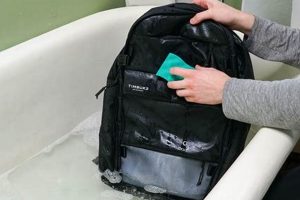
Tip 7: Cleaning Extends Lifespan. Remove dirt and debris after each use using a soft brush and mild detergent. Avoid harsh chemicals or abrasive cleaners, which can damage the fabric and coatings.
Adherence to these usage guidelines will contribute to a safer, more efficient, and ultimately more enjoyable climbing experience. Proper preparation and maintenance are integral to responsible mountaineering practices.
The subsequent section will address the long-term care and storage of this specialized equipment, further ensuring its reliability and extending its functional lifespan.
1. Durability

Durability represents a critical performance characteristic for mountaineering rucksacks. The capacity of a pack to withstand the abrasive forces and physical stresses inherent in climbing environments directly impacts its service life and the safety of its contents.
- Fabric Resistance to Abrasion
The fabric from which the pack is constructed must resist abrasion from rock, ice, and other rough surfaces. Materials such as high-denier nylon or reinforced composite fabrics offer superior abrasion resistance. Failure of the fabric compromises the integrity of the pack and can lead to gear loss or exposure.
- Seam Strength and Construction
Seams represent vulnerable points in a pack’s construction. Reinforced stitching patterns and the use of durable thread are essential to prevent seam failure under load. Weak seams can separate, causing the pack to rip and potentially endangering the climber.
- Zipper Reliability
Zippers must function reliably in demanding conditions. Heavy-duty zippers with protective flaps minimize the ingress of water and debris. Zipper failure can compromise the pack’s ability to securely contain gear, especially during inclement weather.
- Hardware Integrity
Buckles, straps, and attachment points must withstand significant forces. Durable hardware constructed from materials such as aluminum or high-strength plastic is essential. Failure of hardware components can render the pack unusable and compromise safety.
The long-term performance of this specialized equipment is inextricably linked to its ability to withstand the harsh conditions inherent in climbing. Selecting a pack with a robust construction and employing proper maintenance practices ensures reliable performance and maximizes the safety and longevity of the equipment.
2. Capacity
The capacity of a mountaineering rucksack, typically measured in liters, directly dictates the volume of equipment that can be carried, and consequently, the type and duration of climbing activity that can be supported. Insufficient capacity may necessitate compromising on essential gear, potentially leading to increased risk in challenging environments. Conversely, excessive capacity encourages overpacking, resulting in increased weight and diminished climber agility. For example, a single-day rock climbing trip might necessitate a pack with a capacity of 20-30 liters, sufficient for water, food, a jacket, and essential climbing hardware. A multi-day alpine ascent, however, could require a 50-70 liter pack to accommodate sleeping gear, additional clothing, and supplemental food supplies.
The effective utilization of capacity relies on careful planning and strategic packing. Optimizing space through the selection of lightweight and compressible gear is essential. Organizing equipment within the pack to ensure easy access to frequently used items, such as water and layers, maximizes efficiency during the climb. Furthermore, understanding the weather forecast and anticipated conditions allows for the selection of appropriate clothing and equipment, minimizing unnecessary weight and maximizing available space. For instance, carrying a bulky, heavy sleeping bag on a summer climb would be an inefficient use of capacity, whereas prioritizing a lightweight bivy sack would be a more appropriate choice.
In summary, capacity represents a critical factor in the overall performance and suitability of a mountaineering rucksack. Proper assessment of capacity requirements, coupled with strategic gear selection and packing techniques, is paramount for ensuring a safe and efficient climbing experience. Failure to adequately consider capacity constraints can lead to compromised safety, reduced agility, and ultimately, unsuccessful ascents.
3. Weight
The weight of a mountaineering rucksack directly influences a climber’s energy expenditure and overall performance. Each additional kilogram carried increases metabolic demand, potentially leading to premature fatigue and impaired decision-making. The cumulative effect of a heavy load over extended periods can significantly reduce climbing efficiency and increase the risk of accidents. For example, a study of long-distance hikers demonstrated a direct correlation between pack weight and oxygen consumption, highlighting the physiological cost associated with carrying heavy loads. Similarly, mountaineers carrying excessive weight on high-altitude ascents are more susceptible to altitude sickness and reduced cognitive function.
Manufacturers employ various strategies to minimize rucksack weight without compromising durability. These include utilizing lightweight fabrics such as Dyneema or ultralight nylon, optimizing frame designs, and minimizing extraneous features. However, a balance must be struck between weight reduction and structural integrity. An overly lightweight pack may lack sufficient support or durability to withstand the rigors of mountaineering, potentially leading to equipment failure and compromising safety. For example, a lightweight pack with flimsy shoulder straps may not adequately distribute weight, resulting in pressure points and discomfort. Conversely, a heavier pack with a robust suspension system may offer superior load-carrying comfort despite its increased weight.
In conclusion, weight is a critical factor to consider when selecting a mountaineering rucksack. Climbers must carefully assess their gear requirements and prioritize lightweight options without sacrificing essential features or durability. Proper load distribution and efficient packing techniques can further minimize the perceived weight of the pack and improve overall climbing performance. The optimal balance between weight, durability, and functionality depends on the specific demands of the climb and the individual climber’s capabilities. Understanding these trade-offs is paramount for ensuring a safe and efficient mountaineering experience.
4. Accessibility
Accessibility, concerning mountaineering rucksacks, pertains to the ease and speed with which climbers can access essential equipment. Efficient access reduces time spent searching for items, minimizing exposure to hazards and maximizing climbing efficiency.
- Main Compartment Access
The primary method of accessing the bulk of the pack’s contents dictates overall accessibility. Top-loading designs, while offering simplicity and large capacity, can require unpacking multiple items to reach those at the bottom. Panel-loading designs, featuring a zippered opening similar to a suitcase, provide wider access to the main compartment. Full-length side zippers offer alternative access points for specific items without disturbing the entire load. The choice depends on the user’s organizational style and the anticipated frequency of accessing items within the main compartment.
- External Pockets and Attachment Points
External pockets, such as side pockets for water bottles or front pockets for maps and snacks, facilitate rapid access to frequently used items. Attachment points, including daisy chains and ice axe loops, allow for the secure and accessible carrying of specialized equipment. Well-placed and easily operated pockets and attachment points enhance efficiency and reduce the need to remove the pack for gear retrieval. The configuration and placement of these features significantly impact the pack’s overall usability.
- Internal Organization and Dividers
Internal dividers and compartments contribute to organized storage and retrieval of gear. Separating items by category, such as clothing, food, and climbing hardware, reduces search time and prevents items from becoming entangled. Dedicated compartments for hydration reservoirs ensure easy access to water and prevent spills from contaminating other gear. A well-organized interior promotes efficient packing and accessibility, particularly in challenging conditions.
- Glove-Friendly Zippers and Buckles
In cold environments, operating zippers and buckles with gloves can be difficult. Oversized zipper pulls and glove-friendly buckles allow for manipulation without removing gloves, minimizing exposure to the elements and maintaining dexterity. This design consideration enhances accessibility and improves user experience in adverse weather conditions. The ability to access gear quickly and efficiently, even with gloved hands, is critical for maintaining safety and performance in mountaineering environments.
The integration of these facets of accessibility into the design and utilization of a mountaineering rucksack directly impacts a climber’s efficiency and safety. Prioritizing accessibility through thoughtful design and strategic packing enables climbers to manage their equipment effectively, minimizing delays and maximizing their focus on the ascent.
5. Fit
The fit of a climbing rucksack dictates its effectiveness in transferring weight and maintaining stability during ascents. An ill-fitting pack causes uneven weight distribution, leading to discomfort, fatigue, and potential injury. Torso length, hip belt placement, and shoulder strap contour are key parameters determining proper fit. A pack with a torso length mismatched to the climber’s anatomy will either place excessive weight on the shoulders or fail to adequately transfer weight to the hips. Improper hip belt placement can cause chafing or restrict movement, while poorly contoured shoulder straps can create pressure points. For example, a climber with a short torso using a pack designed for a longer torso might experience excessive pressure on the shoulders and limited range of motion.
Adjustability features, such as adjustable torso length, hip belt position, and sternum strap height, allow for fine-tuning the pack’s fit to individual body shapes. These adjustments enable climbers to customize the pack’s fit for optimal weight distribution and comfort. Load lifter straps, connecting the shoulder straps to the upper portion of the pack frame, pull the load closer to the body, improving balance and reducing strain on the shoulders. The correct adjustment of these straps is crucial for maintaining a stable and comfortable carry, particularly on steep or uneven terrain. A climber navigating a challenging traverse, for example, benefits from a snug and stable fit achieved through proper adjustment, preventing the pack from shifting and compromising balance.
In summary, the fit of a climbing rucksack is a critical determinant of comfort, stability, and efficiency. Proper torso length, hip belt placement, and shoulder strap contour are essential for optimal weight distribution. Adjustability features allow for customization to individual body shapes. Prioritizing fit during rucksack selection and adjustment ensures a more comfortable and safer climbing experience, reducing the risk of fatigue and injury. Neglecting this aspect undermines the benefits of other design features and can severely impair a climber’s performance.
Frequently Asked Questions
This section addresses common inquiries regarding the selection, usage, and maintenance of specialized load-carrying equipment designed for mountaineering and rock climbing.
Question 1: What distinguishes a climbing backpack from a standard hiking backpack?
Mountaineering rucksacks are engineered with a streamlined profile to minimize snagging on rock faces. They feature durable construction to withstand abrasive environments, specialized attachment points for climbing hardware (ropes, ice axes), and often incorporate load-stabilization systems optimized for vertical movement.
Question 2: How does one determine the appropriate climbing backpack size for a given trip?
Capacity requirements depend on trip duration and anticipated gear needs. Single-day rock climbing excursions typically require 20-30 liter packs, while multi-day alpine climbs necessitate 50-70 liter packs to accommodate sleeping gear, supplemental clothing, and additional provisions. Carefully consider all essential equipment and select a pack that adequately contains the load without encouraging overpacking.
Question 3: What are the crucial factors to consider when selecting a climbing backpack?
Essential considerations include durability (fabric abrasion resistance, seam strength), capacity (appropriate volume for anticipated gear), weight (minimizing fatigue), accessibility (ease of retrieving specific items), and fit (proper torso length and load distribution).
Question 4: How should weight be distributed within a climbing backpack to optimize balance and comfort?
Heavier items should be positioned close to the spine and centered within the pack. This configuration minimizes leverage and maintains balance. Lighter items can be placed further from the body. Utilize internal compartments and compression straps to prevent load shifting during movement.
Question 5: What materials are commonly used in the construction of climbing backpacks, and what are their respective advantages?
High-denier nylon offers a balance of durability and weight. Reinforced composite fabrics, such as Dyneema, provide superior abrasion resistance. Aluminum or high-strength plastic hardware components ensure reliable performance under stress. The optimal material selection depends on the intended use and desired balance between durability and weight.
Question 6: What maintenance practices are recommended to prolong the lifespan of a climbing backpack?
Regular cleaning with a soft brush and mild detergent removes dirt and debris. Inspect seams, zippers, and buckles for signs of wear or damage. Store the pack in a dry, well-ventilated area away from direct sunlight. Promptly repair any damage to prevent further deterioration.
Proper selection, usage, and maintenance of a climbing backpack are essential for safety and efficiency in mountaineering and rock climbing. Adherence to these guidelines ensures reliable performance and extends the lifespan of this specialized equipment.
The subsequent section will explore advanced packing techniques for specialized gear and long-duration expeditions.
Conclusion
This exploration has detailed the multifaceted considerations surrounding the selection, utilization, and maintenance of the specialized carrying system known as the climbing backpack. The characteristics of durability, capacity, weight, accessibility, and fit are paramount. Rigorous attention to these factors influences user safety, efficiency, and overall success in challenging vertical environments. Maintenance protocols, including inspection and cleaning, extend the lifespan and ensure the sustained performance of this critical piece of equipment.
The climbing backpack remains an indispensable tool for mountaineering endeavors. Climbers should utilize the knowledge presented herein to make informed decisions regarding gear selection and usage. A thorough understanding of the capabilities and limitations of this equipment, combined with meticulous planning and preparation, is critical for mitigating risk and facilitating responsible and successful ascents.