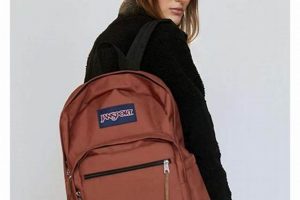
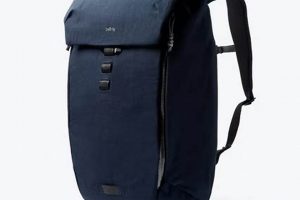
A specialized piece of gear designed for cyclists, it integrates a water reservoir with a backpack. This system enables hands-free hydration during rides. The design typically includes a reservoir, drinking tube, and bite valve, allowing cyclists to drink without stopping. Example usage involves mountain bikers traversing challenging terrain, road cyclists enduring long distances, or commuters navigating city streets.
The value lies in its ability to maintain consistent fluid intake, which is crucial for performance and safety. Dehydration can lead to fatigue, reduced concentration, and impaired decision-making. Historically, cyclists relied on water bottles mounted on the bike frame; however, these required the rider to stop or reach awkwardly. This innovation offers a more efficient and safer solution, particularly on uneven surfaces or during demanding activities. Benefits extend to improved endurance, quicker recovery, and enhanced overall riding experience.
Subsequent sections will delve into the various types available, key features to consider when selecting one, maintenance practices to ensure longevity, and a comparison of leading brands. Finally, it will address common questions and concerns regarding the use of such equipment.
Essential Usage Guidance
The following guidelines aim to maximize the effectiveness and lifespan of the cycling hydration system, ensuring optimal performance and safety during rides.
Tip 1: Reservoir Hygiene: Regular cleaning of the reservoir is paramount. After each use, empty any remaining liquid and rinse thoroughly with warm, soapy water. Use dedicated cleaning tablets or brushes to prevent bacterial growth and maintain water purity.
Tip 2: Tube and Valve Maintenance: The drinking tube and bite valve should be disassembled and cleaned periodically. Blockages can impede water flow and harbor bacteria. Consider using a small brush or pipe cleaner to ensure complete removal of residue.
Tip 3: Proper Filling Technique: Avoid overfilling the reservoir. Allow for expansion, particularly in warmer conditions. Securely seal the reservoir to prevent leaks and ensure proper hydration system functionality during activity.
Tip 4: Secure Placement and Fit: Adjust the shoulder straps and sternum strap to ensure a snug, comfortable fit. Excessive movement can lead to chafing and discomfort. The weight of the water should be distributed evenly across the back.
Tip 5: Hydration Scheduling: Establish a consistent hydration schedule. Drink small amounts of water at regular intervals, rather than waiting until thirst sets in. This helps maintain optimal fluid balance and prevents dehydration-related performance decline.
Tip 6: Inspection for Damage: Prior to each ride, thoroughly inspect the components for signs of wear and tear. Check the reservoir for punctures, the tube for cracks, and the bite valve for damage. Replace worn or damaged parts promptly.
Tip 7: Storage Considerations: When not in use, store the pack in a cool, dry place. Avoid direct sunlight and extreme temperatures, which can degrade the materials. Ensure the reservoir is completely dry to prevent mold growth.
Adhering to these suggestions contributes significantly to the reliable operation and prolonged lifespan, supporting consistent fluid intake during cycling activities.
The subsequent section will present a comparison of several leading brands offering various models, discussing relative strengths and weaknesses.
1. Capacity
Capacity, in the context of a cycling hydration system, refers to the water reservoir’s volume. This is a primary determinant of the backpack’s suitability for various ride durations and intensities. Adequate capacity mitigates dehydration risks, ensuring sustained performance and rider safety. The appropriate choice depends heavily on the intended use case.
- Ride Duration and Intensity
Longer rides or high-intensity activities necessitate greater fluid volumes. Insufficient capacity forces riders to ration water, increasing the risk of dehydration-related fatigue. Conversely, excessively large capacities add unnecessary weight, impacting maneuverability and comfort. Example: A multi-day bikepacking trip through arid terrain demands a larger reservoir than a one-hour criterium race.
- Terrain and Climate
Challenging terrains and hotter climates increase fluid loss through perspiration. Mountain biking on steep inclines or riding in high humidity requires a higher capacity to compensate for increased fluid expenditure. Example: A desert trail ride necessitates a significantly larger reservoir than a cool-weather commute.
- Backpack Size and Weight
Larger capacity reservoirs inherently increase the overall size and weight of the system. This can impact rider comfort and agility, particularly on technical trails. A balance between capacity and weight is essential. Example: Riders prioritizing speed and agility in cross-country racing may opt for a smaller, lighter pack, refilling more frequently.
- Water Availability
Access to water sources along the route influences the required capacity. Rides where refilling is readily available allow for smaller reservoirs. However, in remote areas with limited water sources, a larger capacity is crucial for survival. Example: A remote backcountry ride mandates a larger reservoir, as refilling opportunities are infrequent or nonexistent.
The relationship between capacity and intended use is thus critical. Selecting an appropriately sized hydration pack involves careful consideration of ride length, intensity, environmental conditions, and water availability. The goal is to balance hydration needs with considerations of weight, size, and comfort, thereby optimizing the overall cycling experience and ensuring rider well-being.
2. Fit

The term “fit,” in the context of a cycling hydration system, pertains to how well the backpack conforms to the rider’s body. Optimal fit minimizes movement, maximizes comfort, and contributes to overall performance. Improper fit can lead to chafing, discomfort, and impaired balance, detracting from the cycling experience.
- Torso Length and Adjustment
Torso length is a primary factor in determining appropriate pack size. Many models offer adjustable torso lengths to accommodate varying body types. Incorrect torso length can cause the pack to ride too high or low, leading to discomfort and instability. For example, a long-torsoed rider using a pack designed for a shorter torso may experience shoulder strap pressure and lower back pain.
- Shoulder Strap Design and Padding
Shoulder straps should be contoured and padded to distribute weight evenly and prevent pressure points. The straps must sit comfortably on the shoulders without digging in or restricting movement. Straps that are too narrow or lack adequate padding can cause discomfort and fatigue, particularly on long rides. For example, a poorly designed strap may lead to numbness or tingling in the arms and hands.
- Sternum Strap Placement and Function
The sternum strap connects the shoulder straps across the chest, preventing them from sliding off the shoulders and improving stability. The strap should be adjustable both vertically and horizontally to accommodate different chest sizes and shapes. A sternum strap that is too tight can restrict breathing, while one that is too loose offers minimal benefit. For example, a properly adjusted sternum strap keeps the pack centered and prevents it from swaying during technical descents.
- Waist Belt Design and Support
A waist belt helps transfer weight from the shoulders to the hips, improving stability and reducing strain on the upper body. The belt should fit snugly around the waist and be adjustable for different waist sizes. A well-designed waist belt distributes weight evenly and prevents the pack from bouncing during activity. For example, a rider carrying a heavy load may experience less fatigue and back pain with a pack that features a supportive waist belt.
Achieving optimal fit is a critical aspect of selecting and using a hydration system. By considering torso length, strap design, and belt support, cyclists can ensure a comfortable and stable ride, maximizing both performance and enjoyment. Selection should be made by measuring your body and trying the model on.
3. Weight
Weight constitutes a critical factor in cycling hydration systems. It directly impacts rider endurance and overall performance. Excessive weight increases energy expenditure, leading to premature fatigue, particularly during long rides or uphill climbs. Conversely, a lighter pack minimizes strain, allowing riders to maintain higher speeds and greater agility. Material choices, reservoir size, and additional features contribute to the overall weight. A rider carrying a heavy pack may experience reduced maneuverability and increased risk of accidents on technical terrain. Therefore, minimizing weight without compromising durability or functionality is paramount in the design and selection of this equipment.
The impact of weight extends beyond physical exertion. Psychological effects also play a role. A lighter pack fosters a sense of freedom and agility, enhancing rider confidence and enjoyment. Conversely, a heavy pack can induce feelings of burden and discomfort, negatively impacting motivation and concentration. Professional cyclists, in particular, meticulously scrutinize weight, recognizing its marginal yet crucial contribution to competitive performance. For instance, a racing cyclist might choose a smaller, lighter pack, even if it requires more frequent refills, to maintain optimal speed and agility.
In summary, weight is a fundamental consideration when selecting a bike hydration system. A careful balance must be struck between capacity, features, durability, and minimizing the overall weight. Prioritizing lightweight materials and streamlined designs can significantly enhance rider comfort, endurance, and performance. Understanding this relationship enables cyclists to make informed decisions, optimizing their equipment for specific riding conditions and personal preferences. The challenge lies in achieving this balance to deliver optimal function. The next section will further examine durability.
4. Durability

Durability, in the context of a cycling hydration system, refers to its capacity to withstand wear, tear, and environmental exposure. This attribute is crucial for ensuring the longevity and reliability of the equipment, particularly under demanding riding conditions. A robust design minimizes the risk of damage and ensures consistent performance over time.
- Material Selection and Construction
Material choices significantly influence durability. High-denier nylon or polyester fabrics, reinforced stitching, and abrasion-resistant coatings contribute to the pack’s ability to withstand impacts, punctures, and prolonged use. Examples include packs constructed from ripstop nylon with reinforced bottom panels to resist damage from rocks or branches. Inferior materials or weak construction can lead to premature failure and compromised hydration capabilities.
- Reservoir Material and Seam Integrity
The reservoir itself must be constructed from durable, food-grade materials capable of withstanding repeated filling, emptying, and compression. Seam integrity is paramount to prevent leaks, which can render the entire system unusable. Examples include reservoirs made from TPU (thermoplastic polyurethane) with radio-frequency welded seams. Leaks can be caused by weak or improperly sealed seams.
- Zipper Quality and Closure Systems
Zippers and closure systems must be robust enough to withstand repeated use and exposure to dirt, moisture, and UV radiation. High-quality zippers with durable pulls and reinforced stitching are essential for maintaining compartment security. Examples include YKK zippers with water-resistant coatings. Broken zippers or damaged closures can compromise the pack’s functionality and expose contents to the elements.
- Tube and Bite Valve Resilience
The drinking tube and bite valve must be resistant to cracking, tearing, and degradation from UV exposure. The bite valve should provide a reliable seal to prevent leaks and maintain water pressure. Examples include tubes constructed from kink-resistant materials and bite valves made from durable silicone. Fragile tubes or valves can lead to inconvenient leaks and reduced water flow.
The interrelation of these facets determines the overall endurance. A pack with robust materials, secure seams, and reliable components will offer greater resistance to damage and degradation, providing cyclists with a dependable source of hydration for many rides. These material considerations enhance performance and add to the product life.
5. Reservoir Design
Reservoir design is intrinsic to the functionality of a hydration system. As the central water storage component, its attributes directly influence ease of use, maintenance, and water quality. A well-designed reservoir facilitates efficient filling, cleaning, and dispensing, while mitigating the risk of contamination. Conversely, a poorly designed reservoir can impede these processes, leading to inconvenience and potential health hazards.
Several key design elements contribute to reservoir effectiveness. Wide-mouth openings simplify filling and cleaning, allowing for easy access to the interior. Baffles, internal dividers, prevent water sloshing during movement, improving stability and comfort. Quick-disconnect fittings enable easy tube removal for cleaning or replacement. Examples illustrating practical significance include reservoirs with antimicrobial treatments to inhibit bacterial growth, enhancing water safety during prolonged use. Furthermore, low-profile designs minimize bulk and weight, contributing to a more streamlined and comfortable carrying experience.
In summation, reservoir design is not merely an aesthetic consideration but a determinant of the equipment’s overall utility and hygiene. Understanding the principles and nuances allows informed choices, optimizing the cycling experience and protecting rider health. Selection involves a careful balance between capacity, features, durability, and minimizing the overall weight to deliver optimal function and safety.
6. Ventilation

Ventilation is a critical design aspect of cycling hydration systems, directly impacting rider comfort and performance. The backpack, positioned against the rider’s back, inherently restricts airflow, leading to increased perspiration and elevated skin temperatures. This creates a microclimate that can cause discomfort, chafing, and decreased thermal regulation efficiency. Effective ventilation strategies are thus essential to mitigate these effects.
The cause-and-effect relationship is clear: restricted airflow leads to increased sweat accumulation, which, in turn, reduces comfort and can impair performance. Designs incorporating mesh panels, air channels, and suspended mesh back panels aim to promote airflow and facilitate moisture evaporation. For example, backpacks featuring suspended mesh create a gap between the pack and the rider’s back, allowing air to circulate freely. This reduces direct contact and minimizes heat buildup. Another example includes air channels molded into the back panel to guide airflow and promote ventilation in key areas. Without these features, riders may experience significant discomfort and reduced endurance, particularly in warm weather.
In conclusion, adequate ventilation is indispensable to the effective function of a cycling hydration system. Challenges include balancing ventilation with other design considerations, such as weight, capacity, and durability. By prioritizing ventilation, designers can enhance rider comfort, improve thermal regulation, and ultimately contribute to a more enjoyable and efficient cycling experience.
7. Compartments

Compartments, as integrated features of cycling hydration systems, provide designated storage space for essential gear and supplies. Their presence enhances the pack’s functionality, transforming it from a simple hydration device into a versatile carrying solution. The inclusion of compartments allows cyclists to carry tools, spare parts, nutrition, and personal items without requiring additional bags or cumbersome attachments. This integration streamlines the riding experience and promotes efficiency.
The number, size, and configuration of compartments vary across different models, catering to diverse riding styles and needs. A minimalist pack designed for short, fast rides might feature a single, small compartment for a multi-tool and energy gel. Conversely, a larger pack intended for long-distance touring could include multiple compartments of varying sizes to accommodate spare tubes, a pump, rain gear, and other necessities. Examples of real-world scenarios include carrying a first-aid kit for emergencies, a phone for navigation and communication, and extra layers for changing weather conditions. Neglecting compartment design can lead to disorganized gear, difficulty accessing essential items, and compromised safety in critical situations.
In summary, compartments constitute an integral component of the system. Their design and implementation directly impact the system’s overall utility and rider convenience. Understanding the relationship between compartment configuration and intended use enables cyclists to select packs that effectively meet their individual storage requirements. The presence and thoughtful arrangement of compartments significantly enhance the practicality, allowing cyclists to carry essential items conveniently and securely, contributing to a safer and more enjoyable riding experience. This concludes the discussion of key attributes.
Frequently Asked Questions
The following addresses common inquiries regarding the usage and maintenance of cycling hydration systems. These answers aim to clarify best practices and ensure optimal performance.
Question 1: How frequently should the reservoir be cleaned?
The reservoir requires cleaning after each use to prevent bacterial growth. Rinsing with warm, soapy water followed by thorough drying is recommended. Periodic use of specialized cleaning tablets or brushes further aids in maintaining hygiene and preventing the buildup of residue.
Question 2: What type of liquid is appropriate for use in the reservoir?
Potable water is the most suitable liquid. Sports drinks containing electrolytes can be used, but require more diligent cleaning to prevent residue buildup and potential bacterial growth. Avoid sugary drinks or juices, as they promote bacterial growth and can damage the reservoir.
Question 3: How is the fit of the hydration system properly adjusted?
The fit is achieved by adjusting the shoulder straps, sternum strap, and waist belt. The shoulder straps should sit comfortably on the shoulders without digging in, the sternum strap should prevent the shoulder straps from sliding off, and the waist belt should transfer weight to the hips. A snug, secure fit minimizes movement and prevents chafing.
Question 4: What is the recommended capacity for long-distance cycling?
The appropriate capacity depends on factors such as ride duration, intensity, and climate. A general guideline is to aim for at least 2-3 liters for rides exceeding three hours. Adjust capacity based on individual hydration needs and available refilling opportunities.
Question 5: How is leakage from the bite valve prevented?
Leakage is often prevented by ensuring the bite valve is properly closed and seated. Some models feature a shut-off valve to completely disable water flow. Inspect the bite valve for damage or wear, and replace if necessary.
Question 6: How is the hydration system stored when not in use?
The system should be stored in a cool, dry place, away from direct sunlight. The reservoir should be emptied, rinsed, and allowed to dry completely to prevent mold growth. Store with the reservoir open to promote air circulation.
Proper maintenance and informed usage extends lifespan. Adherence to these practices ensures consistent performance and promotes rider well-being.
The subsequent section offers a comparative assessment of leading brands and models currently available.
Conclusion
This article has examined the bike hydration backpack, addressing its definition, benefits, selection criteria, maintenance, and common concerns. From capacity and fit to durability and reservoir design, each attribute plays a crucial role in overall performance and user satisfaction. The preceding discussion underscores the importance of informed decision-making when selecting this equipment.
Investing in a high-quality hydration system and adhering to proper maintenance practices contributes significantly to rider safety, comfort, and performance. Cyclists are encouraged to carefully assess individual needs and preferences before making a purchase. The enduring relevance of this equipment in the pursuit of optimal athletic performance suggests its continued refinement and innovation within the cycling industry.