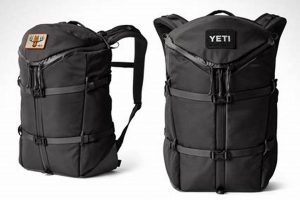
Backpacks, beyond their utilitarian function of carrying belongings, can serve as a statement of personal style. These specialized carriers emphasize visual appeal, often featuring unique designs, colors, and materials that align with current fashion trends or individual preferences. For example, a minimalist backpack in neutral tones with clean lines exemplifies this focus on outward appearance over solely practical considerations.
The importance of visually pleasing backpacks extends to self-expression and creating a desired image. The benefits include increased confidence, a sense of belonging to a particular subculture, and the ability to project a specific identity. Historically, backpack design focused primarily on durability and functionality; however, contemporary culture has witnessed a surge in demand for designs that incorporate aesthetic elements alongside practicality.
The subsequent sections will delve into the various design elements, materials, and brands popular in this category, providing a detailed overview of the factors contributing to the appeal of these visually-driven carriers. A comparative analysis of functionality and visual appeal will also be presented, followed by insights into consumer preferences and market trends.
Guidance on Aesthetic Backpack Selection
This section provides guidance for selecting backpacks that effectively blend aesthetic appeal with practical considerations. Careful evaluation of several factors is crucial to making an informed purchasing decision.
Tip 1: Assess Intended Use. Determine the primary purpose of the backpack. A backpack intended for daily commutes to an office environment will likely require a different aesthetic and feature set than one used for weekend hiking trips. Consider the need for laptop compartments, water bottle holders, and weather resistance.
Tip 2: Evaluate Material Quality. Material selection significantly impacts both durability and visual appeal. Canvas, leather, and nylon offer different aesthetic qualities and varying levels of resistance to wear and tear. Examine stitching and hardware quality to ensure longevity.
Tip 3: Consider Color Palette. Choose colors that complement one’s personal style and wardrobe. Neutral tones such as black, gray, and navy offer versatility, while bolder colors can make a statement. Consider the longevity of color trends before committing to a particularly fashionable shade.
Tip 4: Analyze Design Details. Pay attention to design elements such as buckles, zippers, and straps. Minimalist designs with clean lines offer a contemporary aesthetic, while more elaborate designs may incorporate decorative features like embroidery or patches.
Tip 5: Scrutinize Size and Proportion. Ensure the backpack’s size is appropriate for the user’s body type and carrying needs. An oversized backpack can appear awkward, while an undersized backpack may lack sufficient storage capacity.
Tip 6: Check Organizational Features. Evaluate the internal organization of the backpack. Multiple compartments, pockets, and dividers can improve functionality and prevent items from shifting during transport.
Tip 7: Verify Comfort and Ergonomics. Prioritize comfort, especially if the backpack will be worn for extended periods. Look for padded shoulder straps and a breathable back panel. Consider the adjustability of the straps to ensure a secure and comfortable fit.
Selecting a backpack that effectively balances aesthetic preferences with practical requirements results in a functional and visually pleasing accessory that complements individual style and enhances daily activities.
The concluding section will summarize the key aspects discussed and provide final considerations for making an informed purchase.
1. Material Aesthetics

The visual characteristics of materials constitute a foundational element in the creation of aesthetically pleasing backpacks. The selection of specific textiles and components directly influences the overall appearance and perceived value of the finished product. For example, a backpack constructed from full-grain leather projects an image of luxury and durability, while one crafted from recycled nylon may emphasize sustainability and a more utilitarian aesthetic. This causal relationship highlights that specific material choices are deliberately made to cultivate a particular image or style.
The importance of considering material aesthetics extends beyond superficial visual appeal. The texture, drape, and inherent qualities of a material contribute to the tactile experience of the backpack. A canvas material, for instance, can be waxed for water resistance, and create a unique patina with use, enhancing the character over time. This contrasts with synthetic materials which may offer greater water resistance initially, but lack the same capacity to age gracefully. Backpack brands often utilize specific materials as a signature element, becoming recognizable features that consumers associate with a particular brand aesthetic.
In summary, understanding material aesthetics is practically significant for designers, manufacturers, and consumers. Designers can leverage material properties to achieve desired visual and tactile effects. Manufacturers can strategically position their products within the market. Finally, consumers can make informed purchasing decisions that align with their personal values and aesthetic preferences. Ignoring the connection between material and aesthetics limits the potential for creating truly desirable and impactful backpacks.
2. Design Harmony

Design harmony, as it relates to visually pleasing backpacks, represents the coherent and balanced integration of various design elements. It extends beyond mere visual appeal to encompass the seamless fusion of form, function, and material. A backpack exhibiting design harmony will present a unified and aesthetically pleasing composition, where each element contributes to the overall visual identity.
- Proportion and Scale
Proportion and scale involve the relationship between the backpack’s various components and its overall size. A harmonious design ensures that pockets, straps, and hardware are appropriately sized and positioned relative to the main body of the bag. For example, oversized pockets on a small backpack would disrupt the visual balance, while subtly scaled zippers on a sleek design enhance its unity. In the field of visually pleasing backpacks, the correct choice of scale is critical for aesthetic success.
- Color Palette and Material Coordination
The selection and arrangement of colors and materials must work in synergy to create a cohesive visual experience. A well-harmonized backpack employs a color palette that complements the overall design, avoiding jarring contrasts or clashing hues. Similarly, the materials used should share a common aesthetic language, whether it’s a consistent texture, a unified sheen, or a thematic connection. For example, combining waxed canvas with brass hardware produces a vintage aesthetic. Design harmony is achieved when all elements cooperate.
- Symmetry and Asymmetry
The deliberate use of symmetry or asymmetry can contribute to visual interest and balance. A symmetrical backpack presents a mirror-image composition, conveying a sense of order and formality. Conversely, an asymmetrical design introduces visual tension and dynamism. Achieving design harmony, whether through symmetry or asymmetry, requires careful consideration of visual weights and focal points. For instance, an asymmetrical strap arrangement could be balanced by a deliberately placed pocket on the opposite side.
- Functional Integration
Design harmony extends beyond visual elements to encompass the integration of functional features. Pockets, compartments, and closures should be seamlessly incorporated into the overall design, rather than appearing as afterthoughts. A well-designed backpack will conceal or minimize the visibility of zippers and straps, preserving the clean lines and visual coherence. For example, a hidden laptop compartment maintains a sleek exterior, while providing a valuable function.
The harmonious design of backpacks, where aesthetic elements are carefully considered in conjunction with the functional needs, creates the foundation for visually pleasing and effective designs. By understanding and applying the principles of design harmony, manufacturers and designers can produce backpacks that are both aesthetically appealing and practically useful, meeting the demands of a discerning consumer base.
3. Color Palette

The strategic utilization of color palettes holds a paramount position in the creation of aesthetically pleasing backpacks. Color selection dictates the initial visual impression and influences the perceived style, target demographic, and overall market appeal of these functional accessories.
- Dominant Color and Harmony
The dominant color establishes the foundational aesthetic tone. A harmonious palette avoids clashing hues, instead employing analogous or complementary colors to create a balanced visual experience. For example, a backpack featuring a navy blue dominant color paired with gray accents evokes a sense of sophisticated practicality. Conversely, a poorly chosen color combination can detract from the overall design, regardless of other design merits.
- Accent Colors and Emphasis
Accent colors serve to highlight specific design elements and create visual interest. Strategic use of contrasting colors can draw attention to key features such as zippers, straps, or logos. A muted backpack design might incorporate a vibrant accent color on the zipper pulls to add a touch of individuality. However, overusing accent colors can lead to a cluttered and visually overwhelming design. Accent colors, if too many, can harm the balance of the piece’s intended style.
- Color Psychology and Target Audience
Color choices communicate subtle messages and elicit emotional responses. Understanding color psychology is essential for aligning a backpack’s aesthetic with its intended target audience. For instance, earth tones often appeal to those with an appreciation for nature and sustainability, while bright primary colors tend to resonate with younger demographics. Using the wrong psychological suggestion of colors can steer away the targeted demographic. Thus making the backpack unpopular amongst those for which it was designed.
- Seasonal Trends and Market Relevance
Fashion trends influence color preferences, and staying abreast of current seasonal palettes is critical for maintaining market relevance. Backpack manufacturers often introduce new colorways each season to capitalize on prevailing trends. While adhering to trends can enhance sales, it is equally important to maintain a core collection of timeless colors that remain popular year after year. For instance, black, gray, and navy are perennial favorites that transcend seasonal fluctuations.
The deliberate application of color palette principles transforms a functional backpack into a fashion-conscious accessory. A nuanced understanding of color theory, consumer psychology, and market trends allows manufacturers to create backpacks that resonate with target audiences and command attention in a competitive marketplace.
4. Proportionality

Proportionality, in the realm of aesthetically pleasing backpacks, refers to the balanced relationship between the size and scale of various design elements and the overall dimensions of the bag. This balance is crucial for creating a visually harmonious and appealing product, as disproportionate elements can disrupt the aesthetic unity and detract from the overall design.
- Scale of Pockets and Compartments
The size of pockets and compartments must be in proportion to the main body of the backpack. Overly large pockets can appear bulky and cumbersome, while excessively small pockets may seem impractical and aesthetically insignificant. For example, a minimalist backpack with a sleek silhouette would be compromised by oversized, bulging pockets. Conversely, a rugged, utilitarian backpack might benefit from larger, more prominent pockets that align with its overall aesthetic.
- Strap Width and Placement
The width and placement of shoulder straps significantly impact the perceived proportionality of a backpack. Straps that are too narrow can appear flimsy and inadequate, while overly wide straps may seem cumbersome and overwhelming. The placement of the straps also affects the visual balance of the backpack; straps positioned too close together can create a cramped appearance, while straps set too far apart may look awkward and unstable. The straps are an essential design element.
- Hardware and Embellishments
The size and quantity of hardware elements, such as buckles, zippers, and rivets, must be proportionate to the overall design of the backpack. Excessive or inappropriately sized hardware can detract from the aesthetic harmony and create a cluttered appearance. Similarly, embellishments such as logos, patches, or decorative stitching should be carefully scaled and positioned to complement the backpack’s design without overwhelming it. The less that is showing, the more subtle and well designed the backpack might look. This is very common on visually pleasing backpacks.
- Overall Dimensions and User Physique
The overall dimensions of the backpack should be proportionate to the physique of the intended user. A backpack that is too large can appear unwieldy and uncomfortable, while a backpack that is too small may seem inadequate and visually insignificant. The backpack should complement the user’s body size and shape, creating a balanced and aesthetically pleasing silhouette. One size does not fit all, as the backpack is an extension of one’s apparel.
In conclusion, proportionality plays a critical role in determining the aesthetic success of a backpack. By carefully considering the scale and relationship between various design elements and the overall dimensions of the bag, designers can create backpacks that are visually harmonious, balanced, and appealing. Furthermore, proportionality must be considered in relation to the intended user, ensuring that the backpack complements their physique and enhances their overall appearance. Backpacks are visual accessories, thus must be thought out carefully to produce a product worth investing in.
5. Practicality

Practicality, in the context of visually pleasing backpacks, transcends mere aesthetic considerations and encompasses the functional attributes that determine the backpack’s utility and effectiveness in fulfilling its intended purpose. While visual appeal is a key driver in consumer choice, the long-term satisfaction and usability of a backpack hinge on its practical design elements and functional features.
- Storage Capacity and Organization
The capacity to efficiently store and organize belongings is a core facet of practicality. Backpacks should offer sufficient volume for carrying essential items, whether for daily commutes, academic pursuits, or travel. Internal organization, including compartments, pockets, and dividers, enhances the backpack’s practicality by allowing for the segregation and easy retrieval of items. A backpack with inadequate storage or poor organization diminishes its overall utility, regardless of its visual appeal. For example, a student backpack lacking a dedicated laptop compartment sacrifices practicality for the sake of aesthetics.
- Durability and Material Quality
The durability of a backpack is directly linked to the quality of materials used in its construction. Practical backpacks are crafted from robust materials that withstand the rigors of daily use, resisting wear and tear, abrasion, and environmental elements. Reinforced stitching, sturdy zippers, and water-resistant fabrics contribute to the backpack’s longevity and protect the contents from damage. A visually pleasing backpack constructed from inferior materials compromises its long-term practicality. Conversely, a rugged, durable backpack may sacrifice some aesthetic refinement but offer superior performance and longevity.
- Comfort and Ergonomics
Comfort is a critical aspect of practicality, particularly for backpacks intended for extended wear. Ergonomic design features, such as padded shoulder straps, a breathable back panel, and adjustable straps, enhance comfort and reduce strain on the wearer’s body. A practical backpack distributes weight evenly and conforms to the contours of the back, minimizing fatigue and discomfort. A visually striking backpack that lacks ergonomic design compromises its usability, as discomfort will deter frequent use. Thus causing the design to loose purpose.
- Accessibility and Ease of Use
Practical backpacks prioritize accessibility and ease of use. Pockets and compartments should be readily accessible, allowing for quick retrieval of frequently used items. Zippers and closures should operate smoothly and reliably. A well-designed backpack streamlines the process of packing, unpacking, and accessing contents, enhancing its overall convenience and practicality. A backpack with difficult-to-access compartments or cumbersome closures detracts from its usability, regardless of its visual appeal. Thus practicality needs to be considered in design.
In summary, practicality and aesthetics are not mutually exclusive attributes in backpacks; rather, they are complementary elements that contribute to overall value and user satisfaction. While visual appeal attracts initial interest, the long-term usability and effectiveness of a backpack depend on its practical design features, durable construction, and ergonomic considerations. A truly successful backpack effectively balances form and function, offering both visual appeal and lasting utility. Consumers should consider the long term benefits and practicality of their decisions.
Frequently Asked Questions
This section addresses common inquiries regarding the selection, maintenance, and suitability of visually appealing backpacks. Information provided aims to offer clarity and assist in making informed purchasing decisions.
Question 1: Are aesthetically driven backpacks as durable as traditionally functional backpacks?
Durability depends on material quality and construction methods, not solely on aesthetic design. Some visually pleasing backpacks utilize high-quality materials and reinforced stitching, offering comparable durability to standard backpacks. However, others prioritize aesthetics over durability, potentially resulting in reduced lifespan.
Question 2: How does one properly clean and maintain a backpack to preserve its aesthetic appeal?
Cleaning methods vary based on the backpack’s material composition. Generally, spot cleaning with a mild detergent and water is recommended. For specific materials like leather or canvas, specialized cleaning products may be required. Regular maintenance, including avoiding overpacking and protecting from harsh elements, extends the backpack’s lifespan.
Question 3: Are visually pleasing backpacks suitable for heavy loads and demanding activities?
Suitability for heavy loads depends on the backpack’s construction and design. Backpacks with reinforced frames, padded shoulder straps, and weight distribution systems can effectively handle heavy loads. However, some aesthetically focused backpacks lack these features and are better suited for lighter loads and less strenuous activities.
Question 4: What are the key characteristics to consider when selecting aesthetically driven backpacks for professional settings?
In professional environments, backpacks should exhibit a refined and understated aesthetic. Neutral colors, minimalist designs, and high-quality materials convey professionalism. Features such as dedicated laptop compartments and organizational pockets are also essential for practicality in a professional context.
Question 5: How do seasonal fashion trends influence the design and availability of backpacks?
Seasonal fashion trends significantly impact backpack design, influencing color palettes, materials, and overall styles. Manufacturers often introduce new collections each season to align with current trends. Consumers should be aware that trendy backpacks may have a shorter lifespan in terms of style relevance.
Question 6: What are the implications of purchasing a visually pleasing backpack from a fast-fashion brand?
Purchasing from fast-fashion brands may offer affordability and trendiness, but often comes with ethical and environmental concerns. These backpacks may be produced using unsustainable materials and labor practices. Consumers should consider the long-term impact of their purchasing decisions and opt for brands committed to ethical and sustainable practices.
In summary, aesthetic appeal should be balanced with practical considerations such as durability, functionality, and ethical production. Informed consumers can make choices that align with their personal values and needs.
The concluding section provides a summary of key considerations for consumers.
Aesthetic Backpacks
This exposition has examined the multifaceted considerations surrounding visually pleasing backpacks, from the foundational role of material aesthetics and design harmony to the critical balance of proportionality and functional practicality. It is vital to recognize that the pursuit of visual appeal must not eclipse the fundamental requirements of durability, storage efficiency, and ergonomic design. Considerations of color theory, ethical production practices, and alignment with intended use-cases further contribute to informed consumer decisions.
Ultimately, the selection of a backpack constitutes an investment, not only in a utilitarian object, but also in an expression of personal style and values. Consumers are therefore encouraged to approach this decision with discernment, carefully weighing aesthetic preferences against practical requirements and ethical considerations. A judicious evaluation of these factors ensures the acquisition of a product that is not only visually appealing but also functionally effective and ethically sound.