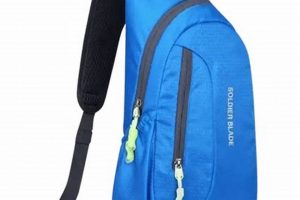
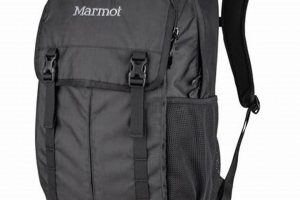
The equipment serves as a specialized carrying system designed for outdoor activities. It typically incorporates features such as durable materials, multiple compartments, and ergonomic support, optimizing load distribution and user comfort during extended periods of use in natural environments. For example, individuals undertaking multi-day hiking trips often rely on this gear to transport essential supplies.
The benefit is multifaceted, providing organizational efficiency, protection for transported items, and enhanced mobility for the user. Its development reflects an evolution in outdoor recreation, with advancements in materials science and manufacturing techniques contributing to increasingly lightweight and robust designs. Historically, the need for such specialized carrying solutions emerged alongside the growing popularity of wilderness exploration and adventure pursuits.
The subsequent sections will delve into specific attributes of these carrying solutions, including various models, construction materials, design considerations, and practical applications across different outdoor disciplines.
Optimizing Equipment Utilization
This section provides practical guidance on maximizing the functionality and longevity of your outdoor carrying solution.
Tip 1: Load Distribution. Proper weight distribution is critical to minimize strain and maximize comfort. Place heavier items closer to the spine and centered within the pack. Lighter items should occupy the outer compartments and upper sections.
Tip 2: Compartmentalization. Utilize designated compartments for efficient organization. Store frequently accessed items, such as maps, snacks, or rain gear, in readily available pockets. Segregate wet or soiled items to prevent contamination of other contents.
Tip 3: Adjustment and Fit. Ensure correct fit by adjusting shoulder straps, hip belts, and sternum straps. A properly fitted carrying solution distributes weight evenly across the hips and shoulders, reducing pressure points and improving stability.
Tip 4: Weather Protection. Employ a rain cover or waterproof liners to protect contents from moisture. Even water-resistant materials may require additional protection in prolonged or heavy precipitation.
Tip 5: Regular Maintenance. Inspect for wear and tear after each use. Clean dirt and debris with a soft brush and mild soap. Address minor repairs promptly to prevent further damage.
Tip 6: Storage Considerations. When not in use, store in a cool, dry place away from direct sunlight. Avoid compressing under heavy objects to maintain structural integrity.
Implementing these suggestions enhances the utility, durability, and comfort associated with using such equipment. Adherence to these guidelines can improve overall outdoor experience.
The following section will discuss specific applications and use case scenarios.
1. Durability

Durability is a paramount consideration in load-carrying equipment designed for outdoor environments. The ability to withstand stress, resist damage, and maintain functionality over extended periods directly impacts the equipment’s utility and the user’s safety and comfort.
- Material Composition
The selection of materials forms the foundation of durability. High-tenacity nylon, reinforced polyester, and abrasion-resistant fabrics are commonly employed. These materials exhibit superior resistance to tearing, punctures, and degradation from UV exposure. For example, backpacks constructed with ballistic nylon can withstand harsher conditions compared to those utilizing standard fabrics.
- Construction Techniques
Seams, stitching, and overall construction methods significantly influence structural integrity. Reinforced seams, bar-tacked stress points, and durable zippers are essential. Double or triple stitching in high-stress areas distributes load effectively, minimizing the risk of seam failure. Inadequate construction compromises the material’s inherent strength.
- Hardware Components
Buckles, zippers, and other hardware components must endure repeated use and exposure to environmental elements. High-quality hardware, such as YKK zippers or Duraflex buckles, are designed for increased resilience. These components resist breakage, corrosion, and deformation, ensuring reliable performance over time.
- Environmental Resistance
Exposure to moisture, extreme temperatures, and abrasive surfaces can degrade materials and compromise structural integrity. Water-resistant coatings, reinforced bottoms, and protective linings mitigate these effects. Equipment designed for harsh environments often incorporates these features to extend lifespan and maintain functionality.
The interconnectedness of these elements defines the overall durability. Each component contributes to the equipment’s ability to withstand the rigors of outdoor use. Compromises in any area can significantly reduce the equipment’s lifespan and increase the risk of failure in demanding situations.
2. Capacity
Capacity, when discussing load-carrying equipment intended for outdoor use, defines the internal volume available for storing and transporting gear. This attribute directly influences the suitability of equipment for specific activities, dictating the quantity and type of provisions that can be accommodated.
- Volume Measurement and Range
Capacity is typically quantified in liters (L) or cubic inches (cu in). The range varies widely, from compact daypacks (20-35L) suitable for short hikes to expedition packs (65L+) designed for extended backcountry trips. The selection depends on mission duration, environmental conditions, and individual requirements. For example, a multi-day backpacking excursion necessitates a higher capacity to accommodate sleeping systems, cooking equipment, and supplemental supplies, in contrast to shorter ventures.
- Internal Compartmentalization and Organization
Effective compartmentalization maximizes usable space within a given capacity. Internal dividers, pockets, and attachment points facilitate organization, preventing gear from shifting and optimizing accessibility. Dedicated compartments for sleeping bags, water reservoirs, and electronics exemplify these features. Poor internal design can render a significant portion of available volume unusable due to inefficient gear arrangement.
- External Attachment Points and Expandability
External attachment points, such as daisy chains, compression straps, and webbing loops, provide supplemental storage options for items that cannot be accommodated internally. These features allow users to secure trekking poles, ice axes, sleeping pads, and other bulky items to the exterior. Expandable collars or pockets further augment capacity when needed. Overloading external attachment points, however, can compromise stability and increase the risk of equipment damage.
- Weight Considerations and Load Management
Capacity is inextricably linked to weight. Exceeding recommended load limits can compromise structural integrity, increase strain on the user, and negatively impact mobility. Effective load management strategies, including proper weight distribution and the use of supportive suspension systems, are crucial. A high-capacity pack, improperly loaded, may prove less efficient than a smaller pack with optimized weight distribution.
The interplay between volume, organization, external attachment options, and weight considerations determines the practical utility of a given capacity. Selecting the appropriate capacity involves carefully assessing mission requirements and prioritizing gear based on necessity and efficiency to ensure a balanced and manageable load.
3. Comfort

Comfort, in the context of load-carrying equipment for outdoor use, represents a critical attribute influencing the user’s endurance, performance, and overall experience. The design and construction directly determine the degree of comfort, with inadequacies leading to discomfort, fatigue, and potential injuries. A primary factor involves the suspension system, which distributes the load across the wearer’s body. Ergonomic designs, incorporating adjustable shoulder straps, hip belts, and sternum straps, enable customization and optimal weight distribution. Insufficient padding or poorly positioned straps result in localized pressure points, causing discomfort and limiting the duration of comfortable use. For example, extended hiking with a pack lacking adequate lumbar support can induce lower back pain and muscle fatigue.
Materials also contribute significantly to comfort. Breathable fabrics, such as mesh panels on the back and shoulder straps, facilitate ventilation, reducing perspiration and minimizing chafing. Conversely, non-breathable materials trap moisture, increasing friction and discomfort. The integration of features like load lifter straps and compression straps plays a crucial role in maintaining stability and preventing load shifting, further enhancing comfort. The placement and accessibility of pockets also factor into comfort, allowing for convenient access to essential items without requiring the removal of the equipment. Improperly positioned pockets can disrupt the load balance or create pressure points, diminishing comfort.
The integration of ergonomic design, breathable materials, and a customizable suspension system directly influences the overall comfort. The understanding of these factors is crucial for manufacturers in designing effective carrying solutions and for users in selecting equipment suited to individual needs and intended activities. Neglecting the comfort aspect may lead to compromised performance, increased risk of injury, and diminished enjoyment of outdoor pursuits. Prioritizing ergonomic design and appropriate materials leads to carrying solutions that enhance both performance and user satisfaction.
4. Organization

Organization, within the context of load-carrying equipment designed for outdoor activities, represents a critical element of functionality, directly affecting user efficiency and accessibility to essential gear. Effective organizational features optimize space utilization, reduce search time, and contribute to a more streamlined and secure carrying system.
- Internal Compartmentalization
Internal compartments, dividers, and pockets facilitate the segregation of different types of equipment. Dedicated sleeves for hydration reservoirs, padded compartments for electronics, and zippered mesh pockets for small items enable efficient organization. Proper compartmentalization prevents items from shifting during movement, reducing the risk of damage and improving weight distribution. For example, separating wet clothing from dry gear minimizes contamination and maintains the integrity of critical items.
- External Accessibility
Externally accessible pockets and attachment points provide convenient access to frequently needed items without requiring the equipment to be opened. Side pockets for water bottles, front pockets for maps, and lid pockets for small essentials reduce search time and enhance operational efficiency. These features enable users to quickly access essential items such as navigation tools, communication devices, and first-aid supplies. Easy access minimizes disruptions and enhances the user’s ability to respond effectively to changing conditions.
- Compression Straps and Load Stabilization
Compression straps secure the load and minimize shifting during movement. By compressing the contents, these straps reduce volume and enhance stability, particularly when the equipment is not fully loaded. Compression straps also serve as external attachment points for securing items such as sleeping pads or trekking poles. Proper load stabilization enhances balance and reduces strain on the user’s back and shoulders.
- Color-Coding and Labeling Systems
Color-coding and labeling systems provide a visual method for identifying the contents of different compartments. Assigning specific colors to designated categories of gear, such as red for first-aid supplies or blue for water-related items, allows for quick identification and retrieval. Clear labeling of compartments further enhances organization and reduces the likelihood of errors in critical situations. These systems contribute to enhanced efficiency and improved response times in dynamic outdoor environments.
Efficient organization maximizes usability, improving overall performance. Prioritizing organizational features leads to a more streamlined, efficient, and secure carrying system, enhancing both user satisfaction and operational effectiveness.
5. Accessibility

Accessibility, as it pertains to load-carrying equipment designed for outdoor applications, represents a critical design consideration. It dictates the ease and speed with which users can retrieve essential items. The efficiency of access directly impacts user safety, comfort, and overall operational effectiveness in dynamic environments.
- External Pocket Placement
Strategic placement of external pockets directly influences accessibility. Readily accessible pockets on the sides, front, and lid of the pack facilitate quick retrieval of frequently used items such as water bottles, maps, and snacks. The absence of strategically placed external pockets necessitates opening the main compartment, resulting in time delays and potential exposure of contents to the elements. For instance, a side pocket designed to accommodate a water bottle enables hydration without halting progress.
- Zipper Design and Placement
Zipper design and placement are integral to accessibility. Durable, weather-resistant zippers with easily graspable pulls allow for quick and efficient access to compartments. Strategic placement of zippers, such as full-length side zippers, enables access to items deep within the main compartment without unpacking the entire contents. Conversely, poorly designed or placed zippers may impede access, particularly when wearing gloves or under adverse weather conditions.
- Attachment Points and Modularity
External attachment points and modularity enhance accessibility by providing options for attaching frequently used items to the exterior of the equipment. Daisy chains, webbing loops, and MOLLE (Modular Lightweight Load-carrying Equipment) compatibility enable users to customize the configuration and accessibility of their gear. For example, attaching a first-aid kit or communication device to an external attachment point ensures rapid access in emergency situations. The lack of such features limits customization and forces users to rely on internal storage, reducing access efficiency.
- Main Compartment Access
The design of the main compartment access point directly impacts the ease of loading, unloading, and retrieving items. Top-loading designs with drawcord closures offer simplicity but may require extensive unpacking to access items at the bottom. Panel-loading designs, with zippered access to the entire main compartment, provide greater accessibility and organizational flexibility. Hybrid designs, combining top-loading and panel-loading features, offer a compromise between simplicity and accessibility. The selection of the main compartment access design should align with the intended use and the user’s organizational preferences.
The optimization of pocket placement, zipper design, attachment points, and main compartment access directly influences the usability. Prioritizing accessibility results in more efficient and responsive carrying solutions, increasing user satisfaction and improving overall performance in demanding outdoor conditions.
6. Weather Resistance

Weather resistance constitutes a critical attribute in load-carrying equipment intended for outdoor use, particularly when considering the unpredictable nature of environmental conditions. Effective weather resistance protects contents from moisture, ultraviolet radiation, and temperature fluctuations, ensuring the integrity and functionality of carried items.
- Material Selection and Construction
The choice of materials and construction techniques directly affects weather resistance. Fabrics such as high-denier nylon and polyester, often treated with durable water repellent (DWR) coatings, provide a primary barrier against moisture penetration. Seams represent a vulnerable point; therefore, taped or welded seams offer enhanced protection. For instance, a pack constructed from coated nylon with taped seams effectively repels rain and snow, maintaining the dryness of internal contents. Conversely, untreated materials and poorly sealed seams compromise weather resistance, leading to potential water damage.
- Waterproof Liners and Covers
Waterproof liners and covers provide an additional layer of protection against inclement weather. Internal dry bags safeguard sensitive items such as electronics and sleeping bags, while external rain covers offer comprehensive protection for the entire pack. These accessories provide a modular approach to weather resistance, allowing users to adapt to changing conditions. For example, deploying a rain cover during a sudden downpour shields the pack from saturation, preserving the dryness of its contents. Without such measures, prolonged exposure to moisture can degrade equipment and compromise its functionality.
- Zipper and Closure Systems
Zipper and closure systems must resist water ingress to maintain weather resistance. Water-resistant zippers, featuring coated or laminated tapes, minimize water penetration. Storm flaps or rain gutters provide an additional barrier, deflecting water away from the zipper track. Roll-top closures, commonly found on dry bags and some packs, offer a highly effective seal against water. The integrity of these closure systems is paramount. Degraded or improperly sealed zippers and closures can permit water infiltration, negating the protective benefits of other weather-resistant features.
- UV Resistance and Temperature Stability
Beyond moisture protection, resistance to ultraviolet (UV) radiation and temperature fluctuations is essential for long-term durability. Prolonged exposure to UV radiation can degrade fabrics, causing them to weaken and fade. Temperature extremes can affect the flexibility and integrity of materials. Manufacturers often incorporate UV inhibitors into fabrics and utilize materials with inherent temperature stability to mitigate these effects. For example, fabrics treated with UV protectants resist degradation from sunlight, extending the lifespan of the equipment. Lack of UV resistance can result in premature material failure, compromising the pack’s overall integrity.
The interaction of material selection, construction techniques, waterproof accessories, and closure systems determines the overall weather resistance. Prioritizing weather resistance leads to more reliable and durable load-carrying equipment, ensuring the protection and functionality of carried items in diverse environmental conditions.
Frequently Asked Questions
The following addresses common inquiries regarding load-carriage solutions designed for wilderness environments. Information is provided to clarify specifications and usage parameters.
Question 1: What distinguishes specialized carrying systems from conventional rucksacks?
Specialized carrying systems integrate ergonomic designs, durable materials, and load-bearing capabilities optimized for outdoor activities. Conventional rucksacks often lack these specific features, rendering them less suitable for demanding environments.
Question 2: How is capacity measured in load-carrying equipment?
Capacity is quantified in liters (L) or cubic inches, reflecting the internal volume available for storing gear. The measurement indicates the maximum amount of equipment the carrying system can accommodate, not the maximum permissible weight.
Question 3: What materials are typically utilized in the construction of rugged carrying equipment?
High-tenacity nylon, reinforced polyester, and abrasion-resistant fabrics are commonly employed to ensure durability. These materials exhibit resistance to tearing, punctures, and environmental degradation.
Question 4: How should weight be distributed within the carrying system for optimal comfort?
Heavier items should be positioned closer to the spine and centered within the pack. Lighter items should occupy the outer compartments and upper sections to maintain balance and minimize strain.
Question 5: What maintenance procedures prolong the lifespan of specialized load-carrying equipment?
Regular inspection for wear and tear, cleaning with mild soap and water, and prompt repair of minor damage are essential. Proper storage in a cool, dry location when not in use further extends the equipment’s lifespan.
Question 6: How does weather resistance influence the selection of load-carrying equipment?
Weather resistance is paramount for protecting gear from moisture and environmental exposure. The selection of equipment with waterproof materials, taped seams, and water-resistant zippers minimizes the risk of water damage and ensures the functionality of carried items.
The information provided clarifies specifications, best practices, and maintenance procedures for specialized carrying systems.
The subsequent section will explore specific models and their suitability for particular applications.
Comprehensive Evaluation of Equipment
This exposition has detailed vital considerations associated with load-carrying equipment. Durability, capacity, comfort, organization, accessibility, and weather resistance constitute essential performance indicators. The “alps outdoorz backpack” exemplifies a category of specialized equipment designed for the rigors of outdoor pursuits, and users should weigh these factors against their specific needs.
A thorough understanding of design principles and material properties is instrumental in selecting appropriate equipment. Continued advancements in materials science and manufacturing techniques promise further refinements, enhancing both the performance and longevity of load-carrying solutions. Users are encouraged to conduct due diligence, consult expert opinions, and prioritize equipment meeting mission-critical requirements to ensure safety and operational success.
![The Best Good Motorcycle Backpack [Review 2024] | Ultimate Backpack Traveler Guide: Tips, Destinations & Budget Hacks](https://backpack-traveler.com/wp-content/uploads/2026/05/th-245-300x200.jpg "The Best Good Motorcycle Backpack [Review 2024] Ultimate Backpack Traveler Guide: Tips, Destinations & Budget Hacks")