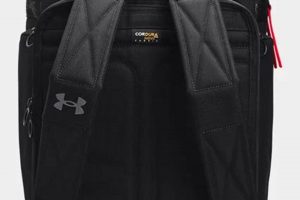
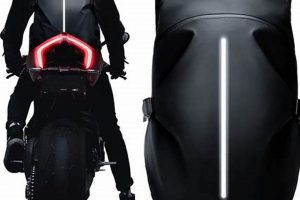
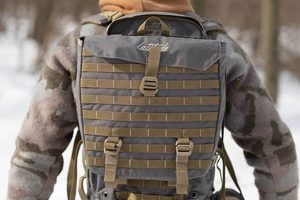
Backpacks specifically designed for cycling prioritize ergonomic comfort, secure load carriage, and enhanced safety during rides. These bags typically feature streamlined profiles to minimize wind resistance, adjustable straps for a customized fit, and specialized compartments to accommodate cycling-specific gear, such as hydration reservoirs, tools, and spare tubes. For example, a cycling backpack might include a sternum strap to prevent bouncing, a reflective rain cover for increased visibility, and a padded back panel for ventilation and comfort.
The utility of purpose-built cycling backpacks lies in their ability to improve the overall riding experience. By distributing weight evenly and securing essential items, these backpacks minimize rider fatigue and distraction. Historically, cyclists often relied on generic backpacks or cumbersome panniers, but the development of cycling-specific backpacks represents a significant advancement, offering improved performance and safety. This enhancement allows riders to carry necessary equipment without compromising balance or maneuverability, crucial for both recreational and competitive cycling.
Therefore, evaluating the best options requires considering factors such as capacity, ventilation, weather resistance, and specialized features. The subsequent sections will delve into a detailed analysis of these key elements, providing a framework for selecting a suitable option based on individual needs and riding conditions. This includes looking at size, materials, and additional technologies to help you find the perfect backpack.
Essential Considerations for Cycling-Specific Backpack Selection
Selecting an appropriate cycling backpack requires careful evaluation of several key features to ensure optimal performance and safety. The following tips provide guidance for making an informed decision.
Tip 1: Capacity Assessment: Determine the required volume based on typical ride duration and anticipated cargo. A shorter commute might necessitate a smaller pack (10-15 liters), while longer rides or tours may require a larger capacity (20-30+ liters) to accommodate extra clothing, food, and tools.
Tip 2: Ergonomic Design Evaluation: Prioritize backpacks with adjustable shoulder straps, sternum straps, and waist belts. These features ensure a secure and stable fit, minimizing movement and preventing discomfort during active riding. Contoured back panels with ventilation channels also enhance airflow and reduce perspiration.
Tip 3: Hydration System Integration: Opt for backpacks compatible with hydration reservoirs, allowing for convenient hands-free hydration. Consider reservoir capacity (1.5-3 liters) based on ride length and environmental conditions. Look for features such as insulated sleeves to maintain water temperature and bite valves with shut-off mechanisms to prevent leakage.
Tip 4: Weather Resistance Considerations: Evaluate the backpack’s material and construction for water resistance or waterproofing. Features such as integrated rain covers or durable, water-repellent fabrics provide protection against inclement weather. Sealed zippers and taped seams further enhance weather protection.
Tip 5: Visibility Enhancement: Select backpacks with reflective accents, bright colors, or integrated LED lights to increase visibility in low-light conditions. Position reflective elements strategically on the backpack’s exterior to maximize visibility from multiple angles.
Tip 6: Compartmentalization and Organization: Look for backpacks with multiple compartments and pockets to organize gear efficiently. Dedicated compartments for tools, electronics, and personal items prevent items from shifting during rides and ensure easy access.
In summary, selecting a cycling backpack involves a comprehensive assessment of capacity, ergonomics, hydration compatibility, weather resistance, visibility, and organizational features. Prioritizing these factors will contribute to a safer and more comfortable riding experience.
The subsequent section will provide recommendations for specific backpack models based on various riding styles and preferences, offering a practical guide for making a final selection.
1. Capacity

Capacity, measured in liters, represents a critical determinant in assessing the suitability of cycling backpacks. Insufficient capacity limits the ability to carry essential items, while excessive capacity can lead to unnecessary weight and instability, impacting the rider’s balance and comfort. The optimal capacity aligns with the specific needs of the ride.
- Ride Duration and Distance
Shorter commutes or recreational rides typically require less capacity. A pack in the 10-15 liter range often suffices for carrying a water bottle, a small tool kit, and a lightweight jacket. Conversely, longer rides or multi-day tours demand greater capacity (20-30+ liters) to accommodate extra layers, nutrition, repair equipment, and potentially overnight essentials. For instance, a bikepacking trip might necessitate a backpack exceeding 30 liters, whereas a daily commute could be efficiently managed with a 12-liter pack.
- Essential Gear and Equipment
The type of gear carried directly influences the necessary capacity. Cyclists who prioritize self-sufficiency may carry items such as a spare tube, tire levers, a multi-tool, a mini-pump, and a first-aid kit. These items necessitate additional volume within the backpack. Similarly, those who commute to work may need to accommodate a change of clothes, a laptop, and personal items. A minimalist approach to packing reduces the required capacity, whereas a comprehensive approach necessitates a larger pack.
- Hydration System Integration
The inclusion of a hydration reservoir impacts the effective capacity of the backpack. While the reservoir itself contributes to the overall volume, it also occupies space that could otherwise be used for other gear. A 3-liter hydration reservoir, when filled, adds approximately 3 kilograms to the backpack’s weight. Backpacks designed with dedicated hydration compartments often feature specific shapes and dimensions, influencing the available space for other items. Balancing hydration needs with gear capacity is crucial.
- Weight Distribution and Stability
Capacity also influences weight distribution, which affects the cyclist’s stability and control. A backpack that is overfilled or improperly packed can lead to an uneven distribution of weight, causing the rider to feel unbalanced or strained. Packing heavier items closer to the rider’s center of gravity and securing loose items prevents excessive movement and maintains stability. Selecting a backpack with appropriate capacity promotes optimal weight distribution and enhances riding performance.
Consequently, the selection of a cycling backpack necessitates careful consideration of capacity, factoring in ride duration, required gear, hydration needs, and weight distribution. An appropriately sized backpack enhances comfort, stability, and overall riding experience. A mismatch between capacity and needs can lead to discomfort, inefficiency, and even safety hazards.
2. Ergonomics

Ergonomics forms a cornerstone in evaluating the suitability of cycling backpacks. A backpack lacking ergonomic design can induce discomfort, muscle fatigue, and potentially long-term physical strain. Therefore, the connection between ergonomic principles and backpack design directly impacts the rider’s well-being and performance. Ill-fitting packs can lead to back pain, shoulder impingement, and restricted breathing, severely impacting the cycling experience. A well-designed pack distributes weight evenly, minimizing pressure points and promoting a natural riding posture. This is essential for preventing injury and maintaining efficiency over extended rides.
Specific ergonomic features contribute significantly to a backpack’s overall effectiveness. Adjustable shoulder straps allow cyclists to customize the fit according to their torso length, ensuring the pack rests comfortably on their back. Sternum straps stabilize the load, preventing excessive bouncing or shifting during active movements. Padded and ventilated back panels enhance airflow, reducing perspiration and maintaining comfort in varying weather conditions. The design of the hip belt, when present, is also critical. It should transfer a significant portion of the pack’s weight to the hips, minimizing strain on the shoulders and back. Consider a long-distance cyclist carrying a poorly designed backpack: the resulting pain and fatigue could dramatically shorten their ride and potentially lead to chronic injuries. Conversely, a cyclist using a pack with appropriate ergonomic features can ride comfortably for extended periods, maintaining optimal performance.
In conclusion, ergonomics is not merely a desirable feature in cycling backpacks but an essential design consideration that directly affects rider comfort, performance, and long-term health. Prioritizing ergonomic design promotes a more enjoyable and sustainable cycling experience. The careful selection of a backpack with appropriate ergonomic features can mitigate potential physical strain and allow cyclists to focus on the ride itself, enhancing both efficiency and well-being. Failing to account for these principles can lead to discomfort and injury, making an understanding of ergonomics vital for any cyclist.
3. Hydration
Effective hydration is a cornerstone of cycling performance and safety. A cyclist’s ability to maintain adequate fluid levels directly impacts endurance, cognitive function, and overall well-being. Backpacks designed specifically for cycling frequently incorporate features to facilitate effortless and continuous hydration during rides. The integration of these hydration systems represents a significant advancement over carrying water bottles, which require riders to interrupt their momentum and potentially compromise safety.
- Reservoir Capacity and Placement
Backpack hydration systems typically utilize a reservoir, or bladder, ranging in capacity from 1.5 to 3 liters. The selection of an appropriate reservoir size depends on ride duration, intensity, and environmental conditions. The reservoir’s placement within the backpack is critical. A dedicated compartment, often located close to the rider’s back, ensures even weight distribution and minimizes shifting during movement. Some backpacks feature insulated reservoirs to maintain water temperature for extended periods, preventing water from becoming excessively warm during hot weather rides. For example, a long-distance mountain biker might require a 3-liter reservoir, while a shorter urban commute might necessitate only a 1.5-liter option.
- Hydration Hose Routing and Accessibility
The routing of the hydration hose influences the ease of access to water while cycling. The hose should be securely attached to the backpack and positioned to allow for comfortable drinking without excessive reaching or head movement. Many backpacks feature magnetic clips or other retention systems to keep the hose readily available. Bite valves, located at the end of the hose, regulate water flow and prevent leakage. These valves often incorporate a shut-off mechanism to prevent accidental water loss during transport or storage. Improper hose routing can lead to entanglement or require excessive maneuvering, detracting from the riding experience and potentially creating hazardous situations.
- Cleaning and Maintenance Considerations
Maintaining the cleanliness of the hydration system is essential for preventing bacterial growth and ensuring water quality. Reservoirs should be regularly cleaned with mild soap and water, and thoroughly dried before storage. Specialized cleaning kits, including brushes and drying racks, are available to facilitate this process. Some reservoirs feature wide-mouth openings for easier cleaning and filling. Failure to properly maintain the hydration system can lead to unpleasant tastes, odors, and potentially harmful contamination. Neglecting cleaning protocols can negate the benefits of carrying a hydration system altogether.
- Integration with Backpack Design and Features
A well-designed cycling backpack integrates the hydration system seamlessly with other features, such as storage compartments, ventilation channels, and adjustable straps. The hydration compartment should be easily accessible for filling and emptying the reservoir. Backpacks may include features such as insulated hose sleeves to prevent water from freezing in cold weather. The overall design should prioritize rider comfort and convenience while ensuring the reliable function of the hydration system. An example of poor integration would be a hydration compartment that encroaches excessively on storage space or a hose routing system that interferes with other features.
In essence, the integration of hydration systems into cycling backpacks represents a critical aspect of their overall utility. Backpacks engineered to accommodate hydration offer cyclists a convenient and efficient means of maintaining adequate fluid intake, thereby enhancing performance and safety during rides. The selection of a backpack with an appropriate hydration system requires careful consideration of reservoir capacity, hose routing, maintenance requirements, and integration with other design features. Prioritizing these elements ensures that the hydration system serves as a valuable asset rather than a hindrance.
4. Weatherproof
Weatherproof characteristics are paramount in determining the suitability of backpacks for cycling, given the inherently exposed nature of the activity. A backpack’s ability to protect its contents from environmental elements directly impacts the rider’s comfort, safety, and the longevity of carried equipment. The unpredictable nature of weather necessitates robust protection against moisture, dust, and other potential contaminants.
- Material Composition and Water Resistance
The selection of materials significantly influences a backpack’s weatherproof capabilities. Durable, water-resistant fabrics, such as nylon with a polyurethane (PU) coating or polyester with a durable water repellent (DWR) finish, provide an initial barrier against moisture penetration. Higher denier fabrics offer increased tear resistance and enhanced protection against abrasion. For example, a backpack constructed from 600D nylon with a PU coating will offer greater water resistance compared to a backpack made from uncoated polyester. The hydrostatic head rating of a fabric indicates its resistance to water pressure; higher ratings signify superior waterproofness. However, it’s crucial to differentiate between water resistance and waterproofing, as prolonged exposure to heavy rain may overwhelm water-resistant materials.
- Seam Construction and Sealing Techniques
Even with water-resistant fabrics, water can infiltrate through seams. Effective seam construction and sealing techniques are essential for preventing water ingress. Taped seams, where waterproof tape is applied to the inside of seams, create a watertight barrier. Welded seams, which fuse fabric panels together without stitching, offer an even more robust waterproof solution. The absence of proper seam sealing renders a backpack vulnerable to water intrusion, regardless of the fabric’s inherent water resistance. The quality of seam sealing directly correlates with the backpack’s ability to withstand prolonged exposure to wet conditions.
- Zipper Design and Weather Protection
Zippers represent potential points of weakness in a backpack’s weatherproofing. Standard zippers offer minimal protection against water penetration. Water-resistant zippers, often featuring a polyurethane coating or a flap that covers the zipper track, provide enhanced protection. Waterproof zippers, designed with interlocking teeth and a tight seal, offer the highest level of protection against water intrusion. The choice of zipper type should align with the intended use of the backpack and the anticipated level of exposure to wet conditions. For instance, a cyclist commuting in a rainy climate should prioritize a backpack with waterproof zippers.
- Integrated Rain Covers and Additional Features
Integrated rain covers provide an additional layer of protection against the elements. These covers, typically stored in a dedicated pocket, can be quickly deployed to shield the entire backpack from rain or snow. Some backpacks incorporate design features such as storm flaps over zippers, drawcord closures on main compartments, and water-resistant pockets for sensitive electronics. These features contribute to the overall weatherproof performance of the backpack and enhance its ability to protect its contents in challenging weather conditions. The presence of an integrated rain cover serves as a versatile safeguard against unpredictable weather patterns encountered during cycling activities.
The weatherproof attributes of a cycling backpack are integral to its functionality and the preservation of carried items. An informed selection process involves careful consideration of material composition, seam construction, zipper design, and the presence of additional protective features. A backpack with robust weatherproof characteristics enhances the rider’s comfort, protects valuable equipment, and ensures a more enjoyable and reliable cycling experience, irrespective of the prevailing weather conditions.
5. Visibility

Visibility is a non-negotiable attribute of effective cycling backpacks. A cyclist’s conspicuity, particularly during low-light conditions or in high-traffic environments, is directly correlated with safety. Backpacks that enhance a rider’s visual presence mitigate the risk of collisions and contribute to a more secure cycling experience.
- Reflective Material Placement and Coverage
Strategic placement of reflective materials on a cycling backpack significantly enhances its visibility. Reflective panels or strips should be positioned on multiple surfaces, including the front, sides, and back of the pack, to ensure visibility from various angles. Increased surface area coverage with reflective materials amplifies the backpack’s visibility, particularly when illuminated by vehicle headlights. For example, reflective piping along the edges of the backpack, coupled with a large reflective panel on the back, provides comprehensive visibility in low-light situations. This comprehensive coverage informs drivers of the cyclist’s presence and intentions, improving safety.
- High-Visibility Colors and Contrasting Elements
The base color of the backpack, in addition to reflective elements, influences its visibility. Fluorescent colors, such as neon yellow or orange, exhibit heightened visibility during daylight hours and in overcast conditions. Contrasting elements, such as black accents against a bright background, further enhance the backpack’s visual prominence. These color choices enable the backpack to stand out against the surrounding environment, making the cyclist more easily discernible to other road users. A cyclist wearing a brightly colored backpack is inherently more visible than one wearing a dark or muted color, especially in complex visual environments.
- Integrated LED Lighting Systems
Some cycling backpacks incorporate integrated LED lighting systems to augment visibility. These lights, often powered by rechargeable batteries, can be set to steady or flashing modes to attract attention. Strategic placement of LED lights on the backpack, such as on the back or sides, provides enhanced visibility, particularly during nighttime riding. Integrated LED lights offer a proactive approach to visibility enhancement, alerting drivers and pedestrians to the cyclist’s presence even in the absence of direct illumination. The use of LED lights significantly increases a cyclist’s chances of being seen by motorists.
- Compatibility with Accessory Lights and Reflective Gear
Cycling backpacks designed with visibility in mind often feature attachment points or loops for accessory lights and reflective gear. These attachment points enable cyclists to customize their visibility based on specific riding conditions. For example, a cyclist might attach a flashing rear light to the backpack for added visibility during nighttime rides or clip on reflective streamers for enhanced visibility in inclement weather. Compatibility with accessory lights and reflective gear allows cyclists to tailor their visibility to the specific demands of their environment. This adaptability provides a means of maximizing conspicuity in a range of scenarios.
In summation, visibility constitutes an indispensable characteristic of effective cycling backpacks. By strategically incorporating reflective materials, high-visibility colors, integrated LED lighting systems, and compatibility with accessory gear, cycling backpacks can significantly enhance a rider’s conspicuity and contribute to a safer cycling experience. The integration of these visibility-enhancing features underscores the commitment to rider safety and transforms the backpack into a proactive safety device.
6. Organization

Organization, in the context of cycling backpacks, refers to the internal arrangement and compartmentalization designed to facilitate efficient storage, access, and protection of carried items. The effectiveness of a cycling backpack is significantly influenced by its organizational capabilities. A well-organized backpack allows cyclists to readily locate and retrieve essential gear, minimizing distractions and enhancing safety. Conversely, a poorly organized backpack can lead to frustration, delays, and potential hazards, particularly in situations requiring quick access to tools or emergency supplies. Therefore, internal arrangement directly affects the user’s experience and functionality of this kind of product.
The practical significance of organization becomes evident in various real-life cycling scenarios. Consider a cyclist experiencing a flat tire during a ride. A backpack with dedicated compartments for tools, a spare tube, and a pump allows for rapid retrieval and efficient tire repair. Conversely, if these items are jumbled together within a single compartment, the cyclist wastes valuable time searching, potentially prolonging exposure to traffic hazards. Similarly, a cyclist carrying electronic devices or sensitive items benefits from dedicated padded compartments that offer protection against impact and vibration. A structured organizational system helps prevent damage to valuable equipment, extending its lifespan and minimizing replacement costs. For instance, a backpack with separate compartments for wet and dry clothing can prevent moisture damage to sensitive electronics and preserve the integrity of essential garments.
In conclusion, organizational capabilities form a crucial dimension of effective cycling backpacks. By facilitating efficient storage, access, and protection of carried items, a well-organized backpack enhances rider safety, convenience, and overall cycling experience. The ability to quickly locate and retrieve essential gear, prevent damage to valuable equipment, and maintain a structured arrangement of carried items translates to tangible benefits for cyclists in diverse riding situations. Prioritizing organizational features during backpack selection aligns with a practical approach to enhancing cycling performance and minimizing potential risks.
Frequently Asked Questions
This section addresses common inquiries regarding cycling backpacks, providing clear and concise answers to enhance understanding and inform purchasing decisions.
Question 1: What distinguishes a cycling backpack from a regular backpack?
Cycling backpacks are specifically engineered for the demands of cycling. Key differentiators include ergonomic designs for comfortable load carriage during active movement, streamlined profiles to minimize wind resistance, and integrated features such as hydration systems and reflective elements to enhance safety and convenience. Regular backpacks lack these cycling-specific design elements.
Question 2: How is the capacity of a cycling backpack best determined?
Capacity selection depends on the intended use and the duration of the rides. Shorter commutes or recreational rides may require a smaller capacity (10-15 liters), while longer rides or tours necessitate a larger capacity (20-30+ liters) to accommodate extra clothing, tools, and supplies. Consider the volume of essential items and factor in the integration of a hydration reservoir when determining the appropriate capacity.
Question 3: What ergonomic features contribute to a comfortable cycling backpack?
Essential ergonomic features include adjustable shoulder straps, sternum straps, and waist belts to ensure a secure and stable fit. Contoured back panels with ventilation channels enhance airflow and reduce perspiration. A well-designed hip belt, when present, transfers a significant portion of the pack’s weight to the hips, minimizing strain on the shoulders and back.
Question 4: How can the weatherproof performance of a cycling backpack be assessed?
Evaluate the backpack’s material composition, seam construction, and zipper design. Durable, water-resistant fabrics with taped or welded seams provide protection against moisture. Water-resistant or waterproof zippers prevent water ingress. An integrated rain cover offers an additional layer of protection in inclement weather.
Question 5: What are the most effective ways to enhance visibility using a cycling backpack?
Strategic placement of reflective materials on the front, sides, and back of the backpack significantly enhances visibility. High-visibility colors, such as neon yellow or orange, further increase conspicuity. Integrated LED lighting systems provide an additional layer of visibility, particularly during nighttime riding.
Question 6: What organizational features improve the functionality of a cycling backpack?
Multiple compartments and pockets facilitate efficient organization of gear. Dedicated compartments for tools, electronics, and personal items prevent items from shifting during rides and ensure easy access. Padded compartments offer protection for sensitive electronics. Separate compartments for wet and dry clothing prevent moisture damage.
In summary, selecting a cycling backpack requires careful consideration of capacity, ergonomics, weatherproof performance, visibility, and organizational features. Prioritizing these elements contributes to a safer and more comfortable cycling experience.
The subsequent section will delve into specific backpack models categorized by their intended use case.
Concluding Remarks on Selecting Effective Cycling Backpacks
The preceding analysis has explored the essential attributes that define effective cycling backpacks. Factors such as capacity, ergonomics, hydration integration, weatherproof construction, visibility enhancement, and organizational design have been examined in detail. The selection of a cycling backpack demands a comprehensive assessment of these elements to ensure optimal performance, safety, and comfort during cycling activities. Prioritizing these characteristics leads to a product aligned with the rigorous demands of the sport.
Investing in a cycling backpack that meets individual needs represents a commitment to enhancing the overall riding experience. Further research and careful consideration of specific riding conditions are encouraged to facilitate informed purchasing decisions. Ultimately, selecting a well-suited backpack empowers cyclists to pursue their endeavors with greater confidence, security, and efficiency. The correct choice is key for a successful outcome in this pursuit.