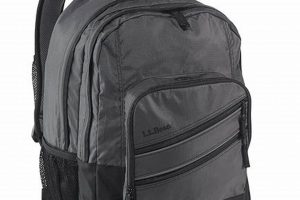
A specialized carrier designed for felines allows owners to transport their pets conveniently and safely. Typically constructed from durable, breathable materials, it often features a transparent window or mesh panels to provide ventilation and a view for the animal. An example would be a structured bag with adjustable straps, enabling an individual to carry their cat on their back while maintaining comfort and security for both parties.
The usefulness of such a product stems from its ability to facilitate pet ownership in diverse situations. It enables participation in activities previously restricted due to the challenges of managing a free-roaming animal. Furthermore, it provides a secure and familiar environment for the cat, reducing stress during travel or visits to unfamiliar locations. Historically, carriers have evolved from basic cages to more ergonomically designed solutions that prioritize both animal welfare and owner convenience.
The following sections will delve into crucial aspects related to feline-specific carriers, including factors to consider when selecting an appropriate model, safety precautions for its use, and practical advice on acclimating a cat to being transported within it.
Tips for Choosing and Using a Feline Carrier
Selecting and utilizing a carrier for a cat requires careful consideration to ensure the animal’s safety and comfort. The following tips provide guidance for making informed decisions and establishing positive associations.
Tip 1: Prioritize Size and Comfort. The carrier should be large enough for the cat to stand, turn around, and lie down comfortably. Ample space minimizes stress and allows for natural movement.
Tip 2: Assess Ventilation and Visibility. Adequate airflow is essential to prevent overheating and anxiety. Mesh windows or ventilation holes should be strategically placed. A clear window allows the cat to observe its surroundings, potentially reducing fear.
Tip 3: Evaluate Material Durability and Cleanliness. Opt for sturdy, scratch-resistant materials that can withstand wear and tear. The carrier should be easy to clean and disinfect to maintain hygiene.
Tip 4: Introduce the Carrier Gradually. Do not force the cat into the carrier. Leave it open in a familiar area and encourage exploration by placing treats or toys inside. Gradual exposure fosters positive associations.
Tip 5: Secure the Carrier During Transport. When traveling by car, always secure the carrier with a seatbelt or other restraint system. This prevents the carrier from sliding or tipping, which could injure the cat.
Tip 6: Observe the Cat’s Behavior. Monitor the cat for signs of distress, such as excessive panting, vocalization, or attempts to escape. Adjust the environment to address any issues.
Tip 7: Consider Carrier Style Based on Cats Personality. Some cats prefer a top-loading carrier, while others are more comfortable with a front-entry model. Understanding the animals preferences can ease the process.
Adhering to these guidelines promotes responsible pet ownership and ensures the cat experiences reduced anxiety during transport. A well-chosen and properly introduced carrier can significantly improve the overall experience for both the animal and the owner.
The next section will address common challenges and provide troubleshooting advice for acclimating cats to carriers.
1. Ventilation

Adequate ventilation is a crucial design aspect in feline carriers, including those marketed as “kitty backpacks.” Insufficient airflow can lead to a rapid increase in temperature and humidity within the enclosed space, potentially causing discomfort, overheating, or even heatstroke in the animal. The size, number, and placement of ventilation openings directly impact the internal environment of the carrier. For instance, a carrier constructed of solid, impermeable materials with only a small opening may create a stifling atmosphere, especially in warm weather. Conversely, a design incorporating strategically placed mesh panels allows for consistent airflow, dissipating heat and providing the cat with a more comfortable and less stressful experience.
The correlation between ventilation and the well-being of the transported feline is directly proportional. A well-ventilated carrier can significantly reduce anxiety, as the constant supply of fresh air mitigates the feeling of confinement and reduces the buildup of unpleasant odors. In contrast, a poorly ventilated carrier can exacerbate anxiety and potentially trigger panic. For example, a cat prone to motion sickness might experience heightened nausea in a carrier with limited ventilation due to the accumulation of stale air and the amplified perception of movement. Therefore, the design and materials chosen for “kitty backpacks” should prioritize breathability and air circulation.
In summary, ventilation is not merely an ancillary feature, but a fundamental requirement for any feline carrier, especially “kitty backpacks.” Its impact on the animal’s physiological and psychological well-being is significant. Choosing a carrier with ample, well-positioned ventilation openings is essential for ensuring the cat’s safety and comfort during transport. A failure to adequately address this concern can lead to potentially dangerous and distressing situations. Future research should focus on optimizing ventilation designs in carriers to further enhance animal welfare during travel.
2. Durability
Durability, in the context of feline carriers such as “kitty backpacks,” represents a critical factor directly influencing the safety, longevity, and overall value of the product. The carrier’s ability to withstand wear, tear, and potential impacts ensures the well-being of the transported animal and the continued usability of the product.
- Material Strength
The type of material used in the construction of a “kitty backpack” dictates its resistance to punctures, tears, and abrasions. High-density fabrics like reinforced nylon or polyester, or rigid materials such as hard-shell plastics, offer superior protection against external forces. For instance, a carrier made of thin, easily torn fabric presents a higher risk of failure during transit, potentially leading to the cat escaping or sustaining injuries. Conversely, a robust material significantly reduces this risk.
- Structural Integrity
The construction methods employed and the strength of the seams and joints determine the overall structural integrity of the “kitty backpack”. Weak stitching or poorly secured components can compromise the carrier’s ability to maintain its shape and withstand stress. An example would be a carrier with poorly attached straps that detach under weight, leading to a potential fall. A well-engineered design with reinforced seams and secure hardware ensures that the carrier remains intact even under duress.
- Resistance to Environmental Factors
The materials used in a “kitty backpack” should also exhibit resistance to environmental factors such as moisture, UV radiation, and extreme temperatures. Prolonged exposure to these elements can degrade the materials, weakening the carrier’s structure and compromising its protective capabilities. For example, a carrier made of a material that fades and cracks under sunlight may become brittle and prone to breakage over time. UV-resistant and waterproof materials enhance the product’s longevity and reliability.
- Hardware Quality
Zippers, buckles, and other hardware components play a crucial role in securing the cat within the carrier and ensuring ease of use for the owner. Low-quality or flimsy hardware can fail prematurely, compromising the carrier’s functionality and safety. A “kitty backpack” with a zipper that easily breaks or a buckle that snaps open presents a significant risk. Durable, high-quality hardware ensures reliable operation and contributes to the overall safety and security of the carrier.
These multifaceted aspects of durability collectively contribute to the overall value and reliability of a “kitty backpack.” Selecting a carrier that prioritizes robust materials, sound construction, resistance to environmental factors, and high-quality hardware is essential for ensuring the safety and well-being of the transported feline and maximizing the lifespan of the product. The long-term cost-effectiveness of a more durable carrier often outweighs the initial savings associated with a less robust alternative.
3. Comfort

Comfort is a paramount consideration in the design and selection of feline carriers, particularly those in the “kitty backpack” category. The animal’s physical and psychological well-being during transit is directly linked to the level of comfort provided by the carrier. Discomfort can induce stress, anxiety, and even physical harm. Therefore, optimizing comfort features is essential.
- Interior Space and Posture
Adequate interior space is fundamental. The carrier should permit the cat to stand, turn around, and lie down without constraint. A cramped environment can lead to postural discomfort and restricted movement, increasing anxiety. The carrier’s shape should accommodate the feline anatomy in various positions, allowing natural resting postures. For instance, a backpack with a sloped interior roof might force the cat into an unnatural hunched position, leading to discomfort during longer journeys. Ample vertical and horizontal space mitigates this issue.
- Padding and Support
The presence and quality of internal padding directly impact comfort levels. A well-padded base provides cushioning against bumps and vibrations during transit, reducing stress on the cat’s joints and muscles. Supportive side panels prevent the cat from being jostled around excessively. A lack of adequate padding can result in the cat sliding around inside the carrier, leading to anxiety and potential injury. Removable, washable padding is preferable to maintain hygiene and comfort over time.
- Temperature Regulation
Maintaining a comfortable temperature inside the carrier is crucial. Overheating or excessive cooling can cause significant distress. Adequate ventilation, as previously discussed, plays a vital role. The material used in the carrier’s construction should also be considered. Dark-colored materials absorb more heat, potentially raising the internal temperature. Lightweight, breathable fabrics are preferable for warm climates. In colder climates, insulated carriers or the addition of blankets can help maintain a comfortable temperature.
- Minimizing Sensory Overload
Sensory input, such as excessive light and noise, can contribute to discomfort and anxiety. Carriers with adjustable window coverings allow owners to control the amount of light entering the carrier, reducing glare and minimizing visual stimulation. Noise-dampening materials can help reduce the impact of external sounds. A carrier that provides a degree of sensory isolation can promote a sense of security and reduce stress during travel. For example, some cats are less anxious when provided with a partial visual barrier within the backpack.
In conclusion, comfort is a multi-faceted consideration that directly impacts the feline’s experience when using a “kitty backpack.” Attention to interior space, padding, temperature regulation, and sensory minimization contribute to a more positive and less stressful experience. Failure to prioritize comfort can lead to anxiety, discomfort, and potentially adverse health outcomes. Responsible pet owners should carefully evaluate these factors when selecting a feline carrier to ensure the well-being of their animal.
4. Security
Security represents a primary design consideration in feline carriers, including those designated as “kitty backpacks.” A carrier’s ability to securely contain the animal, prevent escape, and protect it from external hazards directly correlates to its effectiveness and suitability for transporting cats.
- Enclosure Integrity
The structural integrity of the carrier’s enclosure is paramount. Durable materials and robust construction are essential to prevent the cat from breaking through or escaping. Weak seams, flimsy zippers, or easily damaged panels compromise the security of the enclosure. For example, a carrier made of thin, easily torn fabric poses a significant security risk, particularly for anxious or determined felines. Securely fastened closures, reinforced seams, and impact-resistant materials contribute to a robust and reliable enclosure.
- Harness and Leash Attachments
The presence of internal harness or leash attachments provides an additional layer of security. These attachments allow the owner to secure the cat within the carrier, preventing it from bolting out when the carrier is opened. This is particularly important in unfamiliar or stressful environments. A secure attachment point, constructed of durable materials and properly affixed to the carrier’s frame, minimizes the risk of the cat escaping. The leash should be of an appropriate length to allow limited movement while preventing tangling or injury.
- Locking Mechanisms
Secure locking mechanisms on zippers, doors, and other access points prevent accidental opening or escape. Simple snap closures or weak zippers are inadequate for securing a determined feline. Locking zippers, buckle closures, or reinforced latches provide a higher level of security, requiring deliberate action to open. The locking mechanism should be easy for the owner to operate but difficult for the cat to manipulate. Regular inspection and maintenance of the locking mechanisms are essential to ensure their continued functionality.
- Protection from External Hazards
A secure carrier should also provide protection from external hazards such as inclement weather, impacts, and other environmental risks. Weather-resistant materials and a well-ventilated design help protect the cat from rain, wind, and extreme temperatures. Impact-resistant construction protects the cat from injury in the event of a fall or collision. A carrier that effectively shields the cat from external hazards contributes to its overall safety and well-being during transport.
These elements of security, when effectively integrated into the design of a “kitty backpack,” provide a safe and reliable means of transporting felines. A carrier that prioritizes enclosure integrity, secure attachments, robust locking mechanisms, and protection from external hazards ensures the animal’s safety and minimizes the risk of escape or injury. Responsible pet owners should carefully evaluate these security features when selecting a feline carrier to ensure the well-being of their animal during transport.
5. Visibility

Visibility, within the context of feline carriers such as the “kitty backpack,” significantly influences the animal’s psychological well-being and the owner’s ability to monitor its condition during transport. Transparency, viewing angles, and the control thereof are key components to consider.
- Reduced Anxiety through Visual Access
Visual access to the surrounding environment can mitigate anxiety in some cats. Enclosure can induce stress; therefore, the ability to observe familiar surroundings or the owner can provide reassurance. The “kitty backpack” with a transparent window allows the feline to maintain visual contact, potentially decreasing fear responses. However, it is important to note that some cats may experience increased anxiety due to overstimulation. A carrier with adjustable window coverings can address this variability in feline temperament.
- Owner Monitoring of Feline Condition
Transparent or mesh panels enable owners to visually monitor the cat’s condition during transport. Observation allows for early detection of signs of distress, such as panting, excessive vocalization, or unusual posture. This capability is particularly important for long journeys or when transporting cats with pre-existing medical conditions. Immediate intervention can prevent escalation of discomfort or potential health emergencies.
- Directional Visibility and Sensory Overload
The direction and extent of visibility can influence the level of sensory overload experienced by the cat. Full, unrestricted visibility in all directions may be overwhelming for some animals, leading to increased anxiety. Conversely, limited directional visibility, such as a small window facing the owner, can provide a sense of security. The design of the “kitty backpack” should consider the balance between providing visual access and minimizing sensory overload, potentially incorporating features that allow the owner to adjust the field of view.
- Material Transparency and Durability
The choice of transparent materials must consider durability and safety. While clear plastics offer good visibility, they may be more susceptible to scratches, cracks, or breakage. Mesh panels provide ventilation and visibility but may be less resistant to punctures. Selecting materials that balance transparency with strength and resilience is crucial for ensuring both the cat’s well-being and the long-term usability of the “kitty backpack.”
The judicious incorporation of visibility features into the “kitty backpack” design represents a trade-off between providing visual stimulation and minimizing potential stressors. Understanding the individual feline’s temperament and adapting the carrier’s visibility features accordingly is essential for ensuring a safe and comfortable transport experience. Future designs may benefit from incorporating dynamic visibility control, allowing owners to adjust the level of visual access based on the cat’s behavior and the surrounding environment.
6. Acclimation

Successful introduction and long-term acceptance of a “kitty backpack” relies heavily on acclimation. This process involves gradually familiarizing the feline with the carrier, fostering positive associations, and minimizing potential stressors. Acclimation directly influences the cat’s comfort and willingness to enter and remain in the backpack during transport.
- Early Introduction and Positive Reinforcement
Introducing the “kitty backpack” to the cat during kittenhood or as early as possible increases the likelihood of acceptance. The backpack should be presented as a safe and inviting space, not as a tool for forced confinement. Positive reinforcement, such as treats, toys, and verbal praise, should be used when the cat interacts with the backpack, even if it only sniffs or explores it briefly. Avoid associating the backpack with negative experiences, such as vet visits or car rides, until the cat is fully acclimated.
- Gradual Exposure and Familiarization
The acclimation process should be gradual, allowing the cat to explore the “kitty backpack” at its own pace. Initially, the backpack should be left open in a familiar area, allowing the cat to enter and exit freely. Familiar bedding or toys can be placed inside to encourage exploration. Gradually increase the amount of time the cat spends inside the backpack, rewarding positive behavior with treats and praise. Avoid forcing the cat into the backpack or closing it until it is comfortable.
- Simulating Travel Conditions
Once the cat is comfortable spending time inside the “kitty backpack,” simulate travel conditions to further desensitize it to the experience. Start by briefly carrying the backpack around the house, gradually increasing the duration and distance. Introduce the sounds and movements associated with car rides by sitting in the car with the cat in the backpack, without actually driving. Gradually progress to short car rides, rewarding the cat for remaining calm. This process helps the cat associate the backpack with positive experiences and reduces anxiety during actual travel.
- Addressing Anxiety and Negative Associations
If the cat exhibits signs of anxiety or resistance during the acclimation process, such as hissing, swatting, or attempting to escape, it is important to address these issues before proceeding. Identify the source of the anxiety and modify the acclimation process accordingly. For example, if the cat is afraid of being enclosed, start with the backpack unzipped or with a mesh panel open. Use calming aids, such as pheromone sprays or calming treats, to reduce anxiety. Patience and consistency are essential for overcoming negative associations and fostering a positive relationship with the “kitty backpack.”
Effective acclimation is not a one-time event but an ongoing process. Regular reinforcement and positive experiences associated with the “kitty backpack” will help maintain the cat’s acceptance and ensure comfortable and stress-free transport. A well-acclimated cat is more likely to view the backpack as a safe and familiar space, reducing anxiety and making travel a more positive experience for both the animal and the owner. Conversely, neglecting the acclimation process can lead to fear, resistance, and a negative association with the backpack, making future transport challenging.
7. Ergonomics
Ergonomics, the science of designing and arranging items for efficient and safe use, directly impacts the usability and comfort of “kitty backpacks” for both the feline passenger and the human carrier. A well-designed carrier considers factors such as weight distribution, strap placement, and structural support to minimize strain and maximize comfort. An ergonomically deficient “kitty backpack” can lead to back pain, shoulder discomfort, and reduced mobility for the person carrying it, while also negatively affecting the cat’s experience through instability and uneven weight distribution. The cause is often insufficient design considerations, while the effect manifests as discomfort or potential injury for both carrier and carried.
The importance of ergonomics in “kitty backpacks” extends beyond mere comfort. Proper weight distribution prevents the carrier from shifting excessively, reducing the risk of falls or sudden movements that could startle or injure the cat. Padded straps and back panels distribute the weight evenly across the shoulders and back, mitigating pressure points and preventing muscle fatigue. An adjustable design allows the carrier to customize the fit to their body type, further enhancing comfort and stability. For example, a carrier with narrow, unpadded straps concentrating weight on a small area of the shoulders will inevitably lead to discomfort, while a carrier with wide, padded, and adjustable straps promotes a more balanced and comfortable carrying experience. From the feline perspective, an ergonomically designed base helps to avoid having its weight shifted or unbalanced during a walking motion of the carrier.
In conclusion, the application of ergonomic principles to “kitty backpack” design is crucial for ensuring the well-being of both the feline and the human. By prioritizing comfort, stability, and proper weight distribution, manufacturers can create carriers that are both practical and enjoyable to use. Neglecting ergonomics not only compromises the user experience but also increases the risk of injury and discomfort for both parties involved. Addressing these challenges requires a comprehensive understanding of human and feline anatomy, biomechanics, and user needs. Future innovations in “kitty backpack” design should prioritize ergonomic considerations to create safer, more comfortable, and user-friendly products.
Frequently Asked Questions
This section addresses common inquiries and concerns regarding the use of feline-specific carriers, often referred to as “kitty backpacks.” The following information aims to provide clarity and guidance on the appropriate selection, utilization, and maintenance of these products.
Question 1: What are the primary benefits of using a “kitty backpack” compared to traditional carriers?
The primary benefits include increased mobility for the owner, hands-free operation, and potential reduction of anxiety for the cat due to visual access to the surroundings. However, the appropriateness depends on the individual animal’s temperament and the specific situation.
Question 2: How should one determine the appropriate size “kitty backpack” for their cat?
The appropriate size allows the cat to stand, turn around, and lie down comfortably. Measurements of the cat’s height and length should be taken and compared to the internal dimensions of the carrier. Overcrowding can induce stress and discomfort.
Question 3: What safety precautions should be observed when using a “kitty backpack?”
Ensure the carrier is securely fastened and cannot easily be opened by the cat. Never leave the cat unattended in the carrier for extended periods, especially in direct sunlight or extreme temperatures. Monitor the cat for signs of distress and adjust the environment accordingly.
Question 4: How can a cat be acclimated to a “kitty backpack” to minimize stress during transport?
A gradual introduction process is recommended. The carrier should be left open in a familiar area, allowing the cat to explore it at its own pace. Treats, toys, and familiar bedding can be placed inside to encourage positive associations. Short, supervised trips can then be introduced.
Question 5: What materials are considered optimal for constructing a durable and safe “kitty backpack?”
Durable materials such as reinforced nylon, polyester, or hard-shell plastics are preferable. These materials offer resistance to punctures, tears, and environmental factors. Mesh panels should be used for ventilation and visibility while maintaining structural integrity.
Question 6: How should a “kitty backpack” be cleaned and maintained to ensure hygiene and longevity?
Regular cleaning with mild soap and water is recommended. Removable padding should be laundered separately. Disinfectant solutions suitable for pet environments can be used to eliminate bacteria and odors. Inspect the carrier regularly for signs of wear and tear.
In summary, selecting and utilizing a “kitty backpack” requires careful consideration of various factors to ensure the safety, comfort, and well-being of the transported feline. Prioritizing appropriate size, safety precautions, gradual acclimation, durable materials, and regular maintenance is essential for responsible pet ownership.
The subsequent section will explore advanced topics related to feline transport, including the use of calming aids and strategies for managing particularly anxious animals.
Conclusion
This exploration of the “kitty backpack” has examined its multifaceted aspects, from design considerations such as ventilation and durability, to the critical importance of comfort, security, visibility, and acclimation. The analysis has underscored the need for responsible pet ownership, emphasizing informed decision-making when selecting and utilizing these feline carriers. Each element plays a vital role in ensuring the animal’s well-being during transport.
The effectiveness of a “kitty backpack” transcends its mere functionality as a carrying device; it represents a commitment to animal welfare. As pet ownership continues to evolve, the industry and consumers must prioritize designs that promote both safety and psychological comfort. Continued research and innovation in this area are paramount to further refine these products and enhance the transport experience for felines. The responsible use of “kitty backpack” contributes to the greater goal of responsible pet ownership and animal care.