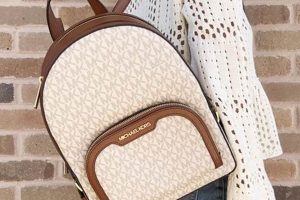
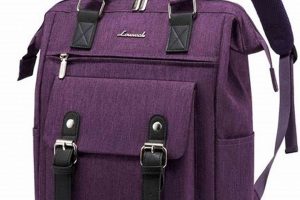
These bags, originating from South Korea, are defined by their blend of functionality, distinctive aesthetics, and often incorporate durable materials designed for everyday use. Examples frequently showcase features such as multiple compartments for organization, padded straps for comfort, and water-resistant fabrics. They frequently appear in school, professional, and casual settings.
The significance of this type of carryall stems from its ability to combine practicality with stylistic elements popular in Korean fashion. The benefits include enhanced organization, comfort during transport, and the expression of personal style. Historically, bag design in South Korea has been influenced by both traditional crafts and modern design trends, resulting in products that balance heritage with contemporary needs.
This exploration will now delve into specific features, prevalent styles, brand examples, and factors to consider when selecting one, offering a well-rounded understanding of this particular category of bag.
Guidance on Selecting and Maintaining a Korean Backpack
The following recommendations provide guidance for informed decisions regarding selection and care to maximize utility and longevity.
Tip 1: Material Consideration: Assess the primary material of the bag. Nylon and polyester offer water resistance and durability suitable for daily wear. Leather accents may enhance aesthetics but require specialized maintenance. Verify material quality through detailed product specifications.
Tip 2: Compartmentalization Assessment: Evaluate the bag’s internal organization. Multiple compartments aid in separating items, promoting efficient storage. Dedicated laptop sleeves and smaller pockets for accessories contribute to enhanced organization. Consider individual storage needs when evaluating compartment layouts.
Tip 3: Strap and Back Panel Examination: Prioritize comfort by examining the shoulder straps and back panel. Padded straps distribute weight evenly, minimizing strain. Breathable back panels reduce perspiration and improve ventilation. Inspect stitching and material quality for durability.
Tip 4: Zipper and Closure Quality Check: Evaluate the quality of zippers and closures. Robust zippers resist breakage and ensure secure closure. Magnetic or buckle closures should be sturdy and easy to operate. Test closures for smooth functionality and secure engagement.
Tip 5: Aesthetic Alignment: Select a design that reflects individual preferences while remaining versatile. Minimalist designs offer adaptability across various settings. Bold colors or patterns may express personality but may limit versatility. Evaluate aesthetic appeal in relation to intended use.
Tip 6: Water Resistance Verification: Confirm water resistance capabilities, particularly for use in inclement weather. Water-resistant fabrics protect contents from light rain or spills. Waterproof linings offer enhanced protection in heavy precipitation. Consult product specifications for detailed water resistance ratings.
Tip 7: Weight Consideration: Assess the weight of the empty bag. Lighter bags minimize the burden during transport. Heavier bags may indicate robust construction but can contribute to increased fatigue. Evaluate weight in relation to carrying capacity and intended use.
Adherence to these guidelines will contribute to the acquisition of a practical and durable product suited to individual needs.
The subsequent section will address prominent brands and their offerings within this product category.
1. Durable materials
The selection of durable materials constitutes a foundational element in the construction of a useful bag. This is directly relevant to the design of bags originating from South Korea. The resilience of materials directly affects a bag’s lifespan and ability to withstand daily wear and tear. For example, reinforced nylon or polyester fabrics are often employed to resist abrasions and tears, particularly in models intended for student or professional use. Inferior materials are more prone to damage, leading to premature replacement and increased cost over time. This decision significantly mitigates the total lifetime cost.
Impact resistance is an area that these types of bags often benefit from durable material applications. A bag constructed with a ballistic nylon exterior, for instance, provides enhanced protection against impacts, safeguarding electronic devices or other fragile contents. Furthermore, reinforced stitching and robust zippers, integral to the overall durability, prevent seam failures and closure malfunctions. Brands known for quality, like Rawrow, often emphasize material specifications to underscore the longevity of their offerings. Weather-resistant coatings applied to durable fabrics further extend usability by protecting contents from moisture, an essential consideration for daily commuters and travelers.
In summary, durable materials represent a critical investment in the longevity and functionality of these bags. The selection of resilient fabrics, coupled with robust construction techniques, directly translates into a product that withstands rigorous use. Overlooking material quality sacrifices long-term value for short-term cost savings. A keen understanding of material properties empowers consumers to make informed purchasing decisions, maximizing the utility and lifespan of their bag.
2. Organized compartments

Organized compartments are a defining characteristic that enhances the functionality and appeal of these bags. The inclusion of strategically designed interior spaces promotes efficient storage and retrieval of items, catering to the demands of students, professionals, and travelers.
- Dedicated Laptop Sleeves
The integration of padded laptop sleeves is a prevalent feature. These sleeves offer secure protection for electronic devices, typically accommodating laptops up to 15 or 16 inches in size. The padded construction minimizes the risk of damage during transit. Examples include designs from brands such as Jansport and Eastpak.
- Accessory Pockets
Multiple smaller pockets facilitate the organization of accessories such as smartphones, chargers, and writing instruments. These pockets are often strategically placed for easy access, enhancing user convenience. Internal zippered pockets provide secure storage for valuables. A number of bags from brands such as Doughnut and Herschel Supply Co. feature these types of pockets.
- Document Dividers
Certain models incorporate dividers intended for organizing documents, notebooks, or folders. These dividers help maintain the order of papers and prevent crumpling. Students and professionals benefit from this feature, as it simplifies the storage and retrieval of academic or work-related materials. Brand example is Monopoly.
- External Pockets
External pockets, frequently zippered or elasticized, offer convenient storage for frequently accessed items like water bottles or umbrellas. The external placement allows for quick retrieval without the need to open the main compartment. Mesh pockets are a common variation, providing ventilation for damp items. Brand example is Fjallraven.
The strategic allocation of space within these bags, achieved through organized compartments, directly contributes to their overall utility. The incorporation of dedicated sleeves, accessory pockets, document dividers, and external pockets exemplifies a design philosophy that prioritizes efficiency and convenience. The presence and quality of these compartments play a crucial role in determining user satisfaction and the practical value of this type of bag.
3. Ergonomic Design
Ergonomic design is a crucial determinant of user comfort and well-being, particularly in the context of carrying loads. Concerning bags from South Korea, the emphasis on ergonomics represents a significant feature impacting their practicality and appeal. The cause-and-effect relationship is direct: ergonomic design choices result in reduced strain and fatigue for the user. For example, padded shoulder straps and back panels distribute weight more evenly across the shoulders and back, mitigating pressure points. The absence of ergonomic considerations can lead to discomfort, musculoskeletal issues, and a diminished user experience. Brands like Viscontis consistently demonstrate this.
The integration of adjustable straps is another manifestation of ergonomic design. Variable strap lengths accommodate diverse body types and carrying preferences, allowing individuals to customize the fit for optimal comfort. Furthermore, chest straps and waist belts, common in larger models, provide additional support and stability, preventing the bag from shifting during movement. Breathable back panels, often constructed from mesh materials, promote ventilation and minimize perspiration, further enhancing comfort during extended wear. An example includes HFS.
In conclusion, the incorporation of ergonomic principles into bag design is not merely an aesthetic consideration; it directly influences the bag’s functionality and its impact on the user’s physical well-being. From padded straps to adjustable features and breathable materials, ergonomic elements contribute to a more comfortable and sustainable carrying experience. A lack of attention to these details compromises the bag’s utility and potentially jeopardizes the user’s health. Therefore, a thorough evaluation of ergonomic features is paramount when selecting a bag to ensure long-term comfort and satisfaction.
4. Aesthetic Trends

The visual appeal of bags from South Korea is intrinsically linked to prevailing aesthetic trends. These trends, shaped by fashion, art, and popular culture, influence design elements and inform consumer preferences. Understanding these trends provides insight into the stylistic choices that define these bags.
- Minimalism and Clean Lines
A recurring theme is a minimalist aesthetic characterized by clean lines and a focus on functionality. This translates into bags with streamlined silhouettes, minimal embellishments, and neutral color palettes. Examples include models featuring simple geometric shapes and an absence of excessive branding. This design philosophy prioritizes understated elegance and versatility.
- Pastel and Muted Color Palettes
Pastel and muted color palettes are frequently observed in contemporary bag designs. Soft hues like blush pink, mint green, and lavender create a sense of tranquility and sophistication. These colors often appear in combination with neutral tones, resulting in a visually balanced and harmonious aesthetic. These colors have become increasingly popular.
- Streetwear Influences
Streetwear influences manifest in the incorporation of bold graphics, unconventional materials, and utilitarian features. Bags exhibiting this trend may feature oversized zippers, adjustable straps, and durable fabrics. Examples may have patches, embroidery, or reflective elements, reflecting an urban and edgy aesthetic.
- Vintage and Retro Inspirations
Vintage and retro inspirations draw upon design elements from past decades, resulting in bags with a nostalgic appeal. This can involve the incorporation of classic silhouettes, retro logos, and vintage-inspired color combinations. Fabrics like corduroy and canvas are often employed to evoke a sense of authenticity. A modern spin on old design for modern times.
The integration of these aesthetic trends serves to enhance the desirability and marketability of bags from South Korea. By aligning with current stylistic preferences, designers create products that resonate with consumers seeking both functionality and aesthetic appeal. This continuous adaptation to evolving trends ensures that these bags remain relevant and competitive in the global market.
5. Practical Utility

The degree of practical utility inherent in these bags directly influences their adoption and sustained usage. This utility extends beyond mere storage capacity to encompass features that address specific user needs and environmental factors, contributing to a product’s overall value proposition.
- Weather Resistance
Resistance to inclement weather is a primary component of practical utility. Bags designed for daily use often incorporate water-resistant fabrics or coatings to protect contents from rain or spills. This feature is particularly relevant for students and commuters who are exposed to varying weather conditions. The inclusion of waterproof linings or sealed zippers further enhances protection. Without weather resistance, documents and electronics are susceptible to damage.
- Load-Bearing Capacity and Comfort
The ability to carry a substantial load comfortably represents another critical aspect of practical utility. Reinforcements in stress areas, such as the base and seams, contribute to the bag’s ability to withstand heavy loads. Padded shoulder straps and back panels distribute weight evenly, reducing strain on the user. The presence of adjustable straps allows for customization and improved ergonomics. Inadequate load-bearing capacity compromises both functionality and user comfort.
- Accessibility and Organization
Facilitating easy access to contents and maintaining organizational structure is a key element of practical utility. Multiple compartments, pockets, and dividers enable users to segregate items and locate them quickly. External pockets provide convenient storage for frequently accessed items such as water bottles or umbrellas. The presence of dedicated compartments for laptops or tablets further enhances organization and protection. Poor accessibility diminishes the bag’s overall usefulness.
- Durability and Longevity
The long-term durability of the bag directly contributes to its practical utility. The selection of high-quality materials, such as reinforced nylon or polyester, ensures resistance to wear and tear. Robust zippers and reinforced stitching prevent premature failure of critical components. A durable bag provides sustained utility over an extended period, representing a sound investment. Short-lived bags offer little in the way of practical benefit.
These facets, when integrated effectively, elevate the practical utility. A bag that combines weather resistance, load-bearing capacity, accessibility, and durability represents a valuable tool for daily life. Examples from various brands exemplify these principles. The presence of these features distinguishes a functional accessory from a mere fashion item, influencing consumer choice and product longevity.
6. Brand Reputation

Brand reputation significantly impacts consumer perception and purchasing decisions regarding bags originating from South Korea. A strong reputation, built on consistent quality, innovative designs, and positive customer experiences, translates directly into increased brand loyalty and sales. The cause-and-effect relationship is clear: a favorable reputation fosters trust, leading consumers to perceive a lower risk associated with purchasing a product from that brand. Conversely, a negative reputation, stemming from poor product quality or unethical practices, can severely damage a brand’s standing and erode consumer confidence. For example, a brand consistently praised for durability and innovative organizational features will likely attract a loyal following, willing to pay a premium for the perceived value and reliability. A practical result is increased sales for that brand.
The importance of brand reputation is further amplified by the prevalence of online reviews and social media influence. Consumers actively seek out information and opinions from other users before making a purchase, making brand reputation a critical factor in the evaluation process. Brands actively engage in reputation management through marketing campaigns, customer service initiatives, and social media engagement. A bag manufacturer that responds promptly to customer inquiries and addresses concerns effectively demonstrates a commitment to customer satisfaction, which strengthens its reputation. Furthermore, brands that prioritize sustainable manufacturing practices and ethical sourcing can enhance their reputation among environmentally conscious consumers, driving positive brand associations and increased market appeal.
Ultimately, brand reputation serves as a powerful differentiator in the bag market. It not only influences purchasing decisions but also shapes long-term brand equity and competitive advantage. While design, functionality, and price remain important considerations, a positive brand reputation provides consumers with a sense of security and confidence. Bag brands with a strong reputation are better positioned to withstand market fluctuations, attract new customers, and maintain their position in the industry. Therefore, a careful assessment of brand reputation is essential for any consumer considering the purchase of a bag.
Frequently Asked Questions
The subsequent section addresses commonly raised inquiries regarding these bags, providing clarity on various aspects of their design, functionality, and selection.
Question 1: What materials are typically employed in the construction of a durable korean backpack?
Durable options commonly incorporate high-density nylon, ballistic nylon, or reinforced polyester fabrics. Leather accents may be present in some designs, but the primary body material tends to be a synthetic fabric known for its abrasion resistance and water-repellent properties.
Question 2: How can the water resistance of this type of bag be verified?
Product descriptions often specify water resistance ratings or indicate the presence of waterproof coatings or linings. Inspect product specifications for details regarding water resistance capabilities. Some models may feature sealed zippers or storm flaps for enhanced protection.
Question 3: What organizational features are common in these bags?
Typical organizational features include dedicated laptop sleeves, multiple internal pockets for accessories, document dividers, and external pockets for water bottles or umbrellas. The arrangement and quantity of compartments vary depending on the specific model and brand.
Question 4: How should a bag be cleaned and maintained to prolong its lifespan?
General cleaning typically involves wiping the exterior with a damp cloth and mild detergent. Stubborn stains may require a specialized cleaning solution formulated for the specific fabric type. Avoid harsh chemicals or abrasive cleaners, as they can damage the material. Air drying is recommended to prevent shrinkage or discoloration.
Question 5: What ergonomic features should be considered for comfortable carrying?
Padded shoulder straps and back panels are essential for distributing weight evenly and reducing strain. Adjustable straps allow for customization and improved fit. Breathable back panels promote ventilation and minimize perspiration. Chest straps and waist belts provide additional support for heavier loads.
Question 6: How can the authenticity of a bag be verified, particularly when purchasing online?
Purchase from authorized retailers or reputable online vendors. Examine product images and descriptions carefully for inconsistencies or discrepancies. Compare prices to established retail values. Be wary of suspiciously low prices, as they may indicate counterfeit products. Verify the presence of brand logos, labels, and serial numbers.
These responses should provide a clearer understanding of this type of bag, assisting individuals in making informed decisions regarding their purchase and maintenance.
The succeeding section will explore prominent brands and models available in the market.
Korean Backpack
This exposition has dissected the defining features and practical considerations surrounding the Korean backpack. The analysis encompassed material durability, organizational capabilities, ergonomic design principles, aesthetic trends, functional utility, and the influence of brand reputation. A thorough comprehension of these elements facilitates informed consumer choices within this specific product category.
Moving forward, individuals should critically assess personal requirements and prioritize bags that effectively balance aesthetic preferences with practical functionality. The selection of a suitable carryall necessitates a diligent evaluation of its inherent qualities and projected lifespan. This attention to detail will ensure both satisfaction and value.