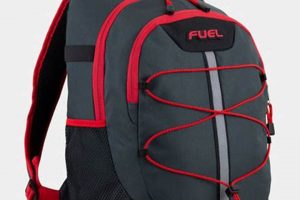
A specialized carrying system designed to transport essential equipment for activities on snow-covered slopes. These packs integrate features that accommodate items such as skis, snowboards, avalanche safety gear, hydration systems, and extra layers of clothing, making them indispensable for backcountry excursions and resort-based adventures.
The utility of these systems lies in their ability to distribute weight evenly, freeing the hands for balance and navigation on the mountain. Their development reflects an evolution in winter sports gear, driven by the increasing popularity of off-piste exploration and the growing awareness of avalanche safety. Prioritizing both convenience and protection, these systems contribute significantly to the safety and enjoyment of winter sport pursuits.
Further discussion will delve into specific features, selection criteria, packing strategies, and maintenance procedures, providing a comprehensive guide for individuals seeking optimal equipment solutions for their snow-related activities.
Essential Considerations for Equipment Selection
The following provides essential guidance for selecting the appropriate equipment, ensuring safety and enhancing the experience on snow. Careful evaluation of individual needs and environmental conditions is crucial.
Tip 1: Volume Assessment: Determine the necessary capacity based on the intended activity. Short resort days require less space, while backcountry touring necessitates larger volumes for avalanche gear, extra layers, and sustenance.
Tip 2: Avalanche Safety Integration: Ensure compatibility with avalanche safety equipment such as shovels and probes. Dedicated compartments expedite access during emergency situations.
Tip 3: Carry System Evaluation: Assess the carrying systems design and adjustability. Proper fit and weight distribution are paramount for comfort and stability during descents.
Tip 4: Material Durability: Opt for high-denier, water-resistant fabrics that withstand abrasion and exposure to the elements. Reinforcements in high-wear areas extend the equipments lifespan.
Tip 5: Ski/Snowboard Attachment Mechanisms: Evaluate the suitability of the attachment system for the specific equipment being carried. A-frame or diagonal carry options offer varying degrees of stability and accessibility.
Tip 6: Hydration System Compatibility: Consider models equipped with insulated hydration sleeves or reservoirs to prevent freezing in sub-zero temperatures. Accessibility of the hydration system is essential for maintaining hydration on the go.
Tip 7: Weather Resistance: Prioritize water-resistant or waterproof materials and construction to protect contents from snow and moisture. Seam-sealed zippers can further enhance weather protection.
Adhering to these considerations ensures the selected equipment meets the demands of the intended activity, contributing to a safer and more enjoyable experience.
The subsequent section will address packing strategies and maintenance procedures for optimizing the lifespan and performance of chosen equipment.
1. Capacity
The internal volume, measured in liters, directly dictates the carrying potential of this specialized equipment. Insufficient capacity restricts essential gear transport, potentially compromising safety and comfort during snow-related activities. Conversely, excessive volume adds unnecessary weight and bulk, hindering maneuverability and increasing fatigue. Therefore, selecting the correct capacity, calibrated to the specific demands of the intended activity, is paramount.
The correlation between activity type and optimal capacity is evident in diverse scenarios. Resort skiing, typically requiring only spare gloves, a hydration reservoir, and a snack, necessitates a smaller volume, often in the 15- to 25-liter range. Backcountry touring, however, demands a larger capacity to accommodate avalanche safety equipment (shovel, probe, transceiver), extra layers, a first-aid kit, repair tools, and additional provisions. Backcountry situations often require volumes ranging from 30 to 45 liters, potentially exceeding this range for overnight expeditions. Ignoring these capacity requirements poses significant risks. For example, attempting a backcountry tour with insufficient volume may necessitate leaving behind crucial avalanche safety gear, directly increasing the risk of burial in the event of an avalanche.
Accurate capacity assessment, therefore, is a critical component of equipment selection. It necessitates careful consideration of the gear required for the intended activity, accounting for both foreseeable needs and potential emergency situations. Proper capacity management contributes directly to safety, comfort, and overall efficiency on the slopes, underscoring its importance in the selection process. The challenge lies in balancing sufficient capacity with minimizing unnecessary weight and bulk, a decision requiring careful evaluation of the specific demands of each excursion.
2. Durability

The operational environment of these equipment places significant stress on its structural integrity. Repeated abrasion against skis, snowboards, ice, and rock, coupled with exposure to extreme temperatures, ultraviolet radiation, and moisture, necessitates robust construction and resilient materials. Compromised durability directly translates to equipment failure, potentially stranding individuals in remote and hazardous environments. The longevity and reliability are thus inextricably linked to the quality and design of its constituent components. For example, a pack constructed with low-denier nylon may succumb to tears and punctures from sharp ski edges or protruding ice screws, rendering it ineffective in carrying essential gear.
Manufacturers employ a variety of strategies to enhance durability. High-denier fabrics, such as ballistic nylon and reinforced polyester, provide increased resistance to abrasion and tearing. Seam reinforcement, including bar-tacking at stress points, minimizes the risk of seam failure. Water-resistant coatings and waterproof membranes protect contents from moisture ingress, preventing damage to sensitive equipment like electronic devices or medical supplies. The choice of hardware, including buckles, zippers, and attachment points, also significantly impacts overall durability. Components fabricated from robust metals or high-strength plastics withstand the rigors of repeated use and exposure to extreme conditions. A compromised zipper, for instance, can render a compartment inaccessible, potentially hindering access to critical avalanche safety gear during an emergency.
Ultimately, the durability assessment is a critical element of equipment selection. It requires careful consideration of the materials used, the construction techniques employed, and the intended operational environment. Prioritizing durability mitigates the risk of equipment failure, enhances user safety, and extends the lifespan, representing a sound investment in long-term reliability and performance. Choosing a pack with a reputation for durability, supported by warranties and positive user reviews, provides added assurance of its ability to withstand the demands of winter sports activities.
3. Accessibility
Accessibility, in the context of a carrying system, signifies the ease and speed with which essential equipment can be retrieved. This aspect is of paramount importance, especially in dynamic and potentially hazardous environments encountered during snow activities.
- Avalanche Gear Compartment
Dedicated compartments for avalanche safety equipment are critical. These compartments must allow for rapid deployment of shovels, probes, and transceivers. A delayed access, even by a few seconds, can dramatically reduce survival chances in an avalanche burial scenario.
- Glove-Friendly Zippers and Buckles
Operating zippers, buckles, and closures while wearing thick gloves presents a significant challenge. Designs incorporating oversized pulls, glove-compatible buckles, and straightforward closure mechanisms enhance accessibility without requiring removal of hand protection, thus maintaining warmth and dexterity.
- External Attachment Points
External attachment points facilitate the secure and readily accessible carry of items like ice axes, trekking poles, or helmets. These points should be designed to prevent snagging on terrain or interfering with movement, enabling quick deployment or retrieval without removing the entire system.
- Main Compartment Access
The primary compartment should offer efficient access, even when fully loaded. Top-loading or full-panel zippered designs enable users to quickly locate and retrieve items such as extra layers, first-aid kits, or navigation tools, minimizing exposure to harsh weather conditions.
These accessibility facets underscore the importance of intuitive design and user-friendly features. By prioritizing ease of access to critical equipment, manufacturers can significantly enhance user safety and efficiency, enabling individuals to respond effectively to changing conditions and potential emergencies on the mountain. The overall design should consider the specific needs of winter sports participants, ensuring seamless operation even in challenging circumstances.
4. Comfort

Comfort is not merely a desirable attribute but a fundamental necessity in equipment design, directly impacting both physical endurance and decision-making capabilities. A poorly designed item can induce fatigue, restrict movement, and compromise focus, increasing the risk of accidents and hindering performance during extended winter activities.
- Load Distribution and Suspension Systems
Effective load distribution is achieved through well-designed suspension systems, encompassing shoulder straps, hip belts, and back panels. These components work in concert to transfer the weight of the contents evenly across the body, minimizing pressure points and preventing strain. For instance, a hip belt that does not properly conform to the user’s anatomy can result in concentrated pressure on the hips, leading to discomfort and fatigue over time. Similarly, shoulder straps that lack adequate padding can cause chafing and soreness, particularly when carrying heavy loads.
- Adjustability and Fit
Adjustability is crucial for accommodating individual body shapes and sizes. Shoulder straps, hip belts, and torso length should be independently adjustable to ensure a snug and secure fit. A system that is too large or too small can shift during movement, disrupting balance and causing discomfort. Proper fit ensures that the weight is supported primarily by the skeletal structure rather than relying solely on muscular effort, reducing fatigue and improving overall stability.
- Back Panel Design and Ventilation
The back panel design plays a critical role in ventilation and moisture management. Breathable materials and contoured designs promote airflow, preventing the buildup of sweat and reducing the likelihood of overheating or chilling. A back panel that lacks adequate ventilation can trap moisture, leading to discomfort and potentially increasing the risk of hypothermia in cold conditions. Channels or mesh panels integrated into the back panel facilitate airflow, promoting evaporation and maintaining a more comfortable microclimate against the user’s back.
- Material Selection and Padding
Material selection directly influences the overall comfort. Soft, breathable fabrics minimize chafing and irritation against the skin. Padding in key areas, such as the shoulder straps and hip belt, cushions pressure points and enhances comfort during prolonged use. High-quality padding materials, such as closed-cell foam or gel inserts, provide superior shock absorption and support, further reducing fatigue and improving overall comfort levels. The quality of the materials directly impacts the long-term comfort and performance of the equipment.
The interplay of these comfort-related factors underscores their critical importance in the overall design and functionality of these carrying systems. Prioritizing comfort not only enhances the user experience but also contributes significantly to safety and performance, allowing individuals to focus on the activity at hand without being distracted by discomfort or fatigue. A comfortable system is a safer and more efficient system, ultimately maximizing the enjoyment and success of winter sports endeavors.
5. Safety

The integration of safety considerations into the design and utilization of equipment is paramount. Its proper application significantly mitigates risks associated with winter activities.
- Avalanche Gear Integration
Dedicated compartments for avalanche transceivers, shovels, and probes enable rapid deployment during emergencies. Properly securing these tools minimizes the risk of loss or damage, while quick access can significantly improve victim recovery times. Failure to adequately integrate and secure avalanche safety equipment can render it useless when it is needed most.
- Load Distribution and Stability
A well-designed distributes weight evenly across the user’s back and hips, maintaining balance and stability on uneven terrain. Excessive sway or instability can increase the risk of falls and injuries. Prioritizing load distribution enhances maneuverability and reduces fatigue, promoting safer and more controlled descents.
- Visibility Features
Incorporating reflective elements or bright colors enhances visibility in low-light conditions or during periods of inclement weather. This is particularly critical in areas with high traffic or limited sightlines. Enhanced visibility reduces the risk of collisions and allows for easier identification by rescue personnel in the event of an accident.
- Protective Features
Some models integrate spine protectors or padding to mitigate the impact of falls or collisions. While these features do not eliminate the risk of injury, they can provide an added layer of protection in certain scenarios. The effectiveness of protective features depends on proper fit and adherence to safety guidelines.
The proactive integration of safety measures, encompassing avalanche gear accessibility, load stabilization, visibility enhancement, and protective elements, is a critical component of responsible winter sports participation. Choosing an equipment that prioritizes safety features, coupled with proper training and awareness, can significantly reduce the risk of accidents and improve the overall experience.
6. Weatherproof
The term “weatherproof,” when applied to snow equipment, denotes its capacity to resist the ingress of moisture, specifically snow and meltwater, which is crucial for maintaining the functionality and integrity of the contents during winter activities. A carrying system’s ability to withstand harsh weather conditions directly impacts the safety, comfort, and operational efficiency of the user.
- Water-Resistant Fabrics
The primary defense against moisture lies in the fabric itself. Materials such as high-denier nylon or polyester treated with durable water repellent (DWR) coatings offer a barrier against water penetration. However, these fabrics are typically water-resistant, not waterproof, and prolonged exposure to heavy precipitation can eventually overwhelm their protective properties. For example, a system constructed from DWR-treated nylon may repel light snow, but continuous contact with wet snow during a prolonged descent could lead to saturation.
- Waterproof Membranes
To achieve true waterproofing, many premium systems incorporate waterproof membranes, such as Gore-Tex or proprietary alternatives, laminated to the outer fabric. These membranes feature microscopic pores that allow water vapor to escape (breathability) while preventing liquid water from entering. A system equipped with a waterproof membrane provides a significantly higher level of protection against moisture intrusion, safeguarding sensitive equipment such as electronics or medical supplies. For example, a pack with a waterproof membrane will keep its contents dry even during prolonged exposure to heavy snowfall or rain.
- Seam Sealing
Seams represent potential points of water entry, as needle punctures compromise the fabric’s waterproof integrity. Seam sealing involves applying waterproof tape or liquid sealant to the seams, effectively closing these gaps and preventing moisture from seeping through. A fully seam-sealed system offers a comprehensive barrier against water intrusion, ensuring that the contents remain dry even in the most challenging conditions. Failure to properly seal seams can negate the benefits of a waterproof fabric, as water will inevitably find its way inside the .
- Waterproof Zippers and Closures
Zippers and closures are another potential source of water entry. Waterproof zippers, featuring interlocking teeth designed to create a watertight seal, provide enhanced protection compared to standard zippers. Storm flaps or zippered rain covers offer an additional layer of defense against moisture. A system with waterproof zippers and closures ensures that water cannot penetrate through these vulnerable areas, maintaining the dryness of the contents. For example, a water-resistant zipper on an avalanche gear compartment could allow moisture to seep in, potentially affecting the performance of the contained equipment.
The effectiveness of a system’s weatherproof design is determined by the interplay of these factors. While water-resistant fabrics offer a degree of protection, waterproof membranes and seam sealing provide a more robust barrier against moisture intrusion. Waterproof zippers and closures further enhance the overall weatherproof performance, safeguarding the contents from the elements. The selection of a system with appropriate weatherproof features should be based on the anticipated environmental conditions and the sensitivity of the equipment being carried.
Frequently Asked Questions About Snow Ski Backpacks
The following addresses common inquiries regarding selection, usage, and maintenance. This information aims to provide clarity and enhance user understanding.
Question 1: What constitutes an appropriate volume for a snow ski backpack intended for backcountry touring?
Backcountry touring necessitates carrying avalanche safety equipment, extra layers, first-aid supplies, and sustenance. A volume ranging from 30 to 45 liters is generally considered appropriate, though longer expeditions may require larger capacities.
Question 2: How frequently should a snow ski backpack be inspected for signs of wear and tear?
A thorough inspection should precede each use. Special attention should be paid to seams, zippers, buckles, and attachment points, as these areas are prone to stress and potential failure. Early detection of damage prevents escalation into more serious issues.
Question 3: What is the recommended method for cleaning a snow ski backpack following exposure to snow and moisture?
Remove all contents and allow the system to air dry completely. Wipe down external surfaces with a damp cloth and mild soap. Avoid machine washing or drying, as these can damage the fabric and coatings. Ensure all zippers and buckles are functional before storage.
Question 4: How does one properly load a snow ski backpack to ensure optimal weight distribution and stability?
Heavier items should be positioned close to the spine, centered within the load. Avalanche safety equipment should be readily accessible in designated compartments. Distribute weight evenly to prevent imbalance and promote stability during movement.
Question 5: Are there specific certifications or standards that a snow ski backpack should meet to be considered suitable for avalanche terrain?
While there is no single universal certification, reputable brands often adhere to stringent testing protocols and quality control measures. Prioritize systems from established manufacturers with a proven track record of producing durable and reliable equipment for winter sports.
Question 6: What are the implications of neglecting proper maintenance of a snow ski backpack?
Neglecting maintenance can lead to premature wear, compromised functionality, and potential safety hazards. Damaged zippers, frayed seams, or weakened buckles can compromise the integrity of the system, increasing the risk of equipment failure in critical situations.
These FAQs underscore the importance of informed decision-making and diligent maintenance practices. Adhering to these guidelines enhances the safety and longevity of the chosen equipment.
The subsequent section will provide a comparative analysis of leading models, highlighting their respective strengths and weaknesses.
Concluding Remarks on Specialized Snow Equipment
This exposition has detailed critical aspects surrounding specialized carrying systems for snow activities. The discussion spanned essential features, selection criteria, packing strategies, maintenance, and frequently encountered queries. Emphasis was placed on capacity, durability, accessibility, comfort, safety considerations, and weatherproof construction, underscoring the interplay of these factors in ensuring optimal performance and mitigating risks in challenging winter environments.
The prudent selection and conscientious maintenance of such equipment are integral to responsible participation in winter sports. Prioritizing these factors contributes directly to the safety, comfort, and overall enjoyment of activities on snow-covered slopes. Continued research and technological advancements will likely yield further improvements in carrying system design, offering enhanced safety and efficiency for winter sports enthusiasts.