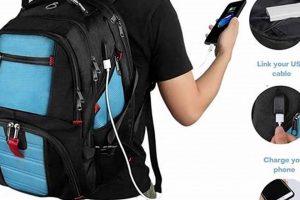
Everyday Carry (EDC) backpacks are designed to transport essential items individuals require to navigate their daily routines. These packs often incorporate features such as dedicated compartments for electronics, organizational pockets for tools and accessories, and durable materials to withstand frequent use. For instance, a professional might carry a laptop, tablet, chargers, documents, and personal items within an EDC backpack, ensuring they are readily accessible throughout the day.
The utility of these packs stems from their ability to consolidate necessary belongings into a single, easily portable unit, increasing efficiency and preparedness. Historically, carrying tools and personal items was often cumbersome, requiring multiple bags or pockets. EDC packs streamline this process, offering a centralized solution. This centralization enhances productivity by reducing the time spent searching for specific items and minimizing the risk of forgetting essential equipment.
The following discussion will delve into key features, material considerations, size and capacity variations, and selection criteria to assist in choosing the appropriate carrying solution for individual needs and requirements.
Essential Considerations for Everyday Carry Packs
Selecting the correct carrying solution requires careful evaluation of individual needs and usage scenarios. Prioritizing practical features and durable construction ensures long-term satisfaction and effective performance.
Tip 1: Evaluate Capacity Requirements: Assess the typical daily load to determine the appropriate pack size. Overpacking can lead to discomfort and unnecessary wear, while an undersized pack may compromise essential items.
Tip 2: Prioritize Organizational Features: Internal dividers, dedicated compartments, and external pockets enhance accessibility and prevent items from shifting during transit. Consider specific needs, such as laptop sleeves or water bottle holders.
Tip 3: Assess Material Durability: Select materials resistant to abrasion, water, and tearing. Ballistic nylon, Cordura, and ripstop fabrics offer superior protection and longevity, particularly for frequent use or demanding environments.
Tip 4: Examine Construction Quality: Reinforce stitching, durable zippers, and robust hardware contribute to the overall lifespan of the product. Inspect stress points and ensure seams are securely constructed.
Tip 5: Consider Comfort and Ergonomics: Padded shoulder straps, a breathable back panel, and adjustable sternum straps enhance comfort during extended wear. Optimal weight distribution minimizes strain and fatigue.
Tip 6: Evaluate Access and Security: Quick-access pockets allow convenient retrieval of frequently used items, while concealed compartments enhance security for valuables. Consider lockable zippers or RFID-blocking pockets for added protection.
Tip 7: Choose Versatile Design: A streamlined aesthetic and neutral color scheme increase adaptability to various professional and casual settings. Modular attachment systems enhance expandability for specialized applications.
Adhering to these guidelines ensures that the selected carrying system effectively meets individual requirements and provides reliable performance in diverse situations. A well-chosen pack is an investment in preparedness and convenience.
The subsequent section will explore specific product recommendations and comparative analyses to further assist in the selection process.
1. Capacity and Size

Capacity and size are fundamental considerations in the selection of everyday carry backpacks. These factors directly influence the pack’s utility, portability, and overall suitability for intended applications. An appropriate balance between capacity and size ensures the ability to carry essential items without compromising comfort or maneuverability.
- Volume and Dimensions
Volume, typically measured in liters, defines the total storage space available within the pack. Dimensions dictate the physical size and shape, impacting how the pack carries and fits the user’s frame. A larger volume accommodates more items but may increase bulk and weight. Conversely, a smaller volume offers greater portability but limits carrying capacity. Consider the typical daily load and intended activities when determining the optimal volume and dimensions.
- Internal Organization and Space Utilization
Effective internal organization maximizes usable space within a given volume. Compartments, dividers, and pockets enable efficient packing and prevent contents from shifting during transit. Packs with well-designed internal organization can effectively manage a smaller volume, while poorly organized packs may require a larger volume to accommodate the same items. Space utilization directly impacts the overall efficiency and functionality of the carrying solution.
- Weight Distribution and Carry Comfort
The size and shape of a pack, combined with its loaded weight, influence weight distribution and carry comfort. A well-designed pack distributes weight evenly across the shoulders and back, minimizing strain and fatigue. Overly large or improperly loaded packs can create imbalances, leading to discomfort and potential injury. Consider the pack’s dimensions and weight distribution characteristics, especially when carrying heavy or bulky items.
- Carry Style and Physical Attributes
Pack size influences carry style and accessibility. Smaller packs often prioritize streamlined profiles and quick access to essential items. Larger packs may incorporate more robust suspension systems and specialized compartments for specific gear. The optimal size depends on individual preferences and physical attributes. Consider factors such as torso length, shoulder width, and preferred carry position when making a selection.
The interplay between capacity, size, and internal organization dictates the practicality of everyday carry backpacks. Selecting a pack with the appropriate volume, dimensions, and organizational features ensures efficient carrying of essential items while maintaining comfort and maneuverability. Careful consideration of these factors is critical for optimizing the overall utility of the carrying solution.
2. Organization and Access

Organization and access are paramount features within the context of everyday carry backpacks. These factors directly influence the efficiency and effectiveness with which individuals can manage and retrieve essential items. A well-designed carrying solution prioritizes structured organization to facilitate rapid access and maintain a consistent workflow.
- Internal Compartmentalization
Internal compartmentalization is a critical aspect of organizational design, enabling users to segregate and secure various items within the pack. Examples include dedicated laptop sleeves, tablet pockets, and smaller organizational pockets for items such as pens, cables, and keys. Efficient compartmentalization minimizes clutter and prevents items from shifting during transit, improving access and reducing the risk of damage.
- External Access Points
The availability of external access points facilitates rapid retrieval of frequently used items without requiring the user to open the main compartment. Examples include external pockets for water bottles, quick-access pockets for smartphones or wallets, and modular attachment systems for adding external pouches. Strategically placed access points enhance convenience and minimize disruption to the pack’s overall organization.
- Visibility and Layout
The internal layout and visibility of contents directly impact the speed and ease of item retrieval. Light-colored interior linings improve visibility in low-light conditions, while well-defined compartments enable users to quickly locate specific items. A logical and intuitive layout reduces search time and enhances overall efficiency.
- Accessibility Under Varying Conditions
Effective organization and access must be maintained under varying conditions, including adverse weather and confined spaces. Water-resistant zippers and materials protect contents from moisture, while ergonomic designs allow access to essential items even when the pack is fully loaded or worn in a crowded environment. Adaptability to diverse conditions is a hallmark of a well-designed carrying solution.
The integration of internal compartmentalization, strategically placed external access points, a focus on visibility, and adaptability to varying conditions contribute to the overall effectiveness of organizational design in everyday carry backpacks. These features collectively enhance the user experience, enabling efficient management and retrieval of essential items in diverse scenarios.
3. Material Durability

Material durability is a critical determinant of the lifespan and performance of everyday carry (EDC) backpacks. The materials used in construction directly affect the pack’s ability to withstand daily wear and tear, exposure to environmental factors, and the stress of carrying various loads. Failure of materials translates to compromised functionality, potentially leading to equipment damage or loss. For instance, a backpack constructed from thin, low-denier nylon is susceptible to tearing under heavy loads, rendering it unusable and potentially endangering the carried contents. Conversely, a pack made from high-denier ballistic nylon or Cordura offers significantly enhanced resistance to abrasion, punctures, and tears, providing a more reliable and long-lasting carrying solution.
The impact resistance and weather resistance of the materials are of particular importance. EDC backpacks are often subjected to rough handling, including impacts and scrapes. Materials such as reinforced polyester and tarpaulin offer increased impact resistance, protecting the contents from damage during drops or collisions. Furthermore, water-resistant coatings and waterproof fabrics safeguard against rain, snow, and spills, preventing electronic devices and sensitive documents from exposure to moisture. Real-world examples include professionals who depend on their EDC packs to transport laptops and other electronics in inclement weather, highlighting the practical significance of durable, weather-resistant materials. Military and law enforcement personnel rely on robust construction to hold survival gear. The same need for endurance can be applied to civilians in everyday life, but also can be the one gear from the collection for an adventure.
In summary, material durability is a cornerstone of EDC backpack design. Selection of robust, abrasion-resistant, and weather-resistant materials is essential for ensuring the pack’s longevity, protecting its contents, and providing a reliable carrying solution for daily use. The challenges associated with material selection involve balancing cost, weight, and performance to achieve the optimal combination of features for a given application. Understanding the practical implications of material choices allows for informed decisions and maximizes the return on investment in an EDC backpack.
4. Comfort and Ergonomics

Comfort and ergonomics represent critical design parameters in the realm of everyday carry (EDC) backpacks. The connection between these factors and the overall utility of an EDC backpack is direct and significant. Poor comfort and inadequate ergonomic design can lead to discomfort, fatigue, and potential long-term health issues, negating the intended benefits of portability and organization. For instance, a backpack with poorly padded shoulder straps can cause pressure points and restrict circulation, leading to discomfort during extended wear. Similarly, a pack with an unbalanced load distribution can strain the back and shoulders, resulting in muscle fatigue and potential injury.
Effective ergonomic design in EDC backpacks involves careful consideration of factors such as torso length, shoulder width, and weight distribution. Adjustable shoulder straps, sternum straps, and hip belts enable users to customize the fit of the pack to their individual body dimensions, ensuring optimal weight distribution and minimizing strain on specific muscle groups. Padded back panels with breathable mesh promote airflow, reducing perspiration and enhancing comfort during physical activity. Load lifter straps, which connect the shoulder straps to the top of the pack, help to pull the load closer to the body, improving balance and stability. Examples of ergonomic features include contoured shoulder straps that conform to the natural curvature of the shoulders, and lumbar support systems that provide additional cushioning and support for the lower back.
The selection of an EDC backpack should prioritize comfort and ergonomics, taking into account individual needs and physical characteristics. Evaluating features such as adjustable straps, padded panels, and load distribution systems is essential for ensuring a comfortable and supportive carrying experience. The practical significance of this understanding lies in the prevention of discomfort, fatigue, and potential long-term health problems, ultimately enhancing the user’s ability to effectively manage their daily tasks and activities.
5. Security Features

Security features integrated into everyday carry (EDC) backpacks are paramount for safeguarding valuable items and sensitive information. The presence and effectiveness of these features directly correlate with the level of protection afforded to the pack’s contents, mitigating risks associated with theft, unauthorized access, and data breaches. Prioritizing security is essential for individuals who routinely carry sensitive documents, electronic devices, or personal valuables.
- Lockable Zippers and Compartments
Lockable zippers and compartments provide a physical barrier against unauthorized access to the pack’s contents. These features typically involve the use of small padlocks or combination locks to secure zippers or access points, preventing opportunistic theft or tampering. For example, a traveler carrying a laptop and passport may utilize lockable zippers to deter theft while navigating crowded airports or public transportation. The effectiveness of this feature depends on the quality of the locks and the construction of the zippers themselves, as weak zippers can be easily bypassed or broken.
- RFID-Blocking Technology
Radio-Frequency Identification (RFID)-blocking technology protects against electronic theft by preventing unauthorized scanning of RFID-enabled credit cards, passports, and identification cards. This technology typically involves incorporating a layer of metal mesh or conductive fabric into the pack’s construction, which blocks radio waves and prevents scanners from accessing the information stored on RFID chips. For instance, an individual carrying a contactless credit card in an RFID-protected pocket can prevent criminals from wirelessly skimming their card information. The efficacy of RFID-blocking technology depends on the quality and coverage of the shielding material.
- Concealed Compartments and Pockets
Concealed compartments and pockets offer discreet storage for valuables or sensitive items, reducing the risk of theft by minimizing visibility and awareness. These compartments are often hidden within the pack’s lining or integrated into its design in a way that makes them difficult to detect. For example, a photographer carrying expensive camera equipment may utilize a concealed compartment to store a spare lens or memory card, minimizing the risk of theft and unauthorized access. The effectiveness of concealed compartments depends on their location, design, and ease of access for the user.
- Cut-Resistant Materials and Construction
Cut-resistant materials and construction provide a physical barrier against theft by preventing individuals from slashing or cutting through the pack to access its contents. These features typically involve the use of reinforced fabrics or integrated metal mesh, which resist cutting and tearing. For instance, a commuter traveling on a crowded subway may utilize a backpack constructed from cut-resistant materials to protect their belongings from slash-and-grab theft. The level of cut resistance depends on the type and density of the materials used in the pack’s construction.
These security features, when effectively implemented, significantly enhance the protection afforded by EDC backpacks. It is incumbent upon consumers to carefully evaluate the security features of potential purchases to ensure that they align with their individual needs and risk tolerance. Choosing a backpack with appropriate security measures can mitigate potential threats and provide peace of mind when carrying valuable or sensitive items.
6. Weather Resistance

Weather resistance in everyday carry (EDC) backpacks is a crucial attribute that protects the contents from environmental elements such as rain, snow, and humidity. The connection between weather resistance and the functionality of EDC backpacks is direct; without adequate protection, essential items like electronics, documents, and personal belongings can be damaged or rendered unusable. This leads to potential financial loss, inconvenience, and, in some cases, safety risks. For instance, a student whose laptop is damaged by rainwater due to a non-weather-resistant backpack may lose critical academic data and face significant repair costs. Similarly, a professional carrying sensitive documents could compromise confidential information if the backpack’s materials fail to repel moisture. Therefore, weather resistance is a non-negotiable component for EDC backpacks intended for use in unpredictable environments.
The practical application of weather resistance in EDC backpacks manifests through various material and design choices. Water-resistant fabrics, such as coated nylon or polyester, are often employed to create a barrier against moisture penetration. Seam sealing and waterproof zippers further enhance protection by preventing water from entering through vulnerable points. Some EDC backpacks also feature integrated rain covers that can be deployed in heavy downpours for added security. The effectiveness of these measures is evident in situations where individuals must traverse outdoor environments in inclement weather. A field technician, for example, might rely on a weather-resistant EDC backpack to keep their tools and electronic diagnostic equipment dry while working in exposed locations. The enhanced durability and protection provided by weather-resistant features contribute significantly to the longevity and reliability of the EDC backpack.
In summary, weather resistance is a critical attribute for EDC backpacks, directly influencing their ability to protect contents from environmental damage. The use of water-resistant materials, seam sealing, and integrated rain covers are essential design elements that enhance weather resistance and improve the overall functionality of these carrying solutions. While achieving complete waterproofness may increase cost and complexity, the benefits of enhanced protection outweigh the drawbacks for individuals who regularly encounter wet or humid conditions. Prioritizing weather resistance ensures the EDC backpack remains a reliable and effective tool for daily carry, regardless of environmental challenges.
7. Aesthetic Versatility
The aesthetic versatility of EDC backpacks directly impacts their suitability for diverse environments and professional contexts. A design that is overtly tactical or excessively ornamented may be incongruous in formal business settings or social events. Conversely, a minimalist design, devoid of distinctive features, may lack the organizational capabilities or durability required for demanding outdoor activities or professional fieldwork. Therefore, achieving aesthetic versatility necessitates a careful balance between functionality and visual appeal.
The practical significance of aesthetic versatility is evident in several real-world scenarios. A professional who travels frequently for business requires an EDC backpack that can seamlessly transition from airport security to boardroom meetings. The chosen backpack should offer adequate storage and organization for essential documents and electronics, while also presenting a polished and professional appearance. Similarly, a student who carries their backpack to classes, libraries, and social gatherings requires a design that is both functional and stylistically adaptable. The ability of an EDC backpack to blend into different environments enhances its overall utility and minimizes the need for multiple bags.
In conclusion, the aesthetic versatility of EDC backpacks is a key determinant of their adaptability and practicality. By carefully considering the intended usage scenarios and selecting a design that strikes a balance between functionality and visual appeal, individuals can maximize the utility of their EDC backpack and ensure its suitability for diverse professional and personal contexts. The challenge lies in identifying designs that are both aesthetically pleasing and functionally robust, thereby enhancing the overall value proposition of the carrying solution.
Frequently Asked Questions
The following section addresses common inquiries regarding everyday carry (EDC) backpacks, providing concise and informative answers to assist in product selection and usage.
Question 1: What defines an EDC backpack, and how does it differ from a standard backpack?
An EDC backpack is specifically designed for carrying essential items required for daily tasks and activities. It typically features dedicated compartments and organizational systems tailored to items such as electronics, tools, and personal accessories. Standard backpacks may lack these specific organizational features.
Question 2: What is the recommended capacity range for an EDC backpack?
The recommended capacity range varies based on individual needs and typical daily carry items. However, a capacity of 15 to 30 liters generally provides sufficient space for most EDC requirements without being excessively bulky.
Question 3: What materials offer the best combination of durability and weather resistance for EDC backpacks?
Materials such as ballistic nylon, Cordura, and ripstop nylon provide a good balance of durability, abrasion resistance, and water resistance. Selecting a pack with a durable water repellent (DWR) coating further enhances weather protection.
Question 4: How important is ergonomic design in an EDC backpack, and what features contribute to it?
Ergonomic design is crucial for comfort and minimizing strain during extended wear. Key features include padded shoulder straps, a breathable back panel, adjustable sternum straps, and a well-balanced weight distribution system.
Question 5: What security features should be considered when choosing an EDC backpack, particularly for travel or urban environments?
Relevant security features include lockable zippers, RFID-blocking pockets, concealed compartments, and cut-resistant materials. These features deter theft and unauthorized access to the pack’s contents.
Question 6: How should one properly maintain an EDC backpack to prolong its lifespan?
Regular cleaning, spot treatment of stains, avoiding overpacking, and proper storage contribute to the lifespan of an EDC backpack. Following the manufacturer’s care instructions is also recommended.
Selecting an EDC backpack requires careful consideration of individual needs, desired features, and intended usage scenarios. By addressing these common questions, prospective buyers can make informed decisions and choose a pack that effectively meets their requirements.
The subsequent section will offer specific product recommendations based on various criteria and user profiles.
Conclusion
This discussion has elucidated the defining characteristics, critical considerations, and multifaceted benefits associated with everyday carry (EDC) backpacks. From capacity and material durability to ergonomic design and security features, a comprehensive understanding of these elements is paramount for selecting a pack that effectively meets individual needs. Prioritizing functionality, durability, and appropriate design ensures that the chosen carrying solution facilitates preparedness and enhances daily efficiency.
In light of the discussed criteria, individuals are encouraged to thoughtfully evaluate their requirements and prioritize features that align with their specific usage scenarios. The selection of an EDC backpack represents an investment in personal organization, security, and preparedness, yielding tangible benefits in diverse professional and personal contexts. Continued advancements in materials and design are anticipated to further refine the capabilities and utility of these essential carrying solutions.