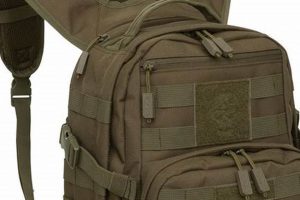
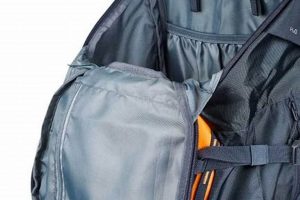
Carrying solutions designed for use in natural environments are essential equipment for anyone venturing beyond urban landscapes. These specialized carriers facilitate the transportation of necessary supplies, gear, and personal items during activities such as hiking, camping, and backpacking. A typical example would be a durable, weather-resistant pack used to carry food, water, shelter, and navigation tools on a multi-day trek.
The significance of appropriate load-bearing equipment in the wilderness cannot be overstated. Functioning as mobile storage units, they enable individuals to undertake extended journeys while maintaining independence and preparedness. Historically, these implements evolved from simple pouches and bundles to technologically advanced systems with features like internal frames, load-distributing hip belts, and specialized compartments.
The subsequent sections will delve into the crucial aspects of selecting suitable load-bearing equipment for natural environments, encompassing considerations such as capacity, construction materials, fit, and specific features that cater to diverse outdoor pursuits. These factors are vital to ensuring comfort, safety, and efficiency during excursions into natural settings.
Selection and Utilization Guidance
The appropriate choice and use of carrying systems for natural environments are crucial for a safe and successful experience. Adherence to the following recommendations can significantly enhance comfort, efficiency, and overall enjoyment of outdoor pursuits.
Tip 1: Prioritize Fit and Adjustment: A well-fitting pack is paramount. Torso length, not height, dictates the appropriate size. Ensure the hip belt rests comfortably on the iliac crest to transfer weight effectively. Shoulder straps should contour the shoulders without digging or slipping.
Tip 2: Consider Capacity Needs: Select a volume appropriate for the duration and nature of the activity. Day hikes typically require 20-35 liters, while multi-day trips may necessitate 50-75 liters or more. Avoid overpacking, as excess weight leads to fatigue and potential injury.
Tip 3: Evaluate Material Durability: Opt for robust materials such as ripstop nylon or polyester with a high denier rating. Reinforcements at stress points, such as seams and attachment loops, enhance longevity and resistance to abrasion.
Tip 4: Assess Suspension System Design: Internal frame packs offer superior load support and weight distribution compared to frameless designs. Look for features like adjustable torso length, ventilated back panels, and contoured shoulder straps.
Tip 5: Organize Contents Methodically: Utilize compartments and pockets to separate gear based on frequency of use and weight distribution. Place heavier items close to the spine and lower in the pack to maintain stability.
Tip 6: Employ Waterproofing Strategies: Even with water-resistant materials, consider using a rain cover or dry bags to protect sensitive items from moisture. Electronic devices, sleeping bags, and clothing should be stored in waterproof containers.
Tip 7: Practice Proper Lifting Techniques: Bend at the knees, not the waist, when lifting a fully loaded pack. Engage leg muscles to support the weight and avoid straining the back. Distribute the load evenly across both shoulders.
Implementing these strategies optimizes the functionality of load-bearing systems, contributing to a more secure and comfortable experience. Proper fit, judicious packing, and conscientious handling mitigate risks and maximize efficiency in natural settings.
The following sections will address considerations for maintaining and repairing carrying systems, as well as exploring advancements in design and technology.
1. Capacity (Volume)

Capacity, or volume, is a primary determinant in the selection of carrying equipment designed for natural environments. Measured in liters, it directly influences the quantity of essential supplies and gear that can be transported, thereby affecting the duration and nature of outdoor expeditions. The appropriateness of a pack’s volume must align with the specific requirements of the intended activity.
- Trip Duration and Load Requirements
Capacity is intrinsically linked to the length of the trip. Shorter excursions, such as day hikes, necessitate smaller volumes (20-35 liters) to accommodate essential items like water, snacks, and basic safety equipment. Extended backpacking trips, conversely, demand larger volumes (50-75 liters or more) to carry provisions, shelter, and specialized gear for multiple days. An inadequate volume necessitates compromising essential items, potentially impacting safety and comfort.
- Gear Type and Bulk
The nature of the equipment to be carried significantly influences volume requirements. Bulky items, such as sleeping bags, tents, and cooking systems, necessitate greater capacity. Technical activities, like mountaineering or climbing, often require specialized equipment, further increasing the volume needed. Efficient packing strategies and the selection of compact gear can mitigate the demand for excessive volume, but the fundamental relationship between gear type and capacity remains crucial.
- Weight Considerations and Ergonomics
While a larger capacity provides greater storage potential, it also increases the potential for carrying excessive weight. Overloading can lead to discomfort, fatigue, and even injury. Selecting an appropriate volume forces a judicious assessment of essential versus non-essential items, promoting a lighter and more manageable load. Furthermore, an appropriately sized pack, when properly fitted, contributes to improved weight distribution and ergonomic support, enhancing overall comfort and reducing strain on the body.
- Activity Specificity
Different outdoor activities have unique volume demands. A rock climbing pack, designed for carrying ropes, harnesses, and protection gear, often requires a specialized shape and volume to accommodate these items efficiently. Ski touring packs, on the other hand, prioritize features like avalanche safety equipment compartments and ski-carry systems, influencing the optimal volume. Selecting equipment tailored to the specific activity ensures that the volume aligns with the functional requirements of the pursuit.
In conclusion, the capacity of carrying equipment designated for use in natural environments is a critical factor determined by trip duration, gear requirements, weight considerations, and activity specificity. Careful evaluation of these elements is essential for selecting a pack that effectively supports the demands of the outdoor endeavor, promoting a safer and more enjoyable experience.
2. Frame Design

Frame design constitutes a critical element in the construction of load-bearing equipment intended for outdoor use. The frame dictates weight distribution, structural integrity, and overall carrying comfort, influencing the suitability of the equipment for varied terrains and load capacities.
- Internal Frame Systems
Internal frame designs feature structural supports, typically constructed from metal or rigid plastic, integrated within the pack’s main compartment. This configuration allows for a streamlined profile, enhancing stability and maneuverability in uneven terrain. Internal frames are commonly employed in mid- to large-volume packs, effectively transferring weight to the hips and legs, thereby reducing strain on the shoulders. For example, mountaineering packs often utilize internal frames to manage heavy loads while maintaining a close center of gravity.
- External Frame Systems
External frame systems employ a rigid, typically metal, frame that extends beyond the perimeter of the pack body. This design facilitates ventilation between the pack and the wearer’s back and enables the attachment of bulky or awkwardly shaped items. Historically prevalent, external frames remain suitable for carrying exceptionally heavy or unwieldy loads. An instance of this is seen in expeditions requiring the transport of substantial research equipment or supplies in remote locations.
- Frameless Systems
Frameless carrying equipment lacks an integrated structural support system. These designs prioritize lightweight construction and flexibility, making them suitable for minimalist pursuits where weight reduction is paramount and load weights are relatively low. Trail running vests and summit packs exemplify frameless systems, where agility and minimal encumbrance are essential.
- Suspension System Integration
The effectiveness of a frame design is intrinsically linked to the suspension system, comprising shoulder straps, a hip belt, and a back panel. A well-integrated suspension system ensures proper weight distribution and load transfer, mitigating pressure points and enhancing carrying comfort. Adjustable torso lengths and contoured components are crucial features that allow for a customized fit, optimizing the performance of the frame. An example would be a pack with an adjustable torso length allowing the user to fit the pack perfectly to their back so the hip belt sits correctly on the hips.
The selection of an appropriate frame design is contingent upon the intended application, load requirements, and personal preferences. Each design offers distinct advantages and limitations, and a thorough understanding of these characteristics is essential for optimizing the functionality and performance of load-bearing equipment in natural environments. Different frame designs work differently for backpacks for outdoors.
3. Material Durability

The longevity and reliability of carrying equipment used in outdoor environments are directly contingent upon the durability of the constituent materials. Material durability encompasses resistance to abrasion, tearing, water penetration, and ultraviolet (UV) degradation. The selection of appropriate materials is, therefore, paramount in ensuring the performance and lifespan of any load-bearing system intended for rigorous use.
The effects of inadequate material durability are readily apparent. A pack constructed from a low-denier nylon, for example, may exhibit premature wear, tearing at stress points such as seams or attachment loops, and compromised water resistance. Conversely, a pack utilizing high-denier ripstop nylon or reinforced polyester exhibits enhanced resistance to abrasion and tearing, prolonging its functional lifespan. Furthermore, the application of durable water repellent (DWR) coatings or waterproof laminates bolsters resistance to precipitation and moisture ingress, protecting the contents from environmental damage. In extreme conditions, the failure of material components can render the equipment unusable, potentially jeopardizing the safety and well-being of the user. For instance, a torn shoulder strap or a compromised waterproof lining can significantly impair the functionality of a pack during a multi-day trek, creating discomfort and compromising the integrity of the carried items.
In conclusion, the material composition of carrying equipment designed for outdoor use represents a critical determinant of its durability and overall utility. Rigorous material selection, construction techniques, and protective treatments are essential for ensuring that the equipment can withstand the demands of diverse environmental conditions and provide reliable performance over an extended lifespan. Understanding the relationship between material properties and environmental stressors allows for informed purchasing decisions and proactive maintenance, ultimately maximizing the value and dependability of load-bearing systems used in natural settings.
4. Ergonomic Fit

Ergonomic fit is a critical consideration in the design and selection of load-bearing equipment intended for use in outdoor environments. A properly fitted pack minimizes strain, optimizes weight distribution, and enhances overall comfort, thereby contributing to the user’s performance and safety during extended periods of physical exertion.
- Torso Length Adjustment
Torso length, measured from the C7 vertebra to the iliac crest, dictates the appropriate pack size. Adjustable torso length features allow users to customize the fit, ensuring the hip belt rests correctly on the iliac crest to transfer a significant portion of the load weight to the legs. An ill-fitting pack can result in uneven weight distribution, leading to shoulder strain, lower back pain, and reduced stability. As an example, a taller individual with a shorter torso may require a smaller pack with an adjustable suspension system to achieve an optimal fit.
- Hip Belt Design and Functionality
The hip belt serves as the primary weight-bearing component. Contoured hip belts, often featuring dual-density foam padding, conform to the natural curvature of the hips, providing enhanced comfort and load distribution. Adjustable hip belt angles and pivoting mechanisms accommodate varied body shapes and movements, further optimizing the fit. For example, a well-designed hip belt should prevent slippage and maintain consistent contact with the hips, even during dynamic activities such as hiking on uneven terrain.
- Shoulder Strap Contouring and Padding
Shoulder straps contribute to load stabilization and weight distribution. Contoured shoulder straps, designed to follow the natural curvature of the shoulders, prevent chafing and pressure points. Adjustable sternum straps connect the shoulder straps, preventing them from sliding off the shoulders and improving overall stability. Adequate padding minimizes pressure on the shoulders and clavicles, particularly when carrying heavier loads. An example of effective design includes wide, padded shoulder straps that evenly distribute weight across the shoulders, minimizing localized pressure.
- Back Panel Ventilation and Support
The back panel facilitates ventilation and provides structural support. Ventilated back panels, featuring mesh or foam padding with air channels, promote airflow and reduce moisture buildup, minimizing discomfort and chafing. Internal frames or rigid supports within the back panel enhance structural integrity and weight distribution. Lumbar pads provide additional support to the lower back, further improving comfort and stability. An instance of effective integration is a pack with a suspended mesh back panel that allows air to circulate freely between the pack and the user’s back, reducing perspiration and improving comfort in warm weather.
These facets of ergonomic fit, when properly implemented, contribute significantly to the functionality and usability of load-bearing equipment for natural environments. Ergonomic considerations should be prioritized during the selection process to ensure optimal comfort, performance, and injury prevention during outdoor activities. Careful attention to torso length, hip belt design, shoulder strap contouring, and back panel ventilation will enhance the overall experience and enable users to more effectively engage with the natural environment.
5. Weather Resistance

Weather resistance is a crucial characteristic of any load-bearing equipment designed for outdoor use. The ability of a pack to protect its contents from environmental elements directly influences the functionality of carried equipment and the safety of the individual in varied environmental conditions. The design and materials employed dictate the level of protection afforded against precipitation, humidity, and temperature fluctuations.
- Material Waterproofing and Water Resistance
The inherent water resistance of the materials used in the construction of packs is fundamental. High-denier nylon and polyester fabrics, often treated with durable water repellent (DWR) coatings, provide an initial barrier against moisture. Waterproof laminates or coatings, such as polyurethane (PU) or thermoplastic polyurethane (TPU), can enhance water resistance further. However, complete waterproofing typically necessitates seam sealing to prevent water penetration through stitching. For instance, a pack constructed from a high-denier nylon with a PU coating and taped seams offers a significantly higher level of protection against rain than a pack made from untreated canvas.
- Closure Systems and Design
The closure mechanisms of load-bearing equipment play a vital role in maintaining internal dryness. Zippered closures, while convenient, are inherently vulnerable to water ingress unless specifically designed with waterproof zippers or storm flaps. Roll-top closures, commonly found in dry bags and some backpacks, provide a watertight seal when properly secured. Drawcord closures, often used in conjunction with a top lid, offer limited water resistance and are best suited for drier conditions. An example would be a roll-top closure combined with welded seams, which is often found on dry bags, providing a watertight seal, critical for protecting electronics in wet environments.
- Rain Covers and Protective Accessories
Supplemental rain covers provide an additional layer of protection against precipitation. These covers, typically constructed from waterproof nylon or polyester, fit snugly over the exterior of the pack, shielding it from rain and snow. Integrated rain covers, stored in a dedicated pocket, offer convenient deployment during sudden weather changes. While rain covers provide comprehensive protection, they may not be suitable for prolonged submersion. For example, a brightly colored rain cover not only protects the pack from rain but also increases visibility in low-light conditions, enhancing safety.
- Impact of Environmental Conditions
The effect of prolonged exposure to moisture and humidity can degrade materials, promote mildew growth, and compromise the integrity of carried equipment. Electronic devices, sleeping bags, and medical supplies are particularly vulnerable to moisture damage. Proper weather resistance minimizes these risks, ensuring that essential items remain functional and protected. An instance of this could be the impact of humidity causing down sleeping bags to lose loft, reducing their insulation properties, while weather-resistant packs help to maintain their dryness and insulating abilities.
The integration of weather-resistant features into load-bearing equipment is paramount for ensuring the functionality, longevity, and safety of gear and individuals in outdoor environments. From waterproof materials and closure systems to supplemental rain covers, each element contributes to a comprehensive strategy for mitigating the risks associated with exposure to precipitation, humidity, and temperature fluctuations. Therefore, proper selection and maintenance of weather-resistant packs are vital considerations for any outdoor activity.
Frequently Asked Questions
The subsequent section addresses common inquiries concerning load-bearing equipment intended for use in outdoor environments. The information provided aims to clarify key considerations for selection, utilization, and maintenance.
Question 1: What constitutes an appropriate method for determining the correct pack size?
Pack size, specifically torso length, should be determined through measurement from the C7 vertebra to the iliac crest. This measurement dictates the appropriate frame size and ensures that the hip belt rests correctly on the hips for optimal weight transfer.
Question 2: How does one effectively mitigate the risk of water damage to gear within a pack?
Water damage can be mitigated through the utilization of waterproof or water-resistant materials, seam sealing, and the implementation of rain covers. Additionally, internal dry bags provide supplemental protection for sensitive items such as electronics and sleeping bags.
Question 3: What factors should be considered when assessing the durability of materials used in pack construction?
Material durability should be assessed based on denier rating, weave pattern (e.g., ripstop), and resistance to abrasion, tearing, and UV degradation. High-denier nylon and polyester fabrics with reinforced stitching offer enhanced durability.
Question 4: What are the relative merits of internal versus external frame systems?
Internal frame systems offer improved stability and maneuverability in uneven terrain, while external frame systems facilitate ventilation and the attachment of bulky items. The selection depends on the intended application and load requirements.
Question 5: How should a pack be packed to optimize weight distribution and comfort?
Heavier items should be positioned close to the spine and lower in the pack to maintain stability and reduce strain. Lighter items can be placed higher and further away from the spine. Utilize compression straps to minimize shifting and consolidate the load.
Question 6: What maintenance procedures should be followed to prolong the lifespan of a pack?
Regular cleaning to remove dirt and debris, proper storage in a dry environment, and prompt repair of any damage are essential maintenance procedures. Additionally, reapplication of DWR coatings can maintain water resistance.
In summary, careful attention to pack size, weather protection, material durability, frame design, packing techniques, and maintenance procedures will ensure the optimal performance and longevity of load-bearing equipment in outdoor environments.
The subsequent section will explore advanced features and emerging technologies in the realm of outdoor load-bearing equipment.
Backpacks for Outdoors
The preceding exploration has dissected the critical aspects of load-bearing equipment specifically designed for natural environments. Capacity, frame design, material durability, ergonomic fit, and weather resistance have been examined as key determinants of performance and user satisfaction. Each element contributes uniquely to the overall functionality and suitability of a pack for diverse outdoor pursuits. A comprehensive understanding of these factors enables informed decision-making when selecting equipment for specific activities and environmental conditions.
The judicious application of these principles is paramount for ensuring safety, comfort, and efficiency during outdoor endeavors. As technology advances, continued innovation in materials, designs, and features is anticipated, further enhancing the capabilities of load-bearing equipment. A commitment to responsible equipment selection and maintenance is crucial for preserving both personal well-being and the integrity of the natural environment.