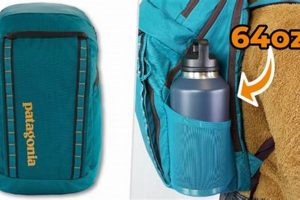
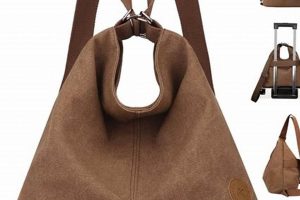
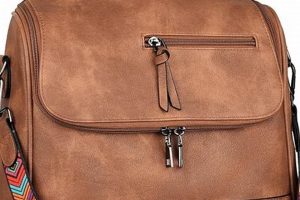
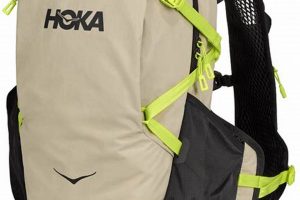
A specialized carrying device, designed to be worn on the back, typically features two shoulder straps and is tailored to fit the female physique. These items often include adjustments for torso length, shoulder width, and chest comfort, ensuring a more ergonomic and secure fit compared to unisex alternatives. For instance, a smaller frame benefits from a pack with a shorter torso length and narrower shoulder straps.
The importance of properly fitted carrying equipment cannot be overstated. A well-designed model distributes weight effectively, minimizing strain on the back and shoulders. Historically, advancements in materials and design have significantly improved comfort and load-carrying capacity. These advancements allow for extended use during various activities, such as hiking, travel, and daily commutes. The benefits include improved posture, reduced risk of injury, and enhanced overall comfort during use.
The subsequent sections will delve into the specific features to consider when selecting appropriate load-bearing equipment, exploring aspects such as capacity, materials, organizational compartments, and specialized features for different activities.
Essential Selection Guidance
Careful consideration should be given to specific requirements when acquiring load-bearing equipment intended for women. Fit, capacity, and intended use cases are paramount to ensuring optimal performance and user satisfaction.
Tip 1: Prioritize Proper Fit: Torso length and shoulder strap curvature are critical. Measure torso length from the C7 vertebra (prominent bone at the base of the neck) to the iliac crest (top of the hip bone) to determine appropriate frame size. Ensure shoulder straps comfortably contour the shoulders without digging or slipping.
Tip 2: Evaluate Capacity Needs: Select a volume that aligns with typical load requirements. Day hikes may necessitate a smaller capacity, while multi-day excursions will require greater volume. Excessively large packs encourage overpacking, leading to unnecessary weight and strain.
Tip 3: Assess Suspension System: Look for features such as adjustable hip belts and load lifter straps. A supportive hip belt transfers a significant portion of the load weight from the shoulders to the hips, enhancing stability and reducing back strain. Load lifter straps pull the upper portion of the pack closer to the body, improving balance.
Tip 4: Consider Material Durability: Opt for high-quality, abrasion-resistant fabrics such as ripstop nylon or Cordura. Reinforcement in high-wear areas, such as the bottom panel, extends the lifespan of the product.
Tip 5: Examine Organizational Features: Internal and external pockets facilitate efficient gear management. Consider the number and placement of pockets to accommodate frequently accessed items, such as water bottles, maps, and rain gear.
Tip 6: Evaluate Weight Distribution: Internal frames contribute to balanced weight distribution. An internal frame effectively transfers the load to the hips, minimizing strain on the upper body. Look for models with adjustable frames to customize the fit.
Tip 7: Investigate Water Resistance: Integrated rain covers provide essential protection in inclement weather. Ensure the cover is easily accessible and fits securely over the pack. Water-resistant zippers offer additional protection for sensitive items stored in external pockets.
Adhering to these selection criteria will contribute to a more comfortable and efficient experience, mitigating the risk of injury and maximizing the utility of the equipment.
The subsequent section will address specific product recommendations and comparisons, further assisting in the selection process.
1. Ergonomic design

Ergonomic design is paramount in the creation of comfortable and functional carrying equipment. Its application directly impacts the user’s physical well-being, particularly regarding spinal alignment, muscle strain, and overall load management during wear. In the context of specialized carrying devices, the influence of ergonomics is critical for women due to differences in anthropometry compared to men.
- Torso Length Accommodation
A shorter average torso length necessitates a design that allows for adjustable torso panels. A frame that is too long will shift the load incorrectly, causing discomfort and potential back pain. Conversely, a frame that is too short will not provide adequate support. Many backpacks intended for women provide ranges of adjustability and come in S, M, and L sizes to accomodate a broader user spectrum.
- Shoulder Strap Contouring
Female shoulders are typically narrower and more sloped than male shoulders. Ergonomic design addresses this by incorporating narrower and more contoured shoulder straps that prevent slippage and chafing. S-shaped straps are frequently employed to accommodate the curvature of the upper body and prevent pressure points. The angle of the straps matters, and it should be steep enough to hug the shoulder.
- Hip Belt Placement and Angle
Wider hips necessitate a hip belt that is specifically angled and contoured to provide optimal load transfer to the hips. A properly fitted hip belt transfers a substantial portion of the load weight away from the shoulders and spine, significantly reducing strain. The shape and padding of the hip belt are critical in distributing pressure evenly and preventing discomfort, especially during extended periods of wear, considering common higher fat and lower muscle mass distribution.
- Center of Gravity Optimization
The center of gravity influences balance and stability. Ergonomic design considers this through internal frame geometry and load distribution compartments. Maintaining the load close to the user’s center of gravity is especially important in dynamic activities such as hiking, climbing and running. A well-designed system will keep the load stable and minimize swaying, improving overall balance and reducing the risk of falls.
The synthesis of these ergonomic considerations in specialized load-bearing equipment results in superior comfort, enhanced performance, and reduced risk of injury. By accounting for the specific anatomical characteristics of women, manufacturers can create devices that are both practical and supportive, facilitating a more comfortable and efficient experience across a range of activities.
2. Load distribution

The efficient distribution of weight is a critical component of carrying equipment designed for women. Improper load distribution can lead to discomfort, fatigue, and potential injuries, particularly when carrying heavy loads for extended periods. Consequently, manufacturers incorporate specific design features to optimize load transfer and enhance user comfort.
Effective load distribution in carrying equipment is achieved through several key elements. The internal frame transfers the weight from the shoulders to the hips. A well-designed internal frame conforms to the contours of the back, providing support and stability. The hip belt, another critical component, secures the load to the hips, transferring a significant percentage of the weight away from the upper body. The angle and padding of the hip belt is important here, as the female waist and hips differ. Additionally, load lifter straps connect the shoulder straps to the upper portion of the bag, pulling the load closer to the body and improving balance. An example is a hiking pack designed for women, where a molded hip belt and adjustable load lifters work in tandem to distribute weight effectively, reducing strain on the shoulders and back, especially during multi-day treks.
Optimized weight distribution offers numerous benefits, including reduced strain on the back and shoulders, improved posture, and enhanced balance and stability. It allows for longer periods of comfortable use. Selecting equipment that incorporates effective load distribution principles is essential. This ensures a more enjoyable and safer experience, regardless of the intended activity. As such, load distribution is a key performance driver when choosing this type of equipment.
3. Material durability

Material durability is a primary determinant of the lifespan and utility of load-bearing equipment. The ability of a pack to withstand the rigors of use, environmental factors, and potential abrasion directly correlates to its long-term value and reliability. A comprehensive understanding of material properties is crucial when selecting specialized equipment designed for women.
- Abrasion Resistance
Fabrics such as ripstop nylon and Cordura offer enhanced abrasion resistance. Ripstop nylon, characterized by a reinforced grid pattern, prevents tears from spreading. Cordura, a high-tenacity nylon fabric, exhibits exceptional resistance to wear and tear. For example, the bottom panel of a travel pack often utilizes Cordura to withstand contact with rough surfaces, ensuring the contents are protected.
- Water Resistance and Waterproofing
The ability to repel or resist water penetration is crucial for protecting contents from moisture damage. Water-resistant coatings, such as polyurethane (PU) or durable water repellent (DWR) treatments, prevent water from soaking into the fabric. Fully waterproof materials, such as laminated nylon or coated polyester, provide complete protection against water ingress. A hiking pack intended for use in wet conditions might incorporate a waterproof membrane and taped seams to ensure the contents remain dry.
- UV Resistance
Prolonged exposure to ultraviolet (UV) radiation can degrade fabric strength and color. UV-resistant materials, such as those treated with UV inhibitors, mitigate the effects of sunlight, extending the lifespan of the equipment. A backpack frequently used outdoors benefits from UV-resistant materials to prevent premature fading and weakening of the fabric.
- Tear Strength
Tear strength refers to the force required to propagate a tear in the fabric. High-tear-strength materials, such as ballistic nylon, resist tearing even when punctured or snagged. Load-bearing points, such as shoulder strap attachment points, often utilize reinforced materials to prevent tearing under heavy loads.
The selection of equipment with appropriate material durability ensures longevity, protection of contents, and overall value. The interplay between abrasion resistance, water resistance, UV resistance, and tear strength determines its suitability for specific activities and environmental conditions. The proper material in specialized load-bearing equipment enhances its functionality and dependability.
4. Volume Capacity

Volume capacity dictates the amount of gear or supplies a carrying device can accommodate, which has a direct impact on its suitability for various activities. For specialized equipment designed for women, understanding volume capacity is crucial for selecting a pack that meets specific needs without compromising comfort or efficiency.
- Daypack Capacity (15-30 Liters)
Suitable for short excursions or everyday carry, this capacity range accommodates essentials such as water, snacks, extra clothing layers, and small personal items. This type is ideal for day hikes, city commutes, or travel where minimal gear is required. For example, a 25-liter pack is ample for a day hike with a hydration reservoir, a light jacket, and basic first aid supplies. Exceeding this capacity for short trips can lead to unnecessary weight and bulk.
- Weekend Pack Capacity (30-50 Liters)
Designed for overnight or weekend trips, this range provides sufficient space for camping gear, including a sleeping bag, tent, cooking equipment, and extra clothing. This is appropriate for multi-day hiking trips or travel where self-sufficiency is necessary. A 45-liter pack, for instance, can accommodate a compact tent, a lightweight sleeping bag, cooking utensils, and a change of clothes for a weekend backpacking trip. Adequate organizational features are particularly important in this capacity range to maintain efficient gear management.
- Extended Trip Capacity (50-75+ Liters)
This larger capacity range is intended for extended backpacking trips or expeditions where a significant amount of gear is required, including bulky items such as heavy-duty sleeping bags, extra clothing, and specialized equipment. These higher capacity rucksacks are often used in cold weather travel, for instance. A 70-liter pack allows for the transport of winter camping gear, including a four-season tent, a cold-weather sleeping bag, and multiple layers of insulated clothing. Load distribution and frame support are critical in this capacity range to manage the increased weight effectively.
- Considerations for Women’s Torso Length
Volume capacity must be considered in conjunction with torso length. A pack with a large capacity may not be suitable if the torso length is disproportionate to the user. Manufacturers often offer women’s-specific packs with shorter torso lengths to accommodate smaller frames. For example, a woman with a shorter torso may find a 50-liter pack more comfortable and manageable than a 60-liter pack, even if both have similar features. Proper fit ensures that the load is distributed evenly, minimizing strain and maximizing comfort. It’s also important to verify the carrying capacity weight to the frame and straps.
Therefore, selecting a pack with an appropriate volume capacity requires careful consideration of the intended activity, the amount of gear required, and the user’s physical dimensions. By aligning these factors, individuals can choose equipment that offers optimal performance, comfort, and functionality. Larger isn’t always better. The most important thing is to find the right fit for the torso.
5. Adjustability
Adjustability is a critical design aspect of load-bearing equipment intended for women, influencing comfort, stability, and overall performance. Given the diversity in female body shapes and sizes, adaptable features are essential to ensure proper fit and effective load distribution.
- Torso Length Adjustment
Torso length adjustability allows the carrying device to accommodate varying back lengths, ensuring the hip belt sits correctly on the iliac crest and the shoulder straps align properly. Mechanisms include sliding harnesses or adjustable frame sheets that enable precise customization. For instance, a woman with a shorter torso requires a pack with a shorter adjustable range to prevent the load from shifting excessively, thus mitigating strain. Without proper torso length adjustment, weight distribution is compromised, leading to discomfort and potential injury.
- Shoulder Strap Adjustment
Shoulder strap adjustment involves altering the length and angle of the straps to conform to the individual’s shoulder slope and width. Adjustable sternum straps further refine the fit, preventing the shoulder straps from slipping off the shoulders and distributing the load evenly across the chest. A woman with narrow shoulders benefits from adjustable straps that can be tightened to prevent chafing and maintain stability. Improperly adjusted shoulder straps can create pressure points and restrict arm movement, reducing efficiency.
- Hip Belt Adjustment
Hip belt adjustment enables the user to customize the fit around the hips, ensuring optimal weight transfer from the shoulders to the hips. Adjustable hip belts typically feature padding and a secure closure system that can be tightened or loosened to accommodate varying hip circumferences. A woman with wider hips requires a hip belt that can be extended to provide adequate coverage and support. An ill-fitting hip belt fails to transfer weight effectively, resulting in increased strain on the back and shoulders.
- Load Lifter Straps Adjustment
Load lifter straps connect the upper part of the shoulder straps to the pack frame, allowing the user to adjust the angle and proximity of the pack to the body. Tightening the load lifter straps pulls the top of the pack closer to the body, improving balance and preventing the load from shifting backward. A woman carrying a heavy load benefits from adjusted load lifter straps that maintain the center of gravity and reduce strain on the lower back. Incorrectly adjusted load lifter straps can cause the pack to sway, leading to instability and increased energy expenditure.
These adjustable elements collectively contribute to a more personalized and ergonomic fit, allowing women to carry loads comfortably and efficiently. The presence and functionality of these adjustment features are critical considerations when selecting specialized load-bearing equipment.
Frequently Asked Questions
The following addresses common inquiries regarding specialized carrying equipment, providing clarity on features, fit, and appropriate usage.
Question 1: What distinguishes carrying equipment designed specifically for women from unisex models?
Differences in torso length, shoulder width, and hip anatomy necessitate specialized designs. These designs typically feature shorter torso lengths, narrower shoulder straps with more pronounced curvature, and hip belts contoured to accommodate wider hips.
Question 2: How does proper fit impact performance and comfort?
Correct fit ensures effective load distribution, minimizing strain on the back, shoulders, and neck. A properly fitted model enhances stability, improves balance, and reduces the risk of injury, contributing to a more comfortable and efficient experience.
Question 3: What volume capacity is appropriate for various activities?
Day hikes require a smaller volume (15-30 liters), while overnight trips necessitate a larger volume (30-50 liters). Extended backpacking expeditions typically require 50 liters or more, depending on the duration and gear requirements.
Question 4: What materials are indicative of high-quality carrying equipment?
Durable and abrasion-resistant materials such as ripstop nylon and Cordura are desirable. Water-resistant coatings or waterproof membranes provide protection from moisture. Reinforced stitching and durable hardware enhance the overall lifespan.
Question 5: How important is adjustability in achieving optimal fit?
Adjustability in torso length, shoulder straps, and hip belt is crucial for tailoring the fit to individual body dimensions. These adjustments ensure proper load distribution, maximizing comfort and minimizing strain.
Question 6: What are the key features to consider when selecting a travel pack?
Accessibility and organization are paramount. Look for features such as lockable zippers, multiple compartments for efficient gear management, and durable, weather-resistant materials.
Understanding these factors contributes to the selection of load-bearing equipment that aligns with individual needs and enhances overall experience. Prioritizing fit, volume, materials, and adjustability is critical to long-term satisfaction.
The subsequent section will explore specialized carrying equipment for different activities, highlighting unique features and design considerations.
Comprehensive Insights into Women’s Rucksack Backpack
This exploration of the womens rucksack backpack category has underscored the significance of factors such as ergonomic design, load distribution, material durability, volume capacity, and adjustability. The selection of appropriate carrying equipment necessitates careful consideration of individual needs, physical characteristics, and intended use cases. Prioritizing proper fit and functionality is paramount to ensuring comfort, preventing injury, and maximizing the utility of the investment.
As advancements in materials and design continue to evolve, the efficacy and practicality of specialized carrying devices will likely increase. Informed decision-making, guided by a thorough understanding of essential features and their impact on performance, remains crucial for optimizing the user experience. A discerning approach to equipment selection, factoring in both immediate needs and long-term value, is advisable.