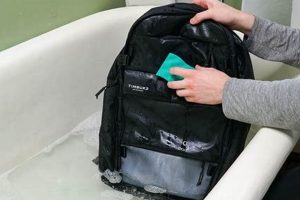
The feasibility of cleaning a rucksack utilizing automated laundry equipment is a common inquiry. Determining whether this method is appropriate requires careful consideration of the backpack’s material composition, construction, and any manufacturer instructions provided. Ignoring these factors could result in damage to the item or the washing machine.
Proper maintenance extends the lifespan of a backpack and preserves its functionality. Regularly cleaning removes dirt, debris, and potential allergens. Historically, manual cleaning methods were the norm, but the advent of automated washing offers a potentially more convenient alternative, provided suitable precautions are taken.
The subsequent sections will outline the necessary steps to assess a backpack’s suitability for machine washing, provide guidance on preparing the item for cleaning, describe the optimal washing machine settings, and offer drying recommendations to ensure the backpack retains its shape and integrity.
Washing a Backpack in a Machine
Successfully cleaning a rucksack within an automated washing appliance necessitates adherence to specific procedures. These recommendations aim to minimize potential damage and maximize cleaning efficacy.
Tip 1: Material Assessment: Prior to washing, carefully examine the backpack’s material composition. Avoid machine washing for leather, suede, or backpacks with extensive delicate embellishments. Consult the manufacturer’s care label for specific guidance.
Tip 2: Empty and Prepare: Remove all contents from the backpack, including items in small pockets. Turn the backpack inside out to protect the exterior fabric and hardware during the wash cycle.
Tip 3: Hardware Protection: Secure or remove any detachable straps, buckles, or metal components. Place the backpack inside a mesh laundry bag or pillowcase to prevent snagging or damage to the washing machine drum.
Tip 4: Mild Detergent Selection: Use a gentle, bleach-free detergent. Harsh chemicals can degrade the fabric and cause discoloration. Avoid using fabric softeners, as they can leave residue.
Tip 5: Gentle Wash Cycle: Select a delicate or gentle wash cycle with cold water. High heat can damage the material and cause shrinkage.
Tip 6: Thorough Rinsing: Ensure the backpack is thoroughly rinsed to remove all detergent residue. A second rinse cycle may be necessary.
Tip 7: Air Drying: Avoid machine drying. Hang the backpack upside down in a well-ventilated area, away from direct sunlight or heat. Stuff the backpack with clean towels to help it retain its shape during the drying process.
Adhering to these guidelines enhances the likelihood of a successful cleaning process, maintaining the backpack’s integrity and extending its usable lifespan.
Following these tips contributes to informed decision-making regarding backpack maintenance, allowing for a balance between convenience and the preservation of valuable items.
1. Material Compatibility

The suitability of washing a backpack in a machine is fundamentally linked to its material composition. Different materials react variably to water, detergent, and the mechanical action of a washing machine. For instance, backpacks constructed from durable synthetic fabrics like nylon or polyester generally withstand machine washing relatively well, provided appropriate precautions are taken. Conversely, natural materials such as leather or suede are highly susceptible to damage, including shrinkage, discoloration, and structural weakening, rendering machine washing an unsuitable cleaning method. The presence of blended fabrics further complicates the assessment, as the properties of each constituent material must be considered.
The type of material directly influences the choice of detergent and wash cycle. A mild detergent is universally recommended, but the specific type might need adjustment depending on the primary material. For example, a detergent formulated for delicate fabrics is preferable for backpacks containing a significant proportion of cotton or rayon. High-intensity wash cycles and high water temperatures pose significant risks to materials like waxed canvas or rubberized fabrics, potentially stripping their protective coatings or causing irreversible damage. A real-world example involves attempting to machine wash a leather-accented backpack, resulting in the leather components becoming stiff and cracked, thereby compromising the backpack’s aesthetic and functional integrity.
In conclusion, assessing material compatibility is a critical prerequisite before attempting to clean a backpack in a washing machine. Failure to adequately consider the material’s properties can lead to irreversible damage, shortening the lifespan of the item. The decision to proceed with machine washing should be based on a thorough understanding of the material’s response to water, detergent, and mechanical stress, alongside adherence to the manufacturer’s care instructions, if available. This understanding is essential for preserving the backpack’s integrity and extending its usability.
2. Hardware integrity

The structural soundness of a backpack’s hardware is a crucial factor when considering automated washing. Hardware, encompassing zippers, buckles, clasps, and metal frames, is vulnerable to damage during the machine washing process. Compromised hardware integrity can diminish a backpack’s functionality and overall lifespan.
- Zipper Resilience
Zippers are often the first point of failure during machine washing. The abrasive action can separate zipper teeth, rendering the zipper non-functional. Metal zippers are typically more durable than plastic ones. Prior to washing, securing zipper pulls or using a laundry bag minimizes the risk of damage. For example, neglecting to protect a delicate zipper can result in its complete detachment, necessitating costly repairs or backpack replacement.
- Buckle Durability
Plastic buckles, common on backpack straps and closures, can become brittle and prone to breakage when subjected to the heat and agitation of a washing machine. High-quality, robust buckles are more likely to withstand the washing process. When possible, removing buckles before washing reduces the risk of damage. An example is a flimsy buckle snapping during the wash cycle, compromising the strap’s adjustability.
- Metal Component Corrosion
Metal components, such as rivets or frame supports, are susceptible to corrosion when exposed to water and detergent. The use of a mild detergent and thorough rinsing are essential to minimize the risk of corrosion. Additionally, promptly drying the backpack after washing is crucial. Leaving a metal-framed backpack wet can lead to rust formation, weakening the frame and potentially staining the fabric.
- Clasp Security
Clasps, often used for securing flaps or pouches, can be damaged by the mechanical forces within a washing machine. Loose or poorly constructed clasps are particularly vulnerable. Ensuring clasps are securely fastened before washing can prevent them from breaking or becoming detached. For instance, a poorly attached clasp could be torn off, rendering a pocket or flap unusable.
The integrity of a backpack’s hardware significantly impacts its ability to withstand the machine washing process. Properly assessing and protecting these components is vital for maintaining the backpack’s functionality and preventing premature wear. Careful preparation, including securing or removing hardware, contributes to a successful wash and a longer lifespan for the backpack. Ignoring hardware integrity greatly increases the possibility that the bag will be damaged and may even have to be thrown away.
3. Detergent selection

Detergent selection is a pivotal consideration when determining the feasibility of cleaning a backpack within a washing machine. The chemical composition of the chosen detergent directly impacts the backpack’s material integrity, colorfastness, and overall structural stability.
- pH Level and Fabric Degradation
Detergents with high alkalinity (high pH) can degrade certain fabrics, particularly natural fibers such as cotton and linen. The elevated pH levels disrupt the chemical bonds within the fibers, leading to weakening and potential disintegration. For instance, using a standard laundry detergent with a pH above 10 on a canvas backpack could result in premature wear and tear. A neutral or mildly acidic detergent is generally recommended to minimize this risk.
- Enzymes and Stain Removal
Enzyme-containing detergents are effective at removing protein-based stains and grime. However, these enzymes can also damage delicate materials like wool or silk, if present in the backpack’s construction or embellishments. For synthetic fabrics, enzyme-containing detergents are generally safe. Understanding the fabric composition is crucial to avoid unintended damage.
- Bleaching Agents and Color Fading
Detergents containing bleaching agents, such as chlorine bleach or optical brighteners, can cause significant color fading or discoloration, especially on brightly colored or dark-toned backpacks. These agents chemically alter the dye molecules within the fabric. A color-safe detergent, specifically formulated without bleaching agents, is essential to preserve the backpack’s original appearance.
- Residue and Water Repellency
Certain detergents leave behind residue that can compromise the water-repellent properties of some backpack fabrics. This residue can attract dirt and grime, diminishing the backpack’s cleanliness over time. Using a clear-rinsing detergent, formulated to minimize residue buildup, is important for maintaining both cleanliness and functionality. A residue build-up would reduce the fabric’s water resistance and attract soil to the fabric.
The selection of an appropriate detergent is not merely a matter of convenience; it is a critical factor in preserving the structural integrity and aesthetic appeal of a backpack undergoing machine washing. The potential for damage from inappropriate detergents necessitates careful consideration of fabric composition, stain type, and desired cleaning outcome. A judicious choice is critical for safely washing a bag in a washing machine and extends the bag’s usable lifespan.
4. Wash Cycle
The selection of an appropriate wash cycle is a critical determinant in the feasibility of laundering a backpack within automated washing equipment. The intensity and duration of the wash cycle directly impact the backpack’s structural integrity and the effectiveness of the cleaning process.
- Agitation Intensity
A high-agitation wash cycle subjects the backpack to significant mechanical stress. This can lead to seam damage, hardware detachment, and fabric abrasion, particularly in backpacks constructed from delicate materials. Conversely, a low-agitation or delicate cycle reduces the risk of physical damage by minimizing the force applied to the backpack during washing. For instance, placing a backpack with fragile zippers in a normal cycle would likely result in zipper failure.
- Water Temperature
Elevated water temperatures can cause fabric shrinkage, color fading, and damage to certain materials, especially synthetics. Cold water washing is generally recommended for backpacks to minimize these risks. Hot water can also degrade adhesives used in the backpack’s construction, leading to delamination. As an example, using hot water on a backpack with a waterproof lining could cause the lining to separate from the outer fabric.
- Cycle Duration
Extended wash cycles increase the cumulative mechanical stress on the backpack. A shorter wash cycle minimizes the duration of exposure to agitation and water, reducing the likelihood of damage. Balancing cycle duration with cleaning effectiveness is essential. Selecting a pre-soak cycle may be helpful when trying to clean a heavily soiled bag.
- Spin Cycle Speed
The spin cycle, designed to remove excess water, can also exert significant force on the backpack. High-speed spin cycles can lead to deformation of the backpack’s shape and damage to its internal structure. A low-speed or no-spin cycle minimizes these risks, although it may necessitate a longer air-drying time. Choosing the correct spin cycle is important when machine washing any kind of bag. For instance, opting for no spin will reduce the wear and tear but increase drying time.
The proper selection of a wash cycle is a critical step in determining if one can successfully wash a backpack in the washing machine. By considering the agitation intensity, water temperature, cycle duration, and spin cycle speed, individuals can minimize the risk of damage and optimize the cleaning process. Selecting the appropriate wash cycle ensures both cleanliness and prolonged backpack longevity. This balance directly influences the overall success and safety of utilizing automated washing equipment for rucksack maintenance.
5. Drying method

The drying method employed after a backpack has undergone machine washing is inextricably linked to the overall success of the cleaning process and the item’s longevity. While the wash cycle focuses on removing dirt and grime, the drying phase is critical in preventing damage, maintaining shape, and inhibiting the growth of mold or mildew. The wrong drying technique can negate the benefits of a careful wash cycle, potentially causing irreversible harm. For instance, placing a wet backpack in a high-heat dryer can cause shrinkage, warping, or even melting of synthetic materials, negating any positive effects from the washing process.
Air drying is generally the recommended method for backpacks that have been machine washed. This involves hanging the backpack in a well-ventilated area, away from direct sunlight or heat sources, which can cause fading or material degradation. To maintain the backpack’s shape during drying, stuffing it with clean towels or packing paper is advisable. This prevents the material from collapsing and forming creases. An example of this is a backpack that is not stuffed while drying may become creased, wrinkled, and deformed, significantly reducing its aesthetic appeal and possibly affecting its functionality.
The drying process, therefore, forms an integral component of whether a backpack can indeed be safely washed in a machine. Improper drying techniques can lead to adverse outcomes, irrespective of how diligently the washing process was executed. By prioritizing air drying, maintaining shape, and avoiding heat exposure, one can mitigate the risks associated with machine washing and extend the backpack’s usability. The chosen drying method serves as the concluding step in responsible backpack maintenance, directly impacting the item’s durability and appearance post-cleaning.
6. Bag Structure
A backpack’s construction significantly impacts its suitability for machine washing. Complex internal frames, delicate stitching, or the presence of multiple compartments present inherent vulnerabilities. A poorly constructed backpack may experience seam separation, internal component displacement, or overall deformation when subjected to the forces of a washing machine. Therefore, a pre-wash assessment of structural integrity is paramount. For instance, a backpack with weakly stitched straps may experience strap detachment during the wash cycle, rendering the backpack unusable until repaired.
Backpacks featuring waterproof linings or coatings require particular attention. Machine washing can compromise these protective layers if the cycle is too aggressive or the detergent too harsh. High temperatures can cause delamination or weakening of the waterproof membrane. Reinforcing seams with specialized fabric glue before washing can mitigate the risk of separation. Likewise, backpacks with rigid frames, even if removable, may cause damage to the washing machine drum during the tumbling action. Consideration must also be given to bags with many small pockets and compartments. They must be emptied to avoid damage to the washing machine, and the stress on these sections needs to be understood as it could weaken seams.
In conclusion, the construction of a backpack is a primary consideration when evaluating its washability. Seam strength, internal framing, presence of specialty coatings, and the robustness of attachment points are all crucial factors. Careful assessment and proactive measures, such as seam reinforcement, can minimize the risk of damage, but some backpacks are simply not designed to withstand the rigors of machine washing. The bag structure is a crucial factor in determining if a backpack can withstand being cleaned in a washing machine.
Frequently Asked Questions
The subsequent section addresses common inquiries concerning the feasibility and methodology of cleaning backpacks using washing machines. These questions aim to clarify best practices and potential risks.
Question 1: What types of backpacks are unsuitable for machine washing?
Backpacks constructed from leather, suede, or those adorned with delicate embellishments should not be machine washed. Additionally, backpacks with significant structural damage or compromised seams are unsuitable candidates.
Question 2: How should a backpack be prepared before machine washing?
All items must be removed from the backpack. Empty all pockets and compartments. Detachable straps and accessories should be removed or secured. The backpack should be turned inside out to protect the exterior fabric.
Question 3: What type of detergent is recommended for machine washing a backpack?
A mild, bleach-free detergent is recommended. Harsh chemicals can damage fabric and cause discoloration. Fabric softeners should be avoided due to potential residue buildup.
Question 4: Which wash cycle settings are optimal for cleaning a backpack in a washing machine?
A delicate or gentle wash cycle with cold water is recommended. High heat can damage the material. A low-speed or no-spin cycle is advisable to minimize stress on the backpack’s structure.
Question 5: What is the proper method for drying a backpack after machine washing?
Air drying is the preferred method. The backpack should be hung upside down in a well-ventilated area, away from direct sunlight or heat. Stuffing the backpack with clean towels can help retain its shape.
Question 6: How can potential damage to the washing machine be prevented when cleaning a backpack?
Placing the backpack inside a mesh laundry bag or pillowcase can prevent snagging or damage to the washing machine drum. Ensuring all zippers are closed and buckles are secured also minimizes the risk of damage.
These FAQs offer guidance on informed decision-making concerning backpack maintenance, enabling a balance between cleaning convenience and item preservation.
The following section concludes the discussion with a summary of key takeaways and concluding remarks on the overall topic.
Concluding Considerations
The preceding analysis clarifies that the question “can you wash a backpack in the washing machine” does not yield a simple affirmative or negative answer. Instead, the appropriateness of this cleaning method hinges on a confluence of factors, including material composition, hardware integrity, bag structure, detergent selection, wash cycle parameters, and drying technique. A comprehensive assessment of these elements is crucial to mitigating potential damage and ensuring successful cleaning.
Responsible backpack maintenance requires informed decision-making. Understanding the specific characteristics of a backpack and adhering to recommended cleaning protocols extends the lifespan of valuable items. While machine washing presents a convenient option, the risks associated with improper execution necessitate careful consideration. The ultimate decision should prioritize the long-term preservation of the backpack’s functionality and aesthetic appeal, balancing convenience with the potential for irreversible damage.