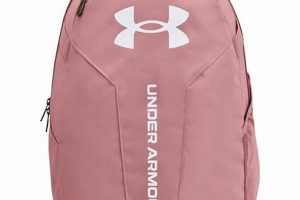
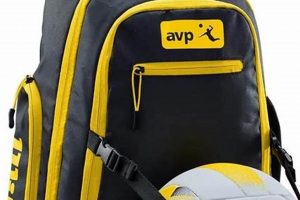
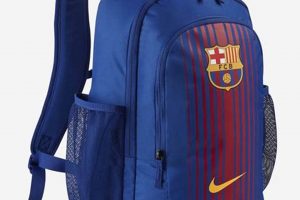
A carrying device designed with enhanced safety features to protect its contents from theft or unauthorized access is the focus. This type of bag often incorporates elements such as locking zippers, cut-resistant materials, hidden compartments, and RFID-blocking technology. For example, a student might utilize such a pack to safeguard valuable electronics and sensitive documents while commuting on public transportation.
The increased need for safeguarding personal belongings in public spaces drives the significance of these enhanced carrying solutions. Benefits include providing peace of mind, deterring opportunistic theft, and protecting sensitive data from electronic skimming. Historically, the concept of secure storage has evolved from simple locked boxes to more sophisticated and portable solutions, reflecting a growing awareness of personal security concerns.
The following sections will explore specific security features incorporated into advanced carrying solutions, delve into the materials used in their construction, and discuss considerations for selecting the appropriate option based on individual needs and risk assessments. Understanding these aspects is vital in making informed decisions regarding personal security and property protection.
Selection and Utilization Guidance
The following guidelines offer practical advice for choosing and using enhanced carrying solutions effectively, maximizing their protective capabilities and ensuring long-term utility.
Tip 1: Material Evaluation: Prioritize bags constructed from cut-resistant fabrics, such as those incorporating steel mesh or high-density polyethylene. These materials offer a significant barrier against attempts at slashing or cutting the bag open.
Tip 2: Zipper Security: Opt for models featuring locking zippers or concealed zipper closures. These mechanisms deter opportunistic theft by making it more difficult for unauthorized individuals to access the bag’s contents quickly.
Tip 3: RFID Protection: Consider models equipped with RFID-blocking technology, especially if carrying passports or credit cards. This feature shields sensitive data from electronic skimming, preventing unauthorized access to personal information.
Tip 4: Compartmentalization: Utilize the bag’s internal compartments strategically. Place valuable items in less accessible areas or hidden pockets, making them harder to locate and retrieve by potential thieves.
Tip 5: Attachment Security: When feasible, secure the bag to a stationary object using a cable lock or other restraint. This prevents snatch-and-grab thefts, particularly in crowded or high-risk environments.
Tip 6: Awareness and Vigilance: Remain aware of surroundings and potential threats. Avoid leaving the bag unattended in public places and exercise caution when navigating crowded areas.
Tip 7: Regular Inspection: Routinely inspect the bag for signs of wear and tear, including weakened seams, compromised zippers, or damaged security features. Address any issues promptly to maintain the bag’s protective capabilities.
These tips highlight proactive measures to enhance personal security and protect belongings. Implementing these recommendations can significantly reduce the risk of theft and unauthorized access.
The concluding section will offer a comprehensive summary and final recommendations, reinforcing the importance of informed decision-making regarding safeguarding personal possessions.
1. Durable Construction
Durable construction is a foundational aspect of a carrying device designed for security. Its integrity directly influences the bag’s ability to withstand external forces and protect its contents from damage or unauthorized access. The quality of materials and manufacturing processes are paramount in determining its overall effectiveness as a security measure.
- Material Strength and Resilience
The selection of robust materials, such as high-denier nylon, reinforced canvas, or ballistic fabrics, is critical. These materials exhibit superior tensile strength, tear resistance, and abrasion resistance, providing a physical barrier against cuts, punctures, and general wear and tear. For example, military-grade backpacks often employ these materials to withstand harsh environments and protect sensitive equipment.
- Reinforced Seams and Stress Points
The manner in which the materials are joined together significantly impacts the structural integrity. Reinforced seams, utilizing techniques such as double stitching, bartacking, or binding, distribute stress evenly across the bag, preventing separation or failure under load. Stress points, such as attachment points for straps and handles, require additional reinforcement to withstand repeated use and heavy loads. Failure to adequately reinforce these areas can compromise the bag’s overall durability and security.
- Weather Resistance and Environmental Protection
Durable construction extends beyond physical strength to include resistance to environmental factors. Water-resistant or waterproof coatings, such as polyurethane (PU) or durable water repellent (DWR) finishes, protect the contents from moisture damage. Similarly, UV-resistant materials prevent degradation and fading from prolonged exposure to sunlight. This is especially important for electronic devices or sensitive documents stored inside.
- Component Quality and Longevity
The longevity depends not only on the main body materials but also on the quality of components such as zippers, buckles, and straps. Heavy-duty zippers made from metal or high-quality nylon are less prone to breakage or tampering. Similarly, robust buckles and straps ensure secure closure and prevent accidental release, further enhancing the bag’s reliability and security.
In conclusion, durable construction is not merely an aesthetic feature but a fundamental requirement for security-focused carrying solutions. The combination of robust materials, reinforced seams, weather resistance, and high-quality components creates a resilient and reliable barrier against external threats, safeguarding the contents from damage and unauthorized access, ultimately defining its effectiveness.
2. Locking Mechanisms

Locking mechanisms represent a critical component in the design of security-focused carrying solutions. Their integration serves to deter unauthorized access and protect the contents from theft or tampering. The effectiveness of a secure backpack is directly correlated to the sophistication and robustness of its locking features.
- Zipper Locking Systems
Zipper locking systems involve various methods to secure zipper closures, preventing easy access to the bag’s contents. Examples include combination locks integrated directly into the zipper pulls, small padlocks that can be attached to the zipper sliders, and interlocking zipper designs that require a specific tool for opening. These systems provide a visual deterrent and add a layer of security that hinders quick, opportunistic theft. The implications of using effective zipper locking systems are a reduction in the risk of casual theft in crowded environments.
- Cable Locks and Anchor Points
Cable locks, typically made of steel or other strong materials, allow the bag to be physically secured to a stationary object. The backpack incorporates reinforced anchor points to which the cable lock can be attached. This prevents snatch-and-grab thefts, particularly in situations where the bag must be temporarily left unattended, such as in a public transportation setting. Cable locks significantly reduce the vulnerability of the bag to theft by physically tethering it to its surroundings.
- Concealed Closure Systems
Concealed closure systems prioritize discreet security. These systems obscure the opening mechanisms, making it more difficult for potential thieves to identify access points. Examples include hidden zippers, magnetic closures covered by flaps, or roll-top designs with secure buckles. By minimizing the visibility of access points, these systems reduce the likelihood of targeted theft. Their effectiveness lies in creating a less attractive target for individuals seeking easy access to valuables.
- Electronic Locking Systems
Electronic locking systems represent an advanced approach to security. These systems may utilize fingerprint recognition, RFID technology, or Bluetooth connectivity to control access to the bag’s contents. They offer a high level of security and can be customized to restrict access to authorized users only. Although less common due to higher cost and complexity, electronic locking systems provide a robust defense against unauthorized access and offer features such as remote locking and unlocking capabilities.
The integration of these locking mechanisms directly enhances the overall security of the backpack. The selection of appropriate locking systems should align with the anticipated level of risk and the specific security needs of the user. The combination of physical and electronic locking solutions provides a comprehensive approach to protecting personal belongings.
3. RFID Blocking

Radio-Frequency Identification (RFID) blocking is a security feature increasingly integrated into carrying devices designed for personal property protection. Its purpose is to mitigate the risk of unauthorized access to data stored on RFID-enabled devices, a vulnerability particularly relevant in densely populated areas. This technological countermeasure is a significant element in modern secure backpacks.
- Mechanism of Protection
RFID blocking operates by creating a Faraday cage effect, typically employing a metallic mesh or specialized fabric within the bag’s lining. This conductive layer disrupts the radio waves used to communicate with RFID chips, preventing external readers from accessing the information stored on embedded chips in items such as credit cards, passports, and identification cards. The practical result is that unauthorized scanning attempts are rendered ineffective, safeguarding sensitive data. The integration of this technology addresses the risk of electronic pickpocketing.
- Material Composition and Effectiveness
The effectiveness of RFID blocking is contingent upon the material composition and construction of the shielding layer. Materials like nickel-copper-polyester blends and specialized aluminum laminates offer varying levels of radio wave attenuation. Independent testing and certification standards, such as those provided by industry organizations, can provide validation of the blocking performance. The shielding needs to be continuous and free of gaps to effectively block radio waves across the relevant frequency ranges. Materials and construction quality significantly impact performance.
- Practical Applications and Usage Scenarios
In practical scenarios, RFID blocking provides a layer of defense against data theft in crowded environments, such as airports, public transportation, and shopping centers. The presence of RFID-enabled cards and documents necessitates this preventative measure. For instance, an individual traveling internationally can employ a secure backpack with RFID-blocking compartments to protect their passport and credit cards from potential skimming. This proactive approach reduces exposure to identity theft and financial fraud.
- Limitations and Considerations
Despite its benefits, RFID blocking is not a panacea. The technology primarily protects against unauthorized reading of RFID chips and does not safeguard against other forms of theft or data breaches. Furthermore, the blocking effectiveness can degrade over time due to wear and tear on the shielding material. It is essential to regularly inspect the RFID-blocking components of a bag to ensure their continued functionality. The technology addresses a specific vulnerability, and should be viewed as one component within a comprehensive security strategy.
The strategic incorporation of RFID-blocking technology into secure backpacks reflects a growing awareness of electronic security threats. While not a complete solution in itself, it contributes significantly to reducing the risk of unauthorized data access in a world increasingly reliant on RFID-enabled devices. The feature is particularly beneficial for travelers and individuals in densely populated environments where the risk of electronic theft is elevated.
4. Cut Resistance

Cut resistance, in the context of a secure backpack, refers to the ability of the bag’s materials to withstand attempts at slashing or cutting with sharp objects. This feature is paramount in deterring theft and protecting the contents from unauthorized access via forced entry. The level of cut resistance is determined by the materials used and the construction techniques employed.
- Material Composition and Testing Standards
The primary determinant of cut resistance is the fabric used in the backpack’s construction. High-density polyethylene (HDPE), ultra-high-molecular-weight polyethylene (UHMWPE), and fabrics incorporating steel or fiberglass fibers are commonly utilized. These materials possess exceptional tensile strength and resistance to abrasion, making them difficult to penetrate with knives or other sharp instruments. Cut resistance is often measured using standardized testing methods, such as the EN 388 standard, which assesses a material’s resistance to blade cuts under varying levels of force. The higher the rating, the greater the material’s ability to withstand cutting attempts.
- Construction Techniques and Layering
The manner in which cut-resistant materials are incorporated into the backpack’s design is equally important. Layering multiple plies of cut-resistant fabric can significantly enhance the overall resistance to penetration. Seams and zippers are potential weak points that can be targeted by thieves; therefore, reinforced stitching and concealed zipper designs are crucial. The construction should aim to minimize exposed areas where a cutting tool can easily gain purchase. The effectiveness of cut resistance is directly tied to the integrity of the entire bag structure, not just the individual materials.
- Real-World Applications and Threat Mitigation
Cut resistance provides a tangible benefit in situations where the backpack is vulnerable to theft or tampering. For example, in crowded urban environments or during international travel, a bag with cut-resistant properties can deter opportunistic thieves who might attempt to slash the bag open to steal its contents. The feature is particularly valuable for protecting high-value items such as laptops, cameras, or travel documents. While no bag is entirely impervious to cutting, a cut-resistant design significantly increases the time and effort required to gain access, making the bag a less attractive target.
- Limitations and Complementary Security Features
It is important to recognize that cut resistance has limitations. While it can effectively deter casual or opportunistic theft, a determined attacker with specialized tools may still be able to breach the bag. Therefore, cut resistance should be viewed as one component of a comprehensive security strategy. Complementary features, such as locking zippers, RFID blocking, and alarm systems, can further enhance the overall security of the backpack. The effectiveness of cut resistance is maximized when combined with other preventative measures.
In conclusion, cut resistance represents a significant security enhancement for backpacks intended for protecting valuable or sensitive contents. The effectiveness of this feature is dependent on the quality of materials used, the design of the bag, and the integration of complementary security measures. While cut resistance cannot guarantee complete protection, it serves as a strong deterrent and mitigates the risk of theft in various real-world scenarios. The selection of a backpack with appropriate cut-resistant properties should be guided by an assessment of the anticipated threat level and the specific security requirements of the user.
5. Concealed Pockets

Concealed pockets, as a design element within a secure backpack, contribute significantly to its overall protective functionality. These hidden compartments offer a discreet means of safeguarding valuable items, thereby increasing the difficulty for unauthorized individuals to access or detect them. The presence and strategic placement of such pockets enhance the security profile of the bag.
- Discreet Storage and Theft Deterrence
Concealed pockets serve as a deterrent to opportunistic theft by removing valuables from plain sight. Their placement within the lining, behind other compartments, or in otherwise inconspicuous locations makes them less likely to be discovered during a cursory search. For example, a passport or wallet placed in a hidden pocket is far less vulnerable than if stored in an easily accessible outer compartment. This design choice prioritizes security through concealment, minimizing the risk of casual theft.
- Protection Against Pickpocketing
Pickpockets often target readily accessible pockets and compartments. Concealed pockets, due to their hidden nature, offer a degree of protection against this form of theft. Locating a hidden pocket requires a more thorough search, increasing the time and effort required for a successful theft, and consequently, increasing the risk of detection for the perpetrator. This functionality is particularly useful in crowded environments where pickpocketing is a common concern. The design inherently reduces exposure to theft in high-risk areas.
- Enhanced Organization and Accessibility (for Authorized Users)
While primarily focused on security, concealed pockets can also enhance organization for the bag’s owner. Strategically placed hidden compartments can provide a dedicated space for specific items, such as keys, cash, or sensitive documents, allowing for quick and easy access by the authorized user while remaining hidden from others. This dual-purpose design balances security with usability, ensuring that essential items are both protected and readily available.
- Integration with Other Security Features
Concealed pockets often complement other security features found in secure backpacks. For example, a hidden compartment might be located behind an RFID-blocking panel, providing both physical and electronic protection for sensitive documents and cards. Similarly, a concealed pocket could be secured with a locking zipper or magnetic closure, adding an additional layer of security against unauthorized access. The effectiveness of concealed pockets is amplified when combined with other protective measures, creating a more robust security profile.
In conclusion, concealed pockets represent an integral part of a secure backpack’s design, offering a discreet and effective means of safeguarding valuables against theft. Their strategic placement, coupled with complementary security features, enhances the overall protection offered by the bag. The presence of such pockets signifies a commitment to both security and practicality, catering to the needs of users who prioritize the safety of their belongings.
6. Tamper Resistance

Tamper resistance, as an attribute of a secure backpack, denotes the bag’s capacity to deter or reveal attempts at unauthorized manipulation or intrusion. This characteristic is achieved through specific design elements and material choices intended to frustrate efforts to gain covert access to the bag’s contents. Tamper resistance is a critical component of overall security, providing a line of defense against surreptitious theft or the introduction of harmful substances. For example, a secure backpack designed for carrying sensitive documents might incorporate tamper-evident seals, which, if broken, would immediately indicate that the bag had been opened. The importance lies in the deterrence and detection of unauthorized actions, ensuring that any intrusion is readily apparent.
Further examples of tamper-resistant features include specialized zippers that interlock or require a unique tool for opening, effectively preventing easy access. Another approach involves the use of materials that show visible signs of tampering, such as coatings that change color or texture when disturbed. The practical application of these features extends to various scenarios, including transporting valuable items, protecting confidential information, or safeguarding evidence. The presence of tamper-resistant elements provides an added layer of security and peace of mind, particularly in environments where the risk of unauthorized access is elevated. A courier transporting confidential legal documents, for instance, would rely on such features to ensure the integrity of the contents during transit.
In summary, tamper resistance plays a crucial role in enhancing the security and reliability of backpacks intended for safeguarding sensitive items. The integration of tamper-evident seals, specialized locking mechanisms, and materials designed to reveal manipulation efforts contributes to a more robust defense against unauthorized access. While achieving absolute tamper-proof security is challenging, the implementation of these features significantly increases the difficulty and risk associated with covert intrusion, thereby enhancing the overall security of the bag and providing a greater level of assurance to the user. The ongoing evolution of tamper-resistant technologies reflects the continuous effort to stay ahead of potential threats and maintain the integrity of secure carrying solutions.
7. Weight Distribution

Effective weight distribution is a crucial, often overlooked, component of a carrying device designed for security. While security features such as locking mechanisms and cut-resistant materials directly deter theft, proper weight distribution enhances user comfort and, indirectly, the bag’s security. Imbalanced loads increase strain on the wearer, leading to fatigue and potentially affecting situational awareness, thereby making the individual more vulnerable to opportunistic crimes. For instance, a traveler burdened by an improperly weighted pack may be less attentive to surroundings in a crowded airport, creating an opportunity for theft. Therefore, weight distribution is an essential ergonomic consideration that has a knock-on effect on the efficacy of the device.
The practical application of understanding this connection involves selecting secure backpacks with adjustable straps, internal compression systems, and well-padded back panels. These features enable the user to customize the fit and evenly distribute the load across the shoulders and hips. An example includes military-style backpacks adapted for civilian use, which often incorporate internal frames and load-bearing hip belts to transfer the bulk of the weight from the shoulders to the stronger muscles of the lower body. This reduces strain and allows for more prolonged and comfortable wear. Furthermore, strategically organizing items within the bag, placing heavier objects closer to the back and lower down, maintains a more stable center of gravity. This contributes to improved balance and reduced risk of falls or stumbles, especially in uneven terrain or crowded environments.
In conclusion, optimal weight distribution is intrinsically linked to the security and practicality of the device. While it does not directly prevent theft, it enhances user comfort, reduces fatigue, and improves situational awareness, indirectly contributing to the wearer’s ability to protect belongings. The ergonomic design of the device, incorporating adjustable features and promoting proper load balancing, is therefore as important as the physical security mechanisms themselves. Understanding the interplay between weight distribution and overall security is crucial for selecting and utilizing secure carrying solutions effectively. The challenge lies in designing and choosing packs that prioritize both physical protection and ergonomic comfort, recognizing that these elements are not mutually exclusive but rather complementary aspects of a well-rounded security strategy.
Frequently Asked Questions
The following section addresses common inquiries regarding carrying solutions designed with enhanced security features. It aims to provide clarity and informed perspectives on pertinent issues related to these specialized products.
Question 1: What distinguishes a secure backpack from a standard backpack?
A secure backpack incorporates features exceeding those of standard backpacks. These may include cut-resistant materials, locking zippers, RFID-blocking technology, and concealed compartments. The primary purpose is to deter theft and protect contents from unauthorized access.
Question 2: Are secure backpacks entirely theft-proof?
No carrying device can guarantee complete protection against theft. Secure backpacks are designed to significantly reduce the risk of theft by incorporating multiple security features. However, a determined and resourceful thief may still find ways to circumvent these measures.
Question 3: Is RFID-blocking technology truly effective?
RFID-blocking technology can be effective in preventing unauthorized scanning of RFID-enabled cards and documents. The effectiveness depends on the quality and construction of the blocking material. Independent testing and certification can provide assurance of performance.
Question 4: What materials offer the best cut resistance?
Materials such as high-density polyethylene (HDPE), ultra-high-molecular-weight polyethylene (UHMWPE), and fabrics incorporating steel or fiberglass fibers offer significant cut resistance. The effectiveness depends on the material’s density, weave, and the overall construction of the bag.
Question 5: How important is weight distribution in a secure backpack?
Proper weight distribution is crucial for user comfort and indirectly contributes to security. Imbalanced loads can cause fatigue and reduce situational awareness, making the wearer more vulnerable to theft. Look for features such as adjustable straps and internal compression systems.
Question 6: Are electronic locking systems a worthwhile investment?
Electronic locking systems can provide a high level of security and control over access to the bag’s contents. However, they also increase the cost and complexity of the bag. The suitability of an electronic locking system depends on individual security needs and budget considerations.
In summary, a secure backpack offers enhanced protection through various security features. Understanding the strengths and limitations of these features is crucial for making informed decisions.
The following section presents a comprehensive conclusion to this exploration of carrying solutions, reinforcing the core concepts and highlighting actionable recommendations.
Conclusion
This exploration of the secure backpack has underscored the multifaceted nature of personal property protection. Key elements, including durable construction, advanced locking mechanisms, RFID blocking, cut resistance, concealed pockets, tamper resistance, and proper weight distribution, collectively contribute to a robust defense against theft and unauthorized access. The effectiveness of any given carrying solution is contingent upon the quality of materials, the sophistication of its design, and the user’s awareness of its capabilities and limitations.
The decision to invest in a secure backpack should be driven by a careful assessment of individual risk factors and security requirements. While no product can guarantee absolute protection, a well-chosen and diligently maintained secure backpack provides a tangible deterrent and mitigates the likelihood of loss or compromise. Continued vigilance, coupled with informed selection and responsible usage, remains paramount in safeguarding personal belongings in an increasingly complex and uncertain world.