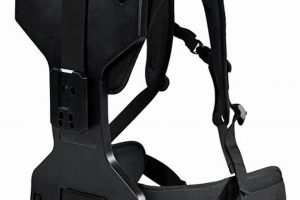
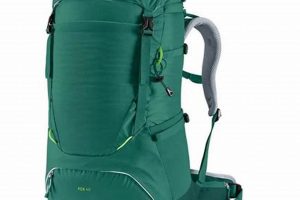
This component, typically a narrow piece of webbing, connects the shoulder straps across the chest. Its primary function is to prevent the shoulder straps from sliding off the shoulders, particularly during strenuous activities. An example is its use while hiking on uneven terrain, where it helps maintain pack stability.
The implementation of this feature contributes significantly to improved comfort and load distribution. By drawing the shoulder straps inward, it shifts weight off the shoulders and onto the torso. This functionality is particularly beneficial when carrying heavier loads, reducing strain and fatigue. Its inclusion in pack design reflects an understanding of ergonomic principles and the need for secure and comfortable equipment.
Further discussion will detail adjustment techniques for optimal fit and how proper usage can enhance overall pack-carrying experience. Considerations for material selection and its impact on durability will also be addressed, alongside variations in design and purpose-built applications.
Optimizing Backpack Stability and Comfort
Effective utilization enhances load carriage efficiency and minimizes potential discomfort. The following guidelines offer insights into maximizing its benefits.
Tip 1: Adjustment Before Loading. Ensure proper positioning prior to loading the backpack. An unloaded adjustment allows for a more accurate fit assessment and prevents unnecessary strain during the process.
Tip 2: Mid-Chest Positioning. Position the component approximately one inch below the collarbone. This placement promotes optimal weight distribution and reduces pressure points on the shoulders.
Tip 3: Snug, Not Restrictive. Tighten until the shoulder straps are drawn comfortably inward, preventing slippage without impeding breathing or movement. Over-tightening can restrict circulation and hinder performance.
Tip 4: Re-Adjustment During Activity. Minor adjustments may be necessary during prolonged physical activity as clothing layers shift or the pack settles. Periodic checks will ensure continued stability and comfort.
Tip 5: Symmetric Tightening. Maintain even tension on both sides to prevent uneven weight distribution. Asymmetrical tightening can lead to postural imbalances and discomfort.
Tip 6: Inspect for Wear and Tear. Regularly inspect the component and its attachment points for signs of damage or wear. Prompt replacement ensures continued functionality and prevents potential failures.
Tip 7: Loosen for Ventilation. During periods of low activity or when increased ventilation is required, slightly loosen the strap to promote airflow and reduce heat buildup.
Following these guidelines contributes to a more stable, comfortable, and efficient pack-carrying experience. Proper adjustment minimizes strain and enhances overall performance during outdoor pursuits.
The subsequent sections will explore specific design considerations and advanced techniques for optimizing pack fit and load management.
1. Stabilization
The primary function of a is to enhance pack stabilization, particularly during dynamic movements. By connecting the shoulder straps across the chest, it limits lateral sway, preventing the pack from shifting excessively from side to side. This stabilization reduces the energy expenditure required to maintain balance, especially during activities such as hiking on uneven terrain or navigating technical trails. The degree of stabilization is directly proportional to the strap’s tension; however, over-tightening can impede breathing. Examples include the use of larger backpacks for mountaineering, where a properly adjusted sternum strap is essential for maintaining stability and control while traversing challenging landscapes.
Effective stabilization contributes to improved posture and reduced muscle fatigue. When the pack remains stable, the user is less likely to compensate with unnatural movements, minimizing strain on the back and shoulders. This is particularly crucial during extended periods of load carriage. Consider a scenario involving military personnel carrying heavy rucksacks over long distances; the stabilization provided by the strap enables more efficient energy utilization and reduces the risk of musculoskeletal injuries. The relationship between stabilization and posture is therefore vital to carrying comfort.
In summary, the stabilization afforded by is a critical factor in promoting efficient and comfortable load carriage. This functionality contributes to improved balance, reduced energy expenditure, and minimized risk of injury. Understanding the principles of stabilization and proper adjustment techniques is essential for maximizing the benefits of backpack design and ensuring a safe and efficient outdoor experience. Furthermore, the stability it provides is useful in other scenarios such as when skiing with a backpack which is why this strap is vital.
2. Weight Distribution

The component significantly influences weight distribution across the torso. By connecting the shoulder straps, the device draws them inward, shifting a portion of the load-bearing responsibility from the shoulders to the chest and upper back. This redistribution reduces localized pressure on the trapezius muscles, mitigating potential strain and discomfort. Without this stabilization mechanism, shoulder straps are more prone to splaying outward, concentrating weight on a smaller surface area and increasing the likelihood of pressure points. Backpacking exemplifies this principle: heavier loads necessitate enhanced weight distribution to prevent fatigue and potential injury.
Proper adjustment maximizes weight transfer to the skeletal structure. A snug, but not overly tight, engagement promotes a more balanced distribution, aligning the pack’s center of gravity closer to the body’s natural axis. This alignment reduces the need for compensatory movements, conserving energy and improving stability. Consider a climber ascending a steep incline; a well-adjusted promotes a more vertical posture, facilitating efficient transfer of energy from the legs to the upper body. The effect extends to everyday use such as hiking or carrying the books; appropriate weight management minimizes long-term postural imbalances.
In summary, facilitates a more equitable distribution of weight, mitigating localized stress and promoting a balanced load carriage. This functionality is crucial for enhancing comfort, reducing fatigue, and preventing musculoskeletal strain, particularly during prolonged or strenuous activities. Understanding the relationship between adjustability and weight allocation is essential for optimizing performance and minimizing the risk of injury across diverse applications.
3. Adjustability

Adaptability is a key attribute of a sternum strap, impacting both comfort and performance. The capacity to alter the strap’s length and vertical position is crucial for accommodating varying body sizes, shapes, and clothing layers. Insufficient adjustability restricts the ability to achieve a secure and comfortable fit, potentially compromising load distribution and stability. For example, a user wearing bulky winter gear requires a longer strap than when wearing lightweight summer clothing. The range of adjustability directly influences the strap’s suitability for diverse individuals and situations.
The practical significance of adjustability extends to dynamic load management. As the weight distribution within a backpack shifts during movement, minor adjustments to the sternum strap can maintain optimal stabilization. This is especially relevant during activities involving uneven terrain or sudden changes in pace. A cyclist navigating a bumpy trail may need to tighten the sternum strap to prevent excessive pack sway. Similarly, hikers tackling steep inclines might loosen it slightly to allow for greater freedom of movement. This responsiveness ensures the strap continues to provide appropriate support and minimize discomfort.
In conclusion, the degree to which a is adjustable directly influences its effectiveness in promoting comfortable and stable load carriage. A wide range of adjustability accommodates individual variations, facilitates dynamic load management, and enhances overall performance. The design of a quality must therefore prioritize adjustability to maximize its utility and user satisfaction. Limited range and fixed positioning decreases the potential for the user to fully adapt to the sternum strap.
4. Material Durability

Material durability directly impacts the lifespan and functionality of the component. The webbing, buckles, and attachment points are subject to repeated stress, abrasion, and environmental exposure. Substandard materials degrade prematurely, leading to strap failure, compromised load stability, and potential safety hazards. High-tenacity nylon or polyester webbing, for example, resists tearing and stretching under load, ensuring the strap maintains its integrity over extended use. The same is true for the buckles; these are subject to frequent opening and closing, and must maintain their clasping strength, making their material durability essential to user safety.
Consider a scenario where a hiker relies on a backpack for essential supplies during a multi-day trek. A sternum strap constructed from inferior materials might fail under the weight of the pack or through repeated friction against clothing. This failure compromises load distribution, increasing strain on the shoulders and potentially leading to injury. In contrast, a strap crafted from durable materials withstands the rigors of the trail, providing reliable support and contributing to a more comfortable and safer experience. Military packs provide further examples of robust requirements for material durability, and the reason it is essential.
In summary, material selection is paramount for ensuring the longevity and reliability of . Durable materials withstand environmental factors, resist wear and tear, and maintain structural integrity under load. Prioritizing material quality in the design and manufacture of this component minimizes the risk of failure, enhances user safety, and contributes to a more sustainable product lifecycle.
5. Buckle Security

Buckle security is a crucial component of the functionality. Its reliability directly influences the strap’s ability to maintain tension and prevent shoulder strap slippage. An insecure buckle risks unintentional detachment, negating the benefits of stabilization and weight distribution. The consequences range from minor discomfort to significant safety hazards, particularly in demanding environments. For instance, during a rock climbing ascent, a failing buckle on the strap may cause the pack to shift abruptly, disrupting balance and potentially leading to a fall. A robust buckle mechanism, therefore, is not merely a convenience but a critical safety feature. It is equally important for the buckle clasp to be secure in any weather.
Various factors contribute to buckle security, including material selection, design, and manufacturing quality. High-impact resistant plastics or metal alloys provide greater durability and resistance to stress. A secure locking mechanism prevents accidental release, even under significant pressure. Regular inspection and maintenance are also essential; damaged or worn buckles must be replaced promptly to ensure continued reliability. Consider the situation of military personnel carrying heavy loads in combat zones; their equipment demands buckles capable of withstanding extreme conditions and constant use. This focus on security is what makes the packs dependable.
In conclusion, buckle security is a non-negotiable aspect of . A reliable buckle safeguards against unexpected detachment, preserving load stability and mitigating potential risks. Prioritizing buckle quality, coupled with diligent inspection and maintenance, contributes to a safer and more efficient load-carrying experience. It is an essential element in overall design and is pivotal to user safety and confidence. Therefore, buckle security is paramount to a properly functioning sternum strap.
6. Placement

Appropriate positioning is a critical determinant of the functionality of this component. Vertical and horizontal placement impacts load distribution, stability, and overall comfort, influencing user experience.
- Vertical Positioning and Respiratory Function
Vertical placement significantly affects breathing. Placement too high may constrict the neck, and placement too low may interfere with chest expansion. Mid-chest positioning, approximately one inch below the collarbone, allows for unrestricted respiratory movement. Improper positioning leads to discomfort and reduced endurance.
- Horizontal Positioning and Shoulder Strap Convergence
Horizontal placement dictates the degree of shoulder strap convergence. The sternum strap should draw the shoulder straps inward without causing undue pressure. Excessive convergence restricts arm movement and increases strain on the sternum, while insufficient convergence fails to stabilize the load. Proper horizontal placement optimizes range of motion and load distribution.
- Placement and Anatomical Variation
Individual anatomy influences optimal . Variations in chest size, shoulder width, and torso length necessitate adjustable systems. Fixed straps fail to accommodate these variations, leading to suboptimal performance and discomfort. Adjustable accommodates a wider range of body types.
- Integration with Torso Length
Torso length impacts the overall effectiveness of the system. A strap positioned too high or too low relative to torso length compromises load transfer and stability. Backpacks with adjustable torso length and corresponding adjustable are better suited for diverse body dimensions. Proper torso length integration optimizes load management.
These factors underscore the importance of proper placement. Adjustable and appropriately positioned sternum straps enhance stability, improve weight distribution, and accommodate individual anatomical variations, optimizing load carriage. Failure to address these considerations diminishes the functional benefits of the component.
Frequently Asked Questions Regarding Sternum Straps
This section addresses common inquiries concerning proper use, maintenance, and functionality.
Question 1: What is the recommended vertical placement of the sternum strap?
Optimal vertical placement is approximately one inch below the clavicle (collarbone). This position prevents constriction of the neck and allows for unrestricted chest expansion during physical activity.
Question 2: How tightly should the sternum strap be adjusted?
The strap should be snug, drawing the shoulder straps inward to prevent slippage without restricting breathing or range of motion. Over-tightening can impede circulation and cause discomfort.
Question 3: Can the sternum strap improve posture?
Indirectly, yes. By stabilizing the load and promoting balanced weight distribution, the sternum strap minimizes the tendency to hunch forward, potentially improving posture during pack carrying.
Question 4: What materials are commonly used for sternum strap buckles, and what are their relative advantages?
Common materials include high-impact resistant plastics and metal alloys. Plastics offer lightweight durability, while metal alloys provide greater strength and resistance to extreme conditions.
Question 5: How often should the sternum strap and its components be inspected?
Inspection should occur regularly, ideally before each use. Examine the webbing, buckles, and attachment points for signs of wear, damage, or loosening.
Question 6: Does the sternum strap negate the need for a hip belt?
No. The hip belt transfers the majority of the pack’s weight to the hips, while the sternum strap stabilizes the load and prevents shoulder strap slippage. Both components are essential for optimal load carriage.
These FAQs summarize the key principles of proper sternum strap usage. Applying these principles contributes to a safer and more comfortable load-carrying experience.
The following section will explore various types of backpacks and their intended applications.
Conclusion
The preceding exploration has detailed the significant role a backpack sternum strap fulfills in load carriage systems. From enhancing stability and distributing weight to promoting adjustability and ensuring durability, its contributions to user comfort and safety are substantial. This component, while seemingly minor, directly impacts the efficiency and security of transporting equipment during various activities.
Understanding the principles of optimal adjustment, material selection, and structural integrity is essential for maximizing the benefits. Continued awareness and diligence in maintaining this critical feature will ensure its reliable performance, ultimately promoting a safer and more enjoyable experience for users across diverse applications. Investing in quality sternum straps and promoting their appropriate use remains critical for safety.

![Epic Pokemon Backpacks for Adventurers - [Keyword]! | Ultimate Backpack Traveler Guide: Tips, Destinations & Budget Hacks](https://backpack-traveler.com/wp-content/uploads/2026/04/th-245-300x200.jpg "Epic Pokemon Backpacks for Adventurers - [Keyword]! Ultimate Backpack Traveler Guide: Tips, Destinations & Budget Hacks")