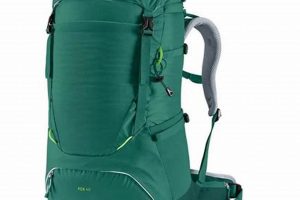
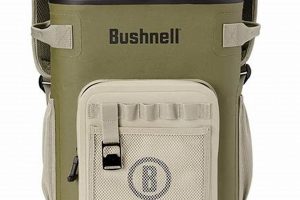
A crucial component of load-bearing rucksacks, this system facilitates the secure and comfortable conveyance of weight across the wearer’s body. It typically comprises padded shoulder straps, a sternum strap, and often a hip belt, all working in concert to distribute the load effectively. An example includes adjustable straps allowing customization for various torso lengths, ensuring optimal weight transfer and minimizing strain.
Proper utilization of this system enhances stability, reduces the risk of back and shoulder injuries, and improves overall endurance during activities requiring the transportation of heavy or bulky items. Historically, advancements in material science and ergonomic design have continually refined these systems, leading to increased user comfort and efficiency. The evolution reflects a growing understanding of biomechanics and the need to mitigate physical stress associated with carrying loads.
The subsequent sections will delve into the specific types available, key features to consider when selecting one, proper adjustment techniques for maximizing comfort and performance, and maintenance guidelines to ensure longevity and continued efficacy.
Backpack Harness Optimization Guide
Maximizing the efficacy of a rucksack’s carrying system is crucial for comfort, performance, and injury prevention. The following tips outline key considerations for adjusting and utilizing a backpack effectively.
Tip 1: Load Distribution: Ensure heavier items are positioned closer to the wearer’s back and centered within the pack. This minimizes strain and improves balance.
Tip 2: Torso Length Adjustment: Correctly adjust the torso length of the pack to match the wearer’s body. This is often achieved by sliding the shoulder straps up or down on the frame. Incorrect torso length leads to improper weight distribution.
Tip 3: Shoulder Strap Tension: Tighten the shoulder straps to secure the pack against the back. Avoid overtightening, which can restrict circulation and cause discomfort. A snug fit is optimal.
Tip 4: Sternum Strap Engagement: Utilize the sternum strap to prevent the shoulder straps from sliding off the shoulders. Adjust the height of the sternum strap for optimal comfort and stability.
Tip 5: Hip Belt Utilization: Position the hip belt so that it rests comfortably on the iliac crest (hip bones). Tighten the hip belt to transfer a significant portion of the pack’s weight onto the hips, relieving pressure on the shoulders and back.
Tip 6: Load Lifter Straps: If present, adjust the load lifter straps to pull the upper portion of the pack closer to the back. This further enhances stability and improves weight distribution.
Tip 7: Regular Adjustment: Make small adjustments to the straps throughout the activity as needed. This can compensate for changes in terrain or the pack’s contents.
Adhering to these guidelines promotes efficient weight transfer, reduces the risk of injury, and enhances the overall carrying experience. Properly adjusted equipment is essential for sustained comfort and performance.
The subsequent section will address different types of carrying systems and factors to consider when selecting the most appropriate option for specific needs.
1. Load Distribution

Effective load distribution is intrinsically linked to the functionality of a rucksack carrying system. The design and adjustment of the system directly influence how weight is distributed across the wearer’s body. An improperly adjusted system can lead to uneven weight distribution, causing strain on specific muscle groups and increasing the risk of injury. For example, if the hip belt is not correctly positioned, the shoulder straps may bear the majority of the load, leading to shoulder and neck pain. Conversely, a well-designed and properly adjusted system transfers a significant portion of the weight to the stronger muscles of the hips and legs, reducing stress on the upper body. A practical example is a mountaineer carrying heavy equipment; a well-distributed load, achieved through a properly fitted and adjusted carrying system, is crucial for maintaining balance and conserving energy during arduous ascents.
The architecture of the system including the frame, shoulder straps, hip belt, and sternum strap dictates its capacity for load transfer and distribution. Internal frame packs, for instance, are designed to distribute weight more evenly compared to frameless packs, particularly when carrying heavier loads. The adjustability of the components allows for customization to individual body types and load configurations. A system with a highly adjustable hip belt and shoulder straps enables the user to fine-tune the weight distribution for optimal comfort and stability. This adjustability is critical because body types and load requirements differ significantly, demanding a versatile system.
In summary, load distribution is not merely a desirable feature but a fundamental requirement of a functional rucksack carrying system. A properly designed and adjusted system ensures efficient weight transfer, minimizes strain, and enhances overall performance, especially during prolonged use or when carrying substantial loads. Overlooking the principles of load distribution can negate the benefits of even the most advanced materials and designs, leading to discomfort, fatigue, and potential injury. This interconnectedness underscores the importance of careful consideration and proper adjustment for maximizing the utility of carrying equipment.
2. Torso Length Adjustment

Torso length adjustment is a critical aspect of a rucksack carrying system, influencing comfort, weight distribution, and overall carrying efficiency. The vertical distance between the hip bones and the base of the neck dictates the proper frame size and, consequently, the necessary adjustment range. Ignoring this measurement can compromise the system’s intended functionality.
- Weight Distribution Optimization
Accurate torso length adjustment ensures that the majority of the pack’s weight is transferred to the hips via the hip belt. If the torso length is too short, the hip belt will ride too high, preventing effective weight transfer. Conversely, if the torso length is too long, the weight will be borne primarily by the shoulders, leading to discomfort and potential strain. A properly adjusted torso length aligns the pack frame with the wearer’s anatomy, optimizing weight distribution and reducing stress on the spine.
- Shoulder Strap Contour and Comfort
Torso length adjustment directly affects the contour and fit of the shoulder straps. When properly adjusted, the shoulder straps should wrap smoothly over the shoulders without gaps or excessive pressure points. If the torso length is incorrect, the shoulder straps may dig into the neck or armpits, causing chafing and discomfort. Fine-tuning the torso length ensures that the shoulder straps provide adequate support and cushioning without hindering movement or causing irritation. This is especially critical for prolonged use or when carrying heavy loads.
- Pack Stability and Balance
Correct torso length adjustment contributes significantly to the stability and balance of the rucksack. When the pack fits properly, it remains close to the wearer’s center of gravity, minimizing sway and improving stability, particularly on uneven terrain. An improperly adjusted pack can shift and wobble, disrupting balance and increasing the risk of falls. A precise torso length setting ensures that the pack moves with the wearer, enhancing agility and reducing the energy expenditure required to maintain equilibrium.
- Adjustment Mechanisms and Range
Modern rucksack systems employ various mechanisms for torso length adjustment, including sliding frames, adjustable harnesses, and hook-and-loop systems. The effectiveness of these mechanisms depends on their ease of use, precision, and range of adjustment. A system with a wide adjustment range accommodates a broader spectrum of body sizes and shapes. The adjustment mechanism should be robust and reliable, maintaining its setting even under strenuous activity. Regular checks and adjustments are essential to ensure that the pack continues to fit properly as the wearer’s posture or load changes.
The interplay between torso length adjustment and overall carrying performance underscores its importance in rucksack design and usage. A properly adjusted system not only enhances comfort and reduces the risk of injury but also improves efficiency and extends endurance. Therefore, meticulous attention to torso length adjustment is a prerequisite for maximizing the benefits of a rucksack carrying system.
3. Shoulder Strap Padding
Shoulder strap padding constitutes a critical element within a backpack harness system, directly influencing wearer comfort and load-bearing capacity. The type, density, and design of the padding material significantly impact the distribution of weight and mitigation of pressure points. Adequate padding minimizes strain on the shoulders and upper back, enhancing the overall efficiency of the harness.
- Pressure Distribution and Comfort
Padding serves as a buffer between the shoulder straps and the wearer’s body, distributing the load over a larger surface area. High-density foams, such as closed-cell polyethylene, offer superior load distribution compared to less dense materials. The contour and shape of the padding must also align with the natural curvature of the shoulders to prevent localized pressure points. Real-world examples include backpacking trips where inadequate padding leads to significant shoulder discomfort and potential nerve compression.
- Material Properties and Performance
The selection of padding material involves trade-offs between weight, durability, and moisture management. Materials like EVA (ethylene-vinyl acetate) foam offer a good balance of cushioning and water resistance. However, prolonged exposure to moisture can degrade the padding’s performance over time. Breathable fabrics and ventilated designs can mitigate moisture buildup, improving comfort during strenuous activities. The selection of material is influenced by the intended application, with heavier loads necessitating more robust and potentially less breathable options.
- Ergonomic Design and Fit
The effectiveness of shoulder strap padding is intrinsically linked to the overall ergonomic design of the backpack harness. Straps that are too narrow or poorly shaped can concentrate pressure, even with adequate padding. A contoured design that matches the shape of the shoulders and upper chest maximizes contact area and minimizes slippage. Adjustability is also crucial, allowing the wearer to fine-tune the strap position for optimal comfort and load distribution. A poorly designed strap, regardless of padding quality, will compromise the harness’s overall performance.
- Impact on Load Capacity
While padding primarily addresses comfort, it indirectly influences the maximum load that can be carried comfortably. Effective padding allows the wearer to sustain heavier loads for longer durations without experiencing excessive discomfort or strain. The padding essentially allows the user to tolerate more weight by mitigating localized stress. However, padding alone cannot compensate for fundamental issues in weight distribution or frame design. It functions as one component within a complex system, contributing to the overall load-carrying capacity of the backpack harness.
In summary, shoulder strap padding is an integral component of a functional backpack harness. Its effectiveness hinges on a combination of material properties, ergonomic design, and proper adjustment. Optimizing these factors enhances comfort, reduces strain, and indirectly increases the load-carrying capacity of the entire system.
4. Hip Belt Effectiveness

The effectiveness of a hip belt is paramount to the overall functionality of a backpack harness. Its primary role is to transfer a significant portion of the load from the shoulders and spine to the hips, leveraging the body’s skeletal structure for improved weight distribution and reduced strain. This transfer directly impacts comfort, endurance, and the prevention of musculoskeletal injuries.
- Load Transfer Efficiency
The efficiency of load transfer is directly proportional to the design and fit of the hip belt. A well-designed belt conforms to the iliac crest, distributing pressure evenly across the hips. An ill-fitting belt, conversely, concentrates pressure on specific points, leading to discomfort and reduced load-bearing capacity. Backpacking expeditions often highlight this, where improperly fitted belts result in significant hip and lower back pain, limiting the distance and duration of travel.
- Stabilization and Balance
Beyond load transfer, a hip belt contributes to stabilization and balance, particularly on uneven terrain. By securing the lower portion of the pack to the wearer’s center of gravity, the hip belt minimizes sway and reduces the energy required to maintain equilibrium. This effect is amplified when traversing challenging landscapes, such as steep inclines or rocky trails, where a stable pack is crucial for preventing falls and conserving energy.
- Adjustability and Customization
The adjustability of a hip belt is vital for accommodating varying body shapes and sizes. A wide range of adjustment allows users to fine-tune the fit, ensuring optimal contact and weight distribution. Some hip belts feature interchangeable padding or adjustable lumbar support, further enhancing customization. This adjustability is particularly important for individuals with unique body contours or those carrying loads with varying weights.
- Material Durability and Construction
The durability and construction of the hip belt directly impact its long-term effectiveness. High-quality materials, such as reinforced nylon webbing and robust buckles, withstand repeated use and exposure to harsh environmental conditions. The stitching and overall construction must be able to withstand the stresses associated with heavy loads. Failure of the hip belt due to material fatigue or construction defects compromises the entire backpack harness system, rendering it less effective and potentially unsafe.
The preceding facets underscore the critical role of hip belt effectiveness within the broader context of a backpack harness. Its proper design, fit, and construction are essential for maximizing load-bearing capacity, enhancing stability, and preventing injuries. Neglecting these aspects diminishes the overall utility and safety of the carrying system, underscoring the need for careful consideration and proper adjustment.
5. Sternum Strap Function
The sternum strap serves as a crucial, though often overlooked, component of a backpack harness, influencing stability, comfort, and overall carrying performance. Its function extends beyond simple aesthetics, contributing significantly to the ergonomic integrity of the system.
- Shoulder Strap Stabilization
The primary function of the sternum strap is to prevent shoulder straps from sliding outwards, particularly during dynamic movements or when carrying heavier loads. By connecting the shoulder straps across the chest, the sternum strap maintains their optimal position on the shoulders, preventing chafing and uneven weight distribution. This is particularly relevant during activities such as hiking or trail running, where constant motion can cause the shoulder straps to shift, leading to discomfort and potential injury.
- Improved Posture and Balance
Engaging the sternum strap encourages a more upright posture, aligning the spine and reducing strain on the lower back. This is achieved by gently pulling the shoulders back, promoting a more natural spinal curvature. Furthermore, by stabilizing the shoulder straps, the sternum strap contributes to improved balance, especially when navigating uneven terrain or carrying asymmetrical loads. A proper posture leads to efficient distribution of weight.
- Enhanced Breathing Efficiency
While counterintuitive, a properly adjusted sternum strap can enhance breathing efficiency. By preventing shoulder strap constriction, the sternum strap allows for greater chest expansion during inhalation. This is especially important during strenuous activities, where increased oxygen intake is crucial for maintaining performance. Over-tightening the sternum strap, however, can have the opposite effect, restricting chest movement and impeding breathing.
- Customizable Fit and Adjustability
The effectiveness of the sternum strap hinges on its adjustability. Vertical adjustability allows users to position the strap at the optimal height on the chest, maximizing its stabilizing effect without compromising comfort or breathing. Similarly, adjustable strap length ensures a snug fit without excessive constriction. These customization options cater to varying body types and preferences, ensuring that the sternum strap functions effectively for a wide range of users.
These facets collectively underscore the integral role of the sternum strap function within the overall backpack harness system. It is not merely an accessory but a functional component that directly impacts stability, posture, breathing efficiency, and overall comfort. Optimizing its use enhances the carrying experience, reduces strain, and contributes to safer and more enjoyable activities. Proper fitting is important for the maximum effect of the backpack harness.
6. Adjustability Range

The adjustability range within a backpack harness is a determining factor in its adaptability and suitability for diverse users and carrying scenarios. A limited adjustment range restricts the system’s effectiveness, rendering it unsuitable for individuals outside a narrow anthropometric spectrum. Cause and effect are directly linked; a broad adjustment range allows for fine-tuning the fit, optimizing weight distribution, and minimizing pressure points. The importance of adjustability stems from the inherent variability in human body shapes and sizes. A harness with inadequate adjustability compromises comfort, increases the risk of injury, and diminishes the overall carrying experience. As an example, a mountaineer with a long torso will experience discomfort and inefficiency if the harness lacks sufficient vertical adjustment, leading to suboptimal weight transfer to the hips.
Practical applications of a wide adjustability range extend to shared equipment scenarios, such as outdoor education programs or military operations. In these contexts, a single backpack must accommodate multiple users with varying body dimensions. A harness with a comprehensive adjustability range enables instructors or quartermasters to quickly and effectively fit the pack to each individual, ensuring both safety and performance. Furthermore, the ability to adjust the harness while in motion, such as loosening the shoulder straps on an ascent or tightening the hip belt on a descent, allows for dynamic adaptation to changing terrain and load conditions. This dynamic adjustability is critical for maintaining comfort and stability during prolonged activities.
In conclusion, the adjustability range is not merely a feature of a backpack harness but a fundamental requirement for its versatility and effectiveness. Restricting this range compromises the system’s ability to adapt to individual needs and diverse situations, while a comprehensive range enhances comfort, reduces risk, and improves overall performance. Addressing the challenges associated with designing and implementing effective adjustment mechanisms is paramount to developing backpack harnesses that are both adaptable and user-friendly, while proper understanding adjustability can lead you to a comfortable and enjoyable experience.
7. Material Durability

Material durability is inextricably linked to the performance and longevity of a backpack harness. The fabrics, webbing, buckles, and stitching employed directly influence the harness’s ability to withstand stress, abrasion, and environmental degradation. Compromised material integrity leads to premature failure, jeopardizing load-carrying capacity and user safety. A real-world example includes a mountaineering backpack harness failing due to UV degradation of the nylon webbing, resulting in a dangerous situation for the climber. This underscores the critical importance of selecting materials specifically engineered for demanding applications. The consequences of inadequate material durability are not merely inconvenience; they can be life-threatening.
Practical implications of understanding material durability extend to both manufacturing and consumer choices. Manufacturers must prioritize rigorous testing and quality control to ensure that materials meet stringent performance standards. Consumers, in turn, should consider the intended use of the backpack and select models constructed from appropriate materials. Factors such as denier rating (for fabrics), tensile strength (for webbing), and material composition (for buckles) provide quantifiable indicators of durability. Additionally, proper maintenance and storage techniques, such as cleaning and avoiding prolonged exposure to direct sunlight, can extend the lifespan of the harness and preserve its structural integrity. Failure to address maintenance shortens product life and value.
In summary, material durability is not merely a desirable attribute but a fundamental requirement for a reliable and safe backpack harness. Compromised materials precipitate system failure and endanger the user. A thorough understanding of material properties, coupled with informed manufacturing practices and responsible consumer choices, ensures that the backpack harness performs its intended function effectively and withstands the rigors of its intended environment. Overlooking this critical element undermines the entire purpose of the system.
Frequently Asked Questions
The following section addresses common inquiries regarding rucksack carrying systems, providing clarity on function, maintenance, and selection criteria.
Question 1: What is the primary function of a backpack harness?
The primary function is to distribute the weight of the carried load across the body, minimizing strain on specific muscle groups and promoting stability.
Question 2: How does torso length adjustment impact backpack harness performance?
Torso length adjustment ensures proper weight distribution, allowing the hip belt to effectively transfer load to the hips and reducing stress on the shoulders.
Question 3: What materials contribute to backpack harness durability?
High-tenacity nylon, reinforced webbing, and robust buckles enhance the harness’s resistance to abrasion, stress, and environmental degradation.
Question 4: How often should the components of the backpack harness be inspected?
Regular inspection, preferably before each use, is essential to identify signs of wear, tear, or damage that could compromise its integrity.
Question 5: Can a backpack harness be modified for enhanced comfort?
Modifications should be approached cautiously, as alterations can compromise the designed functionality and potentially void any warranties.
Question 6: What factors should be considered when selecting a backpack harness?
Key considerations include intended use, load capacity, torso length compatibility, adjustability range, and material durability.
Understanding the principles of load distribution, adjustability, and material science is crucial for maximizing the utility and longevity of a rucksack carrying system.
The subsequent section will address advanced topics related to backpack harness design and technology.
Backpack Harness
This analysis has explored the multifaceted aspects of the backpack harness, detailing its function, adjustment, component materials, and critical role in load-bearing applications. The assessment underscores the necessity of proper selection, adjustment, and maintenance to ensure optimal performance and user safety. A comprehensive understanding of these elements is vital for both manufacturers and end-users.
Continued research and development are essential to advance the design and materials utilized in these systems. The integration of ergonomic principles and innovative technologies will further enhance their effectiveness and minimize the risk of injury. Prioritizing quality and informed decision-making remains paramount in the realm of load carriage systems.
![Epic Pokemon Backpacks for Adventurers - [Keyword]! | Ultimate Backpack Traveler Guide: Tips, Destinations & Budget Hacks](https://backpack-traveler.com/wp-content/uploads/2026/04/th-245-300x200.jpg "Epic Pokemon Backpacks for Adventurers - [Keyword]! Ultimate Backpack Traveler Guide: Tips, Destinations & Budget Hacks")