These specialized packs are designed for backcountry skiing and snowboarding, facilitating the transportation of essential gear such as skis or snowboards, avalanche safety equipment (shovel, probe, transceiver), extra layers, food, and water. They typically incorporate features like external attachment points for skis or snowboards, dedicated compartments for avalanche safety tools, and a streamlined profile to minimize interference with movement.
The utility of a purpose-built carrying system for backcountry travel stems from the need to efficiently manage weight and access critical safety equipment swiftly. These systems enhance the user’s ability to navigate varied terrain, respond to emergencies, and extend their range in mountainous environments. Their development reflects a growing interest in accessing remote areas, coupled with advancements in materials and design principles prioritizing safety and performance.
The following sections will delve into the specific features, selection criteria, and proper usage of these carrying systems, providing a comprehensive understanding of their role in backcountry alpine pursuits. This includes considerations for volume, weight distribution, durability, and compatibility with other essential backcountry equipment.
Alpine Touring Backpack
The following guidelines provide a framework for optimal utilization and maintenance of a specialized load-carrying system designed for backcountry ski and snowboard travel.
Tip 1: Prioritize Proper Fit. The torso length is paramount for effective weight distribution. Measure the torso length and consult the manufacturer’s sizing chart to ensure the pack corresponds to individual dimensions. A poorly fitted pack can lead to discomfort and potential injury.
Tip 2: Optimize Weight Distribution. Load heavier items closer to the spine and in the lower portion of the pack. This maintains a lower center of gravity, enhancing stability and reducing strain on the back. Secure items to prevent shifting during movement.
Tip 3: Practice Avalanche Safety Gear Deployment. Regularly practice accessing and deploying avalanche safety equipment (shovel, probe, transceiver) while wearing the pack. Familiarity with the pack’s layout and gear access points is critical in emergency situations.
Tip 4: Utilize External Attachment Points Judiciously. Ensure skis or snowboards are securely attached using designated carry systems. Distribute the weight evenly to maintain balance and prevent gear from interfering with movement. Regularly inspect attachment points for wear and tear.
Tip 5: Manage Internal Compartments. Utilize internal compartments to organize gear and prevent items from shifting. Keep frequently accessed items, such as snacks and hydration, in easily accessible locations.
Tip 6: Regularly Inspect for Damage. After each outing, thoroughly inspect the pack for signs of wear and tear, including rips, tears, and broken buckles. Address any damage promptly to maintain functionality and prevent further degradation.
Tip 7: Maintain Water Resistance. Many packs offer water-resistant or waterproof features. Utilize these features effectively, and consider using a pack cover in heavy precipitation to protect gear from moisture.
These guidelines represent best practices for utilizing and maintaining a specific type of backpack, ultimately enhancing safety, comfort, and efficiency in backcountry alpine environments.
The subsequent sections will explore specific models and their applications in diverse backcountry scenarios.
1. Capacity
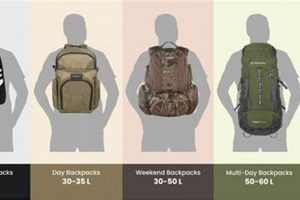
The capacity of a specialized load-carrying system for backcountry use dictates its utility for different tour lengths and objectives. Measured in liters, the available internal volume determines the quantity of gear that can be transported, including essential safety equipment, extra clothing, sustenance, and potentially overnight camping gear. Insufficient capacity necessitates compromising on essential items, increasing risk in unpredictable mountain environments. Excessive capacity encourages overpacking, contributing to unnecessary weight and hindering mobility.
Examples of capacity considerations are evident in tour planning. A short day tour focused on lift-accessed backcountry might require a pack with a volume of 20-30 liters, sufficient for avalanche safety gear, water, and a few extra layers. A multi-day hut trip, in contrast, would necessitate a pack with a capacity of 40-50 liters or more to accommodate sleeping bags, cooking equipment, and additional food supplies. Choosing the correct capacity, therefore, directly affects preparedness and comfort. Failure to consider the minimum capacity for avalanche safety gear is a critical and potentially fatal oversight.
In summary, capacity is a foundational parameter in the selection process. The required volume directly correlates with the anticipated duration and remoteness of the backcountry excursion. Accurate assessment of capacity requirements minimizes risk and enhances the overall experience. Disregard for capacity constraints compromises safety margins in alpine touring.
2. Weight

Weight is a crucial factor in the selection and utilization of a specialized carrying system for backcountry travel. Its influence extends to energy expenditure, agility, and overall safety within alpine environments. An improperly weighted pack can lead to fatigue, impaired balance, and increased risk of injury or incident.
- Pack Construction Materials and Weight
The materials used in the construction directly influence the overall weight. Lightweight fabrics like ripstop nylon or Dyneema, while reducing weight, must balance this with durability. Reinforcements in high-stress areas add weight but improve longevity. The selection of materials represents a design compromise between minimizing the load and ensuring the pack withstands the rigors of backcountry use.
- Gear Selection and Weight Management
The contents carried within the pack significantly contribute to the total weight. Judicious gear selection is essential to minimize unnecessary load. Prioritizing lightweight alternatives for items such as clothing, cooking equipment, and sleeping bags can drastically reduce the overall burden. Every item should be assessed for its necessity and potential for weight reduction.
- Weight Distribution and Stability
Proper weight distribution within the pack is as critical as the total weight. Concentrating heavier items closer to the wearer’s center of gravity improves stability and reduces strain on the back and shoulders. Utilizing internal compression straps and organizing gear efficiently prevents shifting, which can disrupt balance and increase energy expenditure.
- Impact on User Endurance and Safety
Excessive pack weight directly diminishes user endurance. Fatigue increases the likelihood of errors in judgment, slower reaction times, and a heightened risk of falls or other incidents. Maintaining a manageable pack weight preserves energy reserves, allowing for safer and more efficient travel within the backcountry. Exceeding a reasonable weight threshold can compromise the user’s ability to respond effectively in emergency situations.
The interplay between pack construction, gear selection, weight distribution, and user endurance underscores the importance of a comprehensive approach to weight management. Optimizing these factors is paramount for ensuring safe and efficient backcountry travel with a specialized carrying system.
3. Durability

Durability is a critical attribute of a specialized carrying system designed for backcountry alpine pursuits. The harsh environments encountered demand resilience in the pack’s construction and materials. Failure due to abrasion, tearing, or component malfunction can compromise the user’s safety and ability to complete their objective. The correlation between pack longevity and user safety is direct: a durable pack withstands stressors, maintaining its integrity and functionality in demanding conditions.
The effect of material selection and construction methods on pack durability is significant. High-denier fabrics, reinforced stitching, and robust hardware components contribute to increased resistance to wear and tear. Examples include packs constructed from high-tenacity nylon, featuring reinforced base panels to resist abrasion from skis or ice axes. Failure of a zipper in sub-zero temperatures, a ripped shoulder strap while ascending a steep slope, or a compromised ski carry system on a descent can all be attributed to inadequate durability, highlighting the necessity for robust construction.
Ultimately, the assessment of durability involves evaluating the pack’s capacity to withstand prolonged exposure to adverse conditions, including extreme temperatures, precipitation, and repetitive abrasion. The practical significance lies in minimizing the risk of gear failure in remote environments, enhancing the safety margin for the user, and extending the lifespan of the product. Therefore, durability represents a fundamental requirement for any specialized carrying system intended for backcountry travel.
4. Ski/Board Carry
The integration of ski or snowboard carry systems within an alpine touring backpack represents a fundamental design consideration, directly influencing user efficiency and safety. The necessity of transporting skis or a snowboard during ascents or when traversing terrain unsuitable for riding necessitates a secure and ergonomic carry solution. These systems must distribute the weight effectively, minimizing strain on the user and preventing interference with movement. Real-world examples include A-frame carry systems, where skis are attached on either side of the pack, and diagonal carry systems, where the skis are carried across the back. The choice of system impacts the pack’s overall profile, stability, and ease of use, with variations optimized for different ski or snowboard geometries and user preferences. The functional integrity of these systems is paramount, as failure during a backcountry excursion can lead to compromised safety and mission failure.
Further analysis reveals the impact of carry system design on accessibility to other essential gear. A well-designed system allows for unencumbered access to avalanche safety equipment, hydration systems, and other critical items without requiring complete removal of the skis or snowboard. The design must also account for varying snow conditions and terrain, providing adaptability to accommodate different carry configurations. For instance, some systems allow for quick conversion from A-frame to diagonal carry in response to changing slope angles or obstacles. The integration of reinforced attachment points and durable straps is crucial for preventing slippage or breakage, particularly when carrying heavier skis or snowboards over rugged terrain.
In summary, the “Ski/Board Carry” component of an alpine touring backpack is not merely an accessory but an integral element impacting performance, safety, and user experience. Challenges persist in optimizing weight distribution, accessibility, and adaptability across a wide range of ski and snowboard types. Understanding the mechanics and practical implications of various carry systems is essential for selecting a backpack that aligns with specific backcountry objectives and user needs, ensuring a more efficient and safer alpine touring experience.
5. Avalanche Gear Access

The ability to swiftly access avalanche safety equipment is a non-negotiable design imperative for any specialized carrying system intended for backcountry use. The temporal constraints imposed by avalanche burial necessitate immediate retrieval and deployment of a shovel, probe, and transceiver. The design of the backpack must, therefore, prioritize rapid and intuitive access to these life-saving tools.
- Dedicated Compartments and Organization
Specialized compartments dedicated to avalanche safety equipment are standard features. These compartments are typically designed for rapid deployment, often employing brightly colored zippers or pull tabs for quick identification, even under duress. Strategic organization within these compartments ensures that each tool is readily accessible in a predetermined order, minimizing search time. For example, shovel blades and handles are often stored separately but within easy reach to expedite assembly.
- External Access Points
Many backpacks incorporate external access points, allowing users to retrieve a shovel or probe without fully opening the main compartment. These access points are often reinforced to withstand the stress of frequent use and are strategically located for ambidextrous operation. The design minimizes obstruction and ensures that gloves or mittens do not impede the retrieval process. This design feature is particularly crucial in scenarios where every second counts.
- Compatibility with Various Tool Sizes and Shapes
Avalanche safety equipment varies in size and shape across different manufacturers. The backpack’s avalanche gear compartment should accommodate a range of tool dimensions, ensuring compatibility with the user’s specific equipment. Adjustable straps or internal dividers may be included to secure items of varying sizes. Failure to accommodate diverse tool dimensions compromises the user’s ability to carry their preferred equipment effectively.
- Minimizing Interference with Other Gear
The avalanche gear compartment must be designed to prevent interference with other essential equipment within the backpack. Dedicated internal sleeves or straps prevent tools from shifting and obstructing access to other items, such as first-aid kits, extra layers, or communication devices. A poorly designed compartment can hinder the retrieval of critical gear, especially in stressful situations where fine motor skills may be impaired.
The integration of these features underscores the critical role of “Avalanche Gear Access” in the design and functionality of any backpack intended for alpine touring. A well-designed system prioritizes speed, accessibility, and compatibility, providing backcountry travelers with the tools they need to respond effectively in the event of an avalanche. Deficiencies in this area directly compromise the safety and survival potential of the user.
6. Fit

The correlation between fit and the functionality of a specialized alpine touring carrying system is paramount. Incorrect fit diminishes performance, increases the risk of injury, and negates intended design benefits. The pack’s frame, suspension system, and adjustability mechanisms must align with the user’s torso length, hip circumference, and shoulder width to achieve optimal weight distribution. A pack that is too long or too short will shift the load away from the hips, placing undue stress on the shoulders and back. This misalignment contributes to fatigue, muscle strain, and compromised balance. A real-world example includes a user experiencing lower back pain after a prolonged ascent due to a pack with an improperly sized torso length, causing the load to bear primarily on the lumbar region.
Adjustability plays a key role in achieving proper fit. Features such as adjustable torso lengths, shoulder strap angles, and hip belt positions enable users to fine-tune the pack to their specific body geometry. The hip belt, in particular, is critical for transferring a significant portion of the pack’s weight from the shoulders to the hips, where the load can be supported more efficiently. Inadequate hip belt fit, either due to incorrect sizing or insufficient adjustability, prevents effective weight transfer, leading to discomfort and reduced agility. This is exemplified by a scenario where a user with narrow hips finds the hip belt too wide, causing it to slip and fail to effectively bear the load, leading to instability on steep descents.
In conclusion, the fit of an alpine touring backpack is not merely a matter of comfort but a fundamental determinant of performance and safety. Proper fit maximizes weight distribution, reduces fatigue, and enhances stability, enabling users to navigate challenging terrain with greater efficiency and confidence. Neglecting the importance of fit can result in discomfort, injury, and a diminished backcountry experience. Consequently, meticulous attention to sizing and adjustment is essential when selecting an alpine touring pack to ensure optimal functionality and safety in demanding mountain environments.
Frequently Asked Questions
The following section addresses common inquiries regarding specialized load-carrying systems designed for backcountry skiing and snowboarding, providing concise and authoritative answers.
Question 1: What distinguishes an alpine touring backpack from a standard hiking backpack?
Alpine touring backpacks incorporate features specifically tailored for backcountry skiing and snowboarding, including dedicated ski/snowboard carry systems, avalanche safety equipment compartments, and enhanced durability to withstand harsh winter conditions. Standard hiking backpacks typically lack these specialized features.
Question 2: How is the capacity of an alpine touring backpack best determined?
Capacity should be determined based on the anticipated duration and remoteness of the backcountry excursion. Shorter day tours may require 20-30 liters, while multi-day trips may necessitate 40-50 liters or more to accommodate additional gear.
Question 3: What are the most important considerations when selecting a ski/snowboard carry system?
Key considerations include the ease of attachment and removal, secure weight distribution, and minimal interference with movement. Systems should accommodate the specific type of skis or snowboard being carried.
Question 4: How should avalanche safety equipment be organized within the backpack?
Avalanche safety equipment should be stored in a dedicated compartment with readily accessible external access points. The shovel blade, handle, probe and transceiver should be arranged for rapid deployment in an emergency.
Question 5: What are the key factors influencing the overall weight of the backpack?
Factors influencing weight include the construction materials, the weight of the gear being carried, and the efficiency of weight distribution. Prioritizing lightweight gear and strategic packing are crucial for minimizing the load.
Question 6: How important is proper fit in an alpine touring backpack?
Proper fit is essential for optimal weight distribution, comfort, and stability. The torso length, hip circumference, and shoulder width must be considered to ensure the pack aligns with the user’s body geometry.
This FAQ aims to clarify key aspects of choosing and using specialized backcountry backpacks, emphasizing safety, functionality, and informed decision-making.
The next section will explore specific models and their applications in various backcountry settings.
Conclusion
The preceding analysis has underscored the multifaceted nature of specialized load-carrying systems for alpine touring. Key aspects such as capacity, weight, durability, carry systems, avalanche gear accessibility, and fit are not merely features, but critical determinants of safety and efficiency in backcountry environments. Each element warrants careful consideration, reflecting the inherent risks associated with alpine pursuits.
The effective utilization of an alpine touring backpack demands a commitment to informed decision-making, meticulous preparation, and consistent adherence to best practices. Recognizing the limitations of equipment, and prioritizing safety protocols remain paramount. The pursuit of alpine touring requires diligence and respect for the unforgiving nature of mountainous terrain.