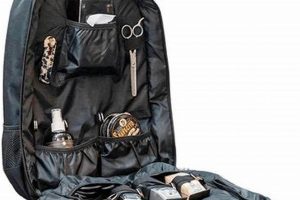
A specialized bag designed for individuals participating in the sport of soccer. It typically features compartments and pockets optimized for carrying items such as a soccer ball, cleats, water bottle, and uniform. These bags often incorporate durable materials and ergonomic designs to withstand the rigors of athletic use. As an example, a student-athlete might use this type of pack to transport gear to and from school and practice.
The advantage of using such a specialized bag lies in its organizational capacity and convenience. It consolidates essential equipment, reducing the likelihood of forgetting important items. Furthermore, dedicated compartments, like those for muddy cleats, prevent contamination of other belongings. Historically, athletes often relied on generic bags, but the development of sport-specific carriers addresses the unique needs of each discipline, enhancing efficiency and preparation.
The subsequent discussion will delve into various aspects of these specialized packs, including features to consider when selecting one, their impact on player performance, and strategies for maintaining them to prolong their lifespan. This comprehensive overview aims to provide a clear understanding of their role in supporting soccer participation.
Optimizing Utility
The following recommendations are intended to maximize the functional lifespan and utility of a soccer backpack, ensuring it effectively serves its intended purpose throughout the rigors of athletic activity.
Tip 1: Prioritize Durability in Material Selection: Opt for backpacks constructed from robust, water-resistant fabrics such as ripstop nylon or reinforced polyester. These materials withstand abrasion, moisture, and the general wear-and-tear associated with frequent use.
Tip 2: Evaluate Compartmentalization for Organization: A well-designed pack includes dedicated compartments for a soccer ball, cleats, water bottle, and personal items. This segregation prevents cross-contamination and facilitates efficient access to essential gear.
Tip 3: Assess Ergonomic Design for Comfort: Shoulder straps should be padded and adjustable, and the inclusion of a sternum strap and hip belt contributes to weight distribution and reduces strain on the back and shoulders. Consider ventilated back panels to mitigate moisture buildup.
Tip 4: Inspect Zipper Quality and Reinforcement: Zippers are a common point of failure. Examine zippers for durability and smooth operation, and ensure that stress points are reinforced with bar tack stitching.
Tip 5: Implement Regular Cleaning and Maintenance: Periodic cleaning is crucial for removing dirt, mud, and odors. Empty the pack after each use, and wipe down the interior and exterior with a damp cloth. Allow the pack to air dry thoroughly to prevent mildew growth.
Tip 6: Strategically Utilize External Attachment Points: Many backpacks feature external loops or straps for attaching additional gear, such as a rain jacket or training cones. Leverage these features to expand carrying capacity when necessary.
Tip 7: Consider Capacity Relative to Needs: Select a backpack with a volume appropriate for the intended use. A larger capacity may be suitable for travel or tournaments, while a smaller pack may suffice for daily practice.
Adherence to these suggestions will contribute to the longevity and effectiveness of this crucial piece of athletic equipment, ensuring reliable and organized gear transport.
The subsequent section will explore the common issues that affects a soccer backpack.
1. Capacity

Capacity, in the context of a soccer backpack, directly influences its utility and suitability for various uses. The volume available within the backpack dictates the amount of gear it can accommodate, affecting a player’s ability to transport essential equipment efficiently and effectively.
- Volume and Gear Accommodation
Capacity is quantified by volume, typically measured in liters. Higher volumes permit the inclusion of a soccer ball, cleats, change of clothes, water bottle, and other necessary items. Conversely, a lower capacity may necessitate prioritization, forcing the user to omit certain items or seek alternative carrying solutions. Real-world scenarios include a student-athlete requiring a large-capacity backpack to transport gear, school supplies, and lunch, versus a recreational player needing a smaller bag solely for cleats and a water bottle.
- Impact on Portability and Maneuverability
While a larger capacity offers greater storage, it inherently impacts the overall size and weight of the filled backpack. Excessive weight can lead to discomfort, fatigue, and potentially impact a player’s performance on the field. Furthermore, a bulky backpack can hinder maneuverability, particularly in crowded spaces or during transit. Therefore, a balance between capacity and portability is crucial. For instance, a goalkeeper, who typically carries additional protective gear, may require a larger capacity despite the increased weight, necessitating a robust design and ergonomic support.
- Compartmentalization and Effective Space Utilization
Effective use of available capacity is often enhanced through strategic compartmentalization. Dedicated compartments for specific items, such as a separate cleat compartment to prevent mud transfer, optimize space utilization and organization. A backpack with a limited capacity but well-designed compartments can be more functional than a larger bag with a single, undifferentiated space. For example, a bag with a designated insulated pocket for water bottles maximizes storage efficiency and ensures proper hydration.
- Adaptability to Varying Needs
The ideal capacity of a soccer backpack is contingent upon the individual’s specific needs and usage patterns. A weekend tournament may require a higher-capacity backpack to accommodate multiple uniforms, extra socks, and personal hygiene items. In contrast, a mid-week training session might only necessitate a smaller bag for cleats, a water bottle, and a towel. A backpack system with modular attachments or adjustable compartments offers adaptability to accommodate these varying needs.
In summary, capacity represents a critical attribute of this soccer backpack, influencing its practical value for transporting essential gear. A careful evaluation of the individual’s needs and usage scenarios is paramount in selecting a backpack with an appropriate capacity that balances storage space, portability, and ergonomic considerations.
2. Durability

Durability constitutes a critical performance characteristic of a soccer backpack. The demanding conditions inherent in athletic use, including frequent handling, exposure to varying weather conditions, and the weight of carried equipment, necessitate robust construction. The relationship between durability and this specialized bag is one of direct causality: inferior construction materials and techniques lead to premature failure, requiring frequent replacement and increasing long-term costs. Conversely, a durable bag provides extended service life, representing a more cost-effective solution over time. For instance, a bag constructed of lightweight nylon with single-stitched seams is likely to fail quickly under the stress of a heavy soccer ball and cleats, whereas a bag made of reinforced polyester with double-stitched seams and reinforced stress points will withstand considerably more use.
The practical significance of understanding the durability of a soccer backpack extends beyond mere cost savings. A failing backpack can compromise the safety of the user. A strap that tears unexpectedly could cause a player to drop heavy equipment, potentially leading to injury. Furthermore, a compromised bag may not adequately protect its contents. For example, water damage to a phone or other electronic device due to a tear in the bag’s fabric could result in significant inconvenience and expense. The selection of materials and construction methods directly impacts the bag’s resistance to abrasion, tearing, and water damage. A bag with a waterproof lining can protect contents from rain or spills, while reinforced corners can prevent tearing from sharp objects, like cleats.
In summary, durability is not merely a desirable attribute of this type of backpack, it is a fundamental requirement for its intended function. The selection of high-quality materials, robust construction techniques, and thoughtful design features directly influence the lifespan, reliability, and safety of the bag. Understanding the connection between durability and this specific piece of equipment allows consumers to make informed purchasing decisions, ensuring they acquire a product that will withstand the rigors of athletic use and provide long-term value.
3. Compartmentalization

Compartmentalization, in the context of a soccer backpack, refers to the strategic division of the bag’s interior space into distinct sections designed to accommodate specific items. This organizational design aims to optimize space utilization, protect equipment, and enhance accessibility for the user.
- Dedicated Ball Compartment
A primary feature is a separate, often expandable, compartment for a soccer ball. This prevents the ball from compressing other items, maintains its shape, and minimizes the transfer of dirt and debris to other contents. For example, a player can isolate a muddy ball after a match, preventing contamination of clean uniforms or personal belongings. The size and placement of this compartment directly affect the overall bag’s balance and carrying comfort.
- Cleat Storage Solutions
Another essential compartment is designated for cleats. This segregated area prevents the transfer of mud, grass, and odor to other compartments. Cleats are often a source of significant dirt and bacteria; therefore, this division is crucial for maintaining hygiene. Some designs incorporate ventilation in the cleat compartment to further mitigate odor and promote drying. In scenarios with multiple pairs of cleats, capacity considerations within this compartment become critical.
- Separate Storage for Apparel and Personal Items
The integration of distinct compartments for clean and soiled apparel is critical for maintaining hygiene. This separation prevents the transfer of dirt and odors. Dedicated pockets for personal items, such as phones, wallets, and keys, are also vital. The presence of smaller, zippered pockets within the larger compartments enhances organization and safeguards smaller items from being lost or damaged. A well-organized backpack with these distinctions minimizes the risk of cross-contamination and allows for quick retrieval of necessary items.
- Hydration Integration
Many soccer backpacks include dedicated water bottle pockets, typically located on the exterior of the bag for easy access. These pockets are designed to accommodate various bottle sizes and prevent leaks from damaging internal contents. Some designs also incorporate insulated compartments to maintain the temperature of beverages. The secure placement of water bottles minimizes the risk of spills during transit or activity.
The effectiveness of compartmentalization directly impacts the functionality and user experience of the soccer backpack. Strategic division and specialized pockets contribute significantly to organization, hygiene, and ease of access, thereby enhancing the overall value of the equipment for soccer players.
4. Comfort

The comfort afforded by a soccer backpack is a critical factor influencing its usability and acceptance among athletes. A poorly designed or uncomfortable backpack can lead to fatigue, muscle strain, and potentially, injury, thus detracting from the user’s overall performance and well-being. Consequently, ergonomic design and the selection of appropriate materials are paramount in ensuring a comfortable carrying experience.
- Padded Shoulder Straps and Weight Distribution
Shoulder straps serve as the primary interface between the backpack and the user’s body. Padding material, such as closed-cell foam, distributes the load across a larger surface area, minimizing pressure points and reducing discomfort. Adjustable straps allow for customization, ensuring a snug fit that prevents the backpack from shifting during movement. Uneven weight distribution can cause muscle imbalances and strain, making proper strap adjustment essential for maintaining comfort and preventing injury. A real-world example would be an athlete carrying heavy gear, where padded and adjustable straps would significantly reduce shoulder and neck strain compared to a bag with thin, fixed straps.
- Back Panel Design and Ventilation
The back panel’s design impacts airflow and contact with the wearer’s back. A well-designed back panel incorporates channels or mesh materials to promote ventilation, reducing moisture buildup and preventing discomfort caused by perspiration. Contoured panels can also improve the fit and distribute weight more evenly. A flat, non-ventilated back panel can trap heat and moisture, leading to discomfort and chafing. For instance, athletes training in hot and humid conditions require a backpack with excellent back panel ventilation to maintain comfort and prevent overheating.
- Sternum Straps and Hip Belts for Stability
The inclusion of sternum straps and hip belts enhances stability and redistributes weight. A sternum strap connects the shoulder straps across the chest, preventing them from slipping off the shoulders and improving balance. A hip belt transfers a portion of the backpack’s weight to the hips, reducing strain on the shoulders and back. These features are particularly beneficial when carrying heavy loads or engaging in vigorous activity. A soccer player biking to practice with a fully loaded backpack would benefit from a sternum strap and hip belt, which would significantly improve stability and reduce strain compared to a backpack with only shoulder straps.
- Material Selection and Breathability
The materials used in the backpack’s construction influence its weight, durability, and breathability. Lightweight, breathable fabrics, such as nylon or polyester with a mesh weave, can improve comfort by reducing weight and promoting airflow. Stiff or abrasive materials can cause discomfort and chafing. The lining of the backpack should also be smooth and non-irritating. An athlete carrying a backpack made of heavy, non-breathable material is more likely to experience discomfort and fatigue compared to one using a lightweight, breathable backpack.
In conclusion, comfort is an indispensable consideration in the design and selection of a soccer backpack. Padded straps, ventilated back panels, stabilizing straps, and breathable materials all contribute to a more comfortable carrying experience, allowing athletes to focus on their performance without being distracted by discomfort or strain. A backpack that prioritizes comfort is more likely to be used consistently and effectively, providing long-term value to the user.
5. Water Resistance

Water resistance, as it pertains to a soccer backpack, is a critical attribute influencing the protection of its contents from moisture damage. The ability of the backpack to withstand exposure to rain, spills, and damp environments directly affects the integrity and usability of the gear it carries. This feature is particularly important given the outdoor nature of soccer and the potential for inclement weather conditions.
- Material Impermeability and Hydrophobic Coatings
The primary mechanism of water resistance lies in the inherent properties of the materials used in the backpack’s construction. Tightly woven synthetic fabrics, such as nylon and polyester, offer a degree of water resistance. The application of hydrophobic coatings, such as Durable Water Repellent (DWR), further enhances this property by causing water to bead and roll off the surface, preventing penetration. Without these characteristics, fabrics would readily absorb moisture, potentially damaging sensitive equipment. An example includes a backpack utilizing a polyurethane-coated nylon fabric, providing superior water resistance compared to a non-coated cotton canvas.
- Seam Sealing and Construction Techniques
The effectiveness of water resistance is not solely dependent on the fabric; the construction of the backpack, particularly the seams, plays a crucial role. Seams represent vulnerable points where water can penetrate the fabric. Seam sealing, a process involving the application of waterproof tape or sealant to the seams, minimizes this risk. Furthermore, design features such as overlapping fabric flaps over zippers and storm flaps contribute to preventing water ingress. A poorly constructed backpack with exposed, unsealed seams offers minimal protection, even with water-resistant fabric. Conversely, a meticulously constructed backpack with sealed seams and protective flaps significantly enhances its ability to withstand water exposure.
- Zipper Design and Waterproofing
Zippers constitute another potential point of water entry. Standard zippers offer little to no water resistance. Waterproof zippers, featuring a tight seal and often a rubber or polyurethane coating, provide a barrier against moisture. The design of the zipper track and the presence of a storm flap can further enhance protection. A backpack equipped with standard zippers is highly susceptible to water damage during rain, whereas a backpack utilizing waterproof zippers with storm flaps offers a more reliable defense against moisture intrusion.
- Impact on Equipment Preservation and Longevity
The level of water resistance directly impacts the preservation and longevity of the equipment carried within the soccer backpack. Moisture can damage electronic devices, cause leather cleats to deteriorate, and promote the growth of mold and mildew on apparel. A water-resistant backpack protects these items from the damaging effects of moisture, extending their lifespan and maintaining their functionality. For instance, a goalkeeper’s gloves, which are particularly susceptible to moisture damage, benefit greatly from the protection afforded by a water-resistant backpack. Without this protection, the gloves may become waterlogged, compromising their grip and effectiveness.
In summary, water resistance is an essential attribute of a soccer backpack, safeguarding valuable equipment from the detrimental effects of moisture. The combination of impermeable materials, sealed seams, waterproof zippers, and thoughtful design features contributes to a backpack’s overall ability to withstand water exposure, ensuring the preservation and longevity of its contents in diverse weather conditions.
6. Ergonomics

Ergonomics, the science of designing and arranging items for efficient and safe use, assumes paramount importance in the context of a soccer backpack. The design characteristics directly influence user comfort, posture, and the potential for musculoskeletal strain. A backpack that fails to address ergonomic principles can lead to discomfort, fatigue, and even long-term health issues.
- Load Distribution and Spinal Alignment
The primary ergonomic consideration is the distribution of weight across the user’s back and shoulders to maintain proper spinal alignment. A well-designed pack distributes the load evenly, minimizing pressure points and preventing excessive strain on specific muscle groups. Features such as padded shoulder straps, sternum straps, and hip belts contribute to effective load distribution. For instance, a poorly designed backpack with narrow, unpadded straps concentrates weight on the shoulders, leading to muscle fatigue and potential spinal misalignment. Conversely, a backpack with wide, padded straps and a supportive hip belt distributes the load across the back and hips, reducing strain and promoting a more natural posture.
- Adjustability and Custom Fit
Ergonomic efficacy is contingent upon the ability to adjust the backpack to fit the individual user’s body size and shape. Adjustable shoulder straps, sternum straps, and hip belts allow for a customized fit, ensuring that the load is positioned correctly and that the backpack remains stable during movement. A one-size-fits-all approach is inherently flawed, as it fails to account for variations in torso length, shoulder width, and hip circumference. For example, a shorter individual using a backpack designed for a taller person may experience excessive strain on the shoulders and lower back due to improper load distribution. Therefore, adjustability is a critical ergonomic feature.
- Back Panel Design and Ventilation
The design of the back panel directly affects comfort and ventilation. A contoured back panel that conforms to the natural curvature of the spine promotes better weight distribution and reduces pressure points. Ventilation channels or mesh materials allow for airflow, minimizing moisture buildup and preventing discomfort caused by perspiration. A flat, non-ventilated back panel traps heat and moisture, leading to discomfort and potential skin irritation. Athletes training in warm conditions benefit significantly from a backpack with a well-ventilated back panel, as it helps to regulate body temperature and reduce sweat accumulation.
- Material Selection and Weight Optimization
The materials used in the construction of the backpack influence its overall weight and durability. Lightweight, yet durable, materials minimize the burden on the user while ensuring that the backpack can withstand the rigors of athletic use. Excessive weight can exacerbate strain and fatigue, negating the benefits of other ergonomic features. A backpack constructed of heavy, non-breathable materials increases the overall load and reduces comfort. Conversely, a backpack made of lightweight, breathable fabrics promotes ease of movement and reduces the risk of overheating.
In summary, ergonomics is an indispensable consideration in the design and selection of this kind of soccer backpack. A backpack that prioritizes ergonomic principles promotes comfort, reduces strain, and enhances overall user well-being. By considering factors such as load distribution, adjustability, back panel design, and material selection, individuals can choose a backpack that supports their physical health and enhances their athletic performance.
Frequently Asked Questions
The following questions address common inquiries and misconceptions surrounding soccer backpacks, providing concise and informative responses to aid in informed decision-making.
Question 1: What defines a soccer backpack, distinguishing it from a standard backpack?
A soccer backpack is characterized by specialized compartments tailored for soccer equipment, notably a dedicated ball compartment and a separate space for cleats, differentiating it from generic backpacks.
Question 2: What is the expected lifespan of a soccer backpack, and what factors influence its durability?
The lifespan varies based on usage frequency and construction quality. Durable materials, reinforced stitching, and proper maintenance significantly extend the backpack’s service life.
Question 3: Can a soccer backpack accommodate different soccer ball sizes?
Ball compartments are typically designed to accommodate a standard size 5 soccer ball. However, compartment dimensions should be verified to ensure compatibility with smaller ball sizes.
Question 4: How should a soccer backpack be cleaned to maintain hygiene and prevent odors?
Regular cleaning with a mild detergent and thorough drying is recommended. Removing mud and debris promptly prevents odor buildup and bacterial growth.
Question 5: What ergonomic features should be prioritized when selecting a soccer backpack to minimize strain?
Padded shoulder straps, a sternum strap, a hip belt, and a ventilated back panel are essential for distributing weight evenly and promoting comfort, thereby reducing strain.
Question 6: Is water resistance a necessary feature in a soccer backpack, and what level of water resistance is sufficient?
Water resistance is beneficial, particularly for players in regions with frequent rainfall. A water-resistant fabric and seam sealing offer adequate protection for the contents.
In summary, the selection of a soccer backpack necessitates careful consideration of its specialized features, durability, ergonomic design, and maintenance requirements to ensure optimal functionality and longevity.
The ensuing discussion will explore the potential performance enhancements associated with utilizing a well-designed soccer backpack.
Conclusion
This exploration has detailed the multifaceted utility of the specialized soccer backpack. It has elucidated critical aspects from material durability and compartmentalization to ergonomic design and water resistance. Each attribute contributes significantly to the functionality, longevity, and user experience associated with this essential piece of athletic equipment.
The selection of a soccer backpack represents a deliberate investment in organization, protection, and comfort, directly impacting an athlete’s preparedness and performance. A judicious choice, guided by the principles outlined herein, can provide a distinct advantage in the pursuit of athletic excellence. It should be considered a fundamental component of a player’s equipment arsenal, warranting careful evaluation and informed decision-making.
![Best Backpack Tackle Box [Gear] for Organized Anglers | Ultimate Backpack Traveler Guide: Tips, Destinations & Budget Hacks](https://backpack-traveler.com/wp-content/uploads/2026/05/th-216-300x200.jpg "Best Backpack Tackle Box [Gear] for Organized Anglers Ultimate Backpack Traveler Guide: Tips, Destinations & Budget Hacks")