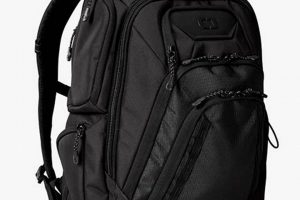
This specialized carrying equipment is designed for individuals participating in skiing and snowboarding activities. It provides a secure and convenient way to transport essential gear such as extra layers of clothing, hydration systems, avalanche safety tools (shovel, probe), and sometimes even skis or snowboards themselves. These packs prioritize functionality and durability in harsh winter conditions.
The utility of this type of pack extends beyond mere transportation. Its design often incorporates features that enhance safety and accessibility on the mountain. Dedicated compartments for avalanche safety equipment allow for rapid deployment in emergency situations. The construction typically involves water-resistant or waterproof materials to protect contents from snow and moisture. Historically, skiers and snowboarders often relied on cumbersome methods for carrying equipment; these purpose-built packs represent a significant advancement in comfort and efficiency.
The following sections will delve into specific design features, material considerations, capacity options, and the integration of safety features common in these products, providing a more detailed understanding of this essential piece of winter sports equipment.
Essential Considerations for Ski-Specific Packs
Selecting the appropriate equipment carrier for skiing and snowboarding requires careful consideration of several key factors. The following guidance aims to inform purchasing decisions and optimize on-mountain performance.
Tip 1: Prioritize Avalanche Safety Compartments: If engaging in backcountry skiing or snowboarding, ensure the pack includes dedicated, easily accessible compartments for avalanche safety gear (shovel, probe). Practice rapid deployment drills to ensure proficiency in emergency situations.
Tip 2: Evaluate Capacity Requirements: Assess the typical volume of gear to be carried. Overpacking can lead to discomfort and instability, while insufficient capacity necessitates leaving essential items behind. Consider factors such as trip duration and anticipated weather conditions.
Tip 3: Assess Material Durability and Water Resistance: Select a pack constructed from robust, water-resistant materials (e.g., coated nylon or polyester) to withstand abrasive snow conditions and protect contents from moisture. Reinforced stitching and durable zippers are indicative of quality construction.
Tip 4: Optimize Fit and Comfort: A properly fitted pack distributes weight evenly across the shoulders and hips, minimizing strain and maximizing comfort. Adjustable straps, a supportive hip belt, and a ventilated back panel contribute to a comfortable and secure fit. Try on the pack with simulated load to ensure comfort.
Tip 5: Consider External Carry Options: If transporting skis or a snowboard directly on the pack, verify the presence of secure and reliable carry straps or attachment points. Ensure the carry system is compatible with the specific type of skis or snowboard used.
Tip 6: Hydration System Compatibility: Determine if the pack is compatible with hydration systems (e.g., water bladders). A dedicated hydration sleeve and insulated hose can prevent water from freezing in cold conditions.
These considerations are crucial for selecting a pack that enhances safety, comfort, and efficiency during skiing and snowboarding activities. Careful evaluation of these factors will contribute to a more enjoyable and secure mountain experience.
The subsequent discussion will focus on specific features and technologies incorporated into these carriers, providing a deeper understanding of their functionality and benefits.
1. Avalanche Tool Compartments

Avalanche tool compartments represent a critical safety feature within a ski or snowboard pack designed for backcountry use. The presence and design of these compartments directly impact the speed and efficiency with which a user can access and deploy essential avalanche safety equipment, namely a shovel and probe, during a burial situation. The incorporation of these compartments signifies an acknowledgment of the elevated risks associated with off-piste activities and a commitment to facilitating rapid response in emergency scenarios.
The importance of dedicated avalanche tool compartments cannot be overstated. Time is a critical factor in avalanche rescue; survival rates decline significantly after the first ten minutes of burial. A well-designed compartment allows for the immediate retrieval of the shovel and probe without the need to unpack other gear, streamlining the rescue process. Some packs feature color-coded zippers or external access points to further expedite equipment deployment. For example, consider a scenario where a skier is caught in an avalanche. Without a dedicated compartment, locating and extracting the shovel from a general-purpose backpack could take several precious minutes. With a dedicated compartment, the shovel can be deployed within seconds, potentially making a life-saving difference.
The integration of avalanche tool compartments into ski packs reflects a broader emphasis on safety and preparedness within the backcountry skiing and snowboarding community. The design and functionality of these compartments are continually evolving, driven by ongoing research and feedback from experienced users. While the presence of such compartments is a valuable asset, it is crucial to emphasize that relying solely on equipment is insufficient. Proper avalanche safety education, including training in transceiver use, avalanche assessment, and rescue techniques, is paramount. Avalanche tool compartments, therefore, serve as a component of a comprehensive safety strategy, rather than a substitute for it.
2. Hydration Compatibility

Hydration compatibility, as a design feature in ski packs, directly addresses the physiological demands of winter sports activities. Skiing and snowboarding, even at moderate exertion levels, can lead to significant fluid loss through perspiration and respiration, exacerbated by the dry, cold air typical of mountain environments. Dehydration impairs performance, reduces cognitive function, and increases the risk of hypothermia. Therefore, the integration of hydration systems into equipment intended for these activities is not merely a convenience, but a practical necessity for maintaining optimal physical condition and ensuring safety.
This design element in a “dakine ski backpack” manifests in several ways. Typically, a dedicated internal sleeve accommodates a water reservoir, often referred to as a hydration bladder. This sleeve is strategically positioned to distribute the weight of the water evenly and prevent excessive shifting during dynamic movements. Furthermore, an insulated hose, routed through the pack’s shoulder strap, allows the user to access water without removing the pack. Insulation of the hose is critical to prevent freezing in sub-zero temperatures, a common challenge in skiing environments. Without this insulation, the water within the hose can solidify, rendering the hydration system useless. For instance, a cross-country skier engaged in a multi-hour tour might experience a significant decline in performance and an increased susceptibility to cold-related injuries if unable to maintain adequate hydration due to a frozen water supply.
In summary, hydration compatibility is a crucial aspect of modern ski pack design. It addresses the inherent challenges of maintaining fluid balance during winter sports by providing a convenient and reliable means of accessing water in cold conditions. The strategic integration of hydration sleeves and insulated hoses in “dakine ski backpack” reflects an understanding of the physiological demands of these activities and a commitment to enhancing user safety and performance. However, users must also understand the importance of starting their activity well-hydrated, carrying sufficient water for the duration of their outing, and monitoring their hydration status throughout the day.
3. Ski/Snowboard Carry System

The “Ski/Snowboard Carry System” constitutes a core functional aspect of the “dakine ski backpack,” influencing its utility and user experience. The design and implementation of this system directly determine the ease and security with which skis or snowboards can be attached to and carried by the pack, impacting mobility and overall comfort during winter sports activities.
- A-Frame Carry
The A-frame carry method involves attaching skis to either side of the “dakine ski backpack” in an inverted “A” shape. This configuration provides a stable and balanced load distribution, making it suitable for longer traverses or ascents. Straps secure the skis at the tips and tails, preventing unwanted movement. An example is a backcountry skier traversing a ridgeline; the A-frame carry allows for hands-free movement while distributing the skis’ weight evenly.
- Diagonal Carry
In contrast, the diagonal carry system positions the skis or snowboard across the back of the “dakine ski backpack” at an angle. This method offers quicker access to the gear but can affect balance and create a wider profile, potentially hindering movement in tighter spaces. This can be practical for short uphill hikes or situations where skis need to be frequently removed and reattached. The increased profile, however, limits mobility in dense forests.
- Vertical Carry
The vertical carry system straps the snowboard to the back of the “dakine ski backpack” in a vertical position. This system keeps the snowboard close to the wearer’s back, which helps maintain a lower center of gravity. Vertical carry is often preferred by snowboarders navigating terrain where keeping a low center of gravity is important. For example, when riding a lift or navigating uneven terrain, this carry style can enhance balance and stability. However, longer skis can be unwieldy when carried vertically.
- Attachment Point Durability and Security
Regardless of the carry method, the durability and security of the attachment points on the “dakine ski backpack” are paramount. Reinforced stitching, robust straps, and metal or high-strength plastic buckles are essential for withstanding the stresses of carrying heavy equipment in challenging conditions. Attachment failures can result in lost equipment or hazardous situations on the mountain. Regularly inspecting straps and buckles is critical to ensuring the continued integrity of the system.
The selection of a particular carry system on a “dakine ski backpack” should align with the intended use and personal preferences. A backcountry enthusiast might prioritize the stability of an A-frame carry, while a resort snowboarder may favor the convenience of a diagonal carry. Proper adjustment and secure attachment of the equipment are vital for safety and comfort, irrespective of the chosen configuration.
4. Volume/Capacity Options

Volume and capacity options in the context of a “dakine ski backpack” are primary determinants of its suitability for specific activities and user needs. Selection should align with the duration of the intended use, the amount of gear required, and the user’s physical capabilities. Overestimation can lead to unnecessary weight and bulk, while underestimation compromises essential equipment carriage.
- Sub-20 Liter Packs
These smaller packs are tailored for resort skiing or snowboarding where minimal extra gear is required. Typically, such packs will accommodate essential items such as water, snacks, a phone, and a first-aid kit. An example application would be a half-day of on-piste skiing, where additional layers or avalanche safety equipment are unnecessary. Weight considerations are minimal, but capacity limitations restrict versatility.
- 20-35 Liter Packs
This mid-range capacity is a versatile option for day trips in the backcountry or longer resort days. These packs comfortably hold avalanche safety equipment (shovel, probe, transceiver), extra layers, food, water, and potentially a helmet carrier. A typical user might be a backcountry skier undertaking a day-long tour, requiring a balance between carrying capacity and manageable weight. This range represents a common compromise between minimalism and preparedness.
- 35-50+ Liter Packs
Larger volume packs are designed for extended backcountry tours or overnight ski expeditions. They can accommodate substantial gear, including multiple extra layers, overnight equipment (sleeping bag, cooking supplies), and advanced avalanche safety gear. Such packs are essential for multi-day hut trips or ski mountaineering objectives. The trade-off is increased weight and bulk, demanding a higher level of physical fitness and experience.
- Impact of Weight Distribution
Regardless of the overall volume, effective weight distribution is crucial. Internal organization, compression straps, and a properly fitted suspension system can significantly improve comfort and stability. A poorly designed or overloaded pack can lead to fatigue, back pain, and impaired balance, negatively impacting both performance and safety. Careful packing and adjustment are essential to maximizing the benefits of any capacity option.
In conclusion, the choice of volume and capacity for a “dakine ski backpack” must reflect a careful assessment of anticipated use and personal capabilities. Selecting the correct size is a fundamental step in ensuring a safe and enjoyable experience in the mountains.
5. Material Durability

Material durability constitutes a critical performance parameter for any ski pack, directly affecting its longevity, resistance to environmental stressors, and ability to protect carried contents. The selection of appropriate materials is thus fundamental to the design and functionality of a “dakine ski backpack”, particularly given the demanding conditions encountered in winter mountain environments.
- Abrasion Resistance
The fabric’s ability to withstand rubbing and friction against snow, ice, rocks, and ski edges is paramount. High-denier nylon or polyester fabrics, often with specialized coatings, are employed to enhance abrasion resistance. A “dakine ski backpack” used for backcountry skiing, frequently exposed to abrasive surfaces, requires superior abrasion resistance to prevent tears and premature wear. Failure to address this leads to pack failure and potentially compromised gear.
- Water Resistance/Waterproofing
Exposure to snow, sleet, and rain necessitates that a “dakine ski backpack” resists water penetration. Water-resistant fabrics, such as those treated with a Durable Water Repellent (DWR) finish, provide initial protection. Waterproof fabrics, laminated membranes, or seam sealing offer a higher level of defense against moisture ingress. A pack failing to prevent water entry can lead to wet and frozen gear, negatively impacting comfort and potentially posing a safety risk.
- Tear Strength
The pack’s resistance to tearing under stress, such as from snagging on branches or equipment, is vital. Fabrics with high tear strength, often incorporating ripstop weaves, limit the propagation of tears. A “dakine ski backpack” subjected to the dynamic forces of skiing or snowboarding must possess adequate tear strength to maintain structural integrity. A tear compromises functionality and potentially endangers the user.
- UV Resistance
Prolonged exposure to ultraviolet (UV) radiation can degrade certain materials, leading to weakening and discoloration. UV-resistant treatments or inherently UV-stable fabrics are employed to mitigate this effect. A “dakine ski backpack” used frequently in high-altitude, sunny environments benefits from UV resistance to extend its lifespan and maintain its aesthetic appeal.
The material choices in a “dakine ski backpack” are thus a deliberate balance of these properties, considering the intended use and price point. Higher-end packs typically feature more advanced materials and construction techniques to maximize durability and performance, while entry-level models may prioritize affordability. Users must carefully evaluate material specifications to select a pack that aligns with their specific needs and anticipated usage conditions.
6. Fit and Comfort

Fit and comfort are not merely desirable attributes in a “dakine ski backpack”; they are fundamental design considerations that directly influence performance, safety, and overall user experience. An improperly fitted or uncomfortable pack can lead to compromised balance, increased fatigue, and potential for injury, negating the benefits of its other features. The cause-and-effect relationship is straightforward: poor fit results in uneven weight distribution, creating pressure points that lead to discomfort and, in extreme cases, nerve impingement or chafing. The importance of appropriate fit as a component of a “dakine ski backpack” is thus self-evident. A well-designed pack integrates adjustable torso lengths, padded shoulder straps, and a supportive hip belt to accommodate diverse body types and ensure optimal weight transfer to the hips, the body’s natural load-bearing structure.
Consider a real-life example: a backcountry skier undertaking a multi-hour ascent with a poorly fitted “dakine ski backpack”. The pack’s shoulder straps might dig into the clavicles, while the hip belt rides too high, failing to transfer weight effectively. This uneven distribution results in premature muscle fatigue in the shoulders and back, leading to reduced efficiency and an increased risk of falls. Conversely, a properly fitted pack allows for a more natural and efficient movement pattern, conserving energy and enhancing stability, particularly on challenging terrain. Practically speaking, understanding these principles allows consumers to make informed purchasing decisions, prioritizing packs with adjustable features and taking the time to ensure a proper fit before venturing into the mountains. Retailers and manufacturers also bear a responsibility to provide accurate sizing information and fitting guidance.
In summary, fit and comfort are inextricably linked to the functionality and safety of a “dakine ski backpack”. Ignoring these aspects can have significant negative consequences, impacting performance and increasing the risk of injury. Prioritizing a properly fitted and comfortable pack is an investment in a safer, more enjoyable, and ultimately more successful experience in the mountains. The challenges of achieving optimal fit stem from the diversity of human body shapes and the dynamic nature of skiing and snowboarding movements, but a thorough understanding of these principles can significantly mitigate these challenges. This reinforces the overarching theme: informed equipment selection enhances both performance and safety in winter sports.
7. Weather Resistance
Weather resistance is a critical attribute of any ski pack, especially within the context of a “dakine ski backpack,” due to the inherent exposure to harsh winter conditions. The direct causal link between inadequate weather resistance and compromised gear integrity is readily apparent. Snow, sleet, and rain can penetrate insufficiently protected packs, leading to wet clothing, frozen hydration systems, and potential damage to sensitive electronic devices or medical supplies. The degradation of internal contents through moisture exposure directly undermines the pack’s primary function: to safely and effectively transport essential gear. The selection of materials and construction techniques directly impacts the level of weather resistance offered by a “dakine ski backpack,” thereby determining its suitability for various environmental conditions. Without adequate protection, even a well-designed pack is rendered ineffective in sustained inclement weather.
The practical ramifications of this principle are significant. A backcountry skier caught in an unexpected snowstorm with a pack lacking sufficient weather resistance faces a heightened risk of hypothermia due to wet clothing. Electronic devices, such as avalanche transceivers or GPS units, may malfunction, compromising safety and navigation. The potential for equipment failure underscores the need for robust weather resistance. Furthermore, consider the common scenario of a resort skier leaving their pack unattended in the snow; a pack with poor weather resistance will quickly become saturated, soaking the contents and potentially damaging valuable items. Understanding these implications allows consumers to make informed purchasing decisions, prioritizing packs with waterproof fabrics, sealed seams, and water-resistant zippers for optimal protection. This understanding extends to proper maintenance, including re-applying DWR finishes and promptly drying the pack after exposure to moisture.
In summary, weather resistance is an indispensable feature of a “dakine ski backpack,” directly influencing its ability to protect essential gear in challenging winter environments. The selection of materials and construction techniques directly impacts the level of weather protection offered, with significant implications for user safety and equipment integrity. Recognizing the connection between weather resistance and pack performance allows consumers to make informed choices and maintain their equipment effectively, ultimately enhancing their overall experience in the mountains. The challenge remains in balancing weather resistance with other factors, such as weight, durability, and breathability, to create a pack that optimally meets the diverse needs of skiers and snowboarders.
Frequently Asked Questions
The following questions address common inquiries regarding the design, functionality, and appropriate application of this specialized carrying equipment.
Question 1: What distinguishes a pack specifically designed for skiing from a general-purpose backpack?
Packs for skiing incorporate features tailored to the sport’s demands, including dedicated avalanche tool compartments, ski/snowboard carry systems, hydration compatibility with insulated sleeves, and durable, weather-resistant materials. General backpacks typically lack these sport-specific attributes.
Question 2: Is a dedicated avalanche safety compartment essential for all users of a “dakine ski backpack”?
While not mandatory for resort skiing within marked boundaries, an avalanche safety compartment is crucial for any backcountry travel. This compartment allows for rapid access to a shovel and probe in emergency situations, potentially improving survival rates in avalanche burials.
Question 3: How does one determine the appropriate volume for a “dakine ski backpack”?
Capacity selection depends on trip duration and gear requirements. Smaller packs (under 20L) suffice for resort skiing with minimal gear. Mid-sized packs (20-35L) are versatile for day trips, accommodating avalanche safety equipment. Larger packs (35L+) are suitable for multi-day expeditions requiring substantial gear.
Question 4: What are the key considerations when assessing the fit of a “dakine ski backpack”?
A properly fitted pack distributes weight evenly across the shoulders and hips. Adjustable torso lengths, padded shoulder straps, and a supportive hip belt are crucial for optimal weight transfer and comfort. The pack should remain stable during dynamic movements.
Question 5: How can one ensure the hydration system in a “dakine ski backpack” functions effectively in sub-freezing temperatures?
Hydration systems should include an insulated hose and reservoir sleeve to prevent water from freezing. Regularly blowing air back into the reservoir after each sip can also minimize ice formation. Consider using warm water to start.
Question 6: What is the recommended maintenance procedure for a “dakine ski backpack” to prolong its lifespan?
Regularly clean the pack with mild soap and water, paying particular attention to zippers and buckles. Re-apply a Durable Water Repellent (DWR) finish as needed. Store the pack in a dry, well-ventilated area when not in use. Inspect for damage regularly and repair promptly.
Understanding these core aspects helps individuals make informed decisions, ensuring the selected equipment aligns with their needs.
The subsequent article will delve into practical applications and advanced usage scenarios, expanding upon the presented information.
Comprehensive Insights
Throughout this exploration, core characteristics of a ski-specific pack have been identified. Focus was given to avalanche safety features, volume and capacity choices, material considerations, fit and comfort aspects, and weather resistance. Understanding these elements enables informed equipment selection and promotes safety in winter environments.
The utility of a quality ski pack extends beyond mere transportation; it represents an investment in safety, comfort, and preparedness. The user is encouraged to thoughtfully consider the discussed factors to facilitate responsible engagement with winter sports. Further research and continued education are paramount for advancing safe practices.