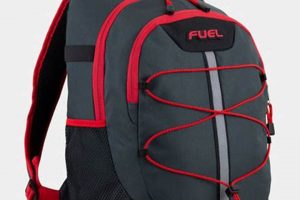
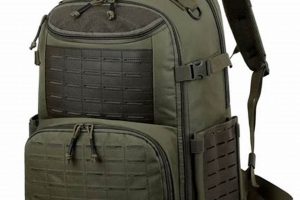
Advancements in portable carrying solutions now incorporate technology to enhance functionality and user experience. For example, some backpacks feature integrated charging ports for electronic devices, while others include smart fabrics that provide environmental data or improve wearer safety.
The integration of technology into these carrying systems provides several benefits, including increased convenience, enhanced safety, and improved organization. Historically, backpacks have evolved from simple load-carrying devices to sophisticated platforms for integrating personal technology, reflecting the growing demands of modern lifestyles.
The following sections will explore specific applications, material innovations, and the future trends shaping the evolution of these technologically enhanced portable carrying systems.
Backpack Tech Tips
This section outlines essential considerations for selecting and maintaining backpacks equipped with integrated technology. Proper understanding and application of these tips ensures optimal performance and longevity.
Tip 1: Battery Capacity Assessment: Prioritize backpacks with integrated power banks based on device charging needs. Evaluate milliampere-hour (mAh) ratings to ensure compatibility with smartphones, tablets, and laptops. Example: A 10,000 mAh power bank provides approximately two full charges for a standard smartphone.
Tip 2: Weather Resistance Evaluation: Examine the materials and construction for water resistance or waterproofing capabilities. Look for features like sealed zippers and durable water repellent (DWR) coatings. Consider the denier rating of the fabric; higher denier generally indicates greater durability and water resistance.
Tip 3: Ergonomic Design Considerations: Focus on backpacks with adjustable straps, padded back panels, and weight distribution systems. A properly fitted backpack minimizes strain and promotes comfortable carrying. Lumbar support and sternum straps are crucial features for heavier loads.
Tip 4: Cable Management Optimization: Implement strategies for organizing and securing charging cables within the backpack. Utilize internal pockets, elastic straps, or cable organizers to prevent tangling and damage. Consistent cable management extends the lifespan of both the cables and the charging ports.
Tip 5: Component Compatibility Verification: Ensure that all integrated components, such as solar panels or Bluetooth speakers, are compatible with the user’s existing devices. Verify voltage, amperage, and connectivity standards prior to purchase.
Tip 6: Security Feature Implementation: Prioritize backpacks with anti-theft features, including hidden compartments, RFID-blocking pockets, and lockable zippers. These features protect valuable electronic devices and personal information from unauthorized access.
Tip 7: Maintenance and Cleaning Protocols: Follow the manufacturer’s instructions for cleaning and maintaining the backpack and its integrated components. Avoid using harsh chemicals or abrasive materials, as these can damage the fabric and electronics. Regularly inspect for wear and tear, and address any issues promptly.
Adhering to these guidelines enhances the functionality, safety, and longevity of backpacks featuring integrated technology. These tips will inform the subsequent analysis of future trends and innovations in this domain.
The following section will discuss the various applications of integrated technologies in carrying solutions.
1. Charging Capabilities and Backpack Tech

Integrated charging capabilities represent a primary driver in the evolution of advanced portable carrying systems. The demand for mobile power solutions, particularly for electronic devices, has spurred the incorporation of power banks and charging ports directly into backpacks. This integration addresses the fundamental need for users to maintain device functionality while commuting, traveling, or engaging in outdoor activities.
The effect of this integration is multifaceted. Firstly, it enhances user convenience by eliminating the need for separate power banks and cumbersome charging cables. Secondly, it promotes device longevity by providing a readily available power source, thereby preventing battery depletion. Real-world examples include backpacks equipped with USB ports for charging smartphones and tablets, as well as larger backpacks with high-capacity batteries capable of powering laptops. This functionality is particularly significant for students, professionals, and travelers who rely heavily on their electronic devices.
In conclusion, the integration of charging capabilities into portable carrying systems significantly enhances their practicality and value proposition. While challenges such as weight management and power bank lifespan remain, the ongoing advancements in battery technology and materials science suggest a continued evolution of these integrated charging solutions, further solidifying their role in the broader landscape of advanced carrying systems.
2. Ergonomic Design and Backpack Tech

Ergonomic design principles are increasingly critical in the development of advanced carrying systems. The integration of technology, while enhancing functionality, necessitates careful consideration of weight distribution, user comfort, and musculoskeletal health. Ergonomic design in backpack tech directly addresses the potential for strain and injury associated with carrying electronic devices and other heavy items.
- Adjustable Straps and Load Lifters
Adjustable straps, including shoulder straps, sternum straps, and hip belts, allow users to customize the fit of the backpack to their body. Load lifters, positioned at the top of the shoulder straps, pull the load closer to the wearer’s center of gravity, reducing strain on the shoulders. These features are essential for distributing weight evenly and minimizing pressure points, mitigating the risk of back pain and postural problems. Real-world examples include backpacks designed for hiking or travel, which incorporate these adjustable components to accommodate varying body sizes and load weights.
- Padded Back Panels and Ventilation
Padded back panels provide cushioning and support for the spine, reducing direct impact and friction. Ventilation channels within the back panel promote airflow, minimizing moisture buildup and preventing discomfort caused by prolonged contact with the backpack. Backpacks designed for commuting or cycling often feature advanced ventilation systems to enhance user comfort during physical activity. An example is the use of mesh materials and contoured foam to create air gaps between the backpack and the wearer’s back.
- Weight Distribution Systems
Internal or external frames, combined with strategically placed compartments, contribute to effective weight distribution within the backpack. A well-designed weight distribution system ensures that the load is balanced, reducing strain on specific muscle groups and preventing postural imbalances. Many backpacks employ a suspension system to lift the weight off the shoulders and transfer it to the hips, which are better equipped to handle heavier loads. Examples include internal frame backpacks used for backpacking, where the frame supports the load and distributes it evenly across the wearer’s back and hips.
- Compartmentalization and Accessibility
Strategic compartmentalization allows users to organize and access items efficiently, minimizing the need to rummage through the backpack and potentially destabilize the load. Dedicated compartments for laptops, tablets, and other electronic devices ensure that these items are securely positioned and protected from damage. Quick-access pockets for frequently used items, such as water bottles or phones, further enhance usability. For example, some backpacks feature external access to a laptop compartment, allowing users to remove the device without fully opening the backpack.
The ergonomic considerations detailed above are crucial for maximizing the benefits of integrated technology in carrying systems. A backpack equipped with advanced features is only as effective as its ability to be carried comfortably and safely. By prioritizing ergonomic design, manufacturers can create backpacks that not only accommodate electronic devices but also promote user well-being and long-term musculoskeletal health. Future innovations will likely focus on further refining these ergonomic aspects, potentially incorporating adaptive suspension systems and personalized fitting technologies.
3. Material Durability and Backpack Tech
Material durability represents a critical factor in the overall performance and longevity of backpacks incorporating technology. The integration of electronic components, sensitive to environmental factors, necessitates robust materials capable of withstanding wear, tear, and adverse conditions.
- Abrasion Resistance and Fabric Selection
The choice of fabric significantly impacts a backpack’s ability to resist abrasion. High-denier nylon, often treated with durable water repellent (DWR) coatings, provides a balance of strength, water resistance, and weight. Cordura fabrics, known for their exceptional abrasion resistance, are frequently used in high-wear areas. The selection of appropriate fabrics directly correlates with the backpack’s ability to withstand daily use, particularly in demanding environments, thereby protecting internal technology. Examples include backpacks used by students or professionals who carry heavy loads regularly.
- Water Resistance and Environmental Protection
Protecting electronic components from moisture intrusion is paramount. Waterproof or water-resistant materials, combined with sealed seams and water-resistant zippers, create a barrier against rain, snow, and spills. Polyurethane (PU) coatings and waterproof membranes enhance the fabric’s ability to repel water. Backpacks designed for outdoor activities or travel often prioritize waterproof construction to safeguard sensitive electronics. Real-world implications involve protecting laptops and other devices during inclement weather.
- Tear Strength and Structural Integrity
The tear strength of a backpack’s materials determines its ability to resist ripping or tearing under stress. Reinforcements at stress points, such as strap attachment points and zipper closures, improve structural integrity. Ripstop fabrics, which incorporate a grid pattern to prevent tears from spreading, further enhance durability. Backpacks intended for heavy-duty use, such as those carried by military personnel or outdoor enthusiasts, require high tear strength to withstand rigorous conditions. Failure to maintain structural integrity can expose and damage internal electronic components.
- UV Resistance and Colorfastness
Prolonged exposure to ultraviolet (UV) radiation can degrade materials, leading to fading, weakening, and eventual failure. UV-resistant fabrics and coatings protect against these effects, extending the lifespan of the backpack. Colorfastness ensures that the colors remain vibrant over time, maintaining the aesthetic appeal of the backpack. Backpacks used in sunny environments benefit from UV-resistant materials, preventing premature degradation and maintaining their structural and visual integrity. This is particularly important for backpacks incorporating solar panels or other UV-sensitive components.
In summation, material durability is not merely a superficial attribute but a critical factor that directly influences the reliability and longevity of technology-integrated backpacks. The selection of abrasion-resistant, water-resistant, tear-resistant, and UV-resistant materials is essential for protecting internal electronic components and ensuring the continued functionality of the backpack under diverse environmental conditions.
4. Security Features and Backpack Tech

The incorporation of security features into backpack tech is a direct response to the increasing need for protection against theft and unauthorized access to personal data. As backpacks evolve into mobile offices and entertainment hubs, they carry not only valuable electronic devices but also sensitive personal and professional information. The integration of security measures is, therefore, not merely an added benefit but a fundamental component of modern carrying solutions.
Anti-theft backpacks, for example, often feature hidden compartments, slash-resistant materials, and lockable zippers. Radio-frequency identification (RFID) blocking pockets are increasingly common, protecting credit cards and passports from electronic skimming. Consider the urban commuter who relies on a backpack to transport a laptop, tablet, and confidential work documents. Without these security features, the risk of data breach and financial loss significantly increases. The implementation of such security measures represents a proactive approach to safeguarding personal assets in increasingly vulnerable environments.
The ongoing development and refinement of security features within backpack tech reflect the broader trend of prioritizing personal data protection and physical security. While challenges remain in balancing security with user accessibility and convenience, the practical significance of these integrated security measures is undeniable. The future of backpack tech will likely see further advancements in biometric locking systems, GPS tracking, and real-time theft alerts, solidifying the role of the backpack as a secure and reliable personal storage solution.
5. Connectivity Options and Backpack Tech

Integration of connectivity options into advanced carrying systems enhances functionality by enabling seamless interaction between the user, the backpack, and external devices. These features, encompassing various wireless and wired communication protocols, transform the backpack from a passive container into an active component of the user’s digital ecosystem.
- USB Ports for Device Charging and Data Transfer
Incorporation of USB ports facilitates on-the-go device charging and data synchronization. External USB ports, connected to an internal power bank, allow users to charge smartphones, tablets, and other portable devices without removing them from the backpack. Internal USB hubs enable data transfer between devices stored within the backpack, streamlining workflows for photographers, videographers, and other content creators. Backpacks designed for digital nomads and travelers often feature multiple USB ports to accommodate various devices.
- Bluetooth Connectivity for Audio and Device Control
Bluetooth connectivity enables wireless pairing with headphones, speakers, and other Bluetooth-enabled devices. Integrated Bluetooth modules allow users to control music playback, answer calls, and access voice assistants without physically interacting with their smartphones. Certain backpacks feature built-in Bluetooth speakers, providing a portable audio solution for outdoor activities and social gatherings. Backpacks marketed towards cyclists and hikers may include Bluetooth-enabled remote controls for managing music and calls while maintaining focus on the environment.
- NFC (Near Field Communication) for Quick Device Pairing and Access Control
NFC technology allows for quick and convenient device pairing with compatible smartphones and tablets. NFC tags embedded in the backpack can trigger automated actions on connected devices, such as launching specific apps or adjusting settings. Additionally, NFC can be used for access control, enabling users to unlock compartments or activate security features with a simple tap of their NFC-enabled device. Backpacks designed for security-conscious individuals may incorporate NFC-based locking mechanisms.
- Wi-Fi Hotspot Functionality for Internet Access on the Move
Some backpacks integrate portable Wi-Fi hotspots, providing internet access for multiple devices while traveling or in areas with limited connectivity. These hotspots utilize cellular data connections to create a local Wi-Fi network, allowing users to stay connected on laptops, tablets, and other Wi-Fi-enabled devices. Backpacks targeted at remote workers and international travelers often feature integrated Wi-Fi hotspots to facilitate productivity and communication in diverse environments.
The integration of connectivity options into modern portable carrying systems represents a significant advancement, transforming backpacks from simple storage containers into active nodes within the user’s personal technology network. The adoption of USB, Bluetooth, NFC, and Wi-Fi technologies enhances user convenience, productivity, and overall functionality, solidifying the role of backpacks as essential components of modern mobile lifestyles.
6. Weight Distribution

Effective weight distribution is a critical factor in the design and functionality of backpacks incorporating technology. The integration of electronic devices and power sources introduces concentrated loads that necessitate careful consideration to ensure user comfort, ergonomic safety, and the long-term integrity of the backpack structure.
- Internal Frame Integration
Internal frames, often constructed from lightweight yet rigid materials such as aluminum or carbon fiber, provide a structural backbone that distributes weight evenly across the wearer’s back and hips. This design minimizes localized pressure points and prevents the backpack from sagging or distorting under heavy loads. Backpacks designed for carrying laptops and other electronic equipment frequently incorporate internal frames to manage the added weight and maintain a stable profile. Military-style backpacks, for example, utilize robust internal frames to distribute the weight of communication devices and power supplies.
- Load-Lifter Straps and Torso Adjustment
Load-lifter straps, positioned at the top of the shoulder straps, pull the upper portion of the backpack closer to the wearer’s body, preventing it from pulling away from the shoulders. This action transfers a portion of the load to the torso, reducing strain on the shoulders and neck. Adjustable torso lengths allow users to customize the fit of the backpack to their individual body dimensions, further optimizing weight distribution. Backpacks designed for hiking or extended travel often include adjustable torso lengths and load-lifter straps to accommodate varying body types and load weights.
- Hip Belts and Lumbar Support
Hip belts transfer a significant portion of the backpack’s weight from the shoulders to the hips, which are better equipped to handle heavy loads. Padded hip belts with ergonomic contours provide cushioning and support for the lumbar region, reducing strain on the lower back. Lumbar support panels conform to the natural curvature of the spine, promoting proper posture and minimizing discomfort. Backpacks designed for carrying heavy electronic equipment, such as photography gear or surveying instruments, frequently incorporate padded hip belts and lumbar support to enhance user comfort and reduce the risk of back injury.
- Compartmentalization and Center of Gravity
Strategic compartmentalization within the backpack allows users to distribute weight evenly across different areas. Positioning heavier items, such as laptops or power banks, closer to the wearer’s back maintains a lower center of gravity, improving stability and reducing the tendency for the backpack to swing or sway. Dedicated compartments for electronic devices often include padding and securing straps to prevent movement and protect the contents from damage. Backpacks designed for students and professionals often feature designated laptop compartments positioned close to the back to optimize weight distribution and protect valuable electronic equipment.
Effective weight distribution is not merely a matter of comfort but a critical factor in the long-term health and well-being of users of backpack tech. By incorporating internal frames, load-lifter straps, hip belts, and strategic compartmentalization, manufacturers can create backpacks that mitigate the risks associated with carrying heavy electronic devices and other technology-related equipment, thereby ensuring a more comfortable and ergonomically sound user experience.
Frequently Asked Questions About Backpack Tech
This section addresses common inquiries and misconceptions regarding advanced portable carrying systems, providing clarity on essential aspects and functionalities.
Question 1: What is the typical lifespan of integrated power banks within backpacks?
The lifespan of integrated power banks varies based on usage patterns and battery chemistry. Lithium-ion batteries, commonly used in these systems, typically retain 80% of their original capacity after 300-500 charge cycles. Exposure to extreme temperatures and improper charging practices can reduce battery lifespan.
Question 2: How effective are RFID-blocking pockets in protecting against data theft?
RFID-blocking pockets, constructed with materials that impede radio frequency signals, are effective in preventing unauthorized scanning of RFID-enabled credit cards and passports. The effectiveness depends on the frequency range blocked and the shielding material’s integrity.
Question 3: What materials offer the best combination of durability and water resistance for backpacks?
High-denier nylon and polyester fabrics, treated with durable water repellent (DWR) coatings, offer a balance of durability and water resistance. For more demanding conditions, laminated or coated fabrics with sealed seams provide enhanced protection against moisture intrusion.
Question 4: How does ergonomic design impact the long-term health of backpack users?
Ergonomic design, incorporating adjustable straps, padded back panels, and effective weight distribution, minimizes strain on the musculoskeletal system. Proper fit and weight distribution reduce the risk of back pain, shoulder strain, and postural imbalances, promoting long-term health and comfort.
Question 5: What are the key considerations for maintaining the cleanliness of backpacks with integrated electronics?
When cleaning backpacks with integrated electronics, it’s crucial to remove or protect electronic components from moisture. Use a damp cloth and mild detergent to clean the fabric surfaces, avoiding harsh chemicals or abrasive cleaners. Ensure the backpack is completely dry before reconnecting any electronic components.
Question 6: How can one assess the overall quality and reliability of backpacks featuring integrated technology?
Assessing the quality and reliability of backpacks with integrated technology involves examining the materials used, the construction methods, the quality of electronic components, and user reviews. Reputable brands often provide detailed specifications and warranties, indicating a commitment to quality and reliability.
The provided FAQs highlight the significant aspects of advanced portable carrying systems, from power bank lifespan to ergonomic design and cleaning protocols.
The subsequent sections will discuss the future trends.
Conclusion
This article has explored the multifaceted integration of technology into portable carrying solutions. From charging capabilities and ergonomic design to material durability, security features, connectivity options, and weight distribution, the analysis reveals a significant evolution in the functionality and utility of backpacks. The convergence of these elements signifies a shift from simple load-carrying devices to sophisticated, tech-enabled ecosystems.
As technology continues to advance, the role of “backpack tech” will likely expand, necessitating a continued focus on safety, durability, and user-centric design. The onus remains on manufacturers and consumers alike to prioritize innovation that enhances, rather than compromises, the practicality and longevity of these increasingly essential tools.