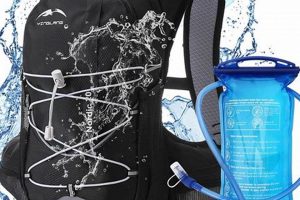
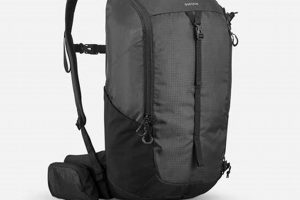
A device engineered for transporting a harvested deer carcass from a remote location, often mountainous terrain, utilizes a frame and harness system to distribute the weight across the user’s back. This system allows for hands-free maneuverability and reduces strain compared to dragging the carcass. An example includes an adjustable metal frame equipped with padded shoulder straps and a waist belt designed to secure and carry the deer.
The utilization of a specialized carrying system offers multiple advantages, including minimized physical exertion, prevention of carcass contamination from ground debris, and increased efficiency in navigating difficult landscapes. Historically, hunters relied on dragging or employing pack animals, both of which presented limitations in terms of effort required and accessibility. Modern carrying systems represent an advancement in harvesting techniques, promoting responsible and effective game management.
Understanding the construction and utilization of these carrying systems is crucial for successful backcountry hunts. Subsequent sections will delve into the selection criteria, loading techniques, safety considerations, and maintenance procedures associated with effective and ethical deer carcass retrieval. Further, discussions on regulatory requirements related to game transport will be presented to ensure compliance.
Practical Advice for Using Deer Carcass Backpacking Systems
Effective and safe utilization of a load-bearing carcass transport system requires careful planning and execution. Adherence to the following guidelines will maximize efficiency and minimize risk during retrieval operations.
Tip 1: Equipment Inspection: Prior to deployment, rigorously examine the frame, straps, buckles, and stitching for any signs of wear, damage, or weakness. Replace or repair components as needed to ensure structural integrity and prevent equipment failure in the field. Example: Check for frayed stitching on weight-bearing straps.
Tip 2: Weight Distribution: Evenly distribute the carcass weight within the frame to maintain balance and minimize strain. Proper distribution prevents uneven load bearing and reduces the risk of injury. Example: Positioning the heavier portions of the deer closer to the spine.
Tip 3: Securing the Load: Employ robust straps and tie-downs to firmly secure the carcass to the frame. Ensure the load is stable and will not shift during transport, particularly on uneven terrain. Example: Utilizing multiple ratchet straps to prevent movement.
Tip 4: Terrain Assessment: Before commencing transport, evaluate the route for potential hazards, such as steep inclines, slippery surfaces, or dense vegetation. Adjust pace and carrying strategy accordingly to minimize risk of falls or injuries. Example: Identifying alternate routes around obstacles.
Tip 5: Physical Conditioning: Maintain adequate physical fitness and hydration levels before and during transport. Carrying a heavy load requires significant exertion, and fatigue increases the risk of accidents. Example: Implementing a training regimen prior to the hunting season.
Tip 6: Communication and Navigation: Maintain reliable communication with others and utilize navigation tools to remain oriented and avoid getting lost. This is especially critical in remote areas with limited cell service. Example: Carrying a GPS device and satellite communication device.
Tip 7: Adherence to Regulations: Remain compliant with all applicable hunting regulations regarding carcass transport and tagging requirements. Verify legal requirements prior to leaving the harvest site. Example: Ensuring the proper tags are attached and visible.
Employing these strategies contributes to a safer, more efficient, and ethical retrieval process, promoting responsible hunting practices and minimizing environmental impact.
In conclusion, adherence to best practices when using a carrying system for harvested game will enhance safety and ensure the responsible transport of the animal.
1. Frame Material

The structural integrity and performance of a deer carcass backpacking system are directly contingent upon the composition of its frame. The frame material dictates the system’s weight-bearing capacity, durability, and overall suitability for navigating varied terrains. Choosing an inappropriate frame material can compromise the user’s safety and the successful retrieval of the harvested animal. For example, a frame constructed from lightweight, low-strength aluminum may buckle or fail under the load of a mature buck in mountainous terrain, whereas a frame crafted from high-strength steel provides superior load-bearing capabilities and enhanced durability in demanding conditions. Therefore, the frame material acts as a critical determinant of the devices functional effectiveness.
The selection of frame material necessitates a balance between weight and strength. Aluminum alloys offer a lighter alternative to steel, reducing the overall burden on the carrier, a significant benefit during extended backcountry treks. However, this weight reduction often comes at the cost of reduced tensile strength and increased susceptibility to deformation under heavy loads. Steel frames, conversely, provide exceptional strength and resistance to bending or breaking but introduce a substantial weight penalty, potentially increasing fatigue and reducing maneuverability. Manufacturers often employ specialized alloys and heat-treating processes to optimize the strength-to-weight ratio, providing enhanced performance without excessive weight. Real-world applications demand careful evaluation of the trade-offs inherent in each material choice based on anticipated load weights and environmental conditions.
Ultimately, the choice of frame material for a deer carcass carrying system represents a crucial decision impacting the system’s functionality and longevity. Understanding the properties of different materials, such as aluminum alloys and steel variants, allows for informed selection based on specific hunting needs and anticipated environmental challenges. A properly chosen frame material ensures safe and efficient carcass retrieval, contributing to responsible hunting practices and minimizing the potential for equipment failure in demanding backcountry environments.
2. Weight Capacity

Weight capacity represents a critical parameter in the selection and utilization of a load-bearing deer carcass transport system. This specification dictates the maximum permissible load the device can safely and effectively bear, influencing its suitability for various deer sizes and terrain conditions. Exceeding the stated weight capacity can result in equipment failure, compromising the user’s safety and the successful retrieval of the harvested animal.
- Frame Stress and Material Fatigue
The weight capacity is directly related to the stress exerted on the frame and components of the backpacking system. Exceeding the designated limit induces excessive stress, potentially leading to material fatigue, bending, or fracture of critical structural elements. Repeated overloading significantly reduces the lifespan of the device, increasing the risk of catastrophic failure during transport. For example, consistently carrying deer carcasses exceeding the frame’s rated capacity of 150 lbs with a 200 lbs animal will accelerate wear and potentially result in a broken frame in the field.
- User Safety and Ergonomics
Operating within the specified weight capacity enhances user safety and ergonomic efficiency. Overloading the system compromises balance and stability, increasing the risk of falls, muscle strain, and back injuries, particularly on uneven or steep terrain. Proper weight distribution within the recommended limit optimizes comfort and maneuverability, enabling safer and more efficient transport. A hunter carrying a 100-pound deer with a properly rated pack will experience less strain than if attempting to carry a 150-pound deer on a system designed for 100 pounds.
- Carcass Integrity and Preservation
The weight capacity also affects the integrity of the harvested carcass. Overloading the system can cause undue compression or deformation of the carcass, potentially leading to bruising, tissue damage, and accelerated spoilage, especially in warm weather conditions. Utilizing a system with adequate weight capacity ensures the carcass remains intact and minimizes the risk of contamination during transport. A properly supported deer carcass will experience less damage from rubbing against the frame.
- Legal and Ethical Considerations
Adherence to weight capacity specifications aligns with responsible hunting practices and may be indirectly linked to legal requirements. Overloaded systems are more prone to failure, potentially leading to loss of the carcass or increased risk of injury, both of which can have ethical implications. Understanding and respecting the equipment’s limitations demonstrate a commitment to responsible game handling and environmental stewardship. Ignoring the system’s limits can increase the likelihood of problems and reflects poorly on hunting ethics.
In conclusion, understanding and respecting the weight capacity of a deer carcass backpacking system is paramount for ensuring user safety, carcass integrity, and ethical hunting practices. Proper selection and utilization of a system with an appropriate weight capacity contribute to a more efficient and responsible harvesting experience. Failure to account for weight constraints can result in compromised safety, equipment failure, and potential ethical or legal ramifications.
3. Strap Adjustability

Strap adjustability constitutes a critical design element in deer carcass backpacking systems, directly impacting user comfort, load stability, and overall efficiency during retrieval operations. The capacity to modify strap configurations allows for customization based on individual body types, load weights, and terrain conditions, thereby optimizing the carrying experience.
- Torso Length Accommodation
Adjustable shoulder straps enable accommodation of varying torso lengths. Correct torso length adjustment ensures the weight is appropriately distributed between the shoulders and hips, preventing undue strain on either area. Systems lacking this feature may induce discomfort and increase the risk of injury. A taller individual requires longer straps than a shorter one to achieve optimal weight distribution.
- Load Stabilization
Adjustable sternum straps and hip belts contribute to load stabilization. The sternum strap prevents the shoulder straps from sliding outwards, while the hip belt transfers a significant portion of the weight to the user’s hips, the body’s strongest weight-bearing structure. Properly adjusted straps minimize load shifting, enhancing balance and reducing fatigue. Without these straps, the load may swing, causing instability.
- Customized Fit for Clothing and Gear
Strap adjustability facilitates adaptation to varying layers of clothing and personal protective equipment. Hunters often operate in diverse weather conditions, necessitating the addition or removal of layers. Adjustable straps accommodate these changes, ensuring a secure and comfortable fit regardless of the bulk of clothing worn. The system must function equally well with a thin shirt or a heavy jacket.
- Dynamic Adjustment on Uneven Terrain
On-the-fly adjustability allows for dynamic modification of strap tension in response to changing terrain. Tightening the hip belt on uphill climbs transfers more weight to the hips, while loosening it on descents improves balance and mobility. This dynamic adjustment capability enhances performance and minimizes strain during prolonged backcountry transport. Being able to quickly adjust the straps while navigating varied terrain is important.
The integration of versatile and readily adjustable straps is paramount to maximizing the utility and safety of deer carcass backpacking systems. Such features enable users to adapt the system to their specific needs, optimizing comfort, stability, and load distribution throughout the retrieval process. Systems lacking adequate strap adjustability may compromise performance and increase the risk of injury, underscoring the importance of this design consideration.
4. Load Security

Load security is a paramount consideration in the design and practical application of backpacking systems engineered for transporting harvested deer carcasses. The effective securing of the carcass to the frame is essential for ensuring user safety, preventing damage to the meat, and facilitating efficient transport, especially across challenging terrain.
- Strapping Mechanisms and Materials
Robust strapping mechanisms are crucial for maintaining load security. These often involve heavy-duty nylon or polyester straps equipped with durable buckles and tensioning devices. The materials must withstand substantial tensile forces and resist abrasion from contact with the carcass and frame. An example includes ratchet straps with a high breaking strength, capable of firmly securing the deer without slippage, even under dynamic loading conditions. Insufficient strapping can lead to load shifting, instability, and potential detachment of the carcass.
- Distribution of Anchor Points
The strategic placement of anchor points on the frame is vital for distributing the load evenly and preventing localized stress concentrations. Multiple anchor points, typically reinforced loops or D-rings, should be positioned to accommodate various carcass sizes and shapes. Distributing anchor points minimizes the risk of tearing or deformation of the carcass, preserving meat quality. Insufficient anchor points may cause undue pressure on specific areas, leading to tissue damage.
- Compression and Stabilization Techniques
Compression straps play a significant role in stabilizing the load and reducing movement within the frame. By compressing the carcass against the frame, these straps minimize swaying and bouncing, improving balance and reducing strain on the user. Techniques include crisscrossing straps or utilizing compression panels to evenly distribute pressure. A properly compressed load enhances stability and reduces fatigue during extended transport.
- Inspection and Maintenance Protocols
Regular inspection and maintenance of load security components are essential for ensuring their continued effectiveness. Straps should be inspected for fraying, cuts, or weakening, and buckles should be checked for proper function and security. Damaged or worn components should be replaced immediately to prevent failure during transport. Neglecting maintenance can compromise load security, increasing the risk of accidents and carcass damage.
The aspects of load security, from robust strapping to meticulous maintenance, are indispensable for the reliable operation of a deer carcass transport system. The careful selection and proper utilization of these features contribute directly to the safety of the user, the preservation of the harvested game, and the overall success of backcountry hunting endeavors.
5. Terrain Adaptability
Terrain adaptability is a fundamental attribute of a deer carcass backpacking system, directly influencing its effectiveness and safety across diverse environments. The system’s capacity to conform to varying topographical conditions determines its suitability for backcountry hunting scenarios. Constraints in terrain adaptability increase user exertion, decrease efficiency, and elevate the risk of accidents.
- Suspension System Articulation
The degree of articulation within the suspension system dictates the backpack’s ability to maintain contact with the user’s back while traversing uneven terrain. Systems with limited articulation restrict movement, causing instability and increasing strain on specific muscle groups. Conversely, highly articulated systems conform to body movements, distributing the load more evenly and enhancing balance. An example is a pivoting hip belt that allows independent movement of the lower body without transferring torque to the upper torso.
- Adjustable Load Lifters
Adjustable load lifter straps, connecting the shoulder straps to the upper portion of the frame, enable manipulation of the load’s center of gravity. Tightening these straps pulls the load closer to the user’s back, improving stability on steep inclines. Conversely, loosening them allows for greater freedom of movement on level ground. The ability to adjust the load’s position dynamically is crucial for navigating varied terrain efficiently. Without adjustable load lifters, the system performs sub-optimally on steep terrain.
- Frame Design and Flexibility
The overall design and flexibility of the frame contribute significantly to terrain adaptability. Frames constructed from flexible materials, such as composite polymers, offer greater conformity to body contours and terrain irregularities compared to rigid metal frames. This flexibility enhances comfort and stability, particularly when traversing uneven surfaces or dense vegetation. A flexible frame allows for torsional movement, preventing the transfer of shocks and strains directly to the user’s spine.
- Footwear Compatibility and Clearance
The design of the lower portion of the frame must accommodate a range of footwear types and provide adequate clearance for navigating obstacles. Interference between the frame and the user’s boots can impede movement and increase the risk of tripping. A streamlined design with sufficient ground clearance allows for unimpeded movement across rocks, logs, and other natural barriers. Adequate clearance prevents the frame from catching on obstacles.
The interplay between these facets defines the overall terrain adaptability of a backpacking system. A well-designed system incorporates these features to facilitate safe, efficient, and comfortable transport of harvested game across diverse landscapes. Systems lacking in terrain adaptability impose limitations on the user’s ability to navigate challenging environments, potentially compromising safety and hindering the successful retrieval of the carcass.
6. User Ergonomics

User ergonomics plays a pivotal role in the effective and safe utilization of deer carcass backpacking systems. The design and implementation of ergonomic principles directly influence the physical strain experienced by the user, the efficiency of the transport process, and the potential for long-term musculoskeletal health. Neglecting ergonomic considerations can result in discomfort, injury, and compromised harvesting outcomes.
- Load Distribution and Balance
Ergonomically designed backpacking systems prioritize optimal load distribution to minimize stress on specific muscle groups and joints. This involves positioning the weight close to the user’s center of gravity and utilizing adjustable straps to transfer a significant portion of the load to the hips and legs. Imbalances in weight distribution can lead to postural deviations, muscle fatigue, and increased risk of back injuries. Systems with adjustable torso lengths and hip belts exemplify this principle. A properly fitted system distributes weight evenly, reducing strain compared to a poorly designed pack where weight concentrates on the shoulders.
- Padding and Support
Adequate padding and support in critical contact areas, such as the shoulder straps, hip belt, and lumbar region, enhance comfort and reduce pressure points. Ergonomic padding materials conform to the user’s body contours, minimizing friction and preventing chafing during extended transport. Inadequate padding can lead to localized discomfort, skin irritation, and impaired circulation. High-density foam padding strategically placed in these areas is a common ergonomic design feature. A pack with well-padded straps prevents shoulder pain compared to one with thin, abrasive straps.
- Adjustability and Customization
Ergonomic backpacking systems offer a range of adjustability features to accommodate individual body sizes and shapes. This includes adjustable torso lengths, shoulder strap angles, and hip belt positions. Customization ensures a secure and comfortable fit, optimizing load transfer and minimizing strain. Systems lacking adjustability may not properly fit all users, leading to discomfort and increased risk of injury. A pack with adjustable torso length allows for a customized fit that evenly distributes weight.
- Range of Motion and Mobility
An ergonomically sound backpacking system allows for a full range of motion without restricting movement or hindering agility. The design should minimize interference with the user’s arms, legs, and torso, enabling unimpeded navigation of challenging terrain. Systems that restrict movement can lead to awkward postures, increased energy expenditure, and a higher risk of falls. A pack designed to stay close to the body and avoid excessive bulk allows for greater freedom of movement than a bulky, ill-fitting pack.
These ergonomic facets underscore the importance of selecting a deer carcass backpacking system that prioritizes user well-being and functional performance. A system designed with ergonomic principles in mind minimizes physical strain, enhances comfort, and promotes safe and efficient transport of harvested game. Conversely, neglecting these considerations can lead to discomfort, injury, and compromised hunting outcomes, underscoring the critical role of user ergonomics in the design and application of these systems.
7. Regulatory Compliance

Adherence to relevant regulations is a non-negotiable aspect of utilizing a deer carcass backpacking system. Hunting and game management are governed by a complex web of laws and rules designed to ensure sustainable harvesting practices, prevent the spread of disease, and protect wildlife populations. Failure to comply with these regulations can result in fines, confiscation of equipment, and even criminal charges.
- Tagging and Documentation Requirements
Many jurisdictions mandate the immediate tagging of harvested deer with a state-issued tag. This tag serves as proof of legal harvest and must remain affixed to the carcass throughout transport. Additionally, some regions require specific documentation, such as harvest logs or permits, to accompany the carcass. Non-compliance with these tagging and documentation protocols can result in significant penalties. For example, transporting a deer without a properly affixed tag may lead to fines or confiscation, regardless of the carrying method.
- Transport Restrictions and Check Stations
Regulations may restrict the transport of deer carcasses across certain boundaries or through designated areas. Check stations are often established to inspect harvested animals for disease and verify compliance with regulations. Failure to declare a carcass at a check station or transporting it through a restricted area can lead to legal repercussions. For instance, crossing state lines with a deer carcass may require specific permits and adherence to disease prevention protocols specific to both jurisdictions.
- Waste Disposal Regulations
Proper disposal of carcass waste, such as entrails and bone fragments, is often governed by specific regulations designed to prevent the spread of disease and minimize environmental impact. Leaving carcass waste in unauthorized locations can result in fines and contribute to the spread of pathogens. Complying with these regulations involves disposing of waste in designated areas or utilizing approved methods, such as deep burial, in accordance with local guidelines.
- Chronic Wasting Disease (CWD) Regulations
Regions affected by Chronic Wasting Disease (CWD) often implement stringent regulations regarding the transport of deer carcasses to prevent the further spread of the disease. These regulations may restrict the transport of specific carcass parts, such as the brain and spinal cord, which are known to harbor the infectious prions. Ignoring CWD-related regulations can have severe consequences, contributing to the wider dissemination of the disease and jeopardizing wildlife populations. Compliance often requires specific handling and disposal procedures for affected carcass parts.
In conclusion, understanding and adhering to all applicable regulations is paramount when utilizing a deer carcass backpacking system. These regulations, encompassing tagging, transport, waste disposal, and disease prevention, are designed to ensure responsible hunting practices and protect wildlife resources. Hunters must familiarize themselves with the specific regulations in their hunting area and ensure full compliance to avoid legal penalties and contribute to the sustainable management of deer populations.
Frequently Asked Questions
This section addresses common inquiries regarding the use of load-bearing systems for transporting harvested deer carcasses, providing concise and authoritative answers based on industry best practices and regulatory considerations.
Question 1: What is the average weight capacity required for a backpacking system intended for deer carcasses?
The necessary weight capacity varies depending on the typical size of deer harvested in a specific region. However, a minimum capacity of 150 pounds is generally recommended to accommodate mature bucks. Systems rated for 200 pounds or more provide added safety and versatility.
Question 2: What materials are best suited for the frame construction of a deer carcass backpacking system?
High-strength aluminum alloys and steel are commonly employed for frame construction. Aluminum offers a favorable weight-to-strength ratio, while steel provides superior durability and resistance to bending. The selection should align with anticipated load weights and terrain conditions.
Question 3: How can one ensure proper load distribution when utilizing a backpacking system for deer carcasses?
Even distribution is achieved by positioning the carcass weight close to the user’s center of gravity. Secure the heaviest portions of the deer near the spine and utilize compression straps to minimize shifting. Adjustable torso lengths and hip belts further optimize load transfer.
Question 4: What are the key safety considerations when transporting a deer carcass with a backpacking system in mountainous terrain?
Safety protocols include thorough equipment inspection, route assessment for potential hazards, maintenance of physical fitness, and utilization of communication and navigation devices. Adjusting pace and carrying strategy to match the terrain is critical.
Question 5: How should a user maintain the hygiene and integrity of a deer carcass during transport with a backpacking system?
Minimize contact with ground debris by elevating the carcass within the frame. Utilize breathable game bags to protect against contamination and insect infestation. Avoid prolonged exposure to direct sunlight and warm temperatures to prevent spoilage.
Question 6: What are the legal requirements regarding deer carcass transport that must be considered when using a backpacking system?
Compliance includes proper tagging of the carcass with a state-issued tag, adherence to transport restrictions regarding specific areas or boundaries, and compliance with waste disposal regulations for carcass remains. CWD-related regulations must also be observed in affected regions.
In summary, understanding the appropriate weight capacity, materials, load distribution techniques, safety precautions, hygiene practices, and regulatory requirements is crucial for the safe, efficient, and ethical use of deer carcass backpacking systems.
Further exploration of specific backpacking systems and regulatory nuances is recommended to optimize harvesting strategies.
Backpack Deer Mount
This examination has underscored the critical attributes of a reliable “backpack deer mount,” spanning from frame materials and weight capacity to terrain adaptability and regulatory compliance. Proper selection and utilization of such a system necessitates a comprehensive understanding of these factors, ensuring both user safety and ethical game handling. The detailed discussion of strap adjustability, load security, and ergonomic considerations highlights the importance of adapting the equipment to individual needs and environmental conditions.
Ultimately, the responsible implementation of a “backpack deer mount” reflects a commitment to sustainable hunting practices and respect for wildlife resources. Continued advancements in design and materials promise further improvements in efficiency and user comfort. Further research and adherence to evolving regulations remain essential for maximizing the benefits of this technology while minimizing its potential impact on the environment and game populations. Prioritizing both safety and ethical considerations will guarantee the continued utility of this apparatus for responsible hunters.