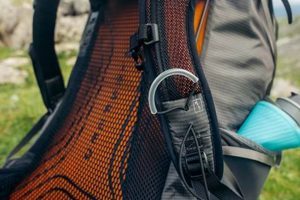
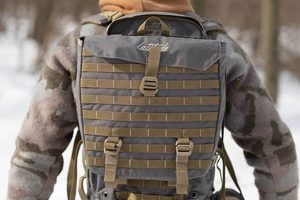
A pre-packed collection of essential items designed to facilitate evacuation from a residence or area in the event of an emergency. The contents are typically tailored to address survival needs for a period, enabling self-sufficiency during displacement. Examples of contents often include food, water, shelter, first-aid supplies, and navigation tools.
Such readiness offers individuals and families a degree of resilience when confronted with unforeseen circumstances, promoting self-reliance in the face of potential disruption to essential services and infrastructure. Historically, the concept reflects a proactive approach to emergency preparedness, evolving from basic survival kits to comprehensive contingency plans.
The subsequent discussion will elaborate on the selection criteria for these items, optimal organization techniques, and considerations for tailoring the collection to specific environmental and individual needs, alongside guidance on maintenance and deployment strategies.
Essential Considerations for Assembly
Optimizing the selection and arrangement of gear is crucial for preparedness during an emergency evacuation. The following guidelines outline key factors to consider when constructing a comprehensive solution.
Tip 1: Prioritize Water and Hydration: Secure a reliable water source and purification method. Water is fundamental for survival, and a minimum of three liters per person per day is recommended. Consider a durable water bottle, a purification filter, and purification tablets.
Tip 2: Calorie-Dense Food Supplies: Focus on non-perishable food items with a high calorie-to-weight ratio. Examples include energy bars, freeze-dried meals, and nuts. Ensure sufficient sustenance for at least 72 hours.
Tip 3: Shelter and Protection from the Elements: Include a lightweight tent, tarp, or bivy sack for protection from rain, wind, and sun. A sleeping bag or emergency blanket is vital for maintaining body temperature in adverse conditions.
Tip 4: First-Aid and Medical Supplies: Assemble a comprehensive first-aid kit equipped to handle common injuries and illnesses. Include bandages, antiseptic wipes, pain relievers, and any necessary prescription medications.
Tip 5: Navigation and Communication Tools: Pack a map and compass for orientation, and consider a hand-crank radio for receiving emergency broadcasts. A whistle can be used to signal for help.
Tip 6: Essential Tools and Repair Items: Include a multi-tool, knife, duct tape, and cordage for repairs and utility purposes. These items can prove invaluable in addressing unexpected situations.
Tip 7: Light Source and Power: Provide a reliable light source, such as a headlamp or flashlight, with extra batteries. A portable power bank can be used to charge electronic devices.
Effective assembly requires careful consideration of individual needs and potential environmental challenges, balancing weight, size, and functionality. Proper planning increases the likelihood of a successful evacuation.
The subsequent section will discuss strategies for maintaining preparedness and adapting the contents to specific scenarios.
1. Water

Water access is paramount in any emergency evacuation scenario. Integration of adequate water storage and purification methods into a preparedness collection directly impacts survivability and the ability to sustain oneself during periods of displacement.
- Storage Capacity and Container Selection
The volume of water carried directly affects the duration of self-sufficiency. Rigid, durable containers, such as stainless-steel bottles or collapsible bladders, are preferred to minimize leakage or damage. A minimum of three liters per person per day is generally recommended, influencing the overall weight and volume considerations.
- Purification Methods and Redundancy
Reliance on a single water source is imprudent. Inclusion of multiple purification methods, such as filtration straws, chemical treatments (chlorine dioxide tablets), and the ability to boil water, provides redundancy in the event of equipment failure or unavailability of a specific resource. Each method has limitations, necessitating a layered approach.
- Source Identification and Risk Assessment
Knowledge of potential water sources along anticipated evacuation routes is crucial. Understanding the risks associated with each source, such as contamination from agricultural runoff or industrial pollutants, informs the selection of appropriate purification techniques. Pre-planning significantly enhances the likelihood of securing potable water.
- Hydration Strategy and Conservation
Efficient water usage is critical during extended emergencies. Implementing strategies to minimize water loss, such as limiting strenuous activities during the hottest parts of the day and utilizing water-conserving cooking methods, extends the usable supply. Prioritization of essential hydration needs over non-essential uses is necessary.
The effective integration of water storage, purification, and conservation strategies into a preparedness solution directly correlates with increased resilience during emergency situations. A comprehensive approach, considering both immediate needs and long-term sustainability, is essential for maximizing survival outcomes.
2. Shelter
Protection from the elements is a critical aspect of any emergency preparedness strategy, making shelter components essential inclusions within a readiness collection. The ability to establish and maintain a protective barrier against environmental hazards directly influences survival probability and overall well-being during evacuation scenarios.
- Basic Shelter Components: Tents and Tarps
Lightweight, easily deployable tents and tarps offer immediate protection from rain, wind, and sun. Selection criteria should prioritize durability, pack size, and ease of setup. Emergency blankets, constructed from reflective materials, can provide a thermal barrier, mitigating hypothermia risk in cold environments. These elements represent foundational layers of defense against environmental exposure.
- Environmental Considerations and Adaptations
Shelter selection must account for anticipated environmental conditions. Desert environments necessitate sun protection and ventilation, while colder climates require insulation and wind resistance. Seasonal variations and geographical factors should inform the specific shelter components included in the kit. Adaptability is key to addressing diverse environmental challenges.
- Construction Skills and Resourcefulness
Beyond pre-fabricated shelters, knowledge of basic shelter construction techniques using natural materials enhances self-reliance. The ability to build a lean-to or improvise a windbreak can be invaluable in situations where commercial shelter options are unavailable or compromised. Practical skills complement the prepared components.
- Space Efficiency and Weight Management
Shelter components often constitute a significant portion of the overall load. Prioritizing lightweight materials and compact designs is essential for maintaining mobility and minimizing physical strain. Multifunctional items, such as tarps that can serve as both shelter and ground cover, contribute to efficient use of available space and weight allocation.
The integration of effective shelter provisions into a readiness kit extends beyond mere inclusion of equipment. It encompasses a strategic approach to environmental awareness, construction skills, and resource management. Careful consideration of these factors contributes to enhanced resilience and improved outcomes during emergency evacuation situations.
3. Food

Adequate sustenance is a cornerstone of emergency preparedness. Integration of appropriate food provisions within a readiness collection directly influences physical endurance and cognitive function during periods of duress and displacement, impacting overall survival potential.
- Calorie Density and Nutritional Value
Food items should maximize caloric intake per unit of weight and volume to minimize pack burden while providing sufficient energy. Consideration of nutritional balance, including protein, carbohydrates, and essential fats, supports sustained physical performance. Freeze-dried meals, energy bars, and nut butters represent practical options.
- Shelf Life and Storage Stability
Extended shelf life is critical for maintaining the readiness of food supplies. Selection of non-perishable items with minimal degradation over time reduces the need for frequent replenishment. Vacuum-sealed packaging and appropriate storage conditions, such as cool, dry environments, enhance preservation. Examples include canned goods, dehydrated fruits, and hardtack biscuits.
- Preparation Requirements and Accessibility
Ease of preparation and consumption are essential during emergency situations where resources may be limited. Ready-to-eat meals, requiring minimal or no cooking, conserve fuel and water. Packaging should be easily accessible and resealable to prevent spoilage. Examples include granola bars, trail mix, and pre-cooked rice pouches.
- Dietary Considerations and Individual Needs
Dietary restrictions, allergies, and medical conditions should be accounted for when selecting food items. Gluten-free, vegan, or diabetic-friendly options may be necessary to ensure adequate nutrition for all members of a group. Customization based on individual needs promotes inclusivity and optimal health outcomes. Examples include specialized protein powders, electrolyte supplements, and allergen-free snacks.
Strategic integration of calorie-dense, shelf-stable, and easily prepared food provisions into a preparedness collection directly supports physical and cognitive performance during emergency situations. The selected items should align with individual dietary needs and environmental conditions to optimize survival potential and overall well-being.
4. First-Aid

The inclusion of comprehensive first-aid supplies is inextricably linked to the functionality of a readiness collection. Injury and illness are likely to occur during emergency evacuations due to unfamiliar terrains, increased physical exertion, and potential exposure to hazards. A well-stocked kit mitigates the immediate impact of medical emergencies, preventing minor issues from escalating into life-threatening situations. Examples include treating lacerations sustained while traversing debris fields, managing sprains acquired from uneven ground, or addressing allergic reactions to previously unknown allergens encountered in the environment.
Beyond basic wound care, a comprehensive first-aid component should address potential chronic conditions exacerbated by stress and limited access to healthcare. Inclusion of necessary prescription medications, along with equipment for managing conditions like asthma or diabetes, becomes critical for individuals with pre-existing medical needs. Furthermore, understanding basic life support techniques, such as CPR, allows for immediate intervention in cases of cardiac arrest or severe trauma, significantly increasing the likelihood of survival until professional medical assistance can be obtained. The kit’s practical utility is further enhanced by readily accessible guides or instructional materials on administering first aid in various scenarios.
In summation, the first-aid component represents a non-negotiable aspect of any effective readiness solution. It transitions from being merely a collection of supplies to a proactive measure that enables self-sufficiency in managing medical emergencies, bridging the gap between the point of injury or illness and the availability of professional medical care. Challenges may arise in maintaining the kit’s contents in usable condition and ensuring its user’s proficiency in administering first aid; however, consistent monitoring, periodic refresher training, and practical simulations are vital to ensuring continued effectiveness.

Effective navigation is intrinsically linked to the functionality of a preparedness collection. Displacement during emergency situations necessitates the ability to determine direction and maintain a course towards a designated destination or safety zone. The absence of reliable navigation tools and skills can result in disorientation, wasted resources, and increased exposure to risk. Integration of appropriate navigation components into a readiness collection transforms a potential liability into a strategic advantage, enabling individuals and groups to traverse unfamiliar terrains and reach secure locations. Real-world examples illustrate the criticality of navigation in successful evacuations, ranging from wildfires where rapidly changing conditions necessitate adaptive route planning to natural disasters where infrastructure damage necessitates alternative paths.
The navigation component of a readiness solution typically includes a topographical map of the region, a compass, and potentially a GPS device or satellite communicator. The map provides a visual representation of the terrain, including elevation changes, waterways, and landmarks. The compass offers a consistent directional reference independent of electronic power sources. A GPS device, when available, allows for precise location tracking and route planning. However, reliance solely on electronic devices presents vulnerabilities, as power outages or signal loss can render them unusable. Therefore, proficiency in traditional map and compass navigation is crucial for maintaining self-sufficiency. The practical application of these tools extends beyond simply knowing how to read them; it involves understanding terrain features, calculating distances, and accounting for environmental factors like wind and visibility.
In summary, the navigation component within a preparedness collection serves as a critical determinant of success during emergency evacuations. It is not merely an optional accessory, but rather a fundamental element that enables informed decision-making and efficient resource allocation. Challenges exist in maintaining proficiency in navigation skills and adapting to unforeseen terrain obstacles, yet the potential consequences of navigational failure underscore the importance of thorough preparation and continuous practice. The capacity to navigate effectively transforms a collection of survival items into a dynamic tool for self-preservation, linking preparedness to positive outcomes in adverse scenarios.
6. Security
Integration of security measures within a preparedness collection directly correlates with enhanced survivability during emergency evacuations. The potential for social unrest, resource scarcity, and opportunistic criminal activity escalates during crisis events, making self-defense capabilities a necessary component of a comprehensive readiness plan. Security measures within a “bug out backpack” are not intended to encourage aggression, but rather to provide a means of deterring threats and protecting oneself and dependents from harm. Examples include employing signaling devices to alert authorities of distress situations, carrying non-lethal deterrents to dissuade potential attackers, and utilizing basic defensive tactics to safeguard essential resources.
Consideration of security needs informs the selection of specific items for the readiness collection. A high-lumen flashlight, for instance, can disorient potential aggressors while simultaneously providing illumination. A personal alarm device can attract attention and deter unwanted advances. Knowledge of basic self-defense techniques empowers individuals to respond effectively in threatening situations. Furthermore, incorporating situational awareness practices, such as identifying escape routes and avoiding high-risk areas, enhances overall security posture. It is crucial to emphasize adherence to all applicable laws and regulations regarding self-defense measures.
In summary, the security component within a preparedness collection represents a critical element for mitigating potential threats during emergency evacuations. Prioritizing deterrence, awareness, and legally compliant self-defense measures enhances the likelihood of a safe and successful outcome. While no solution guarantees absolute safety, integrating security considerations into a readiness plan represents a proactive approach to minimizing risk and protecting oneself and dependents during times of crisis. The maintenance of these items, along with continuous training, are paramount in ensuring effectiveness when needed.
Frequently Asked Questions
The following questions address common concerns and misconceptions surrounding preparedness and emergency evacuation.
Question 1: What constitutes an essential item within a preparedness solution?
Essential items directly address immediate survival needs, including water, food, shelter, first-aid, navigation, and security. These items should prioritize portability, durability, and functionality.
Question 2: How often should the contents of a readiness collection be inspected and updated?
Inspection and update frequency depend on the shelf life of individual items. Food, water, and medications require periodic replacement, typically every six to twelve months. Batteries should be checked annually.
Question 3: What is the recommended weight limit for a preparedness solution?
The optimal weight depends on individual physical capabilities and anticipated travel distance. As a general guideline, the weight should not exceed 20% of an individual’s body weight to minimize fatigue and maximize mobility.
Question 4: How should a readiness collection be tailored to specific environmental conditions?
The contents should be adjusted based on anticipated climate and terrain. Cold weather environments necessitate additional insulation and high-calorie food, while hot weather requires increased water capacity and sun protection.
Question 5: What legal considerations are relevant when assembling a readiness solution?
Laws regarding firearms, self-defense tools, and restricted items vary by jurisdiction. Prior to including such items, it is essential to familiarize oneself with local regulations to ensure compliance.
Question 6: What is the best method for storing a readiness solution?
The collection should be stored in a readily accessible, dry, and secure location. Avoid areas prone to extreme temperatures or humidity, as these can degrade the contents. Multiple storage locations may be considered for redundancy.
The principles of preparedness require continuous learning and adaptation. Consult with relevant experts and resources for additional guidance.
The subsequent section will delve into advanced considerations for enhancing preparedness and resilience.
Bug Out Backpack
This exposition has outlined the fundamental components, strategic considerations, and adaptive principles associated with a well-equipped “bug out backpack”. The discussed elements, encompassing water, shelter, food, first-aid, navigation, and security, represent a framework for self-reliance during emergency evacuations. Effective implementation necessitates meticulous planning, continuous maintenance, and a commitment to ongoing education.
The principles articulated herein serve as a foundation for preparedness, empowering individuals to mitigate risk and enhance resilience in the face of unforeseen circumstances. The development and upkeep of such a resource demands sustained effort and a realistic appraisal of potential threats. Preparedness, in this context, represents an investment in personal and communal security, acknowledging the inherent uncertainties of the future and proactively striving to mitigate their impact.