A high-visibility carrying device, typically constructed from durable materials, employed by hunters to transport essential gear. Its defining characteristic is its bright, non-natural coloration, designed to maximize visibility in outdoor environments. A common example would be a pack used to carry ammunition, field dressing kits, and survival equipment while pursuing game in wooded areas.
The utilization of these brightly colored packs significantly enhances hunter safety by increasing their visibility to other individuals in the field, thereby reducing the risk of accidental shootings. The adoption of these items represents a conscious effort to prioritize safety and adhere to responsible hunting practices. Historically, the use of bright colors in hunting apparel evolved as a direct response to concerns about hunter-related accidents.
The following sections will delve into the specific features, materials, regulations, and selection criteria associated with choosing an appropriate pack for various hunting scenarios. These considerations are crucial for ensuring both comfort and safety in the field.
Essential Considerations for Selecting a High-Visibility Hunting Pack
The subsequent guidelines offer critical insights into the selection and effective use of a high-visibility pack, ensuring both safety and optimal performance in the field.
Tip 1: Material Durability. Prioritize packs constructed from robust materials such as ripstop nylon or reinforced polyester. These fabrics withstand harsh environmental conditions and resist tearing from branches and rough terrain. Examine stitching quality to ensure seams are secure.
Tip 2: Visibility Compliance. Verify the pack meets or exceeds local regulations regarding the minimum surface area of high-visibility orange. Specific requirements vary by jurisdiction. A pack that exceeds these requirements provides an added safety margin.
Tip 3: Load Capacity and Distribution. Select a pack with adequate volume and a well-designed suspension system. A properly fitted pack distributes weight evenly across the shoulders and hips, minimizing fatigue during extended treks. Internal frames enhance weight distribution for heavier loads.
Tip 4: Pocket Configuration and Accessibility. Evaluate the number, size, and placement of pockets. Strategically positioned pockets provide quick access to essential items, such as ammunition, a first-aid kit, or a GPS device, without requiring removal of the pack.
Tip 5: Weather Resistance. Consider a pack with water-resistant or waterproof properties, or invest in a rain cover. Moisture can damage sensitive equipment and compromise comfort. Sealed seams and waterproof zippers offer additional protection.
Tip 6: Comfort and Adjustability. Ensure the pack offers adjustable shoulder straps, a sternum strap, and a waist belt. A customizable fit accommodates varying body sizes and allows for adjustments to accommodate different layers of clothing.
Tip 7: Integration with Other Gear. Assess compatibility with other hunting accessories, such as hydration reservoirs or weapon carrying systems. External attachment points allow for the secure carry of bows, rifles, or trekking poles.
The judicious selection and utilization of a high-visibility pack contributes significantly to a safer and more efficient hunting experience. Careful consideration of these factors enhances both personal well-being and adherence to responsible hunting practices.
The following sections will address the maintenance and long-term care of this crucial piece of hunting equipment.
1. Visibility requirements

Mandatory high-visibility standards represent a crucial safety component within hunting regulations, directly impacting the design and utilization of carrying systems intended for use in the field. These mandates are in place to mitigate the risk of accidental shootings by ensuring hunters are readily visible to one another across varied terrains and conditions.
- Minimum Surface Area Regulations
Jurisdictions typically stipulate a minimum surface area of high-visibility orange material that must be displayed on a hunter’s person. This regulation directly dictates the dimensions and coverage area of the orange material integrated into the pack. Failure to meet these requirements can result in fines or hunting license revocation. For example, some states require at least 500 square inches of blaze orange visible from all angles.
- Color Specifications and Standards
“Blaze orange,” also known as “hunter orange,” is not simply any shade of orange. Specific chromaticity and luminance standards are defined to ensure consistent visibility across different lighting conditions and environments. Manufacturers of these packs must adhere to these specifications to ensure compliance. The color’s specific wavelength is designed to stand out against natural backgrounds, increasing detectability.
- Exemptions and Variations in Regulations
Specific hunting activities or zones may have exemptions or variations to the standard high-visibility requirements. For instance, waterfowl hunting in designated blinds may not necessitate the use of orange. Furthermore, bowhunting regulations may differ from those governing firearm hunting. It is imperative that hunters consult and comply with the regulations specific to their hunting location and method.
- Impact on Pack Design and Functionality
Visibility mandates influence numerous aspects of pack design. Manufacturers must strategically incorporate orange material without compromising functionality or durability. This might involve integrating orange panels into the pack’s main body, using high-visibility straps, or offering detachable orange covers. The challenge lies in balancing safety with practicality, ensuring the pack remains both conspicuous and functional.
In conclusion, the relationship between mandated visibility standards and the design of such packs is inextricably linked. Compliance with these regulations is not merely a legal obligation but a fundamental aspect of responsible hunting. Adherence to these standards is paramount to ensuring the safety of all individuals participating in or present within the hunting environment.
2. Material durability
Material durability is a foundational attribute of any high-visibility hunting pack, directly influencing its longevity, performance, and overall utility in demanding outdoor environments. The correlation between material quality and pack lifespan is straightforward: more robust materials withstand greater stress, abrasion, and exposure to the elements, translating to a longer service life. For instance, a pack constructed from heavy-denier Cordura nylon will resist tears and punctures significantly better than one made from lighter, less resilient fabrics. This difference directly impacts the pack’s ability to reliably carry essential hunting gear over extended periods.
The practical significance of material durability extends beyond mere longevity. A pack failure in the field can compromise a hunter’s safety and success. If a strap breaks or a seam rips, essential equipment can be lost or damaged, potentially leading to hazardous situations. Consider a scenario where a hunter is miles from their vehicle, relying on a pack to carry navigation tools, first-aid supplies, and emergency communication devices. A failure in the pack’s construction could severely hinder their ability to navigate, treat injuries, or contact help. Therefore, prioritizing material durability is not simply about extending the pack’s lifespan; it is about ensuring its reliability in critical situations.
In summary, material durability constitutes a critical component of a functional high-visibility hunting pack. The selection of robust, weather-resistant materials translates directly into increased pack lifespan, enhanced reliability, and, most importantly, improved hunter safety. While cost considerations may influence purchasing decisions, the long-term benefits of investing in a durable pack far outweigh the initial expense, particularly when considering the potential consequences of equipment failure in challenging environments. The choice of material is therefore a paramount factor in selecting a pack suitable for the rigors of hunting.
3. Load distribution

The effectiveness of any carrying device is significantly influenced by its capacity to distribute weight evenly across the user’s body. This principle is especially critical in the context of a hunting backpack, where substantial loads are frequently carried over challenging terrain for extended durations. Improper load distribution can lead to fatigue, muscle strain, and an increased risk of injury. Consider a hunter traversing uneven ground with a pack that concentrates weight solely on the shoulders. This uneven distribution can cause significant discomfort and hinder mobility, potentially impacting their ability to react quickly and safely in dynamic hunting scenarios. The design of the pack, including the presence of adjustable straps, a supportive hip belt, and an internal frame, directly contributes to its ability to optimize weight distribution. Brands like Mystery Ranch and Eberlestock prioritize these features in their designs, incorporating contoured shoulder straps, robust hip belts, and adjustable torso lengths to accommodate a wide range of body types and load configurations.
Furthermore, the internal organization of a pack plays a crucial role in maintaining a balanced load. Placing heavier items closer to the user’s center of gravity minimizes strain and enhances stability. For instance, securing ammunition, water reservoirs, or heavy optics near the spine, within the main compartment, promotes a more stable and comfortable carry. Conversely, distributing lighter items, such as clothing or rain gear, in outer pockets helps to maintain overall balance. The practical implications of effective load distribution extend beyond physical comfort. A well-balanced pack reduces the likelihood of stumbling or losing balance, crucial when navigating difficult terrain or handling firearms. Therefore, understanding and implementing proper loading techniques is as important as the pack’s inherent design features.
In summary, load distribution constitutes a fundamental aspect of any hunting backpack, directly influencing both comfort and safety. The design of the pack, incorporating adjustable straps, a supportive hip belt, and an internal frame, facilitates optimal weight distribution. Moreover, the internal organization and strategic placement of heavier items play a vital role in maintaining balance and minimizing strain. While advancements in pack technology continue to enhance load-carrying capabilities, the user’s understanding and application of proper loading techniques remain paramount. The selection and use of a pack that prioritizes load distribution represent a critical investment in a safer and more efficient hunting experience.
4. Pocket configuration
Pocket configuration, in the context of a hunting pack, directly impacts the organization, accessibility, and overall efficiency of a hunter’s gear management system. The design and arrangement of pockets are crucial for ensuring essential items are readily available when needed, contributing to both safety and convenience in the field.
- Accessibility and Retrieval Speed
The placement and design of pockets directly influence how quickly a hunter can access critical equipment. Pockets designed for quick access, such as those located on the exterior of the pack or on the hip belt, are ideal for frequently used items like ammunition, a rangefinder, or a GPS device. Conversely, pockets requiring more extensive unpacking are suitable for less frequently needed items like extra clothing or emergency supplies. The efficiency of item retrieval can be a crucial factor in time-sensitive situations.
- Specialized Compartments for Specific Gear
Dedicated compartments for specific types of gear, such as optics, knives, or hydration reservoirs, enhance both protection and organization. Padded compartments safeguard delicate equipment from damage, while dedicated knife sheaths ensure safe and easy access. Hydration reservoir pockets allow for hands-free hydration, a critical consideration during extended hunts. Examples include specialized pockets for carrying spotting scopes without damage and easy access or pockets that can store and keep insulated water lines from freezing.
- Weight Distribution and Balance Considerations
The strategic placement of pockets contributes to the overall weight distribution of the pack. Distributing heavier items closer to the wearer’s center of gravity improves balance and reduces strain. Pockets located on the sides of the pack can be used to balance the weight of items carried in the main compartment. An unbalanced pack can lead to fatigue and increase the risk of falls, especially when traversing uneven terrain.
- Security and Protection of Contents
The type of closure and the material of the pockets impact the security and protection of the contents. Zippered pockets offer greater security than open pockets, while water-resistant or waterproof pockets protect sensitive equipment from moisture. Reinforced pockets resist tearing from sharp objects. Features such as silent zippers are beneficial in hunting scenarios where minimizing noise is crucial.
The specific pocket configuration of a high-visibility hunting pack should align with the individual needs and hunting style of the user. A well-designed pocket layout maximizes efficiency, enhances safety, and contributes to a more successful hunting experience. The interplay between pocket design and intended use is a critical consideration when selecting a pack for hunting purposes, illustrating a tangible benefit of a blaze orange hunting backpack.
5. Weather resistance
Weather resistance, as a characteristic of hunting backpacks, presents a critical factor directly influencing the performance and longevity of the equipment, particularly in the context of high-visibility orange packs. Environmental conditions prevalent during hunting expeditions, including rain, snow, and varying humidity levels, necessitate that these packs possess the ability to safeguard contents from moisture damage. Material selection and construction techniques are key determinants of weather resistance. For instance, a pack constructed from waterproof nylon with sealed seams effectively prevents water ingress, thereby protecting sensitive items such as electronic devices, maps, or first-aid supplies. Failure to adequately protect such items can lead to malfunction or spoilage, potentially compromising the hunter’s safety and effectiveness.
The practical implications of inadequate weather resistance are significant. A pack that absorbs moisture becomes heavier, increasing the physical burden on the hunter. Furthermore, prolonged exposure to moisture can degrade the pack’s materials, leading to premature wear and tear. In colder climates, absorbed moisture can freeze, further damaging the pack’s structure and potentially rendering it unusable. Consider a scenario where a hunter is miles from their vehicle during a heavy downpour. A pack lacking adequate weather resistance would allow water to saturate the contents, potentially rendering essential gear unusable and increasing the risk of hypothermia. Therefore, incorporating weather-resistant features into the design of a hunting pack represents a pragmatic consideration.
In summary, weather resistance is an indispensable attribute of a high-visibility orange hunting backpack. The ability to protect contents from moisture damage directly impacts the hunter’s safety, comfort, and operational effectiveness. While various materials and construction techniques can enhance weather resistance, the selection of appropriate features should align with the anticipated environmental conditions. The investment in a weather-resistant pack represents a prudent measure for ensuring the reliability and longevity of essential hunting equipment. As design continues to improve the selection of durable material, the backpack will become safer and more efficient during hunting session.
6. Comfort/adjustability

The correlation between user comfort and adjustability within the context of a high-visibility hunting backpack extends beyond mere convenience. These attributes directly influence the wearer’s endurance, agility, and overall safety during prolonged periods of outdoor activity. A poorly fitted or uncomfortable pack can lead to fatigue, muscle strain, and impaired mobility, potentially increasing the risk of accidents in challenging terrain.
- Torso Length Adjustment
The ability to adjust the torso length of a pack ensures that the weight is distributed properly across the hips and shoulders, rather than concentrated solely on the shoulders. A pack that is too long or too short can cause discomfort and strain, particularly when carrying heavy loads. Many manufacturers offer adjustable torso lengths, allowing the user to customize the fit for their specific body dimensions. An improperly adjusted torso length can result in chafing, restricted movement, and an increased risk of back pain. The adjustment of torso length should be one of the first steps in fitting a pack to an individual.
- Shoulder Strap Configuration
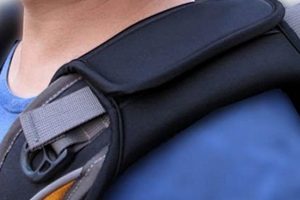
Adjustable shoulder straps are essential for fine-tuning the fit of a pack and ensuring that the weight is evenly distributed. Padded shoulder straps enhance comfort by reducing pressure points. Load lifter straps, positioned at the top of the shoulder straps, help to pull the pack closer to the body, improving stability and reducing strain on the shoulders. The curvature and width of the shoulder straps should also be considered, as they can impact comfort and range of motion. Wide and heavily padded straps provide comfort for larger individuals, while narrower straps might be more appropriate for smaller frames. A well-designed shoulder strap system can significantly reduce fatigue during extended hunts.
- Hip Belt Design and Adjustability
The hip belt is a critical component of a hunting backpack, responsible for transferring a significant portion of the weight from the shoulders to the hips. A properly fitted hip belt should sit comfortably on the iliac crest, distributing the weight evenly across the hips. Adjustable hip belts allow the user to customize the fit for their waist size, ensuring a secure and comfortable carry. Padded hip belts enhance comfort and prevent chafing. Some hip belts also incorporate pockets for storing frequently used items, such as a GPS device or a knife, providing convenient access without removing the pack. An inadequate hip belt negates much of the benefit of a well-designed pack, so is essential for carrying heavier load.
- Ventilation and Breathability
Prolonged physical activity can lead to excessive sweating, which can cause discomfort and increase the risk of hypothermia in cold weather. Ventilation systems, such as mesh panels and air channels, promote airflow and reduce moisture buildup between the pack and the wearer’s back. Breathable fabrics, such as those incorporating moisture-wicking technology, further enhance comfort by drawing sweat away from the skin. The integration of ventilation features in a high-visibility hunting backpack enhances overall comfort and reduces the risk of temperature-related issues during extended hunts.
These factors, when carefully considered, contribute to an improved hunting experience. In the demanding context of the hunting environment, where physical exertion and environmental challenges are commonplace, the synergy between comfort and adjustability becomes a crucial determinant of both performance and safety when carrying a blaze orange hunting backpack.
7. Gear integration

The concept of gear integration, in the context of a high-visibility hunting backpack, refers to the pack’s ability to seamlessly accommodate and interact with other essential hunting equipment. This integration directly impacts the hunter’s efficiency, safety, and overall operational effectiveness in the field.
- Weapon Carrying Systems
The integration of weapon carrying systems, such as scabbards or attachment points for rifles or bows, allows hunters to transport their firearms or archery equipment hands-free. This is particularly crucial when traversing difficult terrain or navigating dense vegetation. Secure and accessible weapon carrying systems enhance safety by preventing accidental discharges and minimizing the risk of damage to the firearm. Examples include scabbards that securely hold a rifle, allowing the hunter to keep both hands free for navigation or using trekking poles. Failure to properly integrate a weapon carrying system can lead to instability and potential hazards.
- Hydration Systems
Compatibility with hydration systems, such as hydration reservoirs and drinking tubes, enables hunters to maintain adequate hydration levels without interrupting their activity. Hydration reservoirs are typically housed in dedicated compartments within the pack, while drinking tubes are routed through designated ports for easy access. Proper integration ensures that the hydration system does not interfere with other gear or create discomfort. The ability to hydrate hands-free is essential for maintaining focus and endurance during long hunts. The integration must be secure, preventing leaks and ensuring a consistent water supply.
- Communication Device Integration
Dedicated pockets or attachment points for communication devices, such as radios or satellite communicators, facilitate easy access and secure storage. These devices are crucial for maintaining contact with other members of a hunting party or for summoning help in emergency situations. Proper integration ensures that the communication device is protected from the elements and readily accessible when needed. For example, a dedicated radio pocket with an antenna port enables clear communication without exposing the device to rain or snow. Secure mounting is necessary to prevent loss or damage during rigorous activity.
- Accessory Attachment Points (MOLLE/PALS)
The presence of Modular Lightweight Load-carrying Equipment (MOLLE) or Pouch Attachment Ladder System (PALS) webbing allows hunters to customize their pack configuration by attaching additional pouches, holsters, or other accessories. This modularity enables hunters to tailor their pack to specific hunting scenarios or personal preferences. Secure and reliable attachment points are essential for preventing the loss of gear. The use of MOLLE/PALS webbing provides versatility and adaptability, allowing hunters to carry a wide range of equipment in a secure and organized manner. Examples include a first-aid pouch, knife, or ammunition carrier.
These features, collectively, emphasize the practicality and versatility of a well-integrated high-visibility hunting backpack. The ability to seamlessly incorporate essential hunting equipment enhances the hunter’s efficiency, safety, and overall operational effectiveness in the field, contributing to a more successful and secure hunting experience. By prioritizing gear integration, hunters can optimize their load-carrying capacity and ensure that essential items are readily available when needed.
Frequently Asked Questions
The following section addresses common inquiries regarding the selection, use, and maintenance of high-visibility packs, offering informative responses grounded in safety and practical considerations.
Question 1: What is the mandated minimum surface area of high-visibility orange required on a hunting backpack?
Regulations vary by jurisdiction. Hunters must consult the specific requirements of the state or region in which they intend to hunt. Failure to comply with minimum surface area requirements can result in fines or other penalties.
Question 2: Can any shade of orange be used for hunting backpacks?
No. “Blaze orange,” also known as “hunter orange,” adheres to specific chromaticity and luminance standards. The color must meet these standards to ensure visibility under diverse lighting conditions. Packs labeled simply as “orange” may not meet these requirements.
Question 3: What materials offer the best combination of durability and weather resistance for hunting backpacks?
High-denier Cordura nylon and reinforced polyester represent viable options. These materials offer excellent abrasion resistance and can be treated with water-repellent coatings for enhanced weather protection. The selection of a specific material should align with the anticipated environmental conditions.
Question 4: How should a hunting backpack be loaded to optimize weight distribution?
Heavier items should be positioned closer to the user’s center of gravity, near the spine within the main compartment. Lighter items can be distributed in outer pockets to maintain balance. Proper weight distribution minimizes strain and enhances stability.
Question 5: How can the fit of a hunting backpack be adjusted to ensure maximum comfort?
Adjust the torso length, shoulder straps, and hip belt to achieve a snug but comfortable fit. The hip belt should sit on the iliac crest, transferring a significant portion of the weight from the shoulders to the hips. Proper adjustment minimizes chafing and pressure points.
Question 6: What features indicate a well-integrated weapon carrying system on a hunting backpack?
A secure scabbard or attachment points for rifles or bows, designed to minimize movement and prevent accidental discharge, are essential. The system should allow for hands-free transport of the weapon while maintaining accessibility. Stability and ease of access are paramount.
The judicious selection, fitting, and utilization of a high-visibility pack contributes significantly to a safer and more efficient hunting experience. Careful consideration of these factors enhances both personal well-being and adherence to responsible hunting practices.
The next section will address the maintenance and long-term care of these essential pieces of hunting equipment.
The Enduring Significance of the Blaze Orange Hunting Backpack
This exploration has underscored the multifaceted importance of the blaze orange hunting backpack. From its foundational role in enhancing hunter visibility and minimizing the risk of accidents to its critical function in providing secure and organized transport for essential gear, the value of this equipment is undeniable. The considerations of material durability, weather resistance, load distribution, and gear integration are not merely features, but integral components that contribute directly to a safer, more efficient, and ultimately more successful hunting endeavor.
As hunting practices evolve and outdoor environments face increasing pressures, the blaze orange hunting backpack remains a constant symbol of responsible hunting. Its continued use and improvement reflect a dedication to safety, ethical conduct, and the preservation of a time-honored tradition. Hunters are urged to rigorously evaluate their equipment and prioritize safety in all activities, ensuring that the legacy of responsible hunting endures for generations to come.