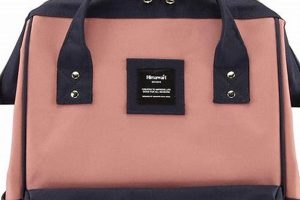
A type of luggage designed for portability and space-saving, it offers the carrying capacity of a traditional backpack with the added convenience of collapsing into a compact, easily storable form. This construction typically utilizes lightweight, durable materials that allow the item to be folded or compressed when not in use. A typical example would be a bag used during travel that can be packed away into a suitcase or larger bag when not needed for day trips or excursions.
The key advantage of this design lies in its versatility. It minimizes storage footprint during travel, allowing individuals to carry an extra bag without sacrificing significant luggage space. Furthermore, it proves valuable for unplanned purchases or activities encountered during a trip. The genesis of this product likely arose from the need for adaptable luggage solutions that cater to the dynamic needs of modern travelers. Its inherent adaptability and space-saving properties contribute significantly to a streamlined travel experience.
The following sections will delve deeper into specific features, material considerations, design variations, and optimal use cases for such adaptable carrying solutions. These factors contribute to a comprehensive understanding of the benefits and practical applications of this increasingly popular travel accessory.
Tips for Optimal Use
The following guidelines are provided to maximize the utility and longevity of a foldable travel backpack. Adhering to these suggestions will ensure the product serves its intended purpose efficiently and effectively.
Tip 1: Material Considerations: Prior to purchase, examine the material composition. Opt for water-resistant or water-repellent fabrics, such as ripstop nylon or polyester, to protect contents from light rain and moisture. Consider the denier rating for durability; higher denier indicates a more robust fabric.
Tip 2: Weight Distribution: When packing, distribute weight evenly to prevent strain on the seams and zippers. Place heavier items closer to the back panel and lighter items towards the front. This minimizes stress and improves carrying comfort.
Tip 3: Zipper Maintenance: Inspect zippers regularly for smooth operation. Apply zipper lubricant or wax as needed to prevent sticking or breakage. Avoid overfilling the bag, as this puts undue pressure on the zippers.
Tip 4: Folding Technique: Follow the manufacturer’s recommended folding instructions precisely. Incorrect folding can cause unnecessary wear and tear on the fabric and potentially damage internal components. Preserve the original packaging to retain folding guidance.
Tip 5: Storage Practices: When not in use, store the unit in a dry, cool place away from direct sunlight. Prolonged exposure to extreme temperatures or humidity can degrade the fabric and reduce its lifespan. A storage bag is recommended to protect the folded backpack from dust and abrasion.
Tip 6: Cleaning Protocols: Refer to the manufacturer’s care instructions for cleaning. Typically, spot cleaning with a damp cloth and mild detergent is sufficient. Avoid machine washing or drying unless specifically permitted, as this can damage the fabric and coating.
Tip 7: Seam Inspection: Regularly check seams for any signs of fraying or separation. Address minor repairs promptly with a needle and thread to prevent further damage. Reinforce stress points with extra stitching if necessary.
These practices contribute to the prolonged functionality and reliability of the foldable travel backpack. Implementing these tips will ensure its continued service as a valuable travel companion.
The subsequent sections will elaborate on design choices and specific feature implementations that further enhance the usability of this type of travel gear.
1. Lightweight Material

The functionality of a foldable travel backpack is inextricably linked to the utilization of lightweight materials. The ability to collapse and store the backpack efficiently depends on the reduced weight and pliability of its constituent components. Without lightweight fabrics like ripstop nylon or thin polyester, the pack would be bulky, difficult to fold, and less practical for travelers seeking to minimize baggage volume. The very definition and purpose of the item are therefore reliant upon the inherent properties of the materials used in its construction.
A practical example of this connection is evident when comparing two similar backpacks, one constructed from heavy canvas and another from lightweight nylon. The canvas backpack, despite offering potential durability, would be significantly more cumbersome to fold and store. The nylon backpack, on the other hand, readily compresses into a small package. This directly impacts usability: travelers are far more likely to utilize and appreciate a product that contributes minimally to overall luggage weight and spatial requirements. The adoption of lighter materials is not simply a design choice; it is a fundamental requirement for achieving the core function of a foldable travel backpack.
In summary, the utilization of lightweight materials is not merely advantageous, but essential for the practical application of a foldable travel backpack. This attribute allows for easy storage and portability which is critical for optimized functionality. This direct relationship underscores the importance of material selection in the design and manufacture of such travel gear.
2. Compact Storage

The foldable travel backpack’s utility derives significantly from its capacity for compact storage when not actively in use. This feature is not merely a design addendum but a core functional requirement inextricably linked to its intended purpose. The ability to collapse into a small, easily managed form factor directly addresses a common challenge faced by travelers: the optimization of luggage space. A standard backpack, even when empty, occupies a considerable volume, whereas a foldable counterpart can be reduced to a fraction of its operational size, permitting storage within a larger bag, suitcase, or even a jacket pocket. This allows for efficient packing and flexibility, especially during travel phases where the backpack is not needed.
Consider a scenario in which an individual is traveling internationally with a primary suitcase. Upon arrival at their destination, they intend to engage in day trips and excursions. A standard backpack would necessitate either being carried at all times or occupying a substantial portion of the suitcase, limiting capacity for souvenirs or other items acquired during the trip. A foldable travel backpack, however, remains stowed within the suitcase until required, whereupon it can be deployed to carry essentials for the day, then subsequently folded and returned to its compact state. This adaptability is a defining characteristic that separates it from conventional backpacks, providing practical advantages for travelers prioritizing space efficiency.
In conclusion, compact storage is an integral design element rather than a mere convenience of the foldable travel backpack. Its impact extends beyond simple space-saving; it directly contributes to enhanced travel flexibility and efficiency. Understanding the practical benefits of compact storage illuminates the core functionality and advantages offered by this type of adaptable travel gear, underlining its significance in modern travel practices. The challenges of optimizing storage during travel are effectively addressed, and the design promotes a streamlined travel experience.
3. Durable Construction

Durable construction is a paramount attribute in foldable travel backpacks, as it directly impacts the longevity and reliability of the product, particularly given its inherent design for repeated folding and unfolding. The materials and methods employed in its construction are critical determinants of its ability to withstand the stresses of travel and frequent use.
- Reinforced Seams and Stress Points
Seams are inherently vulnerable areas in any fabric-based product. In a foldable travel backpack, these areas are subjected to additional strain during folding and unfolding, as well as when the pack is loaded. Reinforcement of seams, through methods such as double stitching, binding with durable tape, or the use of stronger thread, is essential to prevent premature failure. Stress points, such as attachment points for straps and handles, similarly require reinforcement to distribute weight effectively and prevent tearing under load.
- High-Denier Fabrics
The denier of a fabric refers to the linear mass density of the fibers used in its construction. Higher denier fabrics are generally more resistant to abrasion, tearing, and puncture. In the context of a foldable travel backpack, selecting high-denier nylon or polyester fabrics is crucial for ensuring the pack can withstand the rigors of travel, including exposure to rough surfaces and sharp objects. Lower denier fabrics, while lighter, may compromise durability, leading to a shorter lifespan for the product.
- Robust Zippers and Closures
Zippers and closures are functional elements often subject to considerable strain during usage. In a foldable travel backpack, where space optimization is often a priority, overstuffing the pack can place undue stress on zippers and buckles, leading to failure. The use of high-quality zippers, such as those made from durable metal or reinforced nylon, is essential. Furthermore, the design of closures, including buckles and clasps, should prioritize strength and reliability to prevent accidental opening during transport.
- Water-Resistant Coatings
While not directly related to structural integrity, water-resistant coatings contribute to the overall durability of a foldable travel backpack by protecting the fabric from moisture damage. Prolonged exposure to moisture can weaken fabric fibers, leading to premature degradation and increased susceptibility to tearing. Applying a durable water repellent (DWR) coating to the fabric helps to prevent water absorption, thereby extending the lifespan of the pack.
In summation, durable construction is a non-negotiable aspect of a foldable travel backpack, underpinning its reliability and longevity. Attention to detail in material selection, seam reinforcement, and the choice of closures directly translates to a product capable of withstanding the demands of frequent travel. A lack of attention to these details can result in a product that fails prematurely, negating the benefits of its foldable design. Therefore, durability must be a primary consideration in both the design and purchasing decisions surrounding foldable travel backpacks.
4. Versatile Use
The inherent design of a foldable travel backpack necessitates a high degree of versatility to justify its form factor and cater to the diverse needs of travelers. The product’s value proposition lies in its ability to adapt to multiple scenarios, transitioning seamlessly from a compact, storable item to a functional carrying solution. This adaptability is not merely a superficial characteristic but a fundamental design imperative that dictates material selection, construction techniques, and feature implementation. Without versatile use, the foldable design would be a superfluous feature, failing to deliver tangible benefits to the end-user.
A practical example is the business traveler who attends a conference requiring formal attire. A foldable backpack can remain stowed within a briefcase or larger luggage until the evening, when it can be deployed to carry gym clothes or casual wear for leisure activities. Another example is the outdoor enthusiast who embarks on a multi-day trek. The foldable backpack can serve as a secondary pack for summit attempts or day excursions from a base camp, allowing for a more streamlined approach to gear management. These instances highlight the practical significance of versatile use, demonstrating how the foldable travel backpack can enhance efficiency and adaptability in various travel contexts. Furthermore, the capability to function as a shopping bag upon arrival at a destination proves valuable, reducing reliance on disposable plastic bags.
In summary, versatile use is inextricably linked to the core function of a foldable travel backpack. It distinguishes it from conventional backpacks by offering a dynamic solution that adapts to fluctuating travel needs. The challenges of modern travel, characterized by diverse activities and limited luggage space, are effectively addressed through the versatile design of this accessory. A comprehensive understanding of this attribute is paramount for both manufacturers and consumers, ensuring the product meets the demands of varied travel scenarios and provides a genuine advantage over traditional carrying solutions.
5. Water Resistance

The inclusion of water resistance in a foldable travel backpack significantly enhances its functionality and protects the contents from environmental elements. The inherent portability of such items implies potential exposure to varying weather conditions, increasing the risk of damage to electronic devices, documents, or clothing. The absence of water resistance introduces a vulnerability that diminishes the bag’s overall utility. For instance, a sudden rain shower could render unprotected items unusable or permanently damaged, negating the advantages of a lightweight and easily storable carrying solution.
Water resistance is typically achieved through the application of durable water repellent (DWR) coatings to the fabric or the use of inherently water-resistant materials such as coated nylon or polyester. The effectiveness of these measures depends on the intensity and duration of exposure. While a DWR coating may suffice for light rain, prolonged exposure or submersion necessitates more robust waterproofing measures. A practical application involves the protection of sensitive electronic equipment during outdoor activities. Without adequate water resistance, a camera or mobile device could suffer irreparable damage, disrupting travel plans and incurring significant expense.
In conclusion, water resistance is not merely a desirable feature but an essential component of a functional foldable travel backpack. It safeguards contents from potential water damage, thereby enhancing the item’s practicality and longevity. Understanding the level of water resistance provided by a particular model is crucial for making informed purchasing decisions and ensuring the backpack effectively meets the demands of diverse travel scenarios. Neglecting this aspect introduces unnecessary risk and diminishes the overall value proposition of the product.
6. Ergonomic Design

Ergonomic design is a critical, often overlooked, component of a foldable travel backpack. While the primary appeal of such items lies in their portability and space-saving capabilities, neglecting ergonomic considerations can significantly detract from their overall usability and user experience. The fundamental purpose of a backpack is to distribute weight comfortably and efficiently across the wearer’s back and shoulders. A poorly designed backpack, even if lightweight and foldable, can lead to muscle strain, discomfort, and potential long-term musculoskeletal issues. The connection is causal: inadequate ergonomic design directly leads to negative physical consequences for the user. A practical example is a minimalist foldable backpack with thin, unpadded shoulder straps. While highly compact, carrying even a moderate load in such a bag can cause significant shoulder pain and discomfort, rendering it impractical for extended use. The understanding that form follows function is also crucial here.
Furthermore, ergonomic design extends beyond basic features such as padded shoulder straps and a back panel. It encompasses aspects such as adjustable torso length, sternum straps, and hip belts. These elements contribute to a more customized fit, allowing for optimal weight distribution and reduced strain on specific muscle groups. For instance, a sternum strap prevents shoulder straps from slipping outward, maintaining a more stable and balanced load. A hip belt transfers a portion of the weight from the shoulders to the hips, reducing strain on the upper back. These features are particularly important for foldable travel backpacks intended for use during activities involving prolonged walking or standing. The implementation of such features in a compact and foldable design presents engineering challenges, necessitating the use of lightweight yet durable materials and innovative construction techniques. Failure to address these challenges results in a product that prioritizes portability over user comfort and well-being.
In summary, ergonomic design is not merely an optional add-on but a fundamental requirement for a functional and user-friendly foldable travel backpack. The benefits of a lightweight and storable design are diminished if the product is uncomfortable or even harmful to use. Prioritizing ergonomic considerations through features such as padded straps, adjustable torso length, and effective weight distribution mechanisms ensures that the foldable travel backpack serves its intended purpose effectively and promotes user well-being. The practical significance of this understanding is underscored by the potential for long-term health consequences associated with poorly designed backpacks. Manufacturers and consumers alike must recognize the crucial role of ergonomics in the overall value proposition of this type of travel gear.
7. Secure Closures
The integrity of a foldable travel backpack is intrinsically linked to the effectiveness of its closure mechanisms. These closures are not merely incidental components but rather critical elements responsible for maintaining the security of the contents and the structural integrity of the pack itself during transit and use. Compromised closures render the bag susceptible to theft, spillage, and overall functional failure. The following details outline specific facets of secure closures relevant to this type of travel accessory.
- Zipper Quality and Locking Mechanisms
The zippers employed in foldable travel backpacks frequently serve as the primary means of securing the main compartment and smaller pockets. The quality of the zipper teeth, slider mechanism, and surrounding fabric significantly impacts its resistance to forced entry and accidental opening. High-quality zippers, constructed from durable metal or reinforced nylon, offer greater resistance to breakage and tampering. Locking mechanisms, such as small combination locks or interlocking zipper pulls, provide an additional layer of security, deterring opportunistic theft. Compromised zippers can readily negate the bag’s utility and security.
- Buckle and Clasp Durability
Buckles and clasps are commonly used on foldable travel backpacks for securing compression straps, flap closures, or external pockets. These components must be constructed from durable materials, such as high-impact plastic or metal, to withstand the stresses of repeated use and potential impacts. Weak or brittle buckles are prone to breakage, rendering the associated straps ineffective and potentially compromising the bag’s ability to maintain a compact profile when folded. Similarly, poorly designed clasps can inadvertently release, leading to the loss of items stored in external pockets.
- Drawstring and Cord Lock Systems
Some foldable travel backpacks utilize drawstring closures with cord locks for securing the main compartment or specialized pockets. The effectiveness of this system depends on the strength of the drawstring cord, the reliability of the cord lock mechanism, and the design of the surrounding fabric. Flimsy drawstrings can easily fray or snap, while poorly designed cord locks may fail to maintain a secure grip, allowing the contents of the bag to spill out. A secure drawstring and cord lock system necessitates durable materials and a well-engineered locking mechanism.
- Hidden Compartments and Security Features
Certain foldable travel backpacks incorporate hidden compartments or specialized security features designed to deter theft and protect valuables. These may include concealed pockets located in the back panel or shoulder straps, RFID-blocking materials to prevent electronic theft, or integrated cable locks for securing the bag to stationary objects. The effectiveness of these features depends on their design, accessibility, and integration into the overall construction of the bag. While not always essential, hidden compartments and security features provide an added layer of protection for travelers concerned about theft.
These elements directly affect the functional lifespan and secure usage of a foldable travel backpack. Proper implementation of reliable locking systems increases the user’s sense of protection against theft. By ensuring durable design, manufacturers can enhance the value and suitability for a range of travel scenarios, and consumers can be confident that their valuables remain secure.
Frequently Asked Questions
The following questions and answers address common inquiries and concerns regarding this adaptable travel accessory.
Question 1: What defines a foldable travel backpack?
It is characterized by its ability to collapse into a compact, easily storable form when not in use, while still providing the functionality of a traditional backpack when expanded. This design typically employs lightweight materials and a specific folding mechanism to achieve this dual functionality.
Question 2: What is the typical lifespan?
The lifespan varies depending on material quality, construction, and usage patterns. High-quality models, constructed from durable fabrics and featuring reinforced seams, can withstand frequent use for several years. However, more budget-friendly options may exhibit wear and tear more rapidly, particularly if subjected to heavy loads or rough handling.
Question 3: How much weight can it hold?
Weight capacity is dependent upon the specific design and materials. Most are engineered to handle moderate loads, typically ranging from 15 to 25 pounds. Exceeding the recommended weight limit can compromise the structural integrity of the bag and increase the risk of seam failure or zipper breakage.
Question 4: How should a foldable travel backpack be cleaned?
Cleaning protocols vary depending on the fabric and any specialized coatings. Spot cleaning with a damp cloth and mild detergent is generally recommended for minor stains. Avoid machine washing unless specifically instructed by the manufacturer, as this can damage the fabric or alter its shape.
Question 5: Is it suitable as a primary travel bag?
Suitability as a primary travel bag depends on the individual’s packing needs and travel style. While it offers convenience and portability, its capacity may be limited compared to larger suitcases or traditional backpacks. It is often best suited as a secondary bag for day trips, excursions, or shopping during travel.
Question 6: What features should one consider when purchasing?
Key features to consider include material durability, water resistance, zipper quality, seam reinforcement, and ergonomic design. Additional factors may include the presence of external pockets, adjustable straps, and specialized compartments for specific items such as laptops or water bottles.
In summation, this adaptive travel gear provides practical benefits when implemented correctly. A careful choice combined with good usage habits is essential for optimized functionality.
The final segment of this discourse will present comparative insights among available options.
Foldable Travel Backpack
This exploration of the foldable travel backpack has illuminated its core attributes, ranging from material composition and storage capabilities to durability, versatility, and ergonomic considerations. These backpacks are defined by the fusion of portability and functionality, offering a solution to optimize space and adapt to varying travel scenarios. The preceding analysis reveals a delicate balance between lightweight construction and robust design, impacting the long-term utility of the product.
The decision to integrate a foldable travel backpack into one’s travel ensemble is a calculated choice, contingent upon individual requirements and priorities. Informed evaluation of features and quality is paramount for realizing the potential benefits of this adaptable travel companion. As the demands of modern travel continue to evolve, such innovative solutions will likely assume an increasingly prominent role, reflecting a broader emphasis on efficiency and adaptability. The pursuit of informed selection will guarantee satisfaction within diverse travel applications.

![Top-Rated Best Travel Work Backpack [For Pros] | Ultimate Backpack Traveler Guide: Tips, Destinations & Budget Hacks](https://backpack-traveler.com/wp-content/uploads/2026/01/th-486-300x200.jpg "Top-Rated Best Travel Work Backpack [For Pros] Ultimate Backpack Traveler Guide: Tips, Destinations & Budget Hacks")