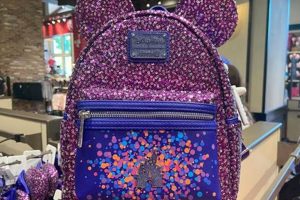
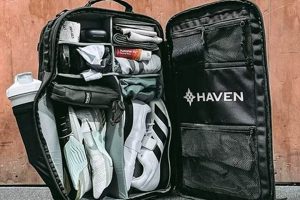
A suitable carrying solution designed for amusement park environments prioritizes comfort, capacity, and security. These bags must accommodate essentials such as water bottles, sunscreen, snacks, and personal items while minimizing strain on the wearer during extended periods of walking and standing. An example would be a lightweight, ergonomic pack with multiple compartments and anti-theft features.
The selection of an appropriate carrying solution significantly enhances the visitor experience. It allows individuals to remain hydrated, protected from the elements, and prepared for various activities within the park, thereby maximizing enjoyment and minimizing potential discomfort. Historically, visitors often carried items in less convenient methods, leading to fatigue and potential loss of possessions.
The following sections will explore key considerations when selecting appropriate carrying solutions for extended amusement park visits. Factors such as size, material, organization, and additional features will be discussed to aid in the selection process.
Essential Selection Guidance
The following guidelines are designed to inform the selection of an ideal carrying solution for amusement park visits, focusing on practicality and user comfort.
Tip 1: Prioritize Ergonomic Design: A well-designed carrying solution distributes weight evenly across the shoulders and back, reducing strain and fatigue. Consider features like padded shoulder straps and a sternum strap for added support.
Tip 2: Opt for Lightweight Materials: The carrying solution’s unladen weight contributes to overall burden. Choosing lightweight, durable materials such as ripstop nylon or polyester minimizes this factor.
Tip 3: Assess Capacity Needs: Determine the necessary volume based on typical items carried. A medium-sized option, around 20-30 liters, often provides sufficient space without being overly bulky.
Tip 4: Seek Organizational Features: Multiple compartments and pockets facilitate efficient organization and access to belongings. Dedicated water bottle holders and small accessory pockets are particularly useful.
Tip 5: Consider Weather Resistance: The carrying solution should offer some degree of protection against light rain or splashes. Water-resistant materials or a separate rain cover are beneficial.
Tip 6: Evaluate Security Features: Features like hidden pockets, lockable zippers, or slash-resistant materials can deter theft and enhance security in crowded environments.
Tip 7: Choose Durable Construction: Seams, zippers, and straps should be robust and capable of withstanding repeated use and moderate stress. Reinforced stress points enhance longevity.
Adhering to these considerations leads to a more comfortable and efficient experience, allowing individuals to focus on enjoying the amusement park environment.
The subsequent sections will delve into specific product recommendations and feature comparisons based on the aforementioned criteria.
1. Comfort

Comfort is a critical component in the selection of a carrying solution intended for theme park environments. Prolonged periods spent walking, standing, and waiting in queues necessitate a carrying solution that minimizes physical strain and discomfort. A carrying solution lacking appropriate ergonomic features can lead to shoulder pain, backache, and overall fatigue, negatively impacting the individual’s ability to enjoy the park experience. For example, a carrying solution with poorly padded shoulder straps can cause significant discomfort and chafing over several hours of wear, hindering mobility and enjoyment.
The direct consequence of prioritizing comfort manifests in increased stamina and reduced physical burden. A well-designed carrying solution distributes weight evenly, mitigating pressure points and promoting better posture. Features such as adjustable straps, breathable back panels, and contoured designs contribute to enhanced comfort levels. The ability to comfortably carry essential items, such as water, snacks, and sunscreen, ensures individuals remain prepared and can address basic needs without experiencing undue physical strain. Consider a visitor carrying a poorly fitted bag for 8+ hours who is likely to experience significantly more physical fatigue and discomfort compared to someone with an ergonomically sound pack.
In conclusion, comfort is not merely a desirable attribute but a fundamental requirement for a carrying solution designed for theme park use. Ignoring this aspect can result in physical discomfort, reduced stamina, and a diminished park experience. Prioritizing ergonomic design, appropriate padding, and adjustable features ensures that the carrying solution facilitates, rather than hinders, the individual’s enjoyment of the park. Understanding and implementing these principles ensures that the park visitor remains comfortable and able to fully engage in the offered activities throughout the day.
2. Capacity

Capacity, in the context of carrying solutions for amusement parks, refers to the internal volume available for storing essential items. Insufficient capacity necessitates carrying items separately, increasing the risk of loss or damage. Conversely, excessive capacity results in unnecessary bulk and weight, leading to user fatigue. The ideal capacity is therefore a balance between accommodating necessary items and maintaining a manageable size and weight. A carrying solutions capacity directly impacts the users ability to carry essential items like water, snacks, sunscreen, and personal belongings. For example, a carrying solution with a capacity of only 10 liters might be insufficient for a family spending an entire day at a park, leading to inadequate hydration and sun protection.
The appropriate capacity is contingent on the anticipated duration of the visit, the number of individuals the user is responsible for, and the specific requirements of the park itself. A single adult might require less capacity than a family with young children. Theme parks often impose restrictions on the size of permitted carrying solutions, further influencing the selection process. Practically, understanding the implications of capacity involves estimating the volume of necessary items, considering any park-specific limitations, and selecting a carrying solution that aligns with both factors. For example, a 20-liter pack might suffice for a solo traveler, whereas a family of four could require a 30-liter option with additional external attachment points.
Selecting an appropriate capacity is essential for optimizing the amusement park experience. While individual needs vary, striking a balance between practical storage and user comfort is vital. This requires careful consideration of factors such as trip length, personal requirements, and park restrictions. By effectively assessing these factors, individuals can choose a carrying solution with the right capacity, enhancing their overall park visit.
3. Durability

Durability constitutes a critical attribute for carrying solutions intended for amusement park environments. The capacity of a carrying solution to withstand the rigors of prolonged use, exposure to varying environmental conditions, and potential physical stresses directly influences its long-term value and suitability.
- Material Integrity
The selection of robust materials, such as high-denier nylon or polyester, directly impacts a carrying solution’s resistance to abrasion, tears, and punctures. Higher denier fabrics exhibit greater tensile strength and resilience. An example includes a carrying solution constructed from 600D ripstop nylon, which demonstrates enhanced resistance to tearing compared to lower-denier alternatives. Material integrity also affects resistance to environmental factors, such as UV radiation, which can degrade certain fabrics over time.
- Seam Reinforcement
Seams represent points of potential failure in any carrying solution. Reinforced stitching techniques, such as double or triple stitching, enhance the structural integrity of these critical junctures. Bar-tack reinforcements at stress points, such as strap attachment areas, further mitigate the risk of seam separation under heavy loads or during strenuous activities. A carrying solution with inadequately reinforced seams is more susceptible to failure, particularly when subjected to repeated stress from packing and unpacking.
- Hardware Quality
Zippers, buckles, and other hardware components significantly contribute to the overall durability of a carrying solution. High-quality zippers, constructed from durable materials like metal or heavy-duty nylon, resist breakage and maintain smooth operation over extended use. Buckles fabricated from robust plastics or metals provide secure closures and withstand repeated fastening and unfastening. Substandard hardware is prone to failure, rendering the carrying solution unusable and potentially compromising the security of its contents.
- Weather Resistance
Amusement park visits often involve exposure to unpredictable weather conditions, including rain, humidity, and intense sunlight. A durable carrying solution incorporates water-resistant or waterproof materials and construction techniques to protect contents from moisture damage. Features such as coated fabrics, waterproof zippers, and integrated rain covers enhance the carrying solution’s ability to withstand inclement weather. Failure to provide adequate weather resistance can result in damage to sensitive items, such as electronics or documents.
The confluence of these factorsmaterial integrity, seam reinforcement, hardware quality, and weather resistancedetermines the overall durability of a carrying solution. Prioritizing these characteristics ensures that the selected carrying solution can withstand the demands of frequent amusement park visits, providing long-lasting performance and protecting its contents from damage or loss.
4. Organization
Effective internal arrangement within a carrying solution significantly enhances the amusement park experience. A well-organized carrying solution promotes efficient access to necessities, minimizes time spent searching for items, and reduces the risk of misplacing belongings. Conversely, a disorganized interior can lead to frustration, delays, and potential loss of items.
- Dedicated Compartments
Separate compartments for specific item categories, such as electronics, toiletries, or snacks, prevent cross-contamination and facilitate rapid retrieval. A dedicated padded compartment for tablets or cameras protects fragile electronics from damage. For example, a separate waterproof compartment isolates wet items, such as swimwear or rain gear, from dry clothing, preventing moisture damage. The existence of such compartments creates greater user experience.
- Internal Pockets and Dividers
Internal pockets and dividers further refine internal arrangement, enabling the secure storage of smaller items such as keys, wallets, or identification documents. Mesh pockets provide visibility and breathability, suitable for items such as sunglasses or sunscreen. Dividers create discrete sections within the main compartment, preventing items from shifting and becoming disorganized during movement. A carrying solution without internal pockets or dividers encourages items to become jumbled, requiring extensive searching to locate specific objects.
- External Attachment Points
External attachment points, such as loops or straps, allow for the convenient carrying of items that may not fit within the main compartment, such as water bottles, umbrellas, or jackets. External compression straps secure bulky items, reducing the overall volume and preventing shifting. These attachment points allow for quick and easy access to frequently used items, without requiring the user to open the main compartment. Consider water bottles that can be attached to backpack with those loops.
- Color-Coded Systems
Color-coding compartments or pouches within the carrying solution can facilitate rapid identification and retrieval of items, particularly in low-light conditions or during urgent situations. Assigning specific colors to different categories of items (e.g., blue for first aid, green for snacks) enables users to quickly locate necessary supplies without having to visually inspect each compartment. A lack of color-coding necessitates a more thorough search, potentially delaying access to critical items.
These organizational features, when integrated thoughtfully into a carrying solution, contribute significantly to a streamlined and efficient amusement park visit. The ability to quickly access necessary items, without experiencing frustration or delay, allows individuals to focus on enjoying the park’s attractions and activities. Consequently, organization constitutes a crucial factor in the selection of an optimal carrying solution for amusement park use. Without organization, you can be prone to lose items and make your theme park day less efficient.
5. Security

Security, as an element of suitable carrying solutions for amusement parks, addresses the safeguarding of personal belongings against theft, loss, and unauthorized access. The congested environment of amusement parks presents opportunities for criminal activity, necessitating preventive measures integrated into the carrying solution design. Failure to prioritize security can result in financial loss, inconvenience, and compromised personal information. An example includes pickpocketing incidents common in crowded areas near popular attractions, where unsuspecting visitors become targets. Similarly, unlocked or easily accessible compartments may invite opportunistic theft.
Effective security features in a carrying solution include concealed compartments designed to deter casual theft by hindering easy access to valuables. Lockable zippers, utilizing either integrated combination locks or provisions for attaching external padlocks, prevent unauthorized opening of compartments containing sensitive items. Slash-resistant materials embedded within the carrying solution’s construction impede attempts to cut or tear the fabric to gain access to the contents. Radio-frequency identification (RFID) blocking pockets safeguard electronic identification cards and credit cards from electronic skimming, preventing unauthorized data capture. The presence of these security measures directly correlates with a reduced risk of theft and enhanced peace of mind for the user. For instance, a tourist carrying travel documents within an RFID-blocking pocket mitigates the risk of electronic identity theft compared to one without such protection.
In conclusion, prioritizing security in the selection of a carrying solution for amusement parks is of critical importance. Implementing security features mitigates the risk of theft and safeguards personal belongings in high-traffic environments. Recognizing the practical significance of security and proactively selecting carrying solutions with appropriate protective measures is essential for a secure and enjoyable amusement park experience. The integration of features such as concealed compartments, lockable zippers, slash-resistant materials, and RFID blocking technologies represent tangible steps toward mitigating potential security threats and ensuring the safety of valuable possessions.
6. Water Resistance

Water resistance is a significant characteristic in carrying solutions designed for amusement park environments. The unpredictable nature of weather, coupled with the presence of water-based attractions, necessitates protection for the contents of the bag. Inadequate water resistance can lead to damage to electronic devices, soggy snacks, and compromised personal items, detracting from the overall visitor experience.
- Material Composition and Treatment
The inherent water resistance of the fabric is paramount. Materials such as nylon and polyester offer a base level of resistance, but treatments such as polyurethane (PU) or durable water repellent (DWR) coatings enhance this property. DWR coatings cause water to bead and roll off the surface rather than soaking into the fabric. For example, a carrying solution utilizing 600D polyester with a PU coating provides superior protection against light rain compared to untreated cotton canvas.
- Seam Construction and Sealing
Seams represent vulnerable points for water ingress. Taped or sealed seams prevent water from penetrating through needle holes and fabric joins. Heat-sealing is a common method for permanently bonding seam edges, creating a waterproof barrier. A carrying solution with untaped seams offers minimal protection against even light precipitation, allowing water to seep inside and damage the contents.
- Zipper Design and Weather Flaps
Zippers can also be a source of water entry. Water-resistant zippers, often featuring a polyurethane film, minimize water penetration. Weather flaps or storm flaps that cover the zipper provide an additional layer of protection. Standard zippers offer little to no water resistance, allowing moisture to seep through the teeth and into the bag’s interior. It’s important to look into the zippers and flaps for best protection.
- Integrated Rain Covers
An integrated rain cover provides comprehensive protection during heavy downpours. These covers, typically made from waterproof nylon, are stored in a dedicated pocket and can be quickly deployed to shield the entire carrying solution. While effective, rain covers add extra weight and bulk. A carrying solution lacking a rain cover relies solely on the water resistance of its materials, which may be insufficient in prolonged or heavy rain.
The implementation of these water resistance features within a carrying solution directly impacts the protection of valuable items within the environment of an amusement park. Consideration of these factors is crucial when determining the selection of an optimal carrying solution, enhancing the visitor’s experience. Each element plays an important role, but you should pick a bag that implements all features listed above.
7. Ergonomics

Ergonomics, the science of designing equipment and environments to fit the human body, is intrinsically linked to the selection of a suitable carrying solution for theme park environments. The prolonged periods of walking, standing, and engaging in activities inherent to these venues place considerable physical demands on individuals. A carrying solution lacking ergonomic design principles can induce musculoskeletal strain, leading to discomfort, fatigue, and potential long-term health issues. A poorly designed bag may cause uneven weight distribution, resulting in shoulder pain, backaches, and neck strain. Conversely, a well-designed pack with ergonomic consideration enhances comfort and minimizes physical stress, directly influencing the user’s overall experience within the theme park. The correlation is evident: ergonomic design functions as a preventative measure against physical ailments associated with extended physical activity and load-bearing.
Specific features embodying ergonomic design include padded and adjustable shoulder straps, a supportive hip belt, and a breathable back panel. Padded shoulder straps distribute weight evenly across the shoulders, preventing localized pressure points. A hip belt transfers a portion of the load to the hips, reducing strain on the back and shoulders. Breathable back panels promote airflow, minimizing perspiration and discomfort. Adjustable straps accommodate varying torso lengths and body shapes, ensuring a customized and comfortable fit. The absence of these features negates ergonomic benefits, potentially transforming the carrying solution into a source of discomfort rather than a convenience. Real world practicality manifests in the ability to walk for miles without experiencing pain.
In conclusion, the integration of ergonomic design principles is not merely an aesthetic consideration but a functional imperative in selecting a suitable carrying solution for theme park use. Prioritizing ergonomic features minimizes physical strain, maximizes comfort, and contributes significantly to an enhanced and enjoyable park experience. Challenges remain in balancing ergonomic design with other factors such as capacity and security; however, a thorough understanding of ergonomic principles enables informed decision-making, leading to the selection of a carrying solution that promotes both physical well-being and practical utility.
Frequently Asked Questions
The following addresses common inquiries regarding the selection and utilization of carrying solutions within amusement park environments.
Question 1: What is the optimal size for a carrying solution intended for theme park use?
The ideal capacity varies based on individual needs and the duration of the visit. However, a carrying solution with a capacity between 20 and 30 liters generally accommodates essential items such as water bottles, snacks, sunscreen, and personal belongings without being excessively bulky.
Question 2: Are dedicated hydration reservoirs necessary in theme park carrying solutions?
While hydration reservoirs offer convenience, they are not essential. Carrying multiple water bottles or utilizing readily available water fountains within the park provides alternative hydration options. The need for a reservoir depends on individual preferences and the frequency of hydration required.
Question 3: How important is weather resistance for a theme park carrying solution?
Weather resistance is a significant consideration. Given the potential for unpredictable weather conditions, a carrying solution with water-resistant materials and construction or an integrated rain cover safeguards contents from moisture damage. This is particularly crucial for protecting electronic devices and sensitive documents.
Question 4: What security features are recommended for carrying solutions in crowded theme parks?
Security features such as lockable zippers, hidden compartments, and slash-resistant materials are highly recommended. These features deter theft and protect valuables in crowded environments where pickpocketing is a concern.
Question 5: Can any standard carrying solution be used for theme park visits, or are specialized designs required?
While standard carrying solutions can be used, specialized designs tailored for amusement parks often offer enhanced comfort, organization, and security features. These features contribute to a more enjoyable and efficient park experience.
Question 6: Are there specific carrying solution features that comply with amusement park regulations?
Amusement parks may impose restrictions on the size and type of permitted carrying solutions. Prior to visiting, it is advisable to review the park’s specific regulations to ensure compliance and avoid delays or restrictions at the entrance.
Understanding these aspects ensures better decision-making and a safer, more convenient theme park visit.
The following section will provide recommendations.
Conclusion
The preceding analysis has explored essential criteria for the selection of a carrying solution optimized for the amusement park environment. Key considerations, including comfort, capacity, durability, organization, security, water resistance, and ergonomics, directly impact user experience and the safeguarding of personal belongings.
Selection of an appropriate carrying solution should prioritize these aforementioned features to ensure both enjoyment and practicality during the park visit. Individuals are encouraged to carefully assess their specific needs and preferences in order to identify the most suitable option, thus maximizing the potential for a secure, comfortable, and fulfilling amusement park experience.