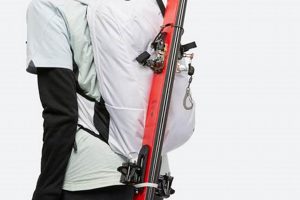
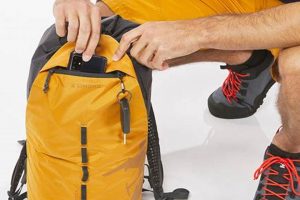
Backpacks designed specifically for cycling prioritize features that enhance comfort, stability, and safety while riding. These packs often incorporate elements such as aerodynamic profiles, sternum straps, waist belts, and hydration compatibility. Examples include models optimized for commuting, mountain biking, or longer touring expeditions.
The utilization of specialized backpacks for cycling can significantly improve the rider’s experience by distributing weight effectively, reducing strain on the back and shoulders. This, in turn, can lead to enhanced control and maneuverability, particularly on uneven terrain. The integration of reflective elements and light attachment points can contribute to increased visibility and rider safety in low-light conditions. The development of such equipment has paralleled the evolution of cycling as both a recreational and practical mode of transportation.
A detailed examination of key considerations for selecting appropriate cycling backpacks, including capacity, fit, materials, and specific activity requirements, follows. Furthermore, a comparison of leading models and their features will provide a comprehensive overview of the available options.
Selection Guidance
The following guidelines aid in the assessment of bicycle-specific carrying solutions, emphasizing practical considerations for enhanced performance and safety.
Tip 1: Capacity Assessment. Determine required volume based on anticipated load. Commuting may necessitate smaller capacities (10-15 liters) while longer excursions could demand larger volumes (20+ liters).
Tip 2: Fit and Stability. Ensure the pack’s torso length aligns with the rider’s back. A secure fit, augmented by sternum straps and waist belts, minimizes movement during cycling.
Tip 3: Hydration Compatibility. Consider backpacks featuring integrated hydration reservoirs or compatibility with external water bottle cages. Adequate hydration is crucial, especially during prolonged activity.
Tip 4: Material Durability and Weather Resistance. Opt for materials exhibiting abrasion resistance and water repellency. Reinforced fabrics and waterproof zippers enhance protection against the elements.
Tip 5: Ventilation and Breathability. Prioritize designs incorporating ventilation channels and breathable back panels. These features mitigate heat build-up and promote airflow, enhancing comfort during strenuous activity.
Tip 6: Visibility Enhancement. Select packs incorporating reflective elements or designated light attachment points. Increased visibility is paramount for safe cycling in low-light conditions.
Tip 7: Compartmentalization and Organization. Evaluate internal compartments and pockets for efficient storage and organization of gear. Dedicated spaces for tools, electronics, and personal items promote accessibility.
Applying these principles ensures the selection of a cycling backpack that effectively balances functionality, comfort, and safety considerations. Prioritizing these factors yields significant improvements in the overall cycling experience.
The subsequent section will offer a comparative analysis of prominent models, further refining the decision-making process.
1. Capacity

Capacity is a fundamental attribute of cycling backpacks, directly influencing their suitability for diverse riding scenarios. The volume a backpack can accommodate dictates its utility for daily commutes, extended tours, or specialized activities like mountain biking.
- Daily Commuting Capacity
Commuting necessitates backpacks with a capacity sufficient for essential items, such as laptops, documents, and personal belongings. A typical range of 10-20 liters often proves adequate for this purpose. Overly large packs can introduce unnecessary bulk and weight, hindering maneuverability in urban environments.
- Extended Touring Capacity
Long-distance cycling tours require significantly greater carrying capacity to accommodate clothing, camping gear, food supplies, and repair tools. Backpacks in the 25-40 liter range are common for such expeditions. Careful consideration of weight distribution becomes critical to maintain balance and comfort over extended periods.
- Mountain Biking Capacity
Mountain biking backpacks prioritize a balance between storage and maneuverability. Smaller packs, typically between 6-15 liters, are favored to carry hydration reservoirs, essential tools, and emergency supplies. The compact design minimizes interference with body movement during technical riding.
- Impact on Ergonomics and Comfort
Capacity directly affects the weight and distribution of the load carried. Exceeding the recommended weight limit or improperly distributing the contents can lead to discomfort, fatigue, and potential injury. Backpacks with adjustable straps and well-designed suspension systems mitigate these effects by optimizing weight distribution and stability.
The selection of an appropriate capacity cycling backpack directly impacts the rider’s comfort, performance, and overall experience. Considering the intended use case and prioritizing ergonomic design are essential to maximizing the benefits of cycling backpacks.
2. Fit
The relationship between fit and cycling backpack effectiveness is inextricably linked; a well-fitting backpack contributes significantly to performance, comfort, and safety. A poorly fitting pack can cause discomfort, restrict movement, and negatively impact balance, thereby hindering the rider’s ability and increasing the risk of accidents. The best cycling backpacks are engineered with adjustable features to accommodate a range of body sizes and shapes, ensuring a secure and personalized fit.
The impact of proper fit extends beyond mere comfort. A snug, stable fit prevents the pack from shifting during motion, maintaining a consistent center of gravity. This is particularly crucial during demanding activities such as mountain biking or navigating congested urban environments. Backpacks with adjustable torso lengths, sternum straps, and waist belts offer the adaptability needed to achieve optimal fit, distributing weight evenly across the back and shoulders. Conversely, an ill-fitting backpack can lead to chafing, pressure points, and muscle fatigue, diminishing the enjoyment and efficiency of the cycling experience. For example, a backpack that is too long can interfere with helmet clearance, while one that is too loose can swing from side to side, disrupting balance.
In summary, the appropriate fit is not merely a feature of a cycling backpack; it is a fundamental requirement for its effective function. The ability of a pack to remain secure, stable, and comfortable directly influences the rider’s performance, safety, and overall experience. Choosing a cycling backpack with ample adjustment options and prioritizing a proper fit is therefore essential for cyclists of all levels and disciplines.
3. Ventilation

Effective ventilation is a critical design parameter for cycling backpacks, significantly impacting user comfort and performance. Cycling, by its nature, generates considerable heat, and a backpack’s proximity to the rider’s back can exacerbate perspiration and discomfort. Therefore, the incorporation of ventilation systems within cycling backpacks is paramount.
- Air Channel Design
Air channels, integrated into the back panel of a cycling backpack, promote airflow between the pack and the rider’s back. These channels typically consist of raised pads or strategically placed gaps that allow air to circulate, reducing moisture build-up. Examples include curved foam structures or mesh panels that create a separation between the pack and the rider’s spine, facilitating evaporative cooling. The effectiveness of air channel designs depends on the depth and configuration of the channels, as well as the materials used in their construction.
- Breathable Materials
The choice of materials used in the back panel construction directly impacts ventilation. Breathable fabrics, such as mesh or perforated foam, allow moisture vapor to escape, preventing the build-up of sweat and reducing discomfort. These materials offer varying degrees of airflow and moisture-wicking properties. For instance, open-weave mesh promotes superior air circulation compared to closed-cell foam. The selection of appropriate materials must balance breathability with durability and support.
- Suspension Systems and Load Distribution
Advanced suspension systems not only distribute the weight of the pack evenly but also contribute to ventilation. These systems often utilize a frame or panel to suspend the pack away from the rider’s back, creating a larger air gap and improving airflow. The design of the suspension system must ensure stability and prevent excessive movement while allowing for adequate ventilation. Examples include trampoline-style mesh panels that keep the pack completely off the rider’s back, maximizing airflow.
- Impact on Performance and Comfort
Adequate ventilation mitigates heat build-up and reduces perspiration, enhancing rider comfort during extended cycling activities. Improved comfort translates to increased performance, as riders are less likely to experience fatigue or discomfort due to overheating. Conversely, insufficient ventilation can lead to excessive sweating, chafing, and reduced thermal regulation, negatively impacting performance and overall riding experience. Ventilation features in cycling backpacks are therefore not merely cosmetic additions but essential components that directly influence rider well-being and efficiency.
The integration of effective ventilation systems into cycling backpacks is a crucial element in providing a comfortable and efficient riding experience. Air channel design, breathable materials, and advanced suspension systems work in concert to minimize heat build-up and enhance airflow, leading to improved performance and overall satisfaction for cyclists.
4. Durability

Durability represents a critical attribute of cycling backpacks, directly influencing their longevity, performance under stress, and overall value. A cycling backpack encounters a range of environmental conditions and physical stresses, necessitating robust construction and high-quality materials to withstand the rigors of regular use.
- Material Selection and Construction
The choice of materials significantly dictates a backpack’s ability to resist abrasion, tearing, and water damage. High-denier nylon, ripstop fabrics, and reinforced stitching are common features in durable cycling backpacks. Seam construction, including the use of taped or sealed seams, prevents water ingress and strengthens vulnerable areas. These elements collectively contribute to the backpack’s capacity to endure prolonged exposure to sun, rain, and physical impacts.
- Component Quality and Reliability
Zippers, buckles, and straps are integral components that experience frequent use and potential strain. High-quality components, such as YKK zippers and Duraflex buckles, exhibit increased resistance to breakage and wear. Reinforced strap attachment points prevent tearing under heavy loads. The reliability of these components directly impacts the overall lifespan of the backpack and its ability to securely carry its contents.
- Resistance to Environmental Factors
Cycling backpacks are frequently exposed to adverse weather conditions, including rain, sun, and extreme temperatures. Durable backpacks incorporate water-resistant or waterproof coatings to protect contents from moisture damage. UV-resistant fabrics prevent fading and degradation from prolonged sun exposure. The ability to withstand these environmental factors preserves the backpack’s structural integrity and aesthetic appeal over time.
- Load Capacity and Weight Distribution
A durable cycling backpack maintains its structural integrity under maximum load. Reinforced frames or internal supports distribute weight evenly across the back, preventing stress on seams and materials. The backpack’s design should prevent sagging or deformation, even when fully loaded, ensuring a stable and comfortable carrying experience. This capacity to handle substantial weight without compromising structural integrity is a key indicator of durability.
The attributes outlined above are not merely features, but essential qualities that define the long-term usability and value proposition of a cycling backpack. A durable cycling backpack represents an investment in reliable gear, capable of withstanding the demands of regular use and providing years of dependable service.
5. Organization

Efficient organization within a cycling backpack is paramount for accessibility, safety, and overall rider experience. The capacity to readily locate and retrieve essential items while in motion minimizes distractions and enhances operational efficiency. A well-organized backpack contributes directly to a safer and more enjoyable cycling activity.
- Dedicated Compartments for Tools and Repair Kits
Designated spaces for tools, tire repair kits, and multi-tools prevent damage to other items and facilitate rapid access during roadside repairs. Such compartments often feature elastic loops or zippered pouches to secure tools and prevent rattling. The absence of dedicated tool storage can lead to disorganized contents and delays in addressing mechanical issues, potentially compromising safety and efficiency.
- Hydration Reservoir Sleeves and Hose Management
Cycling backpacks designed for hydration incorporate sleeves to securely house water reservoirs, preventing shifting and potential leaks. Hose management systems, including clips or magnetic attachments, keep the drinking tube readily accessible and minimize entanglement hazards. Inadequate hydration storage can result in uncomfortable shifting of the water reservoir and difficulty in accessing fluids while riding.
- Separate Pockets for Electronics and Valuables
Dedicated, padded pockets provide protection for electronic devices, such as phones, GPS units, and cameras. Secure zippered closures prevent accidental loss of valuables. Integration of these compartments isolates electronics from potential impacts and moisture damage, safeguarding essential communication and navigation equipment.
- External Attachment Points and Cargo Management
External attachment points, such as straps or bungee cords, allow for the secure carriage of bulky items, such as helmets or jackets, without consuming internal storage space. Effective cargo management systems ensure items are securely fastened and do not interfere with the rider’s movement or visibility. The ability to externally secure gear enhances versatility and adaptability to varying cycling conditions.
The organizational features within cycling backpacks are not merely conveniences; they are integral to the functionality and safety of the equipment. Prioritizing backpacks with well-designed organizational systems ensures efficient access to essential items, protects valuable equipment, and contributes to a more streamlined and enjoyable cycling experience.
6. Visibility

Visibility is a crucial safety component in the design and functionality of cycling backpacks. Limited visibility is a contributing factor in numerous cycling accidents, particularly during low-light conditions or periods of reduced ambient light. Backpacks that enhance a cyclist’s visibility mitigate these risks, contributing significantly to rider safety. The integration of reflective materials, high-visibility colors, and attachment points for lights directly increases a cyclist’s conspicuity to motorists and other road users. For example, a dark-colored backpack without reflective elements can render a cyclist nearly invisible at night, while a brightly colored backpack with strategically placed reflectors significantly enhances visibility, alerting drivers to the cyclist’s presence.
The practical application of enhanced visibility features extends beyond simple reflectivity. Active lighting systems, such as integrated LED lights or dedicated light attachment loops, provide an additional layer of safety. These active lights emit a visible signal, even during daylight hours, attracting attention and further increasing a cyclist’s visibility profile. Many urban commuters rely on such backpacks, navigating busy streets where visibility is often compromised by traffic and environmental factors. Furthermore, the strategic placement of reflective elements on the backpack’s surface is critical. Reflectors positioned on the sides and back of the backpack ensure visibility from multiple angles, maximizing the cyclist’s presence to approaching vehicles.
In summary, visibility is not merely an aesthetic feature of cycling backpacks; it is an essential safety consideration. Enhanced visibility features, including reflective materials, high-visibility colors, and active lighting systems, directly reduce the risk of accidents and contribute to a safer cycling environment. The selection of a cycling backpack that prioritizes visibility is a crucial investment in personal safety and should be a primary consideration for all cyclists, irrespective of riding conditions or experience level. Overlooking this aspect can have severe consequences, underscoring the importance of visibility as a defining characteristic of superior cycling backpacks.
Frequently Asked Questions
The following questions address common inquiries concerning cycling-specific backpacks, providing concise and informative answers to assist in informed decision-making.
Question 1: What distinguishes cycling backpacks from conventional backpacks?
Cycling backpacks incorporate design features optimized for cycling, including aerodynamic profiles, secure fit systems (sternum straps, waist belts), hydration compatibility, and reflective elements. Conventional backpacks typically lack these specialized attributes.
Question 2: What capacity range is suitable for commuting via bicycle?
A capacity range of 10-20 liters generally suffices for commuting, accommodating essential items such as laptops, documents, and personal belongings. Exceeding this range can introduce unnecessary bulk and impede maneuverability.
Question 3: How important is ventilation in a cycling backpack?
Ventilation is critical for mitigating heat build-up and perspiration during cycling activities. Backpacks with air channels and breathable materials enhance airflow, promoting comfort and preventing overheating.
Question 4: What materials are recommended for durability and weather resistance?
High-denier nylon, ripstop fabrics, and water-resistant coatings are recommended for durability and weather resistance. Reinforced stitching and taped seams enhance structural integrity and prevent water ingress.
Question 5: How does a proper fit contribute to cycling performance?
A proper fit ensures stability, minimizes movement, and distributes weight evenly, preventing strain and fatigue. Adjustable straps and torso lengths facilitate a secure and personalized fit.
Question 6: Why are reflective elements and light attachments important on cycling backpacks?
Reflective elements and light attachments enhance visibility, increasing a cyclist’s conspicuity to motorists, particularly in low-light conditions. This is a crucial safety feature that reduces the risk of accidents.
The preceding answers highlight essential considerations for selecting appropriate cycling backpacks, emphasizing the importance of specialized features, ergonomic design, and safety enhancements.
The subsequent segment will provide concluding remarks, summarizing key insights and offering final recommendations.
Conclusion
The preceding analysis has underscored the multifaceted nature of selecting optimal cycling backpacks. Considerations such as capacity, fit, ventilation, durability, organization, and visibility have been examined, highlighting their individual and collective impact on performance, comfort, and safety. The integration of these elements distinguishes superior products from generic alternatives.
Ultimately, the choice of a cycling backpack constitutes a critical decision with implications extending beyond mere convenience. A well-chosen pack represents an investment in personal safety, enhanced performance, and the overall enjoyment of cycling activities. Therefore, careful evaluation of individual needs and diligent consideration of the factors discussed herein are paramount for making an informed and effective selection. Prudence in this decision directly contributes to safer and more efficient cycling experiences.