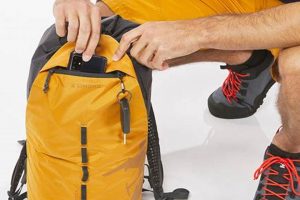
The category encompasses carrying solutions designed for minimal weight while maximizing utility. These bags prioritize reduced mass through the use of advanced materials and streamlined construction. An example includes a rucksack crafted from ripstop nylon, weighing under two pounds but capable of carrying essential gear.
Such designs are critical for activities where weight reduction is paramount. Benefits include decreased strain on the body, increased agility, and improved endurance during activities like hiking, travel, or daily commutes. Historically, the development of lighter carrying solutions has been driven by advancements in textile engineering and a growing demand for ergonomic designs.
This analysis will delve into specific features, materials, and construction techniques that define this class of product, along with a discussion of ideal use cases and factors to consider when selecting a model.
Optimizing for Reduced Load Carriage
The following guidelines aid in selecting and utilizing carrying systems that minimize weight while ensuring functionality and durability.
Tip 1: Material Selection. Opt for fabrics such as ripstop nylon or Dyneema composite fabrics, which provide high strength-to-weight ratios. These materials minimize bulk and maximize resistance to tearing and abrasion.
Tip 2: Frame Design. Consider frame types. Frameless designs are inherently lighter but offer less support for heavy loads. Internal frames provide more structure but add weight. Choose based on intended load and activity level.
Tip 3: Volume Considerations. Select a carrying system with a volume appropriate for the typical load. Overly large bags encourage overpacking, negating potential weight savings. Match capacity to need.
Tip 4: Feature Minimization. Evaluate included features. Remove unnecessary straps, pockets, or compartments to reduce extraneous weight. Prioritize essential functionality over added convenience.
Tip 5: Packing Strategies. Employ efficient packing techniques. Utilize compression sacks to reduce volume and distribute weight evenly. Place heavier items closer to the back and center of gravity.
Tip 6: Weight Distribution. Ensure proper weight distribution. Adjust straps to transfer load to the hips and core, reducing strain on the shoulders and back. A well-fitted and properly adjusted system enhances comfort and efficiency.
Tip 7: Maintenance Protocols. Adhere to proper maintenance procedures. Clean regularly to prevent dirt and debris accumulation, which adds weight. Inspect for wear and tear to ensure continued performance and safety.
By implementing these strategies, one can maximize the benefits of reduced load carriage, enhancing agility, endurance, and overall performance. Thoughtful selection, mindful packing, and consistent maintenance are essential for optimizing the carrying experience.
This understanding now guides the subsequent sections, which will address specific models and comparative analyses within the category.
1. Minimal Base Weight

Minimal base weight represents a foundational element in the assessment of a carrying system’s effectiveness. It directly affects the overall load experienced by the user. A lower base weight allows for carrying more essential items without exceeding comfortable or safe limits. The selection of lightweight materials, such as ripstop nylon or Dyneema composite fabrics, combined with a streamlined design philosophy, are paramount in achieving a lower base weight. For instance, a frameless hiking pack using Dyneema can achieve a base weight of under one pound, whereas a more traditional pack with a frame and heavier materials can easily exceed four pounds before any gear is added.
The practical significance of minimizing base weight extends to various domains. In long-distance hiking, each ounce saved contributes to reduced fatigue and increased endurance. For travelers, a lighter system translates to easier navigation through airports and less strain during commutes. Urban professionals benefit from a system that doesn’t unnecessarily burden them during daily activities. The trade-offs involve potentially sacrificing some features or durability in exchange for reduced weight. However, advancements in material science have allowed for the creation of solutions that strike a balance between weight, durability, and functionality. Specific carrying solution designs will have a more robust design and material to be considered best backpacks lightweight, while sacrificing carrying capacity and agility, while another backpack design would focus on lightweight design.
In summary, minimal base weight is an indispensable criterion for evaluating a carrying system. It directly influences comfort, endurance, and overall usability. Understanding the principles of lightweight design, material selection, and the inherent trade-offs empowers users to make informed decisions based on their specific needs and activities. The key challenge lies in balancing weight reduction with the requisite durability and features to ensure a product that is both lightweight and fit-for-purpose.
2. Durable Construction Materials

The long-term utility of any weight-optimized carrying solution hinges significantly on the selection of resilient construction materials. These materials dictate the product’s ability to withstand environmental stressors and physical wear, balancing the need for minimal weight with the imperative of structural integrity.
- High-Tenacity Fabrics
Fabrics engineered for high tensile strength, such as ripstop nylon and Cordura, are prevalent. These materials resist tearing and abrasion, preventing catastrophic failures during demanding use. The denier rating of the fabric, indicating yarn thickness, correlates directly with its durability. Higher denier fabrics offer increased resistance to wear, but at the cost of added weight. An example is a 210D ripstop nylon, offering a compromise between weight and durability for internal pack components, while heavier 500D Cordura might be used for high-wear areas such as the base.
- Reinforced Stitching
Stitching plays a critical role in seam strength. Reinforcements, such as bar-tacking and double-stitching, are applied at stress points to prevent seam failure. Thread material also influences durability; polyester or nylon threads are preferred for their resistance to abrasion and UV degradation. Improper stitching can compromise even the most robust fabric, leading to premature failure of the carrying system. The use of high-quality, UV-resistant thread, alongside reinforced stitching patterns, is essential for longevity.
- Water-Resistant Coatings
While not directly related to physical durability, water resistance enhances the longevity of materials by preventing water damage and the growth of mold or mildew. Durable Water Repellent (DWR) coatings are commonly applied to fabrics. These coatings, however, degrade over time and require reapplication. Polyurethane (PU) coatings provide a more durable water barrier, but add weight and can compromise breathability. The choice of coating depends on the intended use and the balance between water resistance and weight considerations.
- Hardware Integrity
Buckles, zippers, and adjustment hardware are crucial components subject to mechanical stress. High-quality hardware, often made from durable plastics or metal alloys, is essential for reliable operation. Plastic buckles should be impact-resistant, while metal zippers should be corrosion-resistant. Failure of these components can render the entire carrying system unusable. Rigorous testing of hardware, including stress testing and cycle testing, is necessary to ensure long-term performance.
The judicious selection and integration of durable construction materials is paramount in creating weight-optimized carrying systems that withstand the rigors of prolonged use. While minimizing weight is a primary objective, it must not compromise the structural integrity and long-term performance of the product. The interplay between material properties, construction techniques, and hardware quality ultimately determines the overall durability and value of the carrying system.
3. Ergonomic Design

Ergonomic design is integral to the functionality and overall effectiveness of weight-optimized carrying systems. The connection stems from the need to distribute load efficiently and minimize strain on the user’s musculoskeletal system, which becomes increasingly critical when weight is minimized, and the potential for improper packing or heavier loads arises. Improper design can negate weight savings by causing discomfort or injury, thus diminishing the overall utility. For example, a system lacking adequate lumbar support may transfer excessive weight to the shoulders, resulting in fatigue and potential back pain, even if the overall mass of the system is low. The consequence is a carrying system rendered ineffective despite its low weight.
The practical application of ergonomic principles manifests in several design features. Contoured shoulder straps, adjustable torso lengths, and strategically placed padding contribute to distributing weight evenly across the back and hips. Internal frames, often constructed from lightweight materials like aluminum or carbon fiber, provide structural support and maintain the pack’s shape, preventing it from collapsing and shifting the load unevenly. Load lifter straps, which connect the top of the shoulder straps to the frame, help pull the pack closer to the body, improving balance and reducing strain on the shoulders. These design elements, when correctly implemented, allow for heavier loads to be carried comfortably and efficiently, maximizing the benefits of a reduced base weight.
In summary, the effective integration of ergonomic design principles is not merely an aesthetic consideration but a functional imperative for weight-optimized carrying systems. Prioritizing ergonomic features, such as adjustable torso lengths, contoured straps, and robust load-bearing structures, ensures that reduced weight translates into genuine benefits for the user. The challenge lies in balancing weight minimization with the necessary support and adjustability to accommodate diverse body types and load requirements, ultimately resulting in a carrying system that is both lightweight and ergonomically sound.
4. Optimal Volume Capacity
Optimal volume capacity within weight-conscious load carriage solutions is not merely a matter of size; it represents a critical balance between accommodating essential gear and minimizing unnecessary weight. The proper volume ensures that the system does not encourage overpacking, a frequent cause of increased load and diminished agility. This attribute is thus a key determinant of a system’s efficiency and suitability for its intended purpose.
- Mission-Specific Sizing
Volume selection must align directly with the intended activity. A day hike requires a smaller volume (15-30 liters) than a multi-day backpacking trip (50-75 liters). Employing a larger system than necessary encourages the inclusion of non-essential items, negating the benefits of lightweight design. For instance, a 60-liter pack used for a weekend trip often contains unused space filled with unnecessary weight, whereas a 40-liter option might necessitate more careful packing, but reduces the overall load.
- Gear Compression
Internal and external compression systems are essential for managing volume. These systems allow for cinching down the system when not fully loaded, preventing shifting and maintaining a compact profile. Compression straps secure contents, improving stability and reducing the perceived weight. A pack lacking adequate compression features can feel unwieldy, even when carrying a relatively light load. An example includes using internal compression sacks to reduce the bulk of clothing and sleeping bags, thereby maximizing usable space.
- Pocket Optimization
The number and placement of pockets influence usable volume. External pockets provide quick access to frequently needed items, while internal pockets aid in organization. However, excessive pockets add weight and complexity. Streamlined pocket designs prioritize essential functionality without adding unnecessary bulk. Consider a pack with a single, large external shove-it pocket for quick access versus multiple smaller pockets that add weight and may not be fully utilized.
- Expandability and Modularity
Some systems incorporate expandable features, such as roll-top closures or detachable compartments, to increase volume when needed. Modularity allows for customization based on the specific activity. However, these features add complexity and potential weight. A roll-top closure allows for expanding the pack’s volume by several liters, while detachable side pockets provide added capacity for water bottles or other gear. Such adaptability is crucial for transitioning between different activities or load requirements.
These facets underscore that volume capacity is not merely a question of liters, but a function of intended use, compression capabilities, organizational features, and modularity. A well-chosen volume, optimized for the specific activity and combined with efficient packing strategies, maximizes the benefits of a reduced base weight, leading to a more efficient and comfortable experience.
5. Streamlined Feature Set
A streamlined feature set within weight-optimized carrying solutions represents a deliberate reduction in extraneous elements. This approach prioritizes essential functionality while minimizing the inclusion of non-essential components. The emphasis on necessity directly contributes to a lower overall mass, aligning with the core objective of producing lightweight and efficient systems.
- Zipper Reduction and Placement Optimization
The quantity and type of zippers utilized significantly impact overall weight. Substituting heavier zippers with lighter alternatives, such as coil zippers instead of molded tooth zippers, reduces mass. Strategically minimizing the number of zipper access points and consolidating access through a single, well-placed zipper further contributes to weight savings. For example, a full-length U-shaped zipper on the main compartment might be replaced with a simpler top-loading access and a smaller side zipper for quick access to contents.
- Strap and Buckle Minimization
Excess straps and buckles, often included for aesthetic purposes or perceived utility, add unnecessary weight. Streamlining involves eliminating redundant straps and selecting smaller, lighter buckles made from high-strength polymers. Adjustable straps are maintained only where essential for load stabilization and fit adjustment. Excess strap length is minimized to prevent dangling and potential snagging. For instance, a traditional pack with multiple compression straps on the sides and bottom might be simplified with a single, strategically placed compression strap.
- Pocket Reduction and Material Selection
Pockets, while convenient for organization, can contribute substantially to overall weight. Streamlining involves reducing the number of pockets and using lightweight mesh or minimalist fabric constructions for those deemed essential. Eliminating internal dividers and opting for a single, larger internal compartment reduces the complexity and mass of the system. As an example, a hydration pack might feature a single reservoir sleeve and a small external pocket for essentials, rather than multiple specialized compartments.
- Integrated Attachment Loops and Points
External attachment points, such as daisy chains and webbing loops, allow for securing additional gear. Integrating these attachment points directly into the fabric construction, rather than adding separate sewn-on webbing, reduces weight and bulk. Lightweight cord loops or laser-cut slots offer secure attachment options without the added mass of traditional webbing. Consider a system using laser-cut Hypalon slots for attaching trekking poles versus sewn-on webbing loops.
The benefits of a streamlined feature set extend beyond weight reduction, enhancing the overall usability and efficiency of the carrying system. By prioritizing essential functionality and eliminating unnecessary components, these systems offer a more focused and streamlined experience. The challenge lies in striking a balance between minimizing weight and retaining the core features necessary for the intended activity, resulting in systems that are both lightweight and functionally effective.
6. Load Distribution Efficiency
Load distribution efficiency represents a crucial element in defining the effectiveness of weight-optimized carrying systems. The pursuit of minimal weight can inadvertently compromise the system’s ability to manage and distribute the carried load effectively. Inefficient load distribution leads to concentrated pressure points, muscle strain, and reduced endurance, negating the benefits of a lightweight design. A system constructed from advanced, lightweight materials is rendered functionally deficient if it fails to transfer weight appropriately to the user’s skeletal structure. The integration of ergonomic principles is therefore essential.
Effective load distribution is achieved through specific design elements, including adjustable torso lengths, contoured shoulder straps, and a robust hip belt. The hip belt’s primary function is to transfer a significant portion of the load (ideally 70-80%) to the hips and legs, minimizing strain on the shoulders and back. An adjustable torso length ensures that the pack conforms to the user’s individual anatomy, optimizing weight transfer. Internal frames, typically constructed from lightweight aluminum or carbon fiber, provide structural support and maintain the pack’s shape, preventing sagging and uneven load distribution. These features, working in concert, distribute weight across the body’s strongest muscle groups, improving comfort and efficiency. A practical example is a thru-hiker carrying a multi-day supply of provisions; a well-designed system with efficient load distribution allows them to maintain consistent pace and minimize fatigue over extended distances. Conversely, a poorly designed system, regardless of its light weight, would result in discomfort, potential injury, and a decreased capacity to cover ground.
In conclusion, load distribution efficiency is not merely a supplementary feature but an indispensable component of weight-optimized carrying systems. It directly influences the user’s comfort, endurance, and overall performance. The challenge lies in integrating ergonomic design principles, selecting appropriate materials, and ensuring a customizable fit, resulting in a system that effectively manages and distributes weight without compromising its lightweight nature. The proper balance guarantees the user fully benefits from a reduced carrying system, enhancing agility, minimizing strain, and maximizing endurance across varied activities.
7. Activity Specific Design
Purpose-built designs represent a crucial aspect when evaluating weight-minimized carrying solutions. The optimization of weight must be considered in conjunction with the intended activity. A solution deemed suitable for one context may be entirely inappropriate for another. This requires a nuanced understanding of the specific demands of diverse activities and their implications for carrying system design.
- Mountaineering Packs
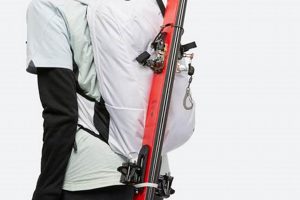
Mountaineering carrying systems prioritize load stability and tool attachment. These often feature narrow profiles to maintain freedom of movement on steep terrain and reinforced attachment points for ice axes and crampons. Weight minimization is achieved through the use of durable yet lightweight materials like Dyneema composite fabrics. However, durability and specialized features take precedence over absolute minimal weight, given the inherent risks of the environment.
- Trail Running Vests
Trail running vests emphasize minimal weight and maximum breathability. These systems are designed to carry essential hydration and nutrition while minimizing bounce and chafing. Features are streamlined to include only necessary pockets and attachment points. The focus is on close-to-body fit and lightweight materials, such as breathable mesh and lightweight nylon. These designs represent the extreme end of the weight minimization spectrum.
- Urban Commuter Packs
Urban commuter carrying systems balance weight minimization with organizational features and weather resistance. These often include dedicated laptop sleeves, document compartments, and reflective elements for enhanced visibility. Materials prioritize durability and water resistance, such as coated nylon fabrics. Weight is minimized by optimizing the number and placement of pockets and features, resulting in a balance between utility and portability.
- Travel Backpacks
Travel carrying systems prioritize carrying capacity, organization, and security features. These designs incorporate features such as lockable zippers, hidden pockets, and internal compression systems. Weight is managed through the use of lightweight fabrics and a focus on efficient packing. Durability and security features are prioritized over absolute minimal weight, given the potential for rough handling and theft. An example includes incorporating slash-proof materials in high-risk areas.
These examples demonstrate that purpose-built designs necessitates careful consideration of the specific requirements of each activity. Weight minimization is a key objective, but must be balanced against the need for durability, functionality, and user safety. The ideal weight-optimized carrying system is therefore one that is tailored to the specific demands of its intended environment.
Frequently Asked Questions
The following addresses common inquiries regarding the selection and application of carrying solutions designed for minimal mass and maximum utility.
Question 1: How is the “best backpacks lightweight” defined objectively?
An objectively defined “best backpacks lightweight” minimizes base weight while maintaining acceptable levels of durability, load distribution, and essential features relevant to its intended application. Quantitative metrics include the ratio of weight to volume and the strength-to-weight ratio of materials used.
Question 2: What is the trade-off between weight and durability in a weight-optimized carrying system?
A reduction in weight often necessitates the use of thinner, lighter materials, which may compromise resistance to abrasion, tearing, and water penetration. Balancing this trade-off requires selecting high-performance materials, such as ripstop nylon or Dyneema composite fabrics, and reinforcing high-stress areas.
Question 3: How does volume capacity impact the overall weight of a “best backpacks lightweight?”
Larger volume capacities inherently require more material, resulting in increased weight. An appropriate volume should be selected based on the intended use, avoiding the temptation to overpack. Employing compression straps and efficient packing techniques can mitigate the impact of a larger volume.
Question 4: What are the key ergonomic considerations for selecting a carrying solution designed for minimal mass?
Ergonomic considerations include adjustable torso lengths, contoured shoulder straps, and a supportive hip belt. These features facilitate proper load distribution, minimizing strain on the user’s musculoskeletal system. Failure to address ergonomic factors can negate the benefits of reduced weight.
Question 5: How does activity-specific design influence the selection of a weight-optimized carrying system?
The intended activity dictates the required features and level of durability. A system designed for mountaineering necessitates reinforced attachment points and a narrow profile, while a trail running vest prioritizes breathability and minimal bounce. Selecting a system appropriate for the activity ensures optimal performance and safety.
Question 6: What maintenance procedures are recommended to preserve the weight and integrity of a “best backpacks lightweight?”
Regular cleaning prevents the accumulation of dirt and debris, which adds weight and can damage materials. Periodic inspection for wear and tear allows for timely repairs, preventing further degradation. DWR coatings should be reapplied as needed to maintain water resistance. Proper storage in a dry, well-ventilated environment prolongs the system’s lifespan.
Understanding these key aspects facilitates informed decisions when selecting a carrying solution where minimal mass is paramount. These considerations ensure the chosen product balances the need for lightweight design with functional effectiveness and long-term durability.
This understanding prepares for the subsequent steps related to specific products and comparative analyses within the category.
Concluding Remarks
The preceding exploration has illuminated the multifaceted nature of “best backpacks lightweight,” extending beyond mere weight reduction. It has examined the pivotal roles of material science, ergonomic design, and activity-specific customization in the creation of effective carrying solutions. The analyses have underscored the inherent trade-offs between weight minimization and durability, alongside the importance of load distribution and functional feature sets.
The optimization of carrying systems remains a continuous pursuit, driven by advancements in materials technology and a growing demand for efficiency and performance. Understanding the principles outlined within this analysis empowers individuals to make informed decisions, selecting “best backpacks lightweight” that align with their specific needs and maximize their potential across diverse activities. The judicious application of these principles will invariably contribute to enhanced experiences and improved outcomes in any endeavor requiring load carriage.