Carrying essential equipment comfortably and safely while skiing is crucial. A specialized piece of gear designed for this purpose allows skiers to transport items such as avalanche safety tools, extra layers, water, and snacks. These packs are constructed to be durable, weather-resistant, and compatible with the movements required for skiing.
The utility of these packs extends beyond mere convenience. They provide a means to carry life-saving equipment when venturing into the backcountry, ensuring preparedness for unforeseen circumstances. Historically, skiers relied on rudimentary methods for transporting gear, but advancements in materials and design have led to more efficient and ergonomic solutions. The ability to carry necessary items impacts safety, comfort, and overall enjoyment of the skiing experience.
The subsequent sections will delve into the key considerations when selecting such a pack, including factors such as capacity, features, fit, and the specific needs of different types of skiers. This guide aims to provide a comprehensive overview to inform the selection process.
Selecting a Suitable Pack
Choosing the right equipment-carrying solution for skiing requires careful consideration of several factors. These tips offer guidance to ensure a well-informed decision.
Tip 1: Capacity Considerations: Evaluate the volume needed based on typical ski trips. Short, resort-based excursions may require a smaller pack, while backcountry adventures necessitate larger capacities for avalanche safety gear, extra clothing, and emergency supplies.
Tip 2: Avalanche Safety Gear Compatibility: For backcountry skiers, ensure the pack includes dedicated compartments and attachment points for avalanche probes, shovels, and transceivers. Ease of access to these tools is paramount in emergency situations.
Tip 3: Fit and Comfort: Seek a pack with adjustable torso length, shoulder straps, and hip belts. A proper fit distributes weight evenly and prevents discomfort during extended periods of skiing.
Tip 4: Material Durability and Weather Resistance: Opt for packs constructed from durable, water-resistant materials to withstand harsh weather conditions and the wear and tear associated with skiing.
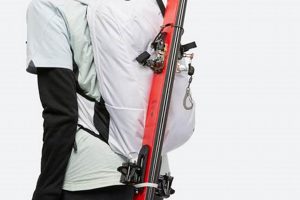
Tip 5: Helmet and Ski Carry Systems: If applicable, choose a pack with a secure and convenient system for carrying skis and a helmet. Different carry systems, such as A-frame or diagonal, cater to varying preferences and ski types.
Tip 6: Back Panel Design: Consider the back panel design for ventilation and comfort. A well-ventilated back panel can minimize moisture buildup and improve breathability during strenuous activity.
Tip 7: Access and Organization: Evaluate the number and placement of pockets and compartments. A well-organized pack allows for easy access to essential items without having to unpack the entire contents.
By following these guidelines, skiers can select a pack that enhances their safety, comfort, and overall experience on the slopes. Prioritizing these factors ensures preparedness and enjoyment of the sport.
The following sections will explore specific product examples and further refine the decision-making process for selecting skiing-related carrying solutions.
1. Capacity Requirements

Capacity requirements are a fundamental consideration when selecting a ski-specific pack. The volume of the pack, measured in liters, directly determines the amount of gear a skier can carry. Insufficient capacity limits the ability to transport essential items, potentially compromising safety and comfort. For example, a skier venturing into the backcountry without adequate space for avalanche safety equipment faces a significantly elevated risk. Conversely, an overly large pack can be cumbersome and inefficient, adding unnecessary weight and hindering mobility.
The specific capacity needed varies based on the intended use. Resort skiers may require smaller packs, around 10-20 liters, sufficient for carrying water, snacks, and extra gloves. Backcountry skiers, however, typically require packs in the 25-40 liter range, accommodating avalanche gear (shovel, probe, transceiver), extra layers, a first-aid kit, and potentially a hydration system. Ski mountaineering often necessitates even larger capacities, exceeding 40 liters, to accommodate overnight gear, ropes, and climbing equipment. Therefore, a clear understanding of the intended activities is paramount in determining the appropriate pack capacity.
Selecting a pack with the appropriate capacity is a critical step in ensuring safety and comfort on the slopes. Overlooking this aspect can have significant consequences, ranging from discomfort to life-threatening situations in the backcountry. Matching the pack volume to the specific needs of the skier is essential for optimizing performance and minimizing risks. This factor, therefore, is integral to the definition of a “best ski backpack”.
2. Avalanche Safety

Avalanche safety is an indispensable consideration when assessing equipment-carrying solutions for skiers, particularly those venturing beyond the boundaries of controlled ski resorts. The ability to efficiently and effectively carry essential avalanche safety tools directly impacts the survivability in the event of an avalanche. Therefore, the integration of these tools into a carrying system is a crucial component of a “best ski backpack”.
- Dedicated Avalanche Tool Compartment
A critical feature is a dedicated compartment specifically designed to house an avalanche shovel and probe. This compartment should offer rapid access to these tools without requiring the user to unpack other gear. Proper organization within this compartment ensures the shovel and probe can be deployed quickly, minimizing the time required to locate and potentially rescue a buried individual. An example of a real-world scenario involves a skier buried in an avalanche, where seconds count; a quickly accessible shovel and probe can significantly increase the chances of a successful rescue. The implications for “best ski backpack” design are clear: easily accessible, dedicated compartments are non-negotiable.
- Transceiver Pocket and Attachment Points
While not always integrated directly into the pack, the design should accommodate the proper placement and attachment of an avalanche transceiver. A secure and easily accessible pocket or harness point on the shoulder strap ensures the transceiver is readily available for searching. Furthermore, it prevents accidental dislodgement of the device during strenuous activity. For instance, imagine a scenario where a skier’s transceiver becomes detached during a fall; the loss of the transceiver renders the skier unable to participate in the search and rescue effort. The “best ski backpack” design must prioritize secure and accessible transceiver integration.
- Instructional Graphics and Emergency Information
Some advanced packs incorporate instructional graphics or emergency information panels within the avalanche tool compartment. These visual aids can provide critical reminders regarding avalanche rescue procedures, especially in high-stress situations. For example, a skier under duress might benefit from a quick reference guide on transceiver searching techniques. These added features reinforce the importance of preparedness and underscore the role of the pack in supporting safe backcountry practices. This highlights how safety elements contribute to defining what constitutes the “best ski backpack”.
- Compatibility with Avalanche Airbag Systems
Certain packs are designed to be compatible with avalanche airbag systems. These systems, when triggered, inflate a large airbag that can help keep a buried skier closer to the surface of the avalanche debris. While not a replacement for standard avalanche safety gear, airbag systems can significantly increase survivability. Therefore, compatibility with these systems is a valuable feature to consider. In a real-world avalanche incident, the use of an airbag system can dramatically improve the chances of survival. Consequently, the ability to integrate such systems enhances the overall safety profile and contribution to defining what a “best ski backpack” is.
Integrating avalanche safety features into a ski pack transcends mere convenience; it is a matter of survival. The design and features of a “best ski backpack” must actively facilitate the rapid deployment and effective use of avalanche safety equipment, ultimately contributing to the safety and well-being of skiers venturing into avalanche terrain. The incorporation of dedicated compartments, secure transceiver integration, instructional aids, and airbag system compatibility reflects a commitment to prioritizing safety above all else.
3. Comfort and Fit
The relationship between comfort and fit and the selection of optimal ski-specific carrying solutions is a significant determinant of user experience and performance. An ill-fitting pack can lead to discomfort, fatigue, and even injury, detracting from the enjoyment and efficiency of skiing. Therefore, these ergonomic aspects are fundamental criteria in defining a “best ski backpack.” The distribution of weight, adjustability, and contact points between the pack and the skier’s body directly influence stability and freedom of movement. For instance, a pack with poorly designed shoulder straps can cause chafing and pressure points, leading to distraction and reduced endurance. Similarly, an improperly sized torso length can result in unbalanced weight distribution, increasing strain on the back and shoulders. A practical example is a ski tour where an incorrectly fitted pack causes significant back pain, forcing the skier to cut the tour short and compromising the overall experience.
Adjustability is paramount in achieving optimal comfort and fit. A “best ski backpack” will incorporate adjustable torso lengths, shoulder straps, hip belts, and sternum straps. These features allow skiers to customize the pack’s fit to their individual body dimensions and preferences. Hip belts play a crucial role in transferring weight from the shoulders to the hips, reducing strain on the upper body. Sternum straps enhance stability by preventing the shoulder straps from sliding off the shoulders. The design of the back panel is also relevant, with features such as ventilation channels and padding strategically placed to improve airflow and reduce pressure points. Consider a scenario where a skier needs to tighten or loosen the shoulder straps on the go, it should be easy and quickly adjustable to best improve “Comfort and Fit”.
In summary, comfort and fit are not merely desirable attributes but essential elements in the design and selection of a “best ski backpack.” An ergonomically sound pack enhances performance, reduces fatigue, and improves the overall skiing experience. Attention to adjustability, weight distribution, and contact point design ensures the pack conforms to the skier’s body, providing stability and freedom of movement. The importance of comfort and fit in selecting ski packs is crucial and the lack of it undermines the utility and safety of the product, directly impacting skiing performance and enjoyment.
4. Durability

Durability represents a critical characteristic in the context of ski-specific carrying solutions. The harsh environments and rigorous activities associated with skiing demand a high degree of resilience in equipment. A lack of durability in a ski pack translates directly to potential equipment failure, compromising safety and efficiency on the mountain. A “best ski backpack” inherently exhibits superior durability, able to withstand abrasion, extreme temperatures, and repetitive stress. For instance, a pack constructed from inferior materials might tear upon contact with rocks or tree branches, rendering it unable to securely carry essential items such as avalanche safety gear or first-aid supplies. The result could range from inconvenience to life-threatening consequences in a backcountry scenario. This connection underscores the paramount importance of material selection and construction techniques in achieving the requisite durability for a reliable ski pack.
The selection of materials directly influences the pack’s ability to withstand the demands of skiing. High-denier nylon or polyester fabrics, often with waterproof coatings, provide resistance to abrasion, tearing, and moisture penetration. Reinforced stitching and robust zippers further enhance the pack’s structural integrity. Consider the scenario of a multi-day ski touring expedition, where the pack endures constant exposure to snow, ice, and rough terrain. A durable pack constructed with appropriate materials will maintain its functionality and protect its contents throughout the trip, while a less durable pack is likely to fail under similar conditions. Zippers made with high-quality construction, for example, prevent the zipper from opening even when fully packed with gear.
The relationship between durability and a “best ski backpack” is inextricably linked. Superior materials and construction result in a pack capable of withstanding the rigors of skiing, ensuring the reliable transport of essential gear. Compromising on durability increases the risk of equipment failure, with potentially serious consequences. Thus, durability stands as a foundational attribute that defines the overall quality and suitability of a ski-specific carrying solution. Evaluating material specifications, construction techniques, and user reviews related to long-term performance is essential when selecting a pack intended for use in demanding ski environments. The ability of a ski backpack to withstand the rigors of alpine environments directly influences the safety, comfort, and efficiency of any skiing endeavor, further strengthening the argument that durability is one of the leading features of the best ski backpack.
5. Ski Carry
The integration of a functional ski carry system represents a defining characteristic of a ski-specific carrying solution. The ability to securely and efficiently transport skis on a backpack is crucial for various skiing activities, ranging from backcountry touring to resort-based hiking. The design and implementation of this system contribute significantly to the overall usability and convenience of the pack, making it an important consideration when determining what constitutes a “best ski backpack.”
- A-Frame Carry
The A-frame carry involves attaching skis to either side of the pack, with the ski tips pointing upwards or downwards. This method distributes the weight evenly and provides stability, making it suitable for longer treks and steeper terrain. A real-world scenario involves a backcountry skier traversing a narrow ridge; the A-frame carry ensures the skis remain securely attached without interfering with balance or movement. The implications for a “best ski backpack” include robust attachment points, adjustable straps to accommodate different ski widths, and padding to protect the skier’s legs from abrasion.
- Diagonal Carry
The diagonal carry involves attaching skis diagonally across the back of the pack. This method is often preferred for its simplicity and ease of use, making it suitable for shorter distances and less challenging terrain. An example of this is a resort skier hiking a short distance to reach a powder stash; the diagonal carry allows for quick and convenient ski transport. The “best ski backpack” employing a diagonal carry system must feature secure attachment points, preferably with locking mechanisms, to prevent the skis from shifting or detaching during movement.
- Vertical Carry
The vertical carry system involves attaching skis vertically to the back of the pack. While less common due to potential limitations in weight distribution and comfort, it can be advantageous in specific situations, such as navigating dense trees or narrow passages. Imagine a ski mountaineer ascending a steep couloir; the vertical carry minimizes the skis’ profile, reducing the risk of snagging on obstacles. A “best ski backpack” with a vertical carry system should incorporate a robust retention mechanism to prevent the skis from swaying or impacting the skier’s head or back.
- Cable Carry Systems
This involves using steel cables to secure skis for the safest carry. Cable carries are typically lighter and more durable than fabric ski carry systems. An example is a backcountry skier attempting a difficult route with skis, they need a secure, lightweight cable system so it is less of a load to carry.
The selection of an appropriate ski carry system depends on the intended use, terrain, and personal preference. The integration of a well-designed and durable system is crucial for ensuring the safe and efficient transport of skis, contributing significantly to the overall functionality and desirability of a “best ski backpack.” Consideration of these features and the integration of robust, secure carrying mechanisms are paramount in defining the suitability of a pack for skiing applications.
6. Accessibility

Accessibility, in the context of a ski-specific carrying solution, refers to the ease and speed with which a skier can retrieve essential items from the pack while on the mountain. The design and layout of compartments, zippers, and access points directly influence the pack’s overall usability and can have significant implications for safety and efficiency. A pack lacking in accessibility can lead to frustration, wasted time, and even dangerous situations, particularly in emergency scenarios. Therefore, accessibility is a pivotal feature that contributes significantly to defining a “best ski backpack”. An example of this could be when needing to access safety equipment during an avalanche, which needs to be highly accessible when trying to rescue others that are trapped.
Factors that contribute to accessibility include the number and placement of pockets, the type and location of zippers, and the presence of external attachment points. A “best ski backpack” will feature multiple compartments, each designed for specific items. For example, a dedicated compartment for avalanche safety gear, with easy access even when wearing gloves, is crucial. Pockets for water bottles, snacks, and small accessories should be readily accessible without requiring the skier to remove the pack. Zippers should be durable, easy to operate, and positioned for convenient access to the pack’s contents. External attachment points allow for securing items such as ice axes or trekking poles, further enhancing accessibility. A skier in below-freezing temperatures with snow on the ground may need to quickly grab a snack and being able to access it with ease and with gloves can prevent temperature from dropping in the skier.
In summary, accessibility is an indispensable attribute of a ski-specific carrying solution. A well-designed pack will prioritize easy and rapid access to essential items, enhancing the skier’s efficiency and safety on the mountain. Attention to compartment layout, zipper placement, and external attachment points ensures that the pack’s contents are readily available when needed. Compromising on accessibility can have serious consequences, especially in emergency situations. Thus, a focus on accessibility is critical in the evaluation and selection of a “best ski backpack”, contributing directly to its overall functionality and suitability for the demands of skiing.
Frequently Asked Questions
The following section addresses common inquiries regarding equipment-carrying solutions specifically designed for skiing. These answers aim to provide clear and concise information to assist in the selection and use of such packs.
Question 1: What distinguishes a ski pack from a regular backpack?
Ski-specific packs incorporate features tailored to the needs of skiers, such as dedicated compartments for avalanche safety gear, ski carry systems, and durable, weather-resistant materials. Regular backpacks typically lack these specialized features.
Question 2: What capacity is recommended for a backcountry ski pack?
Backcountry packs generally range from 25 to 40 liters. This volume accommodates avalanche safety tools, extra layers, water, food, and other essential items. The specific capacity depends on the length and nature of the trip.
Question 3: How should skis be carried on a backpack?
Common ski carry methods include A-frame, diagonal, and vertical carry systems. The choice depends on the terrain, ski type, and personal preference. Ensure the skis are securely attached and do not impede movement or create a safety hazard.
Question 4: What materials are best for ski packs?
Durable, water-resistant materials, such as high-denier nylon or polyester, are recommended. Reinforced stitching and robust zippers further enhance the pack’s ability to withstand harsh conditions.
Question 5: How important is the fit of a ski pack?
Proper fit is critical for comfort and stability. Look for adjustable torso lengths, shoulder straps, and hip belts to customize the fit to individual body dimensions. Weight should be distributed evenly to minimize strain on the back and shoulders.
Question 6: What avalanche safety gear should be carried in a ski pack?
Essential avalanche safety gear includes an avalanche transceiver, shovel, and probe. These tools should be readily accessible in a dedicated compartment for rapid deployment in emergency situations. Training in their proper use is equally critical.
In conclusion, selecting a suitable ski pack involves careful consideration of capacity, features, materials, fit, and intended use. Prioritizing these factors ensures a safer and more enjoyable skiing experience.
The following sections will delve into product reviews and offer further insights into specific pack models.
Conclusion
The preceding discussion has illuminated the crucial factors defining a suitable ski-specific carrying solution. Capacity considerations, avalanche safety integration, comfort and fit, durability, ski carry functionality, and accessibility all contribute to the overall utility and safety of the equipment. Neglecting any of these aspects undermines the pack’s effectiveness and potentially compromises the skier’s well-being. The pursuit of the best ski backpack necessitates a comprehensive evaluation of these interrelated features, ensuring the chosen product aligns with the intended application and individual requirements.
Ultimately, the selection of a carrying solution demands careful deliberation and informed decision-making. Skiers should prioritize a thorough assessment of their needs and preferences, considering the specific demands of their intended activities. The availability of a properly designed and equipped pack is not merely a matter of convenience but a critical element in ensuring a safe and enjoyable experience in the alpine environment. Responsible skiers must invest in appropriate gear and acquire the necessary knowledge to utilize it effectively, thereby contributing to their own safety and the safety of others.