Specialized carrying systems designed for winter sports enthusiasts, particularly those who engage in downhill snow activities, provide dedicated storage and organizational features tailored to the needs of these athletes. These systems often include compartments for essential safety equipment, such as avalanche probes, shovels, and first-aid kits. For example, a typical model might have designated sleeves for a hydration reservoir and external straps for securely attaching a snowboard when hiking uphill.
The utilization of such gear enhances on-mountain preparedness and safety. By providing a secure and organized method for carrying critical equipment, these systems contribute to quicker access to avalanche safety tools in emergency situations. Moreover, these packs distribute weight evenly across the back, reducing strain and fatigue during prolonged periods of activity. Over time, designs have evolved to incorporate lighter, more durable materials and improved ergonomic features, reflecting advancements in outdoor gear technology and a growing emphasis on user comfort.
The following sections will delve into the key factors to consider when selecting a suitable carrying system for snow-based pursuits, exploring aspects such as capacity, features, fit, and material durability, offering guidance to inform purchase decisions.
Selection Guidance
Careful consideration of several factors is crucial when evaluating specialized carrying systems for snow sports.
Tip 1: Capacity Assessment: Determine the volume required based on anticipated gear needs. Short trips necessitate smaller capacities (15-25 liters), while longer excursions demand larger volumes (30+ liters) to accommodate extra layers, food, and safety equipment.
Tip 2: Avalanche Safety Features: Prioritize models equipped with dedicated compartments for avalanche probes, shovels, and, ideally, airbags. Ensure quick and easy access to these tools is possible even with gloved hands.
Tip 3: Fit and Comfort: A properly fitted pack is paramount. Measure torso length and select a size accordingly. Look for adjustable shoulder straps, sternum straps, and hip belts to distribute weight effectively and prevent chafing.
Tip 4: Material Durability: Opt for packs constructed from durable, water-resistant materials like high-denier nylon or reinforced fabrics. Reinforcements in high-wear areas, such as the bottom and sides, enhance longevity.
Tip 5: Hydration Compatibility: Verify compatibility with hydration reservoirs. Internal sleeves and insulated hose routing are essential for preventing water from freezing in cold conditions.
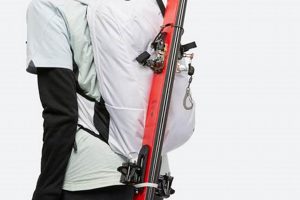
Tip 6: External Carry System: Assess the snowboard carry system. Vertical carry systems maintain a lower profile but can be less comfortable for long distances. A-frame carry systems distribute weight more evenly but may present challenges in tight terrain.
Tip 7: Back Panel Ventilation: Consider models with ventilated back panels to minimize moisture buildup and enhance breathability during strenuous activity.
Proper evaluation ensures appropriate functionality, longevity, and comfort, thereby maximizing on-mountain safety and enjoyment.
The concluding section will summarize the most vital aspects discussed and offer a final recommendation.
1. Capacity

Capacity, measured in liters, directly determines the utility of a snowboarding backpack. Insufficient volume limits the ability to carry essential equipment, jeopardizing safety and comfort. Conversely, excessive capacity can lead to unnecessary weight and bulk, hindering maneuverability. For instance, a day trip into controlled resort terrain might necessitate a pack with a 20-30 liter capacity to accommodate extra layers, water, and snacks. However, a multi-day backcountry excursion would require a significantly larger capacity, potentially exceeding 40 liters, to accommodate additional gear such as overnight equipment, extra food supplies, and enhanced safety provisions.
The selection of appropriate capacity is further influenced by the individuals packing style and the type of snowboarding activity pursued. Minimalist backcountry travelers might prioritize lightweight gear and therefore require less volume, while those who prefer to be prepared for a wide range of contingencies would opt for a larger pack. A mismatch between capacity and intended use results in either the inability to carry essential items or unnecessary burden. Consider the scenario of attempting to navigate a technical backcountry descent with a pack so overfilled that it compromises balance and freedom of movement; the inherent risks are significantly amplified.
In summary, capacity forms a crucial component in the selection of a snowboarding backpack. Proper assessment of volume requirements, based on trip duration, gear needs, and individual preferences, results in a more effective and comfortable experience. Failure to accurately gauge capacity undermines the core function of the pack and potentially compromises both safety and enjoyment on the slopes.
2. Durability

Durability constitutes a fundamental attribute of a functional snowboarding backpack. The harsh conditions inherent to mountain environments, including abrasion from snow and ice, exposure to ultraviolet radiation, and potential impacts from falls or equipment, necessitate a robust construction. The materials employed in the construction of a quality snowboarding backpack directly correlate with its ability to withstand these environmental stressors and maintain its structural integrity over extended periods of use. For example, a backpack constructed from a lower-denier nylon or polyester fabric will exhibit significantly reduced resistance to tearing and abrasion compared to one utilizing a higher-denier nylon or reinforced fabrics like Cordura. This difference directly impacts the user’s ability to rely on the pack to securely carry essential gear, including safety equipment, in potentially hazardous situations. The consequence of material failure, such as a torn strap or a ruptured seam, can range from inconvenience to a safety compromise in backcountry scenarios.
Furthermore, the quality of construction techniques contributes significantly to the overall durability. Reinforced stitching at stress points, such as attachment loops and zipper junctions, enhances the backpack’s ability to withstand repeated strain and prevent premature failure. Durable zippers, preferably constructed from metal or high-quality synthetic materials, are also crucial for maintaining secure closure and preventing access to the pack’s contents from the elements. Instances of zipper failure are common in lower-quality packs, leading to gear loss or exposure to snow and moisture. The practical application of this understanding underscores the importance of inspecting construction details and material specifications when selecting a snowboarding backpack. Attention to these aspects mitigates the risk of equipment malfunction in critical situations.
In summary, durability is not merely a desirable feature but a necessity for snowboarding backpacks designed for mountain use. Material selection, construction quality, and reinforcement techniques are paramount in ensuring the pack’s ability to withstand the rigors of the environment and maintain its functionality over time. Prioritizing durability translates directly into enhanced safety, reliability, and longevity, ultimately maximizing the value and utility of the product. The absence of durability compromises the packs functionality and could jeopardize the user’s safety in demanding situations.
3. Accessibility

Accessibility, within the context of specialized backpacks for snow activities, refers to the ease and speed with which a user can retrieve necessary equipment, particularly in emergency situations. The design of a high-quality model facilitates rapid access to critical items, such as avalanche safety tools, without requiring extensive unpacking or fumbling. The spatial arrangement of compartments, zipper placements, and internal organization features are all integral elements of accessibility. For instance, dedicated external compartments for avalanche shovels and probes enable swift deployment during a rescue scenario, where seconds can be vital. Conversely, a backpack with poorly designed or inconveniently located compartments can significantly impede access to essential gear, potentially delaying critical actions during an emergency.
The practical significance of accessible design extends beyond emergency situations. While traversing varied terrain or transitioning between uphill and downhill sections, quick access to items such as water bottles, extra layers, or snacks can significantly enhance comfort and performance. Consider the example of a snowboarder ascending a steep slope; the ability to retrieve a hydration reservoir without removing the backpack or disrupting the snowboard carry system allows for efficient hydration and maintenance of momentum. Backpacks featuring well-placed external pockets and glove-friendly zippers provide added convenience and efficiency in such scenarios. The absence of these accessibility features necessitates frequent stops and adjustments, resulting in wasted time and energy.
In conclusion, accessibility is a crucial determinant of a snowboarding backpack’s overall utility and effectiveness. A design that prioritizes rapid and intuitive access to essential gear enhances both safety and convenience in mountain environments. Poor accessibility undermines the core function of the backpack and can negatively impact the user’s experience. The value of a high-quality model lies not only in its carrying capacity and durability but also in its intelligent and efficient design regarding accessibility features.
4. Comfort
Ergonomic considerations are paramount in the design and selection of snowboarding backpacks. Prolonged physical exertion, combined with the dynamic movements inherent to snowboarding, places significant demands on the musculoskeletal system. A well-designed backpack mitigates strain and fatigue, contributing directly to the user’s overall performance and safety.
- Torso Length and Fit
Correct torso length is critical for effective weight distribution. A backpack that is too long or too short will shift the load improperly, leading to strain on the shoulders, back, and hips. Manufacturers typically provide sizing charts based on torso measurements. Selecting the appropriate size ensures the weight is borne primarily by the skeletal structure rather than the musculature, reducing fatigue.
- Suspension System and Padding
The suspension system, including shoulder straps, hip belts, and back panel, plays a crucial role in comfort. Shoulder straps should be contoured and adequately padded to prevent pressure points. Hip belts should effectively transfer a significant portion of the load to the hips, relieving pressure on the shoulders. The back panel should incorporate breathable materials and potentially ventilation channels to minimize moisture buildup and enhance airflow. Insufficient padding or a poorly designed suspension system can lead to discomfort, chafing, and impaired mobility.
- Adjustability
A high degree of adjustability is essential for achieving a customized fit. Adjustable shoulder straps, sternum straps, and hip belts allow the user to fine-tune the backpack’s fit based on individual body shape and layering. The ability to adjust the load lifters, which connect the shoulder straps to the upper part of the backpack, is also beneficial for optimizing weight distribution. A backpack with limited adjustability may not adequately conform to the user’s body, leading to discomfort and instability.
- Weight Distribution
Proper weight distribution minimizes strain and maximizes efficiency. A well-designed backpack will keep the load close to the body’s center of gravity, reducing the moment arm and improving balance. Internal organization features, such as compression straps, help to prevent shifting of the load during dynamic movements. Uneven weight distribution can lead to instability, increased energy expenditure, and a higher risk of injury.
In conclusion, comfort is not merely a luxury but a fundamental requirement for snowboarding backpacks. An ergonomically sound design, characterized by proper fit, effective suspension, adjustability, and optimal weight distribution, enhances the user’s ability to perform safely and efficiently in mountain environments. A backpack that compromises on comfort undermines its core purpose and potentially jeopardizes the user’s well-being.
5. Safety Features
The incorporation of safety features into snowboarding backpacks transcends mere convenience; it constitutes a critical element in mitigating risks associated with mountain environments. Selection of a pack incorporating advanced safety provisions demonstrably enhances a rider’s preparedness for unforeseen circumstances, potentially influencing outcomes in emergency scenarios.
- Avalanche Safety Compartments
Dedicated compartments for avalanche safety equipment shovel, probe, and saw represent a fundamental safety feature. These compartments must be easily accessible, even with gloved hands, allowing for rapid deployment in the event of a burial. A properly designed compartment isolates this equipment from other contents, preventing entanglement and facilitating swift retrieval. Failure to adequately segregate avalanche tools compromises response time, a critical factor in survival rates.
- Avalanche Airbag System Compatibility
Integration of an avalanche airbag system elevates safety preparedness. These systems, when activated, rapidly inflate a large airbag, increasing the rider’s volume and buoyancy in an avalanche, thereby increasing the likelihood of remaining on the surface. Compatibility includes dedicated attachment points, trigger handle routing, and sufficient internal space for the airbag pack. Improper installation or incompatibility renders the system ineffective.
- Whistle Integration
The inclusion of an integrated emergency whistle on the sternum strap provides a simple yet effective means of signaling for help. In situations where visibility is limited or communication is otherwise impaired, a whistle can transmit a distinct distress signal over a considerable distance. This feature, though seemingly minor, represents a crucial communication tool in emergency scenarios.
- Impact Protection
Some advanced models incorporate integrated back protection, designed to mitigate the severity of spinal injuries in the event of a fall. These systems often utilize impact-absorbing materials or structural designs that distribute force across a wider area. While not a substitute for proper technique and awareness, integrated back protection offers an additional layer of safeguarding against potential trauma.
The presence and effective implementation of these safety features directly correlate with a snowboarding backpack’s suitability for backcountry use. Riders operating in avalanche terrain should prioritize packs incorporating avalanche tool compartments and, ideally, airbag system compatibility. The inclusion of a whistle and consideration of integrated impact protection further enhance a rider’s overall safety profile. Compromising on these features elevates the inherent risks associated with snowboarding in uncontrolled environments.
6. Weather Resistance
The capacity of a snowboarding backpack to resist the ingress of moisture constitutes a crucial determinant of its utility and longevity, directly impacting the rider’s comfort and the functionality of carried equipment. Weather resistance, in this context, encompasses a range of protective measures against snow, sleet, rain, and wind, all of which are frequently encountered in mountain environments. The absence of adequate weather resistance can lead to the saturation of internal contents, potentially compromising the performance of electronic devices, medical supplies, and spare clothing. This, in turn, elevates the risk of hypothermia and equipment malfunction, particularly during prolonged exposure to inclement weather. The materials used in the pack’s construction, the quality of its zippers and seams, and the presence of water-resistant coatings are all contributing factors.
The practical application of weather resistance manifests in several ways. High-denier nylon or polyester fabrics, often treated with a durable water repellent (DWR) finish, provide a primary barrier against moisture penetration. Watertight zippers, typically laminated or coated with polyurethane, prevent water from seeping through the closure points. Seam sealing, a process of applying a waterproof tape to the internal seams, further enhances the pack’s overall weather resistance. The consequence of neglecting these features is exemplified by a scenario in which a rider’s spare gloves become saturated, rendering them ineffective for maintaining thermal comfort, or a first-aid kit becomes waterlogged, compromising the integrity of its contents. These occurrences highlight the direct correlation between weather resistance and on-mountain preparedness.
In summary, weather resistance is not a peripheral attribute but an essential requirement for any snowboarding backpack intended for use in alpine environments. The selection of a pack incorporating robust weather-resistant features safeguards essential equipment and contributes directly to the rider’s safety and comfort. Prioritizing weather resistance mitigates the risks associated with moisture exposure and ensures that the pack maintains its functionality and reliability over the course of prolonged use. Neglecting weather resistance compromises the user’s safety and comfort.
7. Snowboard Carry

The integration of a reliable snowboard carry system constitutes a fundamental criterion in the evaluation of superior snowboarding backpacks. A secure and efficient carry mechanism directly affects the user’s mobility, energy expenditure, and overall safety while traversing terrain where riding is not feasible or desirable. The absence of a well-designed carry system necessitates hand-carrying the snowboard, leading to fatigue, restricted movement, and an increased risk of accidental drops, potentially damaging the board or creating a hazard for others. Backpacks classified as “best” invariably feature robust carry systems designed to address these challenges.
Various carry configurations exist, each with distinct advantages and disadvantages. A-frame carry systems distribute weight evenly across the back, facilitating a more balanced load carriage, particularly over extended distances. However, this configuration can increase the overall profile of the pack, potentially hindering maneuverability in densely wooded areas. Vertical carry systems maintain a narrower profile, reducing the likelihood of snagging on obstacles, but can place more stress on the upper back and shoulders, leading to fatigue. Diagonal carry systems offer a compromise, distributing weight more effectively than vertical systems while maintaining a relatively slim profile. Real-world examples underscore the importance of a secure carry system; a snowboarder navigating a narrow couloir on foot benefits from a pack that keeps the board stable and close to the body, preventing uncontrolled swings that could lead to a fall. Conversely, a snowboarder traversing a long, flat approach benefits from a system that distributes weight evenly to minimize fatigue.
The practical significance of a well-integrated snowboard carry system extends beyond mere convenience. It directly influences the rider’s ability to access backcountry terrain, navigate challenging transitions, and maintain control in potentially hazardous situations. A poorly designed or flimsy carry system can compromise stability, increase energy expenditure, and ultimately detract from the overall snowboarding experience. Thus, a robust and thoughtfully designed snowboard carry mechanism stands as a hallmark of top-tier snowboarding backpacks, reflecting a commitment to both performance and safety.
Frequently Asked Questions
The following addresses common inquiries concerning specialized carrying systems for snowboarding, providing clarity on key considerations and dispelling potential misconceptions.
Question 1: What capacity range is generally recommended for snowboarding backpacks?
Capacity requirements vary based on the intended use. Day trips within resort boundaries typically necessitate 20-30 liters, sufficient for extra layers, water, and snacks. Backcountry excursions necessitate 30 liters or more, accommodating avalanche safety equipment, overnight gear, and additional supplies. Overestimation of capacity can lead to unnecessary weight. Underestimation can compromise safety.
Question 2: Are avalanche airbag systems universally compatible with all snowboarding backpacks?
No, avalanche airbag systems require specifically designed backpacks that incorporate designated compartments, attachment points, and trigger handle routing. Attempting to integrate an airbag system into an incompatible backpack compromises its functionality and safety.
Question 3: How frequently should a snowboarding backpack be inspected for wear and tear?
Regular inspection is imperative, ideally before each use, particularly when operating in backcountry environments. Examine all seams, zippers, straps, and buckles for signs of abrasion, tearing, or damage. Address any identified issues promptly to prevent equipment failure during critical moments.
Question 4: Is weather resistance an important consideration, even in dry climates?
Weather resistance remains a critical factor, irrespective of climate. Snow, sleet, and unexpected precipitation events can occur even in arid regions. Moisture penetration can compromise the functionality of electronic devices, medical supplies, and insulation, increasing the risk of hypothermia.
Question 5: Can a general-purpose backpack effectively substitute for a snowboarding-specific model?
General-purpose backpacks lack the specialized features and robust construction required for snowboarding. Dedicated compartments for avalanche safety equipment, secure snowboard carry systems, and durable, weather-resistant materials are integral to a snowboarding backpack’s functionality and safety. Substitution poses significant risks.
Question 6: What are the essential elements of a comfortable snowboarding backpack fit?
Correct torso length, adjustable shoulder straps, a supportive hip belt, and a breathable back panel are essential. The backpack should distribute weight evenly across the body, minimizing pressure points and allowing for unrestricted movement. An ill-fitting backpack leads to fatigue and potential injury.
These FAQs underscore the necessity for informed decision-making when selecting a snowboarding backpack, emphasizing the interplay between capacity, compatibility, durability, weather resistance, specialized features, and comfort.
The ensuing discussion will delve into specific product recommendations, categorizing backpacks based on intended use and budget.
Conclusion
The preceding analysis underscores the critical importance of selecting appropriate equipment for safe and effective snowboarding activities. The exploration of capacity, durability, accessibility, comfort, safety features, weather resistance, and snowboard carry systems highlights the multifaceted nature of the decision-making process. A lack of attention to these elements can compromise rider safety and enjoyment. Investing in a well-designed system tailored to specific needs enhances the overall experience.
Ultimately, the selection of a snowboarding backpack represents a fundamental investment in personal safety and preparedness. As technology evolves and mountain environments continue to pose inherent risks, the integration of appropriate equipment becomes increasingly vital. Prioritizing informed decision-making and comprehensive understanding mitigates potential hazards, facilitating responsible engagement with winter mountain environments. The pursuit of enhanced understanding remains paramount.