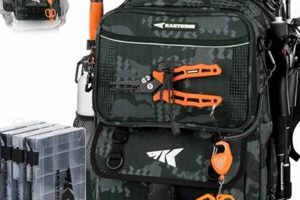
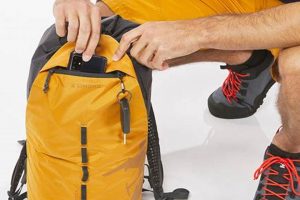
Everyday Carry (EDC) encompasses the items individuals routinely carry on their person or in a bag that are useful in handling everyday situations. The bag chosen for this purpose serves as a mobile organizational hub, providing secure storage and easy access to essential tools and equipment. These bags typically range in size and feature dedicated compartments for items like multi-tools, first-aid kits, electronics, and personal protection devices. A suitable EDC bag balances capacity, durability, comfort, and accessibility to effectively support daily tasks and preparedness.
The selection of an appropriate EDC bag significantly enhances an individual’s readiness and efficiency. A well-organized bag allows for quick retrieval of necessary items in unpredictable circumstances, fostering self-reliance and mitigating potential disruptions. Furthermore, the practice of consistent EDC promotes a proactive mindset, encouraging individuals to anticipate and prepare for various contingencies. Historically, the concept of carrying essential tools dates back to ancient times; however, the modern EDC movement emphasizes intentionality and curated selection based on individual needs and lifestyles.
Therefore, a comprehensive exploration of factors to consider when choosing a suitable carry solution is warranted. This includes an examination of various types, materials, organizational features, and ergonomic considerations, enabling informed decision-making in the selection of an optimal system.
Selecting an Optimal Carry Solution
The following guidelines outline key considerations in selecting an appropriate carry solution for everyday use, ensuring preparedness and efficiency.
Tip 1: Prioritize Capacity Needs. Assess daily requirements and typical carry volume to determine the necessary pack size. Overpacking can lead to discomfort and inefficiency, while insufficient space limits preparedness.
Tip 2: Evaluate Material Durability. Opt for high-quality, abrasion-resistant materials such as Cordura nylon or reinforced polyester to withstand daily wear and tear. Consider weather resistance for protection against environmental elements.
Tip 3: Examine Organizational Features. Look for dedicated compartments, pockets, and attachment points to facilitate efficient organization and easy access to essential items. Internal dividers and external webbing enhance versatility.
Tip 4: Consider Ergonomic Design. Evaluate shoulder strap padding, back panel support, and weight distribution. Adjustable straps and breathable materials contribute to comfort during extended wear.
Tip 5: Assess Accessibility Requirements. Determine the required access speed and frequency. Quick-access pockets for frequently used items, such as phones or keys, enhance efficiency.
Tip 6: Evaluate Security Features. Consider anti-theft features such as lockable zippers, hidden compartments, and RFID-blocking pockets to protect valuables and personal information.
Tip 7: Analyze Weight Considerations. Minimize the overall weight of the empty pack to reduce strain and fatigue during daily carry. Lightweight materials and a streamlined design contribute to portability.
By adhering to these guidelines, individuals can select a carry solution that effectively supports their daily needs, promotes preparedness, and enhances overall efficiency.
The final section will consolidate the key points and provide a concluding summary of the preceding discussion.
1. Durability

Durability, in the context of selecting appropriate carrying solutions, represents a critical performance characteristic directly impacting long-term usability and value. The capacity of a bag to withstand environmental factors and the rigors of consistent daily use defines its suitability for everyday carry applications.
- Material Composition and Construction
The type of material used and its construction significantly influence the overall lifespan of a bag. High-denier fabrics like Cordura nylon or ballistic nylon offer enhanced resistance to abrasion, tears, and punctures compared to less robust materials. Reinforced stitching at stress points and durable hardware such as YKK zippers further contribute to structural integrity. For example, a bag constructed from 1000D Cordura with bar-tacked seams is inherently more resistant to wear and tear than a bag made from lightweight polyester with single-stitched seams. The selection of appropriate materials and construction techniques is thus paramount in ensuring long-term performance.
- Resistance to Environmental Factors
An EDC bag is often exposed to various environmental conditions, including rain, sunlight, and temperature fluctuations. Materials with inherent water resistance or those treated with durable water repellent (DWR) coatings offer protection against moisture damage. UV resistance prevents the degradation of fabric and discoloration over time. Examples include backpacks with waterproof zippers and sealed seams, or those constructed from ripstop nylon with a PU coating. This resistance is essential for maintaining the bag’s functionality and aesthetic appeal over extended periods.
- Hardware Quality and Longevity
Buckles, zippers, and adjustment hardware are critical components that undergo frequent use and stress. The use of high-quality hardware, such as metal buckles or self-repairing zippers, ensures reliable operation and prevents premature failure. Low-quality hardware is prone to breakage, compromising the bag’s functionality and potentially causing the loss of its contents. For instance, a bag with heavy-duty metal buckles is less likely to fail under load compared to one with plastic buckles. The longevity of these components directly correlates to the overall durability of the bag.
- Abrasion and Tear Resistance
Everyday carry bags are often subjected to abrasion from contact with various surfaces and potential tears from sharp objects. High tensile strength fabrics and reinforced panels in high-wear areas enhance resistance to these types of damage. For example, a backpack with reinforced corners and a scuff-resistant bottom panel is better equipped to withstand the demands of daily use compared to a bag with exposed seams and delicate fabrics. This resistance ensures the bag retains its structural integrity and protects its contents from damage.
The preceding facets underscore the critical role of durability in the selection of the correct carrying solution. Choosing a bag constructed with robust materials, resistant to environmental factors, and equipped with high-quality hardware and abrasion resistance translates to long-term value and reliable performance in diverse situations.
2. Organization

Effective organization within an everyday carry (EDC) bag directly contributes to enhanced efficiency and preparedness. The degree to which a backpack facilitates systematic arrangement of its contents influences the user’s ability to quickly access and utilize essential items in various situations. A well-organized EDC bag minimizes wasted time and effort, promoting a proactive approach to daily tasks and potential emergencies.
- Dedicated Compartments and Pockets
The presence of designated compartments and pockets allows for the segregation of items based on function or frequency of use. Separate compartments for electronics, first-aid supplies, and personal items prevent clutter and facilitate rapid retrieval. For example, a dedicated padded compartment for a laptop protects the device from damage, while a small, easily accessible pocket can hold keys or a smartphone. The strategic placement and sizing of these compartments optimizes internal space utilization and reduces the likelihood of misplacing critical items.
- Internal Dividers and Modular Systems
Internal dividers and modular attachment systems, such as MOLLE webbing or Velcro panels, enable further customization of the internal layout. These features allow users to adapt the bag’s organization to their specific needs and preferences. Dividers can separate and protect fragile items, while modular systems allow for the attachment of pouches and accessories, expanding storage capacity and functionality. This adaptability ensures the bag remains efficient and relevant as the user’s EDC requirements evolve.
- Color-Coding and Labeling
Employing color-coding or labeling systems enhances visual organization and streamlines the identification process. Assigning specific colors or labels to different compartments or pouches allows users to quickly locate desired items without having to rummage through the entire bag. For instance, a red-labeled pouch could contain first-aid supplies, while a blue-labeled compartment could hold electronic accessories. This simple yet effective technique reduces cognitive load and improves response time in time-sensitive situations.
- Strategic Accessibility
Organizational features are only effective if they are coupled with strategic accessibility. The placement of frequently used items in easily accessible pockets or compartments ensures quick retrieval without disrupting the overall organization. External pockets with quick-release buckles or zippers provide convenient access to items like water bottles or multi-tools. The design should prioritize accessibility while maintaining secure storage and preventing accidental loss of contents. Balancing organization with ease of access is paramount in creating an efficient and user-friendly EDC system.
In summary, the effectiveness of the best backpacks for EDC is significantly enhanced by thoughtful organizational design. Dedicated compartments, modular systems, color-coding, and strategic accessibility all contribute to a more efficient and prepared user experience. The selection of an EDC bag should therefore prioritize organizational features that align with individual needs and promote a systematic approach to carrying essential items.
3. Accessibility

Accessibility, as it pertains to everyday carry bags, represents a crucial factor in determining the efficiency and practicality of the system. The ability to quickly and easily retrieve necessary items directly impacts the user’s preparedness and response time in various situations. A bag with well-designed accessibility features minimizes wasted time and effort, promoting a seamless integration into daily routines.
- External Quick-Access Pockets
External pockets designed for rapid access provide immediate retrieval of frequently used items without requiring the user to open the main compartment. These pockets are typically sized to accommodate items such as smartphones, wallets, keys, or small tools. The strategic placement of these pockets, often on the front or sides of the bag, allows for convenient access while maintaining secure storage. A practical example includes a dedicated smartphone pocket with a magnetic closure for one-handed operation, enabling quick access without compromising security. The implications of well-designed external pockets are significant, streamlining common tasks and enhancing overall efficiency.
- Intuitive Compartment Layout
The internal layout of a bag significantly impacts accessibility by facilitating the efficient organization and retrieval of items. An intuitive compartment design incorporates clear separation and logical arrangement of contents, minimizing the need to search through multiple layers to locate a specific item. For example, a dedicated compartment for a first-aid kit, clearly marked and easily accessible, ensures rapid deployment in emergency situations. Similarly, a designated pocket for a multi-tool prevents it from becoming buried amongst other items. The implications of an intuitive compartment layout include reduced stress and improved response time in critical situations.
- One-Handed Operation Features
Certain EDC bags incorporate features designed for one-handed operation, enhancing accessibility in situations where the user’s other hand is occupied. These features may include magnetic closures, quick-release buckles, or self-adjusting straps. An example includes a bag with a magnetic flap closure on a main compartment, allowing for quick opening and closing with a single hand. This capability is particularly useful when carrying other items or navigating crowded environments. The implications of one-handed operation features are increased convenience and efficiency, particularly in situations where dexterity is limited.
- Full-Clamshell Opening Design
A clamshell opening design, where the main compartment opens fully like a suitcase, provides unrestricted access to all contents simultaneously. This design eliminates the need to dig through layers of items to reach those at the bottom of the bag. A practical example includes a bag with a full clamshell opening that allows for clear visibility and easy organization of all items, facilitating efficient packing and unpacking. The implications of a clamshell opening design include enhanced organization and faster access to all contents, making it particularly suitable for travelers or individuals who require frequent access to a wide range of items.
The accessibility features of an EDC bag directly impact its usability and effectiveness in daily life. By prioritizing external quick-access pockets, intuitive compartment layouts, one-handed operation features, and practical opening designs, users can select a solution that enhances their preparedness and efficiency in diverse situations.
4. Comfort
Comfort, with respect to the selection of everyday carry (EDC) bags, constitutes a critical performance parameter directly influencing user experience and long-term wearability. The ergonomic design and weight distribution characteristics of a bag dictate its suitability for prolonged use, impacting physical well-being and overall satisfaction. A comfortable EDC bag minimizes strain and fatigue, promoting a more sustainable and enjoyable carrying experience.
- Shoulder Strap Design and Padding
The design and padding of shoulder straps significantly affect comfort during extended wear. Wide, contoured straps distribute weight more evenly across the shoulders, reducing pressure points and minimizing strain. Padding, typically constructed from closed-cell foam or gel inserts, cushions the shoulders and prevents chafing. For example, a backpack with ergonomically designed shoulder straps featuring breathable mesh padding will provide superior comfort compared to a bag with thin, unpadded straps. The implications of proper shoulder strap design include reduced muscle fatigue, improved posture, and increased overall comfort.
- Back Panel Construction and Ventilation
The construction and ventilation of the back panel are essential for maintaining comfort and preventing overheating. A well-designed back panel incorporates channels or mesh panels to promote airflow, reducing sweat buildup and improving breathability. Contoured padding provides support and distributes weight evenly across the back. An example includes a backpack with a suspended mesh back panel that creates an air gap between the user’s back and the bag, maximizing ventilation and minimizing contact points. The implications of effective back panel construction include reduced back strain, improved temperature regulation, and enhanced overall comfort.
- Weight Distribution and Load Management
The ability to distribute weight effectively is crucial for minimizing strain and maximizing comfort. A well-designed EDC bag incorporates features such as compression straps and internal load stabilizers to keep the contents secure and prevent shifting during movement. These features ensure that the weight is distributed evenly across the back and shoulders, reducing pressure points and minimizing fatigue. An example includes a backpack with adjustable compression straps that allow the user to cinch down the load, preventing it from shifting and improving stability. The implications of proper weight distribution include reduced muscle fatigue, improved balance, and enhanced overall comfort.
- Adjustability and Customization
The adjustability of an EDC bag allows users to customize the fit to their individual body type and preferences, optimizing comfort and performance. Adjustable shoulder straps, sternum straps, and waist belts enable users to fine-tune the fit, ensuring that the bag sits properly on the back and shoulders. An example includes a backpack with adjustable torso length, allowing users to customize the fit based on their height and body proportions. The implications of adjustability and customization include improved comfort, reduced strain, and enhanced overall performance.
The preceding discussion underscores the importance of comfort in the selection of the best backpacks for EDC. By prioritizing ergonomic design, effective weight distribution, and customizable features, users can select a solution that promotes long-term wearability and minimizes physical strain, ultimately enhancing their overall experience.
5. Capacity

Capacity, in the context of selecting the most suitable backpacks for everyday carry (EDC), represents a fundamental determinant of practicality and utility. The volume of space available within a pack dictates its ability to accommodate essential items and influences its suitability for various daily activities.
- Volume and Dimensions
The physical dimensions of an EDC pack, measured in liters or cubic inches, directly correlate to its internal volume and capacity to hold equipment. A larger volume allows for the carriage of more items, accommodating diverse needs such as work documents, electronic devices, personal care products, and emergency supplies. For instance, a 20-liter pack may be appropriate for minimalist EDC, while a 30-liter pack suits individuals requiring greater cargo capacity for professional or recreational pursuits. The selection of an appropriate volume is crucial for balancing storage needs with portability and comfort.
- Internal Organization and Space Utilization
The design of internal compartments, pockets, and dividers significantly impacts the efficient utilization of available capacity. Strategically placed compartments enable the organization and segregation of items, preventing clutter and facilitating rapid access. For example, dedicated padded compartments for laptops or tablets optimize space and provide protection, while mesh pockets can secure smaller items like cables or chargers. An EDC pack with well-designed internal organization effectively maximizes usable space, allowing users to carry more items in a compact and accessible manner.
- Expandability and Compression Features
Certain EDC packs incorporate features that allow for the adjustment of capacity based on specific needs. Expandable compartments or external attachment points provide the option to increase storage volume when necessary, accommodating larger or additional items. Compression straps, conversely, enable the pack to be cinched down when carrying smaller loads, reducing bulk and maintaining stability. For example, a pack with expandable side pockets can accommodate water bottles or extra layers, while compression straps secure a partially filled pack to prevent shifting and maintain a streamlined profile. Such features enhance the versatility and adaptability of an EDC pack.
- Weight Considerations and Load Management
While capacity determines the potential to carry items, the distribution of weight within the pack influences comfort and manageability. An EDC pack with a well-designed suspension system, including padded shoulder straps, a sternum strap, and a hip belt, distributes weight evenly across the body, reducing strain and improving balance. Internal load stabilizers prevent shifting and maintain stability during movement. For instance, a pack with a reinforced frame and adjustable straps can effectively manage heavier loads, while an ergonomic design minimizes pressure points and maximizes comfort. The optimization of weight distribution is essential for maximizing the practical use of capacity in an EDC context.
These facets of capacity underscore its importance in determining the suitability of backpacks for EDC applications. Careful consideration of volume, organization, expandability, and weight management is essential for selecting a pack that effectively meets individual needs and provides a comfortable and efficient carrying experience.
6. Security
Security represents a paramount consideration in the selection and utilization of everyday carry (EDC) bags. The primary function of an EDC bag extends beyond mere storage; it serves as a mobile repository for valuables, sensitive information, and essential tools. Consequently, the security features incorporated into a bag directly impact its ability to protect these contents from theft, unauthorized access, and accidental loss. The presence of robust security measures fosters peace of mind and mitigates potential risks associated with carrying valuable items in public spaces. Examples of such security measures include lockable zippers, reinforced construction, hidden compartments, and RFID-blocking technology. Each of these features contributes to a multi-layered approach to security, safeguarding the contents of the bag from various threats.
The integration of security features into EDC bags is not merely a matter of convenience; it reflects a proactive approach to personal safety and asset protection. Consider, for instance, a scenario in which an individual is traveling in a crowded urban environment. A bag with lockable zippers deters opportunistic theft, preventing unauthorized access to the main compartment. Similarly, a bag constructed from slash-resistant materials provides an additional layer of protection against attempts to cut into the bag and steal its contents. RFID-blocking technology safeguards sensitive data stored on electronic devices, preventing unauthorized scanning and identity theft. These examples illustrate the practical significance of security features in mitigating real-world risks and protecting personal assets.
In conclusion, security constitutes an indispensable component of any effective EDC bag. The implementation of robust security measures, ranging from lockable zippers to RFID-blocking technology, directly contributes to the protection of valuables, sensitive information, and personal safety. While the specific security requirements may vary depending on individual needs and risk profiles, the underlying principle remains constant: an EDC bag should provide a secure and reliable means of transporting essential items in diverse environments. The challenges associated with maintaining security in an increasingly complex world underscore the importance of prioritizing this aspect when selecting an EDC bag.
Frequently Asked Questions
The following section addresses common inquiries and concerns regarding the selection and utilization of suitable packs for everyday carry purposes. The information presented aims to provide clarity and informed guidance.
Question 1: What constitutes an “EDC” backpack?
An EDC backpack is specifically designed for carrying essential items regularly needed for daily activities and potential contingencies. It balances capacity, organization, durability, and accessibility to support preparedness and efficiency.
Question 2: What size is generally appropriate for an EDC backpack?
The appropriate size varies based on individual needs and carry volume. However, a range of 15 to 30 liters typically suffices for most EDC applications. Smaller volumes prioritize portability, while larger volumes accommodate more extensive gear.
Question 3: What materials are considered most durable for EDC backpacks?
High-denier nylon fabrics, such as Cordura, and reinforced polyester offer superior abrasion and tear resistance, contributing to the longevity of the pack. Durable water repellent (DWR) coatings enhance protection against environmental elements.
Question 4: How important is internal organization in an EDC backpack?
Internal organization is critical for efficient access and management of contents. Dedicated compartments, pockets, and modular attachment systems facilitate systematic arrangement and prevent clutter, improving preparedness and response time.
Question 5: What security features should be considered in an EDC backpack?
Security features such as lockable zippers, hidden compartments, and RFID-blocking technology protect valuables and sensitive information from theft and unauthorized access. The specific requirements depend on individual risk profiles and carried items.
Question 6: How can comfort be maximized when carrying an EDC backpack?
Comfort is maximized through ergonomic design, including padded shoulder straps, breathable back panels, and adjustable straps. Proper weight distribution and load management minimize strain and fatigue during extended wear.
In summation, the selection of an optimal EDC backpack involves careful consideration of individual needs, intended use, and desired features. Prioritizing durability, organization, security, and comfort ensures a practical and reliable system.
The subsequent section will explore specific product recommendations and comparative analyses.
Best Backpacks for EDC
The exploration of best backpacks for EDC reveals a multifaceted selection process, where individual needs and specific contexts dictate optimal choices. Key considerations include durability, organization, accessibility, comfort, capacity, and security. The integration of these features, tailored to the user’s requirements, transforms a simple bag into a vital component of daily preparedness.
Therefore, the informed selection of the best backpacks for EDC empowers individuals to navigate daily challenges with greater efficiency and confidence. Continued advancements in material science and ergonomic design promise further enhancements in functionality and user experience. The selection process should be viewed as a critical investment in personal readiness and a proactive approach to managing the demands of modern life.