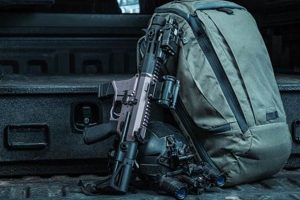
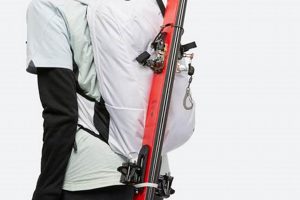
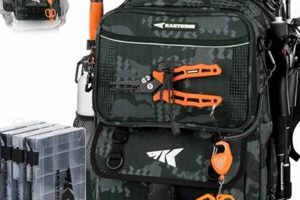
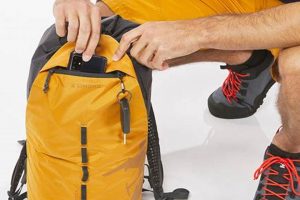
A specialized carrying system designed for hunters, this equipment integrates the storage capabilities of a backpack with a secure attachment mechanism for transporting a hunting rifle. This configuration allows for hands-free movement across diverse terrains, improving safety and efficiency during hunting expeditions. For example, it enables a hunter to navigate dense forest while keeping their firearm readily accessible yet safely stowed.
The primary benefit of such a system lies in its ability to distribute the weight of hunting gear, including the rifle, evenly across the user’s back, reducing strain and fatigue during extended periods in the field. Historically, hunters relied on slings or carrying the rifle directly, leading to discomfort and potentially compromising their aim. The development of integrated backpacks has addressed these issues, enhancing mobility and readiness.
The following sections will delve into the key features to consider when selecting such a backpack, the different types available, and factors that impact its suitability for various hunting scenarios.
Selecting a Specialized Hunting Backpack
Considerations during the selection process are vital to ensure optimal performance and safety in the field. The following tips outline important factors to evaluate when choosing a hunting backpack designed to carry a rifle.
Tip 1: Assess Capacity Requirements: Evaluate the volume needed to accommodate essential hunting gear, including ammunition, optics, survival equipment, and harvested game. A day trip may require a smaller capacity, while multi-day excursions necessitate larger backpacks.
Tip 2: Examine Rifle Attachment Security: Scrutinize the rifle holder mechanism for robustness and secure retention. The system must prevent slippage or unintended dislodgement of the firearm during movement across challenging terrain. Straps, cradles, or specialized compartments should be tested for stability.
Tip 3: Evaluate Weight Distribution and Comfort: Prioritize backpacks with adjustable torso lengths, padded shoulder straps, and supportive hip belts. Proper weight distribution minimizes strain on the back and shoulders, allowing for prolonged periods of comfortable carrying.
Tip 4: Consider Material Durability and Weather Resistance: Opt for backpacks constructed from durable, water-resistant materials such as nylon or canvas. Reinforcements at stress points, such as seams and attachment points, extend the lifespan of the pack.
Tip 5: Analyze Accessibility of Features: Evaluate the accessibility of compartments and pockets while wearing the backpack. Quick access to frequently used items, such as ammunition or rangefinders, enhances efficiency in the field.
Tip 6: Evaluate Camouflage and Noise Reduction: Depending on the hunting environment, consider backpacks with appropriate camouflage patterns to minimize visibility. Ensure that materials do not produce excessive noise during movement, which could alert game.
Tip 7: Check for Hydration Compatibility: Integration of a hydration reservoir or easy access to water bottle pockets is crucial for maintaining hydration during strenuous activity. Consider the bladder capacity and ease of refilling.
Selecting a pack demands careful assessment of individual hunting needs and preferences. The optimal pack balances comfort, functionality, durability, and safety.
The subsequent discussion will focus on comparing specific models and brands available in the market, considering the criteria outlined above.
1. Weight Distribution

Weight distribution is a primary factor in evaluating a hunting backpack with a rifle holder. Proper distribution minimizes strain, enhances stability, and allows for prolonged periods of comfortable carrying, ultimately impacting hunting performance and safety.
- Torso Length Adjustment
Torso length adjustment allows the user to customize the backpack’s fit to their individual body dimensions. A pack designed without regard to torso length concentrates weight improperly, leading to shoulder and back pain. A pack correctly fitted evenly distributes the load from shoulders to hips, improving balance and reducing fatigue.
- Hip Belt Functionality
The hip belt transfers a significant portion of the pack’s weight from the shoulders to the hips, the strongest weight-bearing structure in the human body. A padded, well-constructed hip belt is vital for carrying heavy loads. Inadequate hip belt design or improper usage will render the system less effective, resulting in upper body strain and decreased endurance.
- Load Stabilization Straps
Load stabilization straps, typically located at the top of the shoulder straps, pull the upper portion of the pack closer to the body. This prevents the load from shifting during movement, enhancing stability and balance, especially when navigating uneven or steep terrain. Absence or improper adjustment of these straps compromises stability and increases the risk of falls.
- Internal Frame Design
The internal frame provides structural support to the backpack, maintaining its shape and distributing weight effectively. A well-designed frame transfers weight to the hip belt while preventing sagging or distortion of the pack. Insufficient framing can lead to uneven weight distribution and discomfort, particularly when carrying heavy or awkwardly shaped loads.
A hunting backpack lacking the features listed above undermines the very purpose it is intended to serve. Choosing a model that prioritizes weight distribution, by incorporating adjustable elements and a robust frame, is essential for hunters who require comfortable and efficient load carriage.
2. Rifle Security

Rifle security represents a critical aspect of any hunting backpack intended for firearm transport. The connection between a secure rifle carriage system and the functionality of a hunting backpack is direct: inadequate rifle security compromises safety, hinders mobility, and potentially endangers the hunter and others in the vicinity. A poorly designed retention system can lead to accidental firearm dislodgement during movement, resulting in damage to the weapon, potential injury, or, in the worst-case scenario, an unintentional discharge.
Effective rifle security involves several elements. Secure attachment points, robust straps, and, in some cases, a locking mechanism are essential to ensure the firearm remains firmly in place regardless of terrain or activity level. For example, a hunter traversing steep inclines or dense brush requires assurance that the rifle will not shift or fall. Moreover, a properly secured rifle frees the hunter’s hands for navigation, glassing, or other essential tasks. Some backpacks incorporate enclosed scabbards with retention straps, while others utilize external attachment systems designed for quick access. Both designs must prioritize preventing movement or slippage of the firearm.
Ultimately, the level of rifle security directly affects the backpack’s overall utility and safety rating. A “best hunting backpack” must prioritize secure and reliable rifle retention as a fundamental design principle. Compromising this aspect negates the benefits of other features, such as comfortable weight distribution and ample storage. Choosing a backpack with a proven, well-designed rifle carriage system mitigates risk and contributes to a safer and more efficient hunting experience.
3. Storage Capacity

Storage capacity represents a critical determinant of the utility and effectiveness of a hunting backpack integrated with a rifle holder. The ability to efficiently and securely carry necessary gear directly impacts the hunter’s preparedness, comfort, and overall success in the field.
- Volume Allocation
The allocation of volume within a hunting backpack dictates its versatility. A backpack offering multiple compartments, pockets, and attachment points allows for the segregation of essential gear. For example, dedicated compartments for ammunition, optics, and communication devices ensure rapid accessibility, while separate compartments for clothing, food, and first-aid supplies prevent contamination and maintain organization. Insufficient or poorly designed volume allocation leads to inefficient packing and difficulty locating critical items.
- Load Management
Storage capacity directly influences the ability to manage the carried load effectively. A backpack with ample storage space facilitates proper weight distribution, preventing imbalances that can lead to fatigue and injury. External attachment points for items such as sleeping bags or tripods enable the distribution of weight away from the main compartment, optimizing balance and reducing strain. Inadequate storage capacity necessitates the overloading of the main compartment, resulting in discomfort and compromised mobility.
- Mission-Specific Adaptability
Varying hunting scenarios require different storage capacities. A day hunt may necessitate a smaller backpack with minimal storage, while a multi-day excursion demands a larger pack capable of accommodating shelter, cooking equipment, and additional supplies. A “best hunting backpack” adapts to diverse mission requirements through modular designs, adjustable compartments, or the option to attach external storage pouches. A backpack that fails to adapt to specific mission requirements compromises the hunter’s preparedness and self-sufficiency.
- Integration with Rifle Carry System
The design of the storage compartments must integrate seamlessly with the rifle carry system. Interference between storage compartments and the rifle attachment mechanism can hinder accessibility, compromise rifle security, or create discomfort. A well-designed backpack optimizes the placement of storage compartments to avoid obstructing the rifle while ensuring rapid access to essential gear. Failure to integrate these two functions results in a cumbersome and inefficient carrying system.
Ultimately, the optimal storage capacity of a hunting backpack represents a balance between the hunter’s needs, the duration of the hunt, and the weight and bulk of the required gear. A “best hunting backpack” prioritizes efficient volume allocation, effective load management, mission-specific adaptability, and seamless integration with the rifle carry system, contributing to a more comfortable, safer, and successful hunting experience.
4. Material Durability

Material durability forms a cornerstone of a reliable and effective hunting backpack incorporating a rifle holder. The hunting environment frequently exposes equipment to harsh conditions, including abrasive surfaces, inclement weather, and potential impacts. A hunting backpack lacking robust material construction is prone to failure, jeopardizing the safety of the firearm, damaging essential gear, and potentially leaving the hunter stranded or vulnerable. For example, a backpack constructed from lightweight, non-reinforced fabric is susceptible to tearing when exposed to sharp rocks or dense vegetation, rendering it unsuitable for demanding hunting expeditions.
The selection of durable materials directly impacts the backpack’s longevity and performance. High-denier nylon or reinforced canvas, for instance, offer enhanced resistance to abrasion, tearing, and water penetration. Furthermore, quality stitching, reinforced stress points, and durable hardware components, such as zippers and buckles, contribute to the overall resilience of the backpack. Consider a scenario where a hunter is miles from civilization, relying on their backpack to carry essential survival equipment; failure of the backpack’s material due to inadequate durability could have severe consequences. The materials properties directly dictate the backpack’s ability to withstand the stresses encountered during typical hunting activities.
In conclusion, material durability is not merely a desirable feature; it is a fundamental requirement for a hunting backpack with a rifle holder intended for use in challenging environments. The investment in a backpack constructed from high-quality, durable materials translates directly into increased reliability, enhanced safety, and prolonged lifespan, thereby mitigating risks and maximizing the overall value of the equipment. Prioritizing material durability ensures that the backpack will withstand the rigors of the hunt, safeguarding both the hunter and their essential gear.
5. Accessibility

Accessibility, in the context of a hunting backpack with a rifle holder, refers to the ease and speed with which a hunter can retrieve essential items and access the firearm when needed. This encompasses the design of compartments, the placement of pockets, and the overall organization of the pack. Efficient accessibility directly translates into improved reaction time during critical hunting scenarios and reduces the risk of missed opportunities or dangerous situations. For instance, a hunter encountering unexpected game requires immediate access to ammunition, binoculars, or a rangefinder; a poorly designed pack forces them to fumble, potentially alerting the animal or compromising a shot. Conversely, a well-organized pack with readily accessible compartments facilitates quick and efficient retrieval, increasing the likelihood of a successful hunt.
The rifle holder itself significantly impacts accessibility. A design that allows for rapid deployment of the rifle, while simultaneously ensuring secure retention, is paramount. This might involve quick-release mechanisms or strategically positioned straps that enable swift access without requiring the complete removal of the backpack. Furthermore, the accessibility of the rifle must not impede access to other essential gear. A design flaw where retrieving the rifle blocks access to a first-aid kit or communication device undermines the overall functionality of the backpack. The placement and design of compartments intended for frequently used items, such as calls, knives, or water bottles, must be carefully considered to ensure they can be accessed without undue effort or distraction. Effective accessibility, therefore, requires a holistic design approach that integrates all components of the backpack into a cohesive and user-friendly system.
Ultimately, accessibility is a vital element determining the practicality and efficiency of a hunting backpack. Compromising on accessibility undermines the benefits of other features, such as storage capacity or durability. The optimal backpack prioritizes intuitive design, strategic compartment placement, and seamless integration of the rifle holder, ensuring that the hunter can rapidly access essential items and the firearm when required. Prioritizing accessibility enhances the hunter’s readiness, improves reaction time, and contributes to a safer and more successful hunting experience.
Frequently Asked Questions
The following questions address common concerns and provide informative answers regarding hunting backpacks equipped with rifle holders.
Question 1: What constitutes a secure rifle carrying system on a hunting backpack?
A secure system typically incorporates adjustable straps, a molded scabbard, or a combination of both. The design must firmly retain the rifle, preventing movement during rigorous activity and minimizing the risk of accidental dislodgement.
Question 2: How does storage capacity impact the overall functionality of this type of backpack?
Adequate storage is essential for carrying necessary hunting gear, including ammunition, optics, survival equipment, and harvested game. The appropriate capacity depends on the duration and nature of the hunting expedition.
Question 3: What materials are most suitable for constructing a durable hunting backpack?
High-denier nylon, reinforced canvas, and water-resistant coatings are commonly used to withstand the harsh conditions encountered during hunting. Robust stitching and durable hardware are also critical for long-term reliability.
Question 4: How is weight distribution optimized in a hunting backpack with a rifle holder?
Adjustable torso lengths, padded shoulder straps, and a supportive hip belt are key features. Proper weight distribution minimizes strain on the back and shoulders, allowing for prolonged periods of comfortable carrying.
Question 5: What are the critical considerations for ensuring accessibility of gear while using this type of backpack?
Strategically placed compartments, quick-access pockets, and a design that allows for easy retrieval of essential items are vital. The rifle holder should not obstruct access to other necessary gear.
Question 6: How does camouflage affect the effectiveness of a hunting backpack?
Appropriate camouflage patterns minimize visibility in the hunting environment, reducing the risk of alerting game. Selection of a pattern that matches the terrain is crucial for optimal concealment.
Careful consideration of these questions ensures the selection of a hunting backpack that meets individual needs and enhances the hunting experience.
The next section will address maintenance and care to prolong the lifespan of the selected backpack.
Conclusion
The preceding analysis has examined key features and considerations for selecting the best hunting backpack with rifle holder. Optimal choices depend on a balance of factors, including storage capacity, rifle security, material durability, weight distribution, and accessibility. Prioritizing these elements ensures a secure, comfortable, and efficient hunting experience.
Selecting the appropriate backpack is an investment in safety and performance. Hunters are encouraged to carefully assess individual needs and hunting environments to make informed decisions. A well-chosen backpack enhances preparedness and contributes to responsible hunting practices.