The focus here is a specific type of bag designed for the efficient and comfortable transport of belongings during journeys. These specialized carrying solutions often feature dedicated compartments for electronics, clothing, and other travel necessities. A common example is a model engineered to accommodate laptops, tablets, and accessories, while providing ample space for personal items needed on a short trip.
Such items offer advantages over traditional luggage and shoulder bags, including improved weight distribution and increased organization. The structured design and multiple pockets facilitate easy access to frequently used items like passports, boarding passes, and water bottles. Their development reflects a growing demand for versatile and ergonomic travel gear that supports both professional and leisure pursuits.
The following sections will delve deeper into specific design elements, material considerations, and selection criteria relevant to choosing the right one for individual needs, highlighting features that enhance both convenience and security during travel.
Optimizing the Use of a Travel Backpack
This section provides guidelines to maximize the utility and longevity of specialized travel carrying solutions, ensuring they remain an efficient and reliable asset for frequent travelers.
Tip 1: Prioritize Weight Distribution. When loading, heavier items should be placed closer to the wearer’s back and towards the center. This minimizes strain and improves balance during movement. An example is positioning a laptop directly against the back panel, rather than in an outer pocket.
Tip 2: Utilize Compression Straps Effectively. These straps are designed to reduce bulk and stabilize the load. Ensure straps are tightened appropriately to prevent items from shifting during transit, particularly when the pack is not fully loaded.
Tip 3: Protect Electronic Devices Adequately. Employ padded sleeves or compartments specifically designed for electronics. Consider waterproof or water-resistant covers to safeguard against accidental spills or inclement weather. A dedicated tablet sleeve within the main compartment offers sufficient protection.
Tip 4: Employ Packing Cubes for Organization. Packing cubes separate clothing and other items into distinct units. This facilitates efficient packing, reduces wrinkles, and allows for easy retrieval of specific items without disrupting the entire contents of the pack. Utilizing different colored cubes can streamline the search for specific items.
Tip 5: Secure Valuables Discreetly. Use interior zippered pockets or hidden compartments to store passports, wallets, and other valuable items. Avoid placing valuables in easily accessible exterior pockets, which are more vulnerable to theft.
Tip 6: Inspect Zippers and Seams Regularly. Check for signs of wear and tear on zippers, seams, and straps. Prompt repair of any damage will prevent further degradation and ensure the pack’s continued functionality. Pay particular attention to the stitching around stress points, such as the shoulder strap attachments.
Tip 7: Clean the Pack Periodically. Regular cleaning removes dirt, grime, and spills that can damage the fabric and zippers. Refer to the manufacturer’s instructions for appropriate cleaning methods. Avoid harsh chemicals or abrasive cleaners that could compromise the pack’s materials.
By following these guidelines, individuals can enhance the functionality and extend the lifespan of the focused travel solution, making journeys more organized and convenient. These practices contribute to a more streamlined and secure travel experience.
The subsequent section will explore the variety of available models, focusing on specific use cases and key features to consider when making a purchase.
1. Durability

Durability is a primary attribute in the context of specialized travel carrying solutions. The ability of a pack to withstand the demands of frequent transport, varying environments, and potential rough handling directly impacts its longevity and value proposition.
- Material Composition and Construction
The materials employed in the construction of a pack heavily influence its overall resilience. High-denier nylon or polyester fabrics offer resistance to abrasion, tears, and water damage. Reinforced stitching at stress points, such as shoulder strap attachments and zipper junctions, enhances structural integrity. The selection of durable materials and robust construction methods ensures the pack can withstand the stresses of travel.
- Hardware Components
Zippers, buckles, and clasps represent critical hardware components prone to failure under stress. The use of high-quality zippers from reputable manufacturers, often constructed from metal rather than plastic, improves resistance to breakage and ensures smooth operation. Similarly, durable buckles and clasps made from robust polymers or metal alloys contribute to the pack’s overall reliability. The quality of these components is essential for preventing functional breakdowns during transit.
- Resistance to Environmental Factors
Exposure to diverse environmental conditions, including rain, sun, and extreme temperatures, can degrade a pack’s materials over time. Water-resistant coatings or waterproof fabrics protect the contents from moisture damage. UV-resistant treatments prevent fading and degradation of the fabric due to prolonged sun exposure. The ability to withstand varying environmental factors contributes to the pack’s long-term durability and protects the contents from damage.
- Load-Bearing Capacity and Weight Distribution
A durable pack must be capable of supporting the intended load without structural failure. Reinforced frames or internal support systems distribute weight evenly, reducing strain on specific areas of the pack. Exceeding the pack’s recommended weight capacity can lead to premature wear and tear, zipper failure, or strap breakage. A well-designed pack with appropriate load-bearing capacity ensures that it can carry the required items safely and reliably.
The interplay of these durability factors directly affects the lifespan and performance of a travel-oriented carrying solution. Investment in a pack constructed with durable materials, robust hardware, and resistance to environmental factors ensures reliable performance over extended periods, minimizing the need for frequent replacements and protecting valuable contents during transit.
2. Capacity
Capacity, in relation to specialized travel-oriented carrying solutions, is a critical determinant of functionality and suitability. It dictates the volume of items that can be accommodated, directly influencing the pack’s utility for various trip durations and purposes.
- Internal Volume and Dimensions
Internal volume, typically measured in liters, establishes the overall space available for packing. Dimensions dictate the size and shape of the internal compartment, influencing the types of items that can be comfortably accommodated. A model with a higher volume may be suitable for extended trips, while a smaller model prioritizes compactness and portability. Examples include models designed to meet carry-on size restrictions, limiting their overall volume, and larger models offering greater packing space for longer journeys. The selection of appropriate internal volume and dimensions is crucial for accommodating the necessary items without exceeding size or weight limits.
- Compartmentalization and Organization
The internal organization of a pack significantly impacts its effective capacity. Dedicated compartments, pockets, and dividers facilitate the efficient segregation and storage of different types of items. A well-organized pack maximizes usable space by preventing items from shifting and compressing each other. For instance, a separate laptop compartment prevents the device from occupying space intended for clothing, and strategically placed pockets allow for easy access to frequently used items without disturbing the main contents. The design of the internal layout optimizes the utilization of available space.
- External Attachment Points and Expansion
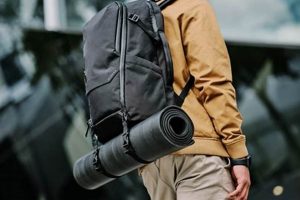
External attachment points, such as loops and straps, allow for the secure carrying of items outside the main compartment. This expands the overall carrying capacity without increasing the internal volume. Examples include straps for securing a tripod or sleeping bag, and loops for attaching water bottles or other accessories. Some models incorporate expandable compartments, providing additional volume when needed. These external features enhance versatility and allow for the transport of items that may not fit within the main compartment.
- Weight Considerations and Load Management
While a higher capacity may seem desirable, it’s essential to consider the impact on weight and load management. Overloading a pack can compromise its durability and comfort, leading to strain and potential damage. The design of the suspension system and weight distribution features plays a crucial role in managing the load effectively. A pack with a robust suspension system and well-padded straps can distribute weight evenly, reducing strain on the shoulders and back. The relationship between capacity, weight, and load management determines the pack’s overall usability and comfort during extended periods of travel.
The evaluation of capacity, considering internal volume, organization, external attachment options, and weight management, is integral to selecting a travel-oriented carrying solution that effectively meets individual needs. A balanced approach ensures that the pack accommodates the necessary items while remaining comfortable, manageable, and durable throughout the journey.
3. Organization

Effective organization is paramount in the design and utility of specialized travel carrying solutions. The internal structure and compartmentation directly influence accessibility, efficiency, and the protection of contents during transit. A well-organized pack streamlines the travel experience, reducing time spent searching for specific items and minimizing the risk of damage.
- Dedicated Compartments for Electronics
Specifically designed compartments provide secure and padded storage for laptops, tablets, and other electronic devices. These compartments often feature soft linings to prevent scratches and impact protection to mitigate damage from bumps and drops. The separation of electronics from other items, such as clothing and toiletries, minimizes the risk of liquid spills or other accidental damage. Dedicated compartments facilitate quick access at security checkpoints, streamlining the screening process.
- Specialized Pockets for Accessories
A variety of specialized pockets offer designated storage for smaller accessories, such as chargers, cables, adapters, and pens. These pockets often feature elasticized loops or zippered closures to secure items and prevent them from shifting during transport. Designated accessory pockets prevent small items from becoming lost or tangled within the main compartment, enhancing overall organization and accessibility.
- Internal Dividers and Packing Cubes
Internal dividers create separate sections within the main compartment, allowing for the categorization and segregation of different types of items. Packing cubes further enhance organization by compressing clothing and creating distinct units within the pack. The use of packing cubes facilitates efficient packing, reduces wrinkles, and simplifies the retrieval of specific items without disturbing the entire contents. Internal dividers and packing cubes maximize usable space and promote a more organized packing system.
- Quick-Access Pockets for Essential Items
Strategically placed quick-access pockets provide convenient storage for essential items that require frequent retrieval, such as passports, boarding passes, wallets, and phones. These pockets are typically located on the exterior of the pack or within easy reach, allowing for swift access without the need to open the main compartment. Secure closures, such as zippers or magnetic snaps, prevent items from falling out or being accessed by unauthorized individuals. Quick-access pockets enhance efficiency and convenience during travel, minimizing delays and streamlining essential tasks.
The organizational features detailed above are integral to the effective utilization of the specified carrying solution. These design elements contribute to a more streamlined and efficient travel experience, promoting accessibility, protection, and overall convenience for the user.
4. Comfort

Comfort, as it pertains to travel carrying solutions, is a crucial factor influencing the overall user experience and potentially mitigating physical strain associated with prolonged carrying. Design elements contributing to comfort are essential considerations in the selection process.
- Ergonomic Shoulder Strap Design
The design of shoulder straps significantly affects weight distribution and reduces pressure points on the shoulders and neck. Contoured straps conform to the natural curvature of the body, while padding provides cushioning and minimizes friction. Wider straps distribute weight over a larger surface area, reducing concentrated pressure. Adjustable straps allow for customization to individual body types and carrying preferences. Improperly designed straps can lead to discomfort, muscle fatigue, and potential long-term musculoskeletal issues.
- Ventilated Back Panel Construction
A ventilated back panel promotes airflow and reduces perspiration buildup between the pack and the wearer’s back. Mesh panels or channels create space for air circulation, dissipating heat and moisture. This design element enhances comfort, particularly during warm weather or strenuous activity. Insufficient ventilation can lead to discomfort, skin irritation, and increased body temperature. The effectiveness of the ventilation system directly impacts the user’s comfort level during extended periods of wear.
- Adjustable Torso Length and Hip Belt Support
Adjustable torso length allows the pack to be customized to the individual’s body height, ensuring proper weight distribution and load transfer. A hip belt transfers a portion of the pack’s weight from the shoulders to the hips, reducing strain on the upper body. Padded hip belts provide cushioning and prevent friction against the hips. Proper adjustment of torso length and hip belt support optimizes weight distribution and enhances comfort, particularly when carrying heavier loads. The absence of these features can lead to imbalances, discomfort, and potential injury.
- Weight Distribution and Load Stabilization
The internal structure and design of the pack influence weight distribution and load stabilization. Strategically placed compartments and compression straps prevent items from shifting during movement, maintaining a stable center of gravity. A well-designed pack distributes weight evenly across the shoulders, back, and hips, reducing strain on specific muscle groups. Improper weight distribution can lead to imbalances, discomfort, and increased energy expenditure. Effective load stabilization minimizes swaying and bouncing, enhancing comfort and reducing the risk of injury.
These facets of comfort, encompassing ergonomic design, ventilation, adjustability, and weight distribution, are integral to the overall suitability of specialized carrying solutions. Attention to these factors ensures that the solution is not only functional but also promotes well-being during transit.
5. Security

Security is a paramount concern when evaluating travel-oriented carrying solutions. The ability to protect belongings from theft, damage, and unauthorized access directly influences the suitability and peace of mind afforded by such products.
- Lockable Zipper Systems
Lockable zipper systems represent a primary security feature, deterring opportunistic theft and preventing unauthorized access to the pack’s contents. These systems typically involve interlocking zippers that can be secured with a small padlock. While not impenetrable, lockable zippers significantly increase the effort required for forced entry, discouraging casual theft attempts. The presence of lockable zippers provides a visible deterrent and reinforces the security of valuable items stored within the pack.
- Hidden Compartments and RFID Blocking Pockets
Hidden compartments offer discreet storage for valuable items, such as passports, wallets, and electronic devices. These compartments are often concealed within the pack’s lining or behind other features, making them difficult to locate without specific knowledge. RFID (Radio-Frequency Identification) blocking pockets protect electronic data stored on passports and credit cards from unauthorized scanning. These pockets are lined with a material that blocks RFID signals, preventing electronic pickpocketing. The combination of hidden compartments and RFID blocking technology provides enhanced security for sensitive information and valuable possessions.
- Durable and Tamper-Resistant Materials
The materials used in the construction of the pack contribute to its overall security. Durable fabrics, such as high-denier nylon or polyester, resist slashing and tearing, deterring attempts to gain access by force. Tamper-resistant zippers and seams further enhance security by making it more difficult to open the pack without detection. Reinforced construction and robust materials provide a physical barrier against unauthorized access, protecting the contents from theft and damage.
- Secure Attachment Systems and Anti-Theft Straps
Secure attachment systems, such as reinforced loops and locking carabiners, prevent the pack from being easily snatched or removed from the wearer. Anti-theft straps, often incorporating wire cables or cut-resistant materials, further deter theft by making it more difficult to sever the straps. These features are particularly useful in crowded environments or areas with a high risk of petty theft. Secure attachment systems and anti-theft straps provide an additional layer of protection against theft and enhance the overall security of the pack.
The integration of these security featureslockable zippers, hidden compartments, durable materials, and secure attachment systemsenhances the protective capabilities of travel-oriented carrying solutions. While no system is foolproof, the presence of these features significantly reduces the risk of theft and unauthorized access, providing travelers with increased peace of mind and protecting their valuable belongings.
6. Portability
Portability is a fundamental attribute directly influencing the utility of travel carrying solutions. The ease with which the specified bag can be transported, whether carried by hand or integrated with other luggage, dictates its suitability for various travel scenarios. A trade-off frequently exists between internal volume and portability; larger packs, while offering increased capacity, inherently compromise maneuverability and ease of handling.
The design factors contributing to portability include overall weight, dimensions compliant with airline carry-on restrictions, and the presence of features facilitating integration with wheeled luggage. A lighter pack reduces physical strain during transport, especially over long distances or through crowded environments. Dimensions adhering to standard carry-on sizes prevent the need for checked baggage, mitigating potential delays and loss. A luggage pass-through sleeve allows the pack to be securely attached to the handle of a rolling suitcase, consolidating luggage and simplifying navigation through airports or train stations. Examples include packs designed for quick transitions between backpack mode and briefcase mode, optimizing usability in professional settings, or those equipped with compression straps to minimize volume when partially filled, enhancing maneuverability.
Understanding the interplay between capacity, weight, dimensions, and integration features is crucial in selecting a travel solution that effectively balances storage needs with ease of transport. Prioritizing portability contributes to a more streamlined and efficient travel experience, minimizing physical strain and facilitating seamless transitions between various modes of transportation. A well-considered approach to portability enhances the overall utility and value of the travel solution, addressing the practical requirements of modern travel.
7. Protection

The concept of “protection” is intrinsically linked to specialized travel carrying solutions. The primary function of such a bag extends beyond mere transport; it encompasses safeguarding the contents from a spectrum of potential hazards encountered during transit. This protection is a key differentiator, influencing purchase decisions and determining the suitability of a given model for specific travel needs. The failure to adequately protect belongings can result in damage, loss, or theft, leading to financial loss, inconvenience, and compromised security. For example, inadequate padding within a laptop compartment can render a device vulnerable to impact damage, while a lack of water resistance exposes contents to potential ruin from spills or inclement weather. The integration of protective features directly mitigates these risks, enhancing the overall value and utility of the travel solution.
The level and type of protection afforded by a carrying solution are determined by various factors, including material selection, construction techniques, and incorporated design elements. High-denier fabrics, reinforced stitching, and water-resistant coatings contribute to physical durability and resistance to environmental elements. Padded compartments, secure closures, and hidden pockets provide protection against impact damage, theft, and unauthorized access. Real-world examples include photographers relying on specialized packs with customizable dividers to safeguard delicate camera equipment during transport, or business travelers utilizing RFID-blocking pockets to protect sensitive data stored on passports and credit cards. The effectiveness of these protective measures directly correlates to the reliability and functionality of the solution under diverse travel conditions.
In conclusion, the “protection” afforded by a specialized travel solution is not merely a desirable attribute but an essential component. It is a direct determinant of the product’s value, utility, and suitability for specific travel needs. Challenges remain in balancing protective features with portability, weight, and aesthetic considerations. However, a comprehensive understanding of the interplay between these factors is critical for making informed purchasing decisions and maximizing the benefits of a travel-oriented carrying solution. This understanding links directly to the broader theme of ensuring a safe, efficient, and stress-free travel experience.
Frequently Asked Questions
This section addresses common inquiries and misconceptions concerning the selection, use, and maintenance of specialized travel carrying solutions.
Question 1: What distinguishes a specialized travel carrying solution from a standard backpack?
A focused travel carrying solution incorporates features specifically designed for the demands of travel, such as dedicated compartments for electronics, optimized weight distribution for comfortable carrying, and security features like lockable zippers. Standard backpacks often lack these specialized attributes.
Question 2: How does capacity selection influence the suitability of a travel carrying solution for different trip durations?
Capacity, typically measured in liters, dictates the volume of items that can be accommodated. Shorter trips necessitate lower capacity packs, prioritizing portability, whereas longer trips require higher capacity packs to accommodate a greater volume of clothing, equipment, and supplies.
Question 3: What materials contribute most significantly to the durability of a travel carrying solution?
High-denier nylon or polyester fabrics offer enhanced resistance to abrasion, tears, and water damage. Reinforced stitching at stress points further enhances structural integrity, contributing to the overall longevity of the pack.
Question 4: How do organizational features impact the efficiency of a travel carrying solution?
Dedicated compartments for electronics, specialized pockets for accessories, and internal dividers facilitate the segregation and secure storage of various items. This organization streamlines packing and retrieval, enhancing overall efficiency during travel.
Question 5: What security measures are commonly incorporated into travel carrying solutions to deter theft?
Lockable zippers, hidden compartments, and RFID-blocking pockets are commonly integrated security features. These measures deter opportunistic theft and protect sensitive data stored on electronic devices and identification documents.
Question 6: How does proper weight distribution enhance comfort when carrying a fully loaded travel carrying solution?
Placing heavier items closer to the wearer’s back and utilizing compression straps to stabilize the load minimizes strain and improves balance. Ergonomic shoulder straps and a supportive hip belt further contribute to comfortable weight distribution.
These FAQs provide a foundational understanding of key considerations when selecting and utilizing travel carrying solutions. The informed application of this knowledge contributes to a more streamlined and secure travel experience.
The subsequent section will provide guidelines for the proper care and maintenance of travel carrying solutions, maximizing their lifespan and performance.
Conclusion
This exploration has delineated the key attributes of the specified travel solution, emphasizing the interplay between durability, capacity, organization, comfort, security, portability, and protection. An informed selection necessitates a careful assessment of individual travel needs and a rigorous evaluation of product specifications.
The ongoing evolution of travel requirements demands continuous innovation in carrying solutions. Prioritizing quality construction and thoughtful design remains crucial for ensuring reliable performance and long-term user satisfaction. Careful consideration of these factors will prove essential in navigating the complexities of modern travel.

![Top-Rated Best Travel Work Backpack [For Pros] | Ultimate Backpack Traveler Guide: Tips, Destinations & Budget Hacks](https://backpack-traveler.com/wp-content/uploads/2026/01/th-486-300x200.jpg "Top-Rated Best Travel Work Backpack [For Pros] Ultimate Backpack Traveler Guide: Tips, Destinations & Budget Hacks")