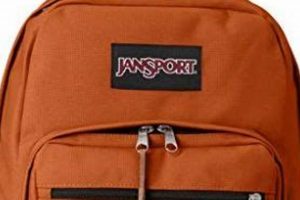
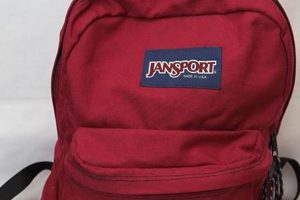
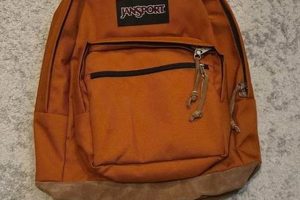
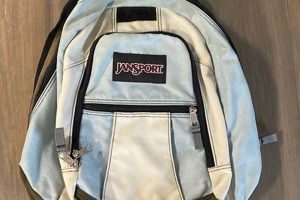
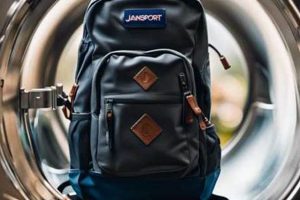
The central question revolves around the cleanability of a ubiquitous type of carrying bag produced by JanSport. Determining the appropriateness of laundering this item is crucial for maintaining hygiene and extending its lifespan. Many owners inquire about suitable cleaning methods to remove dirt, stains, and odors that accumulate with regular use.
Understanding the construction materials and design of the backpack is vital. Different materials react uniquely to various cleaning agents and techniques. Improper cleaning can lead to discoloration, damage to the fabric, or weakening of seams. Consequently, verifying the manufacturer’s recommendations and following specific guidelines will preserve the bag’s integrity.
Therefore, subsequent discussion will explore recommended cleaning procedures, detailing both hand-washing and machine-washing techniques where appropriate. Furthermore, it will address specific stain removal approaches and drying methods, ensuring the backpack remains functional and aesthetically pleasing after cleaning.
Cleaning Considerations for JanSport Backpacks
Maintaining a JanSport backpack requires adherence to specific cleaning protocols to ensure longevity and prevent damage. Employing the following strategies contributes to effective cleaning and preservation of the item.
Tip 1: Check the Care Label. Prior to any cleaning attempt, examine the backpack’s care label. The manufacturer’s instructions often provide essential guidelines regarding suitable cleaning methods and potential limitations.
Tip 2: Empty all Compartments. Before washing, thoroughly empty all pockets and compartments. This includes removing loose items, pens, and any debris that may hinder the cleaning process or damage the washing machine.
Tip 3: Spot Clean First. Address any visible stains or heavily soiled areas with a mild detergent and a soft cloth. Pre-treating specific spots can prevent them from setting permanently during the main cleaning cycle.
Tip 4: Hand Wash if Possible. Hand-washing is generally the safest method for cleaning JanSport backpacks. Use a tub or large sink filled with cool water and a gentle detergent. Submerge the backpack and gently scrub with a soft brush or cloth.
Tip 5: Machine Wash with Caution. If machine washing is deemed necessary, place the backpack inside a mesh laundry bag to protect it from excessive agitation. Use a delicate cycle with cold water and a mild detergent. Avoid using bleach or fabric softeners.
Tip 6: Rinse Thoroughly. After washing, ensure all traces of detergent are removed by rinsing the backpack thoroughly with clean water. Residual detergent can attract dirt and leave a sticky residue.
Tip 7: Air Dry Only. Avoid placing the backpack in a dryer, as high heat can damage the fabric and hardware. Hang the backpack upside down in a well-ventilated area to air dry completely. Ensure it is dry before storing to prevent mildew growth.
Consistent application of these techniques will contribute significantly to maintaining the appearance and functionality of a JanSport backpack, extending its useful life.
The subsequent section will provide details on repairing damaged jansport backpacks.
1. Material Composition

The material composition of a JanSport backpack is a primary determinant in assessing its washability. The types of fabrics used significantly influence how the backpack responds to various cleaning methods and agents. Therefore, understanding these materials is essential before attempting any cleaning procedure.
- Nylon and Polyester Fabric Resistance
JanSport backpacks are commonly constructed from nylon or polyester, known for their durability and water resistance. These synthetic fabrics generally withstand washing relatively well. However, high temperatures or harsh chemicals can still cause damage, such as weakening the fabric or fading colors. Therefore, gentle washing cycles and mild detergents are recommended.
- Coated Fabrics and Waterproofing
Some JanSport backpacks feature coatings, such as polyurethane (PU), to enhance water resistance. Washing these backpacks requires extra caution, as harsh detergents or vigorous scrubbing can degrade the coating, diminishing its effectiveness. Hand washing with a gentle soap is often the preferred method to preserve the integrity of the waterproof layer.
- Canvas and Natural Fiber Considerations
While less common, some JanSport models may incorporate canvas or other natural fibers. These materials can shrink or lose their shape when washed, especially in hot water. Additionally, natural fibers may be more prone to color bleeding. Cold water and gentle hand washing are crucial to minimize these risks.
- Hardware and Trim Material Impact
The composition of zippers, buckles, and other trim materials also plays a role. Metal components may rust or corrode if exposed to harsh chemicals or prolonged moisture. Plastic parts can become brittle or crack under high heat. Therefore, it is important to consider the impact of washing on these non-fabric elements of the backpack.
In summary, the decision on whether a JanSport backpack can be washed depends significantly on its material composition. Careful consideration of the fabric types, coatings, and hardware materials, along with adherence to appropriate washing techniques, is essential to maintain the backpack’s condition and prolong its lifespan. Ignoring these factors could result in irreversible damage to the backpack.
2. Care Label Instructions

Care label instructions are directly linked to the ability to wash a JanSport backpack. The care label serves as the manufacturer’s official recommendation for cleaning, providing critical guidance on suitable methods. Failure to adhere to these instructions can result in irreversible damage to the backpack’s materials and construction.
For instance, a care label might specify “hand wash only” due to delicate components or water-sensitive coatings. Attempting to machine wash a backpack with such a label could lead to the delamination of waterproofing layers or the disintegration of certain fabrics. Conversely, a label permitting machine washing often includes stipulations such as “cold water” or “gentle cycle,” reflecting the fabric’s tolerance for mechanical agitation. Ignoring these specifications may cause color fading or structural weakening. Real-world examples abound where ignoring care labels has resulted in significantly shortened lifespan of the backpack.
In conclusion, the information on the care label is indispensable for determining if a JanSport backpack can be safely washed and how to proceed. It mitigates risks associated with improper cleaning, preserving the backpack’s appearance and functionality. Treating the care label as an integral component of the washing process is a practical and proactive approach to backpack maintenance, ensuring its longevity and sustained usability.
3. Washing Method Suitability

The choice of washing method significantly impacts the feasibility of cleaning a JanSport backpack without causing damage. Selecting an appropriate technique is paramount, as improper methods can degrade the material and compromise the backpack’s structural integrity.
- Hand Washing Techniques
Hand washing offers a gentle approach suitable for delicate materials or backpacks with specialized coatings. This method allows for controlled cleaning, minimizing the risk of abrasion or damage from machine agitation. For example, backpacks with intricate designs or water-resistant linings are better suited for hand washing to preserve their unique features and protective qualities.
- Machine Washing Considerations
Machine washing, while convenient, requires careful consideration. The potential for damage is higher due to the increased agitation and force. Selecting a delicate cycle, using cold water, and placing the backpack inside a mesh laundry bag can mitigate these risks. However, backpacks with loose straps, metal components, or fragile zippers may still be unsuitable for machine washing due to the potential for entanglement or breakage.
- Spot Cleaning and Targeted Treatment
Spot cleaning involves addressing specific stains or soiled areas without subjecting the entire backpack to a full wash. This method is ideal for minor blemishes and prevents unnecessary wear and tear on the fabric. Using a mild detergent and a soft cloth, stains can be gently lifted without compromising the overall material integrity. For instance, removing a small ink stain or dirt mark can be effectively achieved through spot cleaning.
- Professional Cleaning Services
For valuable or heavily soiled backpacks, professional cleaning services offer a specialized approach. These services possess the expertise and equipment to clean a variety of materials safely and effectively. Professional cleaners can assess the backpack’s condition and select the most appropriate cleaning method, minimizing the risk of damage. Utilizing professional services may be particularly beneficial for vintage or rare JanSport backpacks requiring specialized care.
In summary, the decision on whether to wash a JanSport backpack necessitates a careful evaluation of the available cleaning methods and their suitability to the backpack’s specific materials and condition. Selecting the right methodwhether hand washing, machine washing, spot cleaning, or professional serviceis crucial for maintaining the backpack’s integrity and prolonging its lifespan.
4. Detergent Compatibility

The successful washing of a JanSport backpack hinges significantly on detergent compatibility. The chemical interaction between the detergent and the backpack’s constituent materials determines the outcome of the cleaning process. Incompatible detergents can cause discoloration, fabric degradation, or damage to water-resistant coatings, thereby negating the benefits of washing and potentially rendering the backpack unusable. For instance, using harsh detergents containing bleach on a colored nylon backpack can lead to irreversible fading or streaking. Conversely, utilizing a pH-neutral detergent designed for delicate fabrics is more likely to preserve the backpack’s original appearance and structural integrity.
Real-world scenarios frequently illustrate the importance of detergent selection. Backpacks washed with detergents containing enzymes intended for stain removal in clothing can experience accelerated wear due to the enzymes breaking down the fabric fibers. Conversely, a mild, non-abrasive detergent specifically formulated for synthetics helps to lift dirt and grime without compromising the material’s integrity. Consider the example of a student who repeatedly washes their backpack with a standard laundry detergent; over time, the backpack’s fabric weakens, and the seams begin to fray. This contrasts with another student who uses a detergent designed for outdoor gear, resulting in a backpack that retains its color, strength, and water resistance for an extended period.
In conclusion, detergent compatibility is a critical consideration when assessing the feasibility of washing a JanSport backpack. The selection of an appropriate detergent directly influences the backpack’s lifespan and appearance. Prioritizing gentle, pH-neutral detergents designed for synthetic fabrics minimizes the risk of damage and ensures the backpack remains clean and functional. Awareness of detergent properties and their interaction with different materials is essential for preserving the backpack’s value and extending its usability.
5. Drying Technique Appropriateness

Drying technique appropriateness plays a crucial role in determining whether a JanSport backpack can be washed successfully without incurring damage. The method used to dry the backpack after washing can significantly impact its structural integrity, appearance, and functionality. Therefore, selecting the appropriate drying technique is as important as choosing the right washing method and detergent.
- Air Drying versus Machine Drying
Air drying is generally the preferred method for drying a JanSport backpack. Machine drying, especially at high temperatures, can cause significant damage, including shrinking the fabric, warping plastic components, and weakening seams. Air drying allows the backpack to dry slowly and naturally, minimizing stress on the materials. Real-world examples show that backpacks machine-dried often exhibit premature wear and tear compared to those that are air-dried.
- Indirect Sunlight Exposure
While air drying is recommended, direct sunlight exposure should be avoided. Prolonged exposure to direct sunlight can cause the fabric to fade and degrade, particularly in backpacks made of nylon or polyester. Indirect sunlight, such as drying the backpack in a shaded area or indoors, allows for effective drying without the risk of fading or material damage. Backpacks left in direct sunlight often show noticeable color fading over time.
- Proper Ventilation and Humidity Control
Proper ventilation is essential during the air-drying process to prevent mildew and odor buildup. Drying the backpack in a well-ventilated area ensures that moisture evaporates efficiently, preventing the growth of mold and bacteria. High humidity can prolong the drying time and increase the risk of mildew formation. Ensuring adequate airflow can significantly reduce drying time and maintain the backpack’s hygiene. A backpack left to dry in a damp basement, for instance, is likely to develop a musty odor.
- Avoiding Excessive Weight or Stretching
During the drying process, it’s important to avoid placing excessive weight on the backpack or stretching its straps. Hanging a wet backpack filled with heavy items can cause the straps to stretch and lose their shape. Similarly, attempting to speed up the drying process by using a hanger that is too small can distort the backpack’s form. Maintaining the backpack’s natural shape during drying helps to prevent permanent deformation.
In summary, the choice of drying technique directly influences the outcome of washing a JanSport backpack. Selecting air drying over machine drying, avoiding direct sunlight, ensuring proper ventilation, and preventing excessive weight or stretching are crucial for maintaining the backpack’s integrity and appearance. By employing appropriate drying techniques, the longevity and functionality of the JanSport backpack can be preserved, making the washing process worthwhile.
6. Hardware Durability

Hardware durability is a critical factor that directly influences the feasibility and outcome of washing a JanSport backpack. The integrity of metal and plastic components is paramount, as these parts are susceptible to damage during the cleaning process, potentially rendering the backpack unusable.
- Zipper Corrosion and Functionality
Zippers are integral to a backpack’s functionality. Washing can expose zippers to moisture and detergents, leading to corrosion, stiffness, or breakage. Zippers made from lower-grade metals are particularly vulnerable. If zippers corrode, they may become difficult to open or close, or they may break entirely. Before washing, inspecting zipper teeth and applying a lubricant (after washing and drying) can mitigate these risks. Detergent residue can also impact zipper operation. If the Zipper is corroded or broken, washing can make this situation worse, making it harder to use the backpack.
- Buckle and Clip Resilience
Buckles and clips, typically made of plastic, are essential for securing straps and compartments. Washing, especially machine washing, can subject these components to stress and impact, leading to cracks or breakage. Lower-quality plastics are more prone to becoming brittle or breaking under pressure. Choosing mild detergents and placing the backpack in a mesh laundry bag can offer some protection. However, pre-existing cracks will almost certainly worsen during the wash, rendering buckles and clips unusable.
- Rivets and Fastener Integrity
Rivets and other fasteners hold the backpack’s fabric panels together. Washing can loosen these fasteners due to water exposure and agitation. Loose rivets can compromise the structural integrity of the backpack, causing seams to separate. Inspecting and reinforcing loose rivets prior to washing is advised. If the fasteners were loosened after washing, it will be a hassle and potential costly to repair the rivets or fasteners.
- Metal Frame Stability
Some JanSport backpacks incorporate metal frames for support. While less common, these frames can corrode or warp if exposed to water and harsh detergents. Corrosion can weaken the frame, causing it to break or lose its shape. Removing the frame (if possible) before washing or protecting it with a waterproof barrier can prevent damage. If the frame is already unstable, washing can cause further damage.
In summary, the durability of a JanSport backpack’s hardware components directly impacts the feasibility of washing it. Damage to zippers, buckles, rivets, or frames during washing can significantly reduce the backpack’s lifespan and functionality. Careful consideration of hardware quality and pre-wash inspection, along with gentle washing techniques, are essential to minimize the risk of damage and ensure the backpack remains usable after cleaning.
Frequently Asked Questions
The following questions address common concerns regarding the proper methods and potential risks associated with cleaning a JanSport backpack. Adherence to these guidelines can prolong the item’s lifespan and maintain its aesthetic appeal.
Question 1: Is it generally safe to machine wash a JanSport backpack?
The safety of machine washing a JanSport backpack depends on the specific model and its construction materials. Review the care label for manufacturer recommendations. If machine washing is permitted, use a gentle cycle with cold water and place the backpack in a mesh laundry bag to minimize abrasion.
Question 2: What type of detergent is best for cleaning a JanSport backpack?
A mild, pH-neutral detergent is recommended for cleaning JanSport backpacks. Harsh detergents containing bleach or enzymes can damage the fabric and coatings. Detergents specifically designed for delicate fabrics or outdoor gear are often suitable.
Question 3: How can stubborn stains be removed from a JanSport backpack?
Stubborn stains can be pre-treated with a stain remover specifically formulated for the fabric type. Apply the stain remover to the affected area and allow it to sit for a specified time before washing. Avoid using excessive force or abrasive cleaners, as these can damage the material.
Question 4: What is the best way to dry a JanSport backpack after washing?
Air drying is the preferred method for drying a JanSport backpack. Hang the backpack upside down in a well-ventilated area away from direct sunlight. Avoid using a dryer, as high heat can shrink the fabric and damage hardware. Ensure the backpack is completely dry before storing to prevent mildew growth.
Question 5: Can water-resistant coatings be damaged during washing?
Yes, water-resistant coatings can be damaged by harsh detergents, high temperatures, and abrasive cleaning methods. Hand washing with a gentle detergent is recommended for backpacks with water-resistant coatings. Avoid using bleach or fabric softeners, as these can degrade the coating.
Question 6: How often should a JanSport backpack be washed?
The frequency of washing depends on usage and exposure to dirt and grime. As a general guideline, wash the backpack only when visibly soiled or if it develops an unpleasant odor. Over-washing can accelerate wear and tear on the fabric and hardware.
Careful consideration of these factors and adherence to recommended practices will contribute to the effective and safe cleaning of a JanSport backpack, ensuring its continued functionality and aesthetic appeal.
The subsequent section will address methods for repairing damage to Jansport Backpacks.
Concluding Assessment of JanSport Backpack Washability
The preceding analysis has explored the multifaceted question of whether a JanSport backpack can be washed, considering factors ranging from material composition to drying techniques. Key determinants include the fabric type, care label instructions, detergent compatibility, and hardware durability. The evaluation indicates that, while washing is possible in many cases, adherence to specific guidelines is crucial to prevent damage and ensure the backpack’s longevity. Hand washing is often preferred for delicate materials, while machine washing, if appropriate, necessitates a gentle cycle and protective measures. The selection of a mild detergent and air-drying techniques are essential for preserving the backpack’s integrity.
Ultimately, responsible ownership necessitates a comprehensive understanding of the backpack’s construction and a commitment to following recommended cleaning practices. Careful evaluation before initiating any washing procedure is paramount. Prioritizing proper maintenance will not only extend the backpack’s useful life but also minimize environmental impact by reducing the need for premature replacement. Therefore, informed decision-making regarding the washability of a JanSport backpack is integral to both its preservation and sustainable consumption practices.