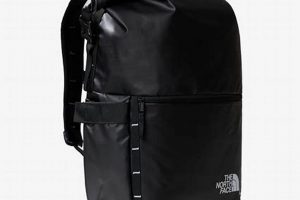
Determining the washability of a North Face backpack involves understanding the materials used in its construction and following specific cleaning guidelines. Ignoring these guidelines can potentially damage the fabric, coatings, and structural integrity of the backpack. Therefore, careful consideration is necessary before attempting any cleaning procedure.
Maintaining a backpack’s cleanliness is important for hygiene and longevity. Dirt, sweat, and other debris can degrade the fabric over time, leading to discoloration and potential weakening of the material. Regularly cleaning a backpack, when appropriate and using the correct methods, can extend its lifespan and preserve its appearance.
This article provides a detailed explanation of appropriate cleaning methods, including hand washing and, when applicable, machine washing. It also covers drying techniques and provides guidance on identifying materials and coatings that require special attention to avoid damage.
Cleaning North Face Backpacks
Maintaining a North Face backpack requires adherence to specific cleaning procedures to ensure longevity and prevent damage. These tips provide guidance for effectively cleaning your backpack while safeguarding its materials and construction.
Tip 1: Inspect the Care Label. Always refer to the care label located inside the backpack. The manufacturer’s instructions provide critical guidance regarding approved cleaning methods and temperature limitations. Deviating from these instructions may void any warranty.
Tip 2: Empty All Pockets and Compartments. Before cleaning, ensure all pockets and compartments are empty. Forgotten items can cause staining or damage during the washing process. Pay particular attention to small pockets and hidden compartments.
Tip 3: Spot Clean Stains. Address any visible stains before washing the entire backpack. Use a soft cloth or sponge dampened with a mild detergent solution. Gently blot the stain, avoiding harsh scrubbing which can damage the fabric.
Tip 4: Hand Wash with Mild Detergent. For most North Face backpacks, hand washing is the preferred method. Fill a basin or tub with cool water and add a small amount of mild, pH-neutral detergent. Submerge the backpack and gently agitate the water to loosen dirt and debris.
Tip 5: Rinse Thoroughly. After washing, rinse the backpack thoroughly with clean, cool water. Ensure all traces of detergent are removed, as residual detergent can attract dirt and lead to discoloration.
Tip 6: Air Dry Completely. Avoid using a machine dryer, as the heat can damage the backpack’s materials and coatings. Hang the backpack upside down in a well-ventilated area, away from direct sunlight. Ensure the backpack is completely dry before storing it to prevent mildew growth.
Tip 7: Protect Specialized Coatings. Backpacks with water-resistant or waterproof coatings require extra care. Avoid using harsh detergents or fabric softeners, as these can strip away the coating’s protective properties. Use a specialized cleaner designed for waterproof fabrics if necessary.
Following these tips helps to maintain the condition and performance of a North Face backpack, ensuring its continued use for outdoor activities and everyday wear.
Implementing these cleaning practices ensures the backpack remains a reliable and durable piece of equipment. Subsequent sections will address further considerations for long-term maintenance.
1. Material Composition

The suitability of cleaning North Face backpacks is intrinsically linked to their material composition. Different materials react differently to cleaning agents and washing processes. For example, a backpack constructed primarily of nylon may tolerate gentle machine washing, while a backpack featuring a significant amount of leather or specialized water-resistant fabrics may necessitate hand washing and specialized cleaning solutions. Understanding the material composition is, therefore, a prerequisite for choosing an appropriate cleaning method and preventing damage such as discoloration, shrinkage, or delamination of coatings.
Consider a North Face backpack made with a durable water repellent (DWR) finish. This coating is applied to the fabric to enhance water resistance. A harsh detergent or high-temperature washing can degrade the DWR finish, diminishing the backpack’s ability to repel water. Conversely, a backpack made of simple polyester might withstand more rigorous cleaning, although excessive heat during drying could still cause damage. Knowing the specific materials, including any coatings or treatments, enables informed decisions about cleaning methods and detergent choices to preserve the backpack’s intended functionality.
In summary, material composition is a critical determinant of the viability of cleaning a North Face backpack. Correctly identifying the materials present and understanding their properties allows for selection of the least aggressive, yet effective, cleaning method, thereby prolonging the backpack’s lifespan and maintaining its performance characteristics. A failure to account for material composition can result in irreversible damage, underscoring the importance of careful assessment prior to any cleaning attempt.
2. Care Label Instructions

Care label instructions are paramount in determining the appropriate cleaning methods for North Face backpacks. Adherence to these directives mitigates the risk of damage and ensures the longevity of the product. Deviation from these instructions can void warranties and compromise the backpack’s structural integrity.
- Symbol Interpretation
Care labels utilize standardized symbols indicating washing, drying, ironing, and dry cleaning parameters. Misinterpreting these symbols can lead to improper cleaning techniques. For example, a “do not wash” symbol necessitates alternative cleaning methods such as spot cleaning or professional cleaning services. Conversely, a machine wash symbol typically includes temperature restrictions, which must be strictly observed to prevent shrinkage or damage to the fabric.
- Material-Specific Guidance
Care labels often specify instructions tailored to the backpack’s constituent materials. Backpacks with a combination of fabrics, such as nylon and leather, may require different cleaning approaches for each material. The label might recommend specific detergents or cleaning agents suitable for delicate materials while advising against the use of harsh chemicals that could degrade synthetic fabrics. Ignoring material-specific instructions risks irreversible damage to certain components of the backpack.
- Water Temperature Limitations
Care labels commonly indicate maximum water temperatures for washing. Exceeding these temperature limits can cause the fabric to shrink, fade, or lose its shape. High temperatures may also damage water-resistant coatings or cause adhesives to weaken, leading to delamination of seams or structural components. Selecting the appropriate water temperature, as specified by the care label, is essential for safe and effective cleaning.
- Drying Recommendations
The care label provides directives on drying methods. Air drying is often recommended to prevent damage caused by machine dryers. Excessive heat can shrink the fabric, warp the frame, or degrade water-resistant coatings. The label may specify whether the backpack can be tumble dried on a low setting or if it should be air-dried in a shaded area to prevent fading from sunlight. Following drying recommendations is crucial for maintaining the backpack’s original form and functionality.
In conclusion, a meticulous review and strict adherence to care label instructions are indispensable when assessing how to clean North Face backpacks. These instructions represent the manufacturer’s expertise and are designed to guide users in preserving the backpack’s condition and performance. Disregarding these guidelines can result in avoidable damage and a diminished lifespan for the product.
3. Detergent Type

Selecting the appropriate detergent is crucial when considering the washability of North Face backpacks. The wrong detergent can compromise fabric integrity, damage water-resistant coatings, and reduce the overall lifespan of the backpack. Therefore, a careful evaluation of detergent characteristics is essential.
- pH Level
Detergents with extreme pH levels, either highly acidic or highly alkaline, can damage synthetic fibers commonly used in North Face backpacks. A neutral pH detergent (around pH 7) is generally recommended to minimize the risk of fiber degradation. Alkaline detergents, often found in laundry detergents designed for heavy-duty cleaning, can strip away protective coatings and cause colors to fade. Acidic detergents, while less common, can also weaken fibers and cause discoloration. The selection of a pH-neutral detergent mitigates these potential adverse effects.
- Enzymes and Brighteners
Enzyme-based detergents are designed to break down organic stains such as food and sweat. While effective for these purposes, enzymes can also degrade certain types of synthetic fibers over time. Optical brighteners, added to many detergents to enhance fabric whiteness, can leave residues that dull colors and attract dirt. For North Face backpacks, particularly those with specialized coatings, detergents without enzymes or optical brighteners are often preferred to preserve fabric integrity and color vibrancy.
- Concentration and Residue
Highly concentrated detergents, while economical, require careful dilution to avoid residue buildup. Detergent residue can attract dirt and grime, negating the cleaning benefits and potentially causing skin irritation for the backpack user. Insufficient rinsing can exacerbate this issue. Using a lower concentration detergent or ensuring thorough rinsing after washing can minimize residue accumulation and maintain the backpack’s cleanliness.
- Compatibility with Water-Resistant Coatings
Many North Face backpacks feature durable water repellent (DWR) coatings to enhance water resistance. Certain detergents can strip away or degrade these coatings, reducing the backpack’s ability to repel water. Specifically formulated detergents designed for use with DWR-treated fabrics are available. These detergents are milder and less likely to compromise the coating’s effectiveness. Using a specialized DWR-compatible detergent can help preserve the backpack’s water-resistant properties during cleaning.
The choice of detergent significantly impacts the washability and longevity of North Face backpacks. Selecting a pH-neutral, enzyme-free detergent, ensuring proper dilution and rinsing, and considering compatibility with water-resistant coatings are crucial steps in maintaining the backpack’s condition and performance. Failure to account for these factors can lead to irreversible damage and a reduced lifespan for the product.
4. Washing Method

The success of cleaning North Face backpacks is fundamentally linked to the chosen washing method. The appropriateness of either hand washing or machine washing determines the potential for damage or effective cleaning. Selecting the incorrect method can result in material degradation, compromised coatings, or inadequate removal of dirt and grime.
Hand washing, typically involving a basin or tub filled with cool water and a mild detergent, offers greater control over the cleaning process. This method allows for targeted stain removal and gentle agitation, reducing the risk of abrasion or damage to delicate fabrics and coatings. For instance, backpacks with intricate designs or specialized water-resistant membranes often benefit from hand washing, as it minimizes stress on these features. Machine washing, conversely, subjects the backpack to greater mechanical stress and may not be suitable for all models. If the care label permits machine washing, a gentle cycle with cold water and a mild detergent is crucial. Abrasive detergents and high spin speeds can damage the backpack’s fabric and structural components. Example: Imagine washing a North Face backpack without reading the care tag. Without having a basic knowledge on cleaning a specific type of backpack, you can possibly damage the entire thing if done incorrectly.
The choice of washing method directly influences the lifespan and performance of North Face backpacks. Understanding the specific materials and construction, coupled with adhering to the care label instructions, is paramount in selecting the most appropriate cleaning approach. Inaccurate cleaning methods can compromise the integrity of the backpack, reduce its water resistance, and shorten its overall lifespan, highlighting the practical significance of carefully considering the washing method.
5. Drying Process
The drying process is a critical step following the washing of North Face backpacks, directly impacting the material integrity and longevity of the product. Improper drying techniques can negate the benefits of careful washing, leading to damage such as shrinkage, warping, or compromised water-resistant coatings.
- Air Drying vs. Machine Drying
Air drying is generally the recommended method for drying North Face backpacks. Machine drying, even on low heat settings, can subject the materials to excessive temperatures that can degrade synthetic fibers and delaminate coatings. Air drying allows for gradual moisture evaporation, minimizing stress on the backpack’s components. An example is a backpack with a polyurethane coating; machine drying can cause the coating to peel or crack, rendering it ineffective. While air drying takes longer, it is a safer alternative that preserves the backpack’s structure and performance.
- Direct Sunlight Exposure
Prolonged exposure to direct sunlight during the drying process can cause fading of the fabric and degradation of synthetic materials. Ultraviolet (UV) radiation can break down the chemical bonds in dyes and fibers, leading to discoloration and weakening of the material. It is advisable to dry North Face backpacks in a shaded or well-ventilated area, away from direct sunlight, to prevent UV damage and maintain the color integrity of the fabric. An indirect drying environment minimizes the risk of discoloration and extends the backpack’s aesthetic appeal.
- Internal Moisture Retention
Ensuring complete drying of the backpack’s interior compartments and padding is crucial to prevent mold and mildew growth. Trapped moisture can create a favorable environment for microbial organisms, leading to unpleasant odors and potential material damage. Before storing the backpack, it is essential to turn it inside out, open all pockets, and allow ample time for air circulation to remove all traces of moisture. Proper ventilation and thorough drying mitigate the risk of mold and mildew formation, maintaining the backpack’s hygiene and structural soundness.
- Hanging vs. Flat Drying
The method of suspension during air drying can influence the shape and integrity of the backpack. Hanging the backpack upside down allows water to drain more effectively, but can also stretch the fabric or strain the seams if the backpack is heavily saturated. Flat drying, where the backpack is laid horizontally on a clean surface, distributes the weight more evenly and prevents stretching. However, flat drying may require more time for complete drying, and it is important to ensure adequate air circulation beneath the backpack to prevent moisture buildup. Selecting the appropriate suspension method, based on the backpack’s construction and weight, can optimize the drying process and minimize the risk of distortion or damage.
The drying process is an integral component of effectively washing North Face backpacks. Adherence to appropriate drying techniques, such as air drying in a shaded area and ensuring complete internal moisture removal, is crucial for preserving the backpack’s materials, coatings, and structural integrity. Neglecting these considerations can negate the benefits of careful washing and compromise the product’s overall performance and lifespan.
6. Coating Integrity
Coating integrity is a paramount consideration when determining the washability of North Face backpacks. The presence of specialized coatings, such as durable water repellents (DWR) or waterproof membranes, significantly influences the appropriate cleaning methods. Maintaining the integrity of these coatings is essential for preserving the backpack’s performance characteristics and extending its lifespan.
- Durable Water Repellent (DWR) Coatings
DWR coatings are applied to the outer fabric of many North Face backpacks to provide water resistance. These coatings work by causing water to bead up and roll off the surface, preventing saturation. However, DWR coatings are susceptible to degradation from abrasion, dirt, and certain cleaning agents. Harsh detergents, particularly those containing enzymes or optical brighteners, can strip away the DWR coating, reducing its effectiveness. Regular washing, even with appropriate detergents, can gradually diminish the DWR’s performance. Reapplication of a DWR treatment may be necessary to maintain water resistance over time. If the DWR is compromised, the backpack’s ability to repel water diminishes, potentially leading to water damage to the contents.
- Waterproof Membranes
Some North Face backpacks incorporate waterproof membranes, such as Gore-Tex or proprietary materials, to provide a higher level of water protection. These membranes are typically laminated to the inner surface of the outer fabric, creating a barrier against water penetration. The integrity of the waterproof membrane is critical for maintaining the backpack’s waterproofness. Punctures, tears, or delamination of the membrane can compromise its effectiveness. Harsh washing conditions, including high temperatures and aggressive detergents, can damage the membrane, leading to leaks. If a waterproof membrane is damaged, the backpack’s ability to protect contents from water is significantly reduced. Seam sealing tape applied to the interior seams can also be affected by harsh cleaning.
- Cleaning Agent Compatibility
The compatibility of cleaning agents with the backpack’s coatings is a crucial factor in preserving coating integrity. As previously noted, harsh detergents can degrade DWR coatings and damage waterproof membranes. Specialized detergents formulated for use with technical fabrics are often recommended for cleaning North Face backpacks with coatings. These detergents are typically milder and less likely to compromise the coating’s performance. Furthermore, fabric softeners should be avoided, as they can leave residues that interfere with the coating’s ability to repel water. Careful selection of cleaning agents based on their compatibility with the backpack’s coatings is essential for maintaining its water resistance and overall performance.
- Mechanical Stress and Abrasion
Mechanical stress and abrasion during the washing process can also impact coating integrity. Machine washing, particularly with high spin speeds, can subject the backpack to significant mechanical stress, potentially damaging coatings and seams. Hand washing, while gentler, can still cause abrasion if performed too vigorously. It is essential to handle the backpack with care during washing and rinsing to minimize mechanical stress and abrasion. Avoiding excessive scrubbing or twisting can help preserve the integrity of the coatings and extend the backpack’s lifespan. Similarly, abrasive materials like brushes can damage coating surfaces if used during stain removal.
The washability of North Face backpacks is directly contingent upon maintaining coating integrity. Understanding the properties of DWR coatings and waterproof membranes, selecting compatible cleaning agents, and minimizing mechanical stress during washing are crucial for preserving the backpack’s water resistance and overall performance. By carefully considering these factors, users can effectively clean their North Face backpacks while safeguarding the integrity of their specialized coatings. The care and consideration of the coating integrity and it’s maintenance allows for the preservation of the product and increase the lifetime of the bag.
Frequently Asked Questions
This section addresses common inquiries regarding the appropriate methods for cleaning North Face backpacks, emphasizing the preservation of material integrity and product lifespan.
Question 1: Is machine washing permissible for all North Face backpacks?
Machine washing is not universally recommended. The care label provides definitive guidance. Backpacks with delicate fabrics, specialized coatings, or intricate designs typically require hand washing. Machine washing may be suitable for simpler models, provided a gentle cycle and cold water are used. Refer to the care label for specific instructions.
Question 2: What type of detergent is most suitable for cleaning North Face backpacks?
A mild, pH-neutral detergent is generally recommended. Detergents containing enzymes, optical brighteners, or harsh chemicals should be avoided, as they can degrade fabrics and coatings. Specialized detergents formulated for technical fabrics offer optimal cleaning while preserving water resistance.
Question 3: How should stains be addressed on North Face backpacks?
Spot cleaning is recommended for localized stains. A soft cloth or sponge dampened with a mild detergent solution can be used to gently blot the stain. Avoid vigorous scrubbing, which can damage the fabric or coating. For persistent stains, professional cleaning services may be necessary.
Question 4: Is it necessary to reapply DWR (durable water repellent) after washing a North Face backpack?
Repeated washing can diminish the effectiveness of DWR coatings. Reapplication of a DWR treatment is recommended to maintain water resistance. Follow the manufacturer’s instructions for applying the DWR product, ensuring even coverage and proper curing.
Question 5: How should North Face backpacks be dried after washing?
Air drying is the preferred method. Avoid using a machine dryer, as high heat can damage fabrics and coatings. Hang the backpack upside down in a well-ventilated area, away from direct sunlight. Ensure all compartments are fully opened to promote thorough drying and prevent mold growth.
Question 6: What are the signs that a North Face backpack should not be washed at all?
If the care label explicitly states “do not wash,” alternative cleaning methods, such as spot cleaning or professional cleaning, should be employed. Backpacks with significant structural damage, such as tears or delamination, may be unsuitable for washing, as the process could exacerbate the damage.
Proper cleaning techniques, informed by the care label and material composition, are essential for preserving the condition and performance of North Face backpacks.
The following section provides resources for obtaining professional cleaning services and specialized cleaning products.
Can You Wash North Face Backpacks
This article has explored the central question: can you wash North Face backpacks? It highlights the crucial considerations of material composition, adherence to care label instructions, appropriate detergent selection, washing method choice, drying process execution, and maintenance of coating integrity. Washing without regard to these factors risks irreversible damage.
Therefore, one must approach the cleaning of North Face backpacks with informed caution. The care label is paramount. Ignoring its guidance may lead to product degradation and diminished performance. Responsible cleaning practices extend the lifespan and maintain the functionality of this equipment.