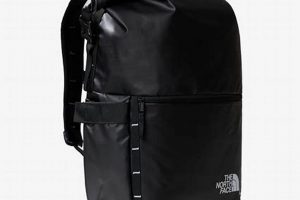
The central question revolves around the proper method for cleaning North Face backpacks. Maintaining the integrity of the materials and construction is crucial for extending the lifespan of these items. This involves understanding which cleaning methods are appropriate and which should be avoided to prevent damage.
Proper cleaning enhances the bag’s appearance and prevents the buildup of dirt and grime, which can degrade the fabric over time. Regular maintenance can also improve the backpack’s performance by preventing zippers from sticking and ensuring that straps and buckles function correctly. Furthermore, cleaning is vital for hygiene, removing potential allergens and bacteria that can accumulate through regular use.
This exploration will delve into appropriate washing techniques, safe cleaning solutions, and drying methods specifically suited for North Face backpacks. It will also address common concerns about damaging the backpack during the cleaning process and offer preventative measures to mitigate potential risks.
Cleaning North Face Backpacks
Proper cleaning extends the life of North Face backpacks and maintains their performance. These tips offer guidance on achieving optimal results while minimizing risk of damage.
Tip 1: Empty All Pockets. Before initiating any cleaning process, ensure all pockets are emptied. Leaving items inside can hinder cleaning and potentially damage both the backpack and the contents.
Tip 2: Pre-Treat Stains. Address localized stains with a mild detergent diluted in water. Gently blot the stained area with a soft cloth. Avoid harsh scrubbing, which can damage the fabric’s surface.
Tip 3: Hand Wash is Recommended. The preferred method involves hand washing in a tub or sink with lukewarm water and a gentle, non-abrasive soap. Submerge the backpack and gently agitate the water to loosen dirt.
Tip 4: Machine Washing: Use Caution. If machine washing is deemed necessary, use a front-loading machine only. Place the backpack inside a mesh laundry bag to protect it from abrasion. Select a delicate cycle with cold water and a mild detergent.
Tip 5: Avoid Bleach and Harsh Chemicals. Bleach and other harsh chemicals can degrade the fabric and compromise the backpack’s water-resistant properties. Opt for mild, pH-neutral detergents.
Tip 6: Rinse Thoroughly. After washing, ensure all soap residue is completely rinsed away. Remaining soap can attract dirt and cause the fabric to stiffen.
Tip 7: Air Dry Only. Hang the backpack upside down in a well-ventilated area, away from direct sunlight or heat. Do not use a machine dryer, as the heat can damage the fabric and zippers.
Tip 8: Check Care Label. Always consult the care label affixed to the backpack for specific cleaning instructions provided by the manufacturer. These instructions supersede general recommendations.
Adhering to these guidelines will contribute to the long-term preservation of the North Face backpack’s quality and functionality. Gentle cleaning practices protect the material and features of the bag.
The following section will address specific concerns regarding material types and address potential issues encountered during the cleaning process.
1. Material Composition

The material composition of a North Face backpack is a primary determinant in whether it can be safely and effectively washed. Different materials react differently to water, detergents, and agitation. For example, backpacks constructed from durable nylon or polyester are generally more resilient to washing than those incorporating delicate fabrics like canvas or leather accents. Understanding the specific materials used in a particular backpack model is crucial. The care label typically provides this information. Washing a backpack without considering its material composition can lead to shrinkage, discoloration, or degradation of water-resistant coatings.
Consider a North Face backpack primarily made of ballistic nylon. This material is known for its durability and resistance to abrasion. Such a backpack is more likely to withstand a gentle hand-washing cycle with a mild detergent. Conversely, a backpack with leather trim or detailing may require specialized cleaning methods or spot cleaning only to avoid damage. Ignoring the material composition and subjecting a leather-trimmed backpack to a full wash cycle could result in cracking, staining, or permanent damage to the leather.
In summary, material composition dictates the appropriate cleaning approach. Identifying the fabrics and materials present is essential for preventing damage and preserving the backpack’s functionality and appearance. Disregarding the material composition can result in irreversible harm, underscoring the importance of careful assessment before attempting to clean the bag. Therefore, examining the care label and knowing the material specifics is not just a suggestion but a fundamental step.
2. Water Resistance

Water resistance is a key feature of many North Face backpacks, designed to protect contents from moisture. However, the cleaning process can potentially compromise this attribute, impacting the backpack’s functionality. The relationship between water resistance and the cleaning process merits careful consideration to maintain the backpack’s intended performance.
- DWR Coatings and Cleaning
Many North Face backpacks employ Durable Water Repellent (DWR) coatings to enhance water resistance. Washing can degrade DWR coatings by removing the hydrophobic chemicals applied to the fabric. Standard detergents can strip these coatings, diminishing the backpack’s ability to repel water. Specialized DWR restoration products may be required post-wash to maintain optimal water repellency. For example, a backpack used frequently in wet conditions might require more frequent DWR restoration after each wash compared to a backpack used primarily in dry environments.
- Seam Sealing and Water Ingress
Seam sealing is another method used to prevent water from entering through stitched areas. Harsh washing methods or excessive heat during drying can weaken or damage these sealed seams. Compromised seam sealing allows water to penetrate the backpack, negating its water-resistant properties. A backpack subjected to vigorous machine washing could experience seam damage, leading to water ingress during subsequent use in rain or damp conditions.
- Fabric Porosity and Water Repellency
The fabric’s inherent porosity also affects water resistance. Over time, dirt and debris can clog the fabric pores, reducing breathability and potentially impacting water repellency. Gentle washing can remove these impurities, restoring some of the fabric’s original properties. However, aggressive cleaning could damage the fabric structure, increasing porosity and reducing its ability to repel water. A backpack used for hiking in dusty environments might benefit from regular gentle washing to maintain fabric integrity and water repellency.
- Waterproof Membranes and Handling
Some high-end North Face backpacks incorporate waterproof membranes like Gore-Tex. These membranes are delicate and require specific care. Harsh detergents, high temperatures, and excessive agitation can damage these membranes, rendering them ineffective. Such backpacks require specialized cleaning products and gentle handling to preserve the membrane’s integrity. A backpack with a Gore-Tex membrane should be washed with a designated technical wash and air-dried to prevent damage.
These facets demonstrate that while cleaning North Face backpacks is sometimes necessary, it can influence their water resistance. Careful attention to cleaning methods, detergent selection, and post-wash treatment is crucial to preserving this important feature. Understanding these interactions is important for ensuring the backpack remains functional and protective over its lifespan. The aim is to clean without damaging this key attribute.
3. Structural Integrity

Washing a North Face backpack has a direct relationship with its structural integrity, representing a potential cause-and-effect dynamic. The structural integrity of a backpack refers to its ability to withstand the stresses and strains of regular use without deformation or failure of its components, such as seams, zippers, straps, and the fabric itself. The cleaning process, if not executed properly, can compromise these elements, leading to reduced functionality and longevity. Maintaining structural integrity is an essential aspect of the overall consideration of whether North Face backpacks can be washed safely and effectively.
The stresses induced by washing, particularly machine washing, can place undue strain on seams and stitching. This can result in weakening or tearing, especially in areas already subject to high stress during normal use, such as where straps attach to the bag body. Zippers, too, can be affected by the washing process. Harsh detergents can corrode metal zippers, while excessive heat during drying can warp plastic zippers. An example would be a backpack used for hiking, where repeated washing to remove dirt and sweat could gradually degrade the stitching around the shoulder straps, eventually leading to strap failure. Additionally, the fabric itself can lose its tensile strength if exposed to aggressive washing agents or high temperatures, potentially resulting in tears or rips under normal load conditions. Careful evaluation of washing methods and materials is crucial to safeguard the backpack’s structural soundness.
In summary, the impact of washing on the structural integrity of North Face backpacks is a critical consideration. Improper washing techniques and harsh cleaning agents can weaken seams, corrode zippers, and degrade the fabric, all of which undermine the backpack’s durability and functionality. Adhering to gentle cleaning methods, using mild detergents, and avoiding high heat during drying are essential steps in preserving the structural integrity of the backpack. Understanding this connection is pivotal for ensuring that cleaning maintains rather than diminishes the backpack’s performance. The challenge lies in effectively removing dirt and grime without compromising the bag’s inherent strength and resilience.
4. Detergent Type

The type of detergent employed in cleaning North Face backpacks has a direct bearing on the feasibility and outcome of the washing process. Detergent selection is not merely a superficial choice; it interacts intimately with the materials composing the backpack, potentially causing either beneficial cleaning or detrimental degradation. The efficacy of cleaning hinges on using a detergent that can lift dirt and grime without compromising the fabric’s integrity or water-resistant properties. A detergent that is too harsh can strip protective coatings, fade colors, or weaken the fabric fibers, rendering the backpack less functional and aesthetically diminished. Therefore, understanding the chemical properties of different detergents and their effects on backpack materials is paramount. The relationship is thus a cause-and-effect one: inappropriate detergent use causes damage, whereas appropriate detergent use facilitates cleaning without harm. Consider a scenario where a user employs a standard laundry detergent containing bleach on a dark-colored North Face backpack. The bleach could cause irreversible discoloration, rendering the backpack unusable in professional or formal settings. Conversely, utilizing a pH-neutral, non-abrasive detergent designed for technical fabrics would effectively remove dirt and sweat without affecting the color or water-repellent finish.
Specialized detergents designed for outdoor gear offer a practical solution. These detergents often contain ingredients that not only clean but also help to restore or maintain the water-repellent qualities of the fabric. For instance, detergents formulated for washing waterproof and breathable membranes, such as Gore-Tex, ensure that the membrane’s pores remain unclogged, preserving breathability and water resistance. These detergents typically avoid harsh enzymes, fragrances, and brighteners that could leave residues that attract dirt or compromise the fabric’s technical properties. Furthermore, using too much detergent, even a mild one, can be problematic. Residue left behind can attract dirt, stiffen the fabric, and potentially irritate the skin if the backpack comes into direct contact. Complete rinsing to remove all detergent traces is, therefore, an essential step in the cleaning process.
In conclusion, the choice of detergent is a pivotal factor determining whether North Face backpacks can be washed successfully. Selecting a detergent that is compatible with the backpack’s materials, particularly its fabric and any water-resistant coatings, is crucial to avoid damage and maintain performance. Gentle, pH-neutral detergents designed for technical fabrics are generally the safest option, and their use should be coupled with thorough rinsing to remove all residue. This careful approach ensures that cleaning enhances rather than detracts from the backpack’s utility and lifespan. The challenge lies in balancing effective cleaning with the preservation of the backpack’s original characteristics, and the right detergent is a critical tool in achieving this balance.
5. Drying Method
The drying method employed following the washing of a North Face backpack is a critical determinant of the process’s success and the long-term integrity of the item. Improper drying techniques can negate the benefits of careful washing, potentially causing irreversible damage and diminishing the backpack’s functionality. Therefore, understanding the implications of various drying methods is essential in the broader context.
- Air Drying vs. Machine Drying
Air drying is generally recommended for North Face backpacks, as machine drying can expose the materials to excessive heat. High temperatures can warp plastic components, damage water-resistant coatings, and cause shrinkage or distortion of the fabric. Air drying allows for a gradual and controlled evaporation of moisture, minimizing stress on the materials. Machine drying, conversely, accelerates the process but introduces a higher risk of irreversible damage. For instance, a backpack with a DWR coating subjected to machine drying may experience degradation of the coating, reducing its water repellency.
- Direct Sunlight Exposure
While air drying is preferred, direct sunlight exposure during the drying process should be avoided. Prolonged exposure to ultraviolet radiation can fade colors and weaken the fabric over time. Dark-colored backpacks are particularly susceptible to fading under direct sunlight. The optimal approach involves air drying the backpack in a shaded, well-ventilated area to facilitate moisture evaporation without the damaging effects of UV radiation. A black North Face backpack left to dry in direct sunlight for an extended period may exhibit noticeable fading and material weakening compared to one dried in the shade.
- Internal Moisture and Ventilation
Ensuring adequate ventilation during the drying process is crucial to prevent the growth of mold and mildew inside the backpack. Trapped moisture can create a favorable environment for microbial growth, leading to unpleasant odors and potential damage to the internal lining. Turning the backpack inside out and opening all pockets can promote airflow and facilitate complete drying. A backpack left damp and sealed in a closet may develop a musty odor and harbor mold, necessitating further cleaning or rendering the item unusable.
- Material-Specific Considerations
Different materials require specific drying considerations. For example, backpacks with leather accents or trim should be handled with extra care, as leather can become stiff or cracked if allowed to dry too quickly. Applying a leather conditioner after drying can help to maintain its suppleness. Similarly, backpacks with waterproof membranes may require specific drying instructions to ensure the membrane’s integrity is preserved. Failing to account for material-specific needs can result in localized damage and reduced overall performance. A North Face backpack with leather straps that are air dried too quickly may become brittle, highlighting the need for appropriate conditioning.
These drying method considerations are intrinsic to the question of washing North Face backpacks. A careful and informed approach to drying, taking into account the backpack’s materials, construction, and intended use, is essential for ensuring its longevity and functionality. The balance lies in effectively removing moisture without subjecting the backpack to harmful conditions that compromise its structural integrity or performance characteristics. The aim is a gentle, material-appropriate drying approach.
6. Warranty Implications
The act of washing a North Face backpack carries potential consequences for its warranty coverage. The warranty, typically provided by the manufacturer, serves as a guarantee against defects in materials and workmanship. However, the warranty’s validity often hinges on adherence to specific care instructions outlined by The North Face. Deviating from these instructions, particularly with respect to washing methods, can void the warranty, leaving the owner responsible for repair or replacement costs. A common scenario involves machine washing a backpack that the care label specifies should only be hand-washed. If subsequent damage occurs, such as seam failure or fabric delamination, the manufacturer may deny warranty claims, citing improper care as the cause. Therefore, understanding the warranty’s terms and conditions, and aligning cleaning practices accordingly, is essential for maintaining coverage.
Furthermore, the type of detergent used can also impact warranty status. The use of harsh chemicals, bleach, or non-approved cleaning agents can damage the backpack’s materials, leading to problems that the warranty might not cover. Many warranties explicitly exclude damage resulting from misuse or improper care, which includes the use of inappropriate cleaning products. For example, if a user washes their backpack with a strong industrial cleaner and the fabric degrades, the manufacturer could reasonably argue that the damage was caused by improper care rather than a manufacturing defect. Consequently, adhering to recommended cleaning products and techniques is not only beneficial for the backpack’s longevity but also crucial for preserving warranty protection. In summary, warranty implications are inseparable from the decision to wash a North Face backpack.
The link between washing and warranty protection highlights the importance of informed decision-making. While cleaning a backpack might seem like a routine task, it can have significant repercussions for warranty coverage if not performed in accordance with the manufacturer’s guidelines. Consulting the care label, using appropriate detergents, and following recommended washing methods are vital steps in ensuring that cleaning efforts do not inadvertently void the warranty. By taking these precautions, owners can maintain the backpack’s cleanliness and functionality while safeguarding their warranty rights. The challenge lies in balancing the need for cleanliness with the preservation of warranty coverage, necessitating a careful and informed approach to backpack maintenance.
Frequently Asked Questions
This section addresses common inquiries regarding the proper methods for cleaning North Face backpacks and the potential impact on their materials and warranty.
Question 1: Is it generally safe to wash a North Face backpack?
The feasibility depends on the backpack’s material composition and construction. Many North Face backpacks constructed from durable nylon or polyester can be washed with appropriate care. However, models with delicate fabrics or leather accents may require specialized cleaning methods or spot cleaning only.
Question 2: Can a washing machine be used to clean a North Face backpack?
While hand washing is generally recommended, a front-loading washing machine can be used with caution. The backpack should be placed inside a mesh laundry bag to minimize abrasion. A delicate cycle with cold water and a mild, pH-neutral detergent should be selected.
Question 3: What type of detergent is appropriate for washing a North Face backpack?
A mild, pH-neutral detergent designed for technical fabrics is recommended. Harsh chemicals, bleach, and detergents with strong fragrances or enzymes should be avoided, as they can damage the fabric and water-resistant coatings.
Question 4: How does washing affect the water resistance of a North Face backpack?
Washing can degrade Durable Water Repellent (DWR) coatings and damage seam sealing, both of which contribute to water resistance. To mitigate this, a DWR restoration treatment can be applied after washing. Harsh washing methods should be avoided to prevent seam damage.
Question 5: What is the recommended drying method for a washed North Face backpack?
Air drying in a shaded, well-ventilated area is the preferred method. Machine drying should be avoided, as high heat can damage the fabric, zippers, and water-resistant coatings. Direct sunlight exposure should also be avoided, as it can fade colors and weaken the fabric.
Question 6: Can washing a North Face backpack void its warranty?
Deviating from the care instructions provided by The North Face can potentially void the warranty. Using inappropriate cleaning methods or detergents may be considered improper care, resulting in denial of warranty claims for subsequent damage. Adhering to recommended cleaning practices is crucial for maintaining warranty coverage.
In summary, washing a North Face backpack is permissible under certain conditions and with appropriate precautions. Adherence to care instructions, selection of mild detergents, and proper drying techniques are essential for preserving the backpack’s functionality and warranty coverage.
This concludes the discussion on washing North Face backpacks. Further research may provide additional insights based on specific backpack models and materials.
Can North Face Backpacks Be Washed
The investigation into whether North Face backpacks can be washed reveals a nuanced landscape. Material composition, water resistance, structural integrity, detergent selection, drying method, and warranty implications emerge as pivotal factors. A generalized “yes” or “no” is insufficient; the answer is contingent upon adherence to specific guidelines that mitigate potential damage. Neglecting these considerations risks compromising the very qualities that define these products.
Prudent assessment and meticulous execution are paramount. Owners are urged to consult care labels, employ gentle cleaning agents, and prioritize air drying. The longevity and performance of these backpacks are directly proportional to the diligence applied in their maintenance. Therefore, an informed approach, grounded in an understanding of both the materials and the recommended procedures, is indispensable for those seeking to preserve their investment and uphold the functionality of their North Face backpack.