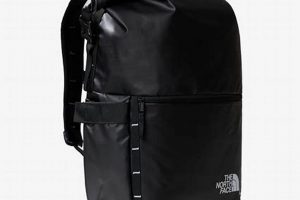
The procedure addresses the cleaning and maintenance of carrying equipment manufactured by The North Face, specifically focusing on rucksacks. This involves removing dirt, stains, and residues to maintain the pack’s integrity and appearance. As an example, repeated exposure to mud and sweat during outdoor activities necessitates this cleaning to prevent material degradation.
Proper care extends the lifespan of the equipment, ensuring its continued functionality and performance. Regular attention to cleanliness helps prevent the build-up of mold and mildew, preserving the pack’s hygienic condition. Historically, maintaining outdoor gear has been a key aspect of responsible outdoor practices, ensuring equipment is reliable for extended use and minimizing the need for frequent replacements.
The following sections will detail recommended cleaning methods, appropriate cleaning agents, and drying techniques, emphasizing best practices for preserving the properties of the pack’s materials.
North Face Backpack Wash Tips
This section outlines essential guidelines for effectively cleaning and maintaining North Face backpacks, ensuring longevity and optimal performance.
Tip 1: Empty All Pockets: Before initiating the cleaning process, thoroughly inspect and empty all compartments. Overlooked items can cause damage during washing.
Tip 2: Pre-treat Stains: Address any visible stains with a mild stain remover specifically designed for the material of the backpack. Allow the stain remover to sit for the recommended time before proceeding.
Tip 3: Use Gentle Detergent: Employ a mild, pH-neutral detergent. Harsh chemicals can degrade the fabric and waterproofing.
Tip 4: Hand Washing is Preferred: Submerge the backpack in a tub of lukewarm water mixed with the detergent. Gently agitate the water to loosen dirt and grime. Avoid excessive scrubbing.
Tip 5: Rinse Thoroughly: Ensure all traces of detergent are removed. Residual detergent can attract dirt and lead to premature wear.
Tip 6: Avoid Machine Drying: Do not place the backpack in a machine dryer. The high heat can damage the fabric, zippers, and other components.
Tip 7: Air Dry in a Shaded Area: Hang the backpack upside down in a well-ventilated, shaded area. Direct sunlight can fade the fabric.
Tip 8: Reapply Water Repellent: Once dry, consider reapplying a durable water repellent (DWR) spray to maintain the backpack’s water resistance.
Following these guidelines ensures proper care and maximizes the lifespan of the backpack.
The subsequent section will address troubleshooting common issues encountered during the cleaning process.
1. Gentle Detergent Selection

The selection of an appropriate cleaning agent is paramount in the proper maintenance of North Face backpacks. Harsh chemicals can compromise fabric integrity and diminish performance characteristics. A gentle detergent preserves the backpack’s functional properties during cleaning procedures.
- Fiber Preservation
Aggressive detergents can break down the fibers of the backpack’s material, leading to premature wear and reduced durability. Gentle detergents, formulated with milder surfactants, effectively remove dirt without causing structural damage to the nylon or polyester fabrics commonly used in North Face backpacks.
- Waterproofing Integrity
Many North Face backpacks feature durable water repellent (DWR) coatings. Harsh detergents strip away these coatings, diminishing the backpack’s water resistance. Gentle detergents, specifically formulated for technical fabrics, help maintain the DWR coating, preserving the backpack’s ability to repel water and resist staining.
- Colorfastness Maintenance
Strong detergents can cause color fading, altering the appearance of the backpack. Gentle detergents, with pH-neutral formulations, minimize the risk of color loss, ensuring that the backpack retains its original aesthetic appeal after cleaning.
- Zipper and Hardware Protection
Corrosive cleaning agents can damage metal zippers and plastic hardware found on North Face backpacks. Gentle detergents, lacking harsh chemicals, prevent corrosion and deterioration of these components, ensuring smooth operation and extending the backpack’s functional lifespan.
The consistent application of gentle detergents in the cleaning process minimizes the risk of damage and maintains the functional characteristics of North Face backpacks. This practice directly supports the longevity and optimal performance of the equipment, maximizing its utility for outdoor activities and daily use.
2. Thorough Pocket Emptying

Prior to any cleaning procedure involving a North Face backpack, the step of emptying all pockets is of paramount importance. This seemingly simple action is crucial for ensuring the effectiveness of the cleaning process and preventing potential damage to the backpack itself and its contents.
- Prevention of Damage to Belongings
Neglecting to empty pockets can lead to damage or destruction of items left inside. Delicate electronics, sensitive documents, or easily dissolved materials like paper or certain candies can be ruined during the washing process. Removing all items prevents such losses and associated inconveniences.
- Facilitation of Effective Cleaning
Pockets containing debris, crumbs, or other loose particles hinder proper cleaning. These items can contaminate the washing solution, reducing its effectiveness, or become lodged in seams and crevices, making complete cleaning difficult. An empty pocket allows for unobstructed access and thorough removal of dirt and grime.
- Protection of Backpack Integrity
Sharp or bulky items left in pockets can puncture or tear the fabric of the backpack during handling or washing. Furthermore, items that react with water or cleaning agents can stain or discolor the material. Emptying pockets mitigates these risks, safeguarding the structural integrity and aesthetic appearance of the pack.
- Prevention of Machine Malfunction (if applicable)
Although hand washing is generally recommended, should a machine wash be considered despite recommendations, failing to empty pockets can introduce foreign objects into the washing machine, potentially causing damage to the appliance. Small items like coins or keys can clog drains or damage internal components. Thorough emptying prevents this risk.
In conclusion, the practice of thoroughly emptying all pockets before engaging in any cleaning regimen is an indispensable step in the care of a North Face backpack. By preventing damage to belongings, facilitating effective cleaning, protecting the backpack’s integrity, and averting potential machine malfunctions, this action contributes significantly to the longevity and optimal performance of the pack.
3. Appropriate Water Temperature

Water temperature plays a critical role in the efficacy and safety of cleaning a North Face backpack. The selection of an appropriate temperature directly impacts the removal of dirt and grime, the preservation of fabric integrity, and the longevity of any water-repellent coatings applied to the pack. Using water that is too hot can damage the synthetic materials commonly used in these backpacks, causing shrinkage, color fading, and degradation of waterproofing treatments. Conversely, water that is too cold may not effectively dissolve detergents or remove stubborn stains. A moderate, lukewarm temperature is generally recommended to balance cleaning effectiveness with material preservation.
For instance, high-temperature water can compromise the durable water repellent (DWR) finish often applied to North Face backpacks to enhance water resistance. This finish, when exposed to excessive heat, can break down, reducing the pack’s ability to repel water and increasing the likelihood of moisture absorption. In contrast, lukewarm water allows for the gentle removal of surface dirt and stains without subjecting the DWR finish to undue stress. The selection of lukewarm water also aids in the proper dissolution of gentle detergents, ensuring they are evenly distributed throughout the cleaning process, maximizing their cleaning potential without risking damage to the pack’s materials.
In summary, the determination of appropriate water temperature is not merely a minor detail but a pivotal factor in the successful cleaning of a North Face backpack. Lukewarm water represents a strategic compromise, facilitating effective cleaning while simultaneously safeguarding the backpack’s fabric integrity and water-resistant properties. Adherence to this guideline contributes significantly to the extended lifespan and consistent performance of the equipment. Improper temperature choice presents a significant risk of irreversible damage, underscoring the practical significance of this understanding.
4. Stain Pre-Treatment Essential

The process of cleaning a North Face backpack is significantly enhanced by the application of stain pre-treatment. Ignoring this step can result in residual staining, necessitating repeated cleaning attempts and potentially causing fabric wear. Pre-treatment addresses localized soiling, increasing the overall effectiveness of the cleaning process. For example, mud splatters, which often contain particulate matter, require targeted treatment to dislodge the embedded soil before a general wash can fully clean the affected area. Failure to pre-treat results in the mud remaining ingrained in the fabric.
Effective stain pre-treatment involves selecting appropriate cleaning agents based on the nature of the stain. Oily stains, such as those from sunscreen or food, require a degreasing agent, while water-based stains, such as ink or beverage spills, require a different approach. Applying the chosen agent directly to the stain and allowing it to dwell for a specified period before washing facilitates stain removal. Without this step, the cleaning agent applied during the washing cycle may not effectively penetrate and dissolve the concentrated stain, leading to unsatisfactory results. For instance, if bloodstains are not pre-treated, they can set during the wash cycle, becoming exceedingly difficult to remove later.
The connection between stain pre-treatment and successful cleaning outcomes is direct and demonstrable. Ignoring this step compromises the overall cleaning effectiveness and may require more aggressive cleaning methods, potentially damaging the backpack’s fabric or water-resistant coatings. Conversely, proper pre-treatment minimizes the need for harsh cleaning and prolongs the life of the pack. Therefore, stain pre-treatment is not merely an optional step but a fundamental component in maintaining the cleanliness and longevity of a North Face backpack.
5. Careful Rinse Execution

Thorough rinsing is a non-negotiable stage in the North Face backpack cleaning procedure. Detergent residue left in the fabric attracts dirt and can degrade the water-repellent properties of the material. Inadequate rinsing effectively negates the benefits of washing, turning a cleaning process into a detrimental one. Consider, for example, a backpack used frequently for hiking. If detergent remains after washing, it draws moisture from the air, creating a damp environment that promotes mold growth. The consequence is not only an unpleasant odor but also material damage, reducing the lifespan of the pack. Therefore, diligent rinsing is integral to achieving a truly clean and functional outcome.
The method of rinsing is as important as the act itself. A gentle, continuous flow of clean, lukewarm water is optimal for removing all traces of detergent. This can be achieved by submerging the backpack in a tub of clean water, repeatedly emptying and refilling until no suds or detergent odor is detected. Alternatively, a hose can be used, directing the water flow to all areas of the backpack, including pockets and seams. A common error is to rush this process, leading to incomplete removal of detergent. The effectiveness of the rinsing process can be assessed by squeezing different sections of the backpack to check for residual suds. Time invested in careful rinsing directly translates to increased backpack longevity and performance.
In conclusion, meticulous rinsing is an essential, not optional, component of North Face backpack cleaning. Its purpose extends beyond mere aesthetics; it safeguards the fabric’s integrity and preserves water-repellent qualities. Neglecting this phase can create more problems than it solves, impacting the backpacks functionality and shortening its lifespan. The investment in careful rinsing is a crucial element of responsible gear maintenance, essential for preserving the performance and value of the North Face backpack.
6. Air-Drying Imperative

The practice of air-drying is an indispensable element in the effective maintenance of North Face backpacks. Following a thorough cleaning, the method by which a backpack is dried significantly impacts its longevity, material integrity, and continued performance. This section explores the critical facets of air-drying in relation to North Face backpack cleaning.
- Preservation of Fabric Integrity
High heat from mechanical dryers can compromise the synthetic fabrics, such as nylon and polyester, commonly used in North Face backpacks. Elevated temperatures can cause shrinkage, distortion, and weakening of the fabric fibers. Air-drying, conversely, allows for gradual moisture evaporation at ambient temperatures, minimizing stress on the materials and preserving their structural integrity.
- Maintenance of Water-Repellent Coatings
Many North Face backpacks incorporate durable water repellent (DWR) finishes to enhance water resistance. The heat generated by machine dryers can degrade or melt these coatings, diminishing their effectiveness. Air-drying provides a low-impact drying method that minimizes the risk of damage to the DWR finish, ensuring the backpack retains its water-repellent properties for extended use. Direct sunlight, however, should be avoided as it can also degrade DWR coatings.
- Prevention of Component Damage
Backpack components, such as zippers, buckles, and plastic hardware, are susceptible to damage from the intense heat of mechanical dryers. Zippers can warp or melt, buckles can become brittle, and plastic elements can deform. Air-drying eliminates the risk of heat-related damage to these components, safeguarding their functionality and extending the overall lifespan of the backpack.
- Mitigation of Mold and Mildew Growth
Improper drying, particularly in enclosed or humid environments, can create conditions conducive to mold and mildew growth. Trapped moisture provides a breeding ground for these microorganisms, leading to unpleasant odors, material staining, and potential health concerns. Air-drying, especially in a well-ventilated area, promotes complete moisture evaporation, inhibiting the growth of mold and mildew and ensuring a hygienic outcome.
The multifaceted benefits of air-drying underscore its essential role in the North Face backpack cleaning process. While expediency may tempt alternative drying methods, the long-term advantages of air-drying, including fabric preservation, coating maintenance, component protection, and mold prevention, make it the unequivocally superior choice for ensuring the sustained performance and longevity of the equipment. The seemingly simple act of air-drying directly contributes to the overall value and utility of the North Face backpack.
7. DWR Reapplication Advisable
Durable Water Repellent (DWR) reapplication constitutes a critical maintenance step following the cleaning of a North Face backpack. Washing, while essential for removing dirt and grime, inevitably diminishes the effectiveness of the original DWR finish. Therefore, periodic reapplication is advisable to maintain the pack’s performance in wet conditions.
- Restoration of Hydrophobic Properties
The primary function of a DWR finish is to create a hydrophobic surface, causing water to bead up and roll off the fabric rather than soaking in. Washing removes oils and debris that may clog the DWR coating, but it also abrades the finish itself. Reapplication restores this beading effect, preventing water saturation and maintaining breathability. For example, a backpack used during a rainy hike will remain lighter and drier with a fresh DWR coating compared to one without.
- Prolonged Fabric Lifespan
When a fabric becomes saturated with water, it becomes heavier and more susceptible to abrasion and damage. Reapplying DWR reduces water absorption, thereby minimizing wear and tear on the fabric over time. Consider the impact of frequent exposure to rain or snow; a waterlogged backpack experiences greater stress on its seams and fabric fibers, accelerating degradation. DWR reapplication thus serves as a protective measure, extending the lifespan of the backpack.
- Enhanced Comfort and Performance
A saturated backpack is not only heavier but also colder, potentially impacting the user’s comfort and performance in outdoor settings. By maintaining the water repellency of the pack, DWR reapplication contributes to a more comfortable and efficient experience. Imagine a backpacking trip where consistent rain is encountered; a pack with a reapplied DWR will keep gear drier, lighter, and maintain the user’s core temperature more effectively.
- Mitigation of Stain Absorption
Beyond water repellency, a DWR finish also provides a degree of stain resistance. The coating creates a barrier that prevents liquids from penetrating the fabric, making it easier to wipe away spills and prevent permanent stains. Reapplication helps to maintain this stain-resistant quality, preserving the aesthetic appearance of the backpack. This is particularly relevant for packs used in environments where exposure to mud, dirt, or other staining substances is common.
The preceding facets demonstrate that DWR reapplication is not merely a cosmetic enhancement but a functional necessity for maintaining a North Face backpack. By restoring hydrophobic properties, prolonging fabric lifespan, enhancing comfort, and mitigating stain absorption, this practice ensures that the pack continues to perform as intended and provides reliable service for extended periods. Neglecting DWR reapplication compromises these benefits and diminishes the overall value of the backpack.
Frequently Asked Questions
This section addresses common inquiries regarding the proper cleaning and maintenance of North Face backpacks, offering guidance on best practices and potential issues.
Question 1: What is the recommended frequency for cleaning a North Face backpack?
The cleaning frequency depends on usage. A backpack used daily should be cleaned monthly. A pack used less frequently should be cleaned at least twice annually, or immediately after exposure to significant dirt or moisture.
Question 2: Can North Face backpacks be machine washed?
Hand washing is generally recommended. Machine washing can be used with extreme caution on a gentle cycle with cold water, but the agitation can still damage components. Always air dry.
Question 3: What type of detergent is best suited for washing a North Face backpack?
A pH-neutral, non-biological detergent is optimal. Harsh chemicals and bleach-containing detergents can damage the fabric and water-repellent coatings.
Question 4: How should stubborn stains be treated on a North Face backpack?
Pre-treatment with a specialized stain remover is recommended. Test the remover on an inconspicuous area first to ensure it does not discolor the fabric.
Question 5: What is the proper way to dry a North Face backpack after washing?
Air drying in a shaded, well-ventilated area is essential. Avoid direct sunlight and machine drying, as these can damage the fabric and components.
Question 6: How can the water-repellent finish on a North Face backpack be maintained?
Reapplication of a durable water repellent (DWR) spray is recommended after washing. Ensure the product is compatible with the backpack’s fabric.
In summary, regular and careful cleaning, with attention to detergent choice, drying method, and DWR maintenance, is critical for extending the life and performance of a North Face backpack.
The following section provides a comprehensive guide to selecting the appropriate cleaning supplies for North Face backpack maintenance.
Conclusion
This exploration has underscored that north face backpack wash encompasses a series of deliberate and essential maintenance practices. These include, but are not limited to, selecting appropriate cleaning agents, meticulously emptying compartments, adhering to optimal water temperatures, pre-treating stains, executing thorough rinsing procedures, employing air-drying techniques, and reapplying durable water repellent finishes. Each step is crucial for preserving the structural integrity and functional performance of the equipment.
The sustained effectiveness of north face backpack wash hinges on consistent and informed execution. Neglecting these procedures precipitates accelerated wear and diminished utility. Therefore, a commitment to diligent maintenance is imperative for maximizing the lifespan and performance of North Face backpacks, ensuring their continued reliability under diverse conditions and minimizing the need for premature replacement.