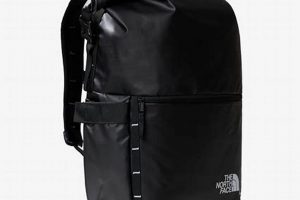
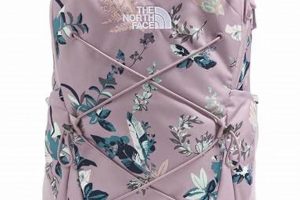
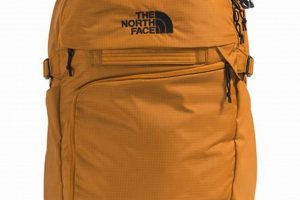
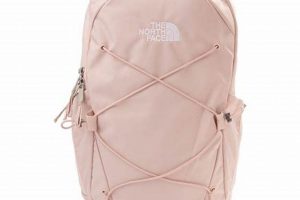
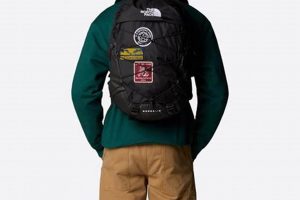
Information regarding the dimensions and volume capacities of rucksacks manufactured by The North Face is essential for consumers. These resources provide measurements in liters and/or cubic inches, often alongside physical dimensions like height, width, and depth, to help individuals select appropriate packs based on their intended use and body size. For instance, a daypack typically falls within a 20-30 liter capacity, while a multi-day backpacking pack can range from 50-75 liters or more.
Proper pack selection contributes to a comfortable and efficient carrying experience, minimizing the risk of injury or strain. Understanding capacity and fit specifications allows users to optimize weight distribution and organization. Historically, these guides have evolved from simple paper charts to interactive online tools, reflecting the brand’s commitment to customer service and the growing complexity of outdoor equipment options.
The following sections will delve into factors influencing pack size selection, methods for accurate body measurements, and how to interpret product specifications, ensuring consumers make informed decisions when purchasing a pack from The North Face.
Tips for Using Pack Dimension Information Effectively
Selecting the correct pack dimensions involves careful consideration of personal needs and pack specifications. The following tips provide guidance for optimal pack selection.
Tip 1: Assess Activity Requirements: Consider the intended use. A day hike requires less capacity than a multi-day backpacking trip. Precisely determine the necessary gear and clothing volume before consulting pack specifications.
Tip 2: Measure Torso Length Accurately: Torso length, not overall height, is the primary factor in determining appropriate pack frame size. Utilize a flexible measuring tape to measure the distance between the C7 vertebra and the iliac crest. Consult The North Face sizing charts to correlate torso length with appropriate frame sizes.
Tip 3: Understand Volume Specifications: Pack volume is typically measured in liters. Familiarize oneself with the approximate volume of commonly carried items to accurately estimate required pack capacity. For example, a standard sleeping bag might require 10-15 liters of volume.
Tip 4: Account for Adjustability: Ensure the pack features adjustable shoulder straps, hip belts, and sternum straps. These adjustments are crucial for achieving a comfortable and secure fit, regardless of body shape or load weight.
Tip 5: Consider Gender-Specific Designs: Recognize that The North Face offers packs designed specifically for male and female anatomies. These designs often feature differences in shoulder strap curvature, hip belt angle, and overall frame shape. Choose a gender-specific pack if available to optimize comfort and fit.
Tip 6: Check Pack Weight: Be aware of the pack’s empty weight. Lightweight packs reduce overall load burden, particularly important for extended trips. Balance weight savings with durability and desired features.
Tip 7: Review Product Descriptions Carefully: Pay close attention to product descriptions, which often include details about recommended load weight, material composition, and specific features relevant to pack selection.
By adhering to these guidelines, individuals can leverage pack dimension resources to choose a pack that best suits their needs, ensuring a comfortable and efficient outdoor experience.
The subsequent section will address common pitfalls to avoid when interpreting pack specifications and making purchasing decisions.
1. Torso Length

Torso length is a critical measurement when selecting a pack from The North Face, as it directly influences the fit and comfort of the carrying system. Proper torso length alignment ensures effective weight transfer to the hips, minimizing strain on the shoulders and back.
- Measurement Technique
Accurate torso length measurement is paramount. The individual should stand upright while a second person measures the distance between the C7 vertebra (the prominent bone at the base of the neck) and the iliac crest (the top of the hip bones). Inaccurate measurements can lead to selecting an improperly sized pack, resulting in discomfort and potential injury.
- Frame Size Correlation
The North Face, like other backpack manufacturers, uses torso length ranges to determine appropriate frame sizes (e.g., Small, Medium, Large). These ranges are typically provided in sizing charts. For example, a torso length of 18-20 inches might correspond to a Medium-sized pack. Deviating from the recommended frame size can compromise the pack’s load-carrying efficiency.
- Impact on Load Distribution
When the torso length matches the pack frame, the hip belt sits correctly on the hips, transferring the majority of the load weight. If the pack is too long or too short, the hip belt may sit too high or too low, placing undue stress on the shoulders and back. This can lead to fatigue, discomfort, and even injury, particularly during extended treks.
- Adjustability Considerations
While many The North Face packs offer adjustable torso lengths, this adjustability has limits. Selecting a pack that initially falls within the appropriate size range is essential, as the adjustments are intended for fine-tuning rather than compensating for a drastically mismatched torso length.
Therefore, thorough understanding and accurate measurement of torso length is paramount. Disregarding this aspect of pack selection compromises carrying comfort and efficiency and increases the likelihood of physical strain.
2. Pack Volume

Pack volume, a core component described within the resources offered by The North Face, denotes the internal capacity of a rucksack, typically measured in liters. Its direct relationship to intended activity and gear requirements makes understanding its significance paramount. A pack volume suitable for a brief day hike, carrying minimal essentials, will differ significantly from the volume necessary for a multi-day backpacking expedition demanding considerably more equipment. Consequently, a thorough evaluation of expected load is required before consulting any sizing resource.
The implications of improper volume selection extend beyond mere inconvenience. A pack with insufficient volume necessitates external attachment of items, potentially compromising balance and increasing the risk of gear loss. Conversely, an excessively large pack, even when not fully loaded, can negatively impact weight distribution, leading to instability and inefficient energy expenditure. For instance, a 65-liter pack used for a day hike, typically requiring only 20-30 liters of capacity, would be cumbersome and detrimental to the user’s mobility. Therefore, matching volume to the intended activity is essential for optimal performance and safety.
Effective utilization of a dimensions resource provided by The North Face requires accurate assessment of gear volume. Prior to consulting any chart or specification, users should create a detailed inventory of items they intend to carry. Consideration should be given to the compressed volume of items like sleeping bags and puffy jackets. Failure to perform this preliminary step increases the likelihood of selecting a pack with inadequate or excessive capacity, negating the value of the dimension guidance in its entirety. This ensures appropriate gear selection, thereby enhancing safety and comfort during outdoor activities.
3. Activity Type

Activity type serves as a primary determinant in selecting a backpack. The North Face, in its sizing resources, implicitly links pack volume and features to specific activities, recognizing that differing pursuits necessitate vastly different equipment needs. For instance, trail running, requiring minimal gear, is best suited for packs with a capacity of 10-20 liters, prioritizing lightweight design and hydration system compatibility. Backpacking, conversely, demands packs ranging from 50 to 75+ liters, capable of accommodating shelter, cooking equipment, and multiple days’ worth of supplies. The intended activity fundamentally dictates the minimum and maximum volume requirements, thereby influencing the selection of an appropriate pack.
Failure to accurately assess the intended activity can result in selecting a pack that is either insufficient or excessive for the task. A rock climber attempting a multi-pitch route would find a large backpacking pack impractical, hindering movement and posing safety risks. Conversely, a hiker embarking on a week-long trek would be severely limited by a small daypack. The correlation extends beyond volume; activity dictates feature requirements. Climbing packs emphasize rope attachment systems and streamlined profiles, while hiking packs prioritize organizational compartments and load-bearing stability. The suitability of a pack hinges on its designed purpose and the congruency with the planned activity.
Correctly identifying the activity type ensures the selected pack meets the fundamental criteria for success and safety. The North Face resources assist in this selection process by categorizing packs according to their intended use, enabling consumers to narrow their options based on specific needs. This alignment of activity and pack design facilitates optimal performance, reduces the risk of equipment failure, and enhances the overall user experience. Ignoring this critical connection can lead to discomfort, inefficiency, and potentially hazardous situations in the outdoors.
4. Adjustability
Adjustability is an integral component of North Face pack dimension guidance, serving as a critical mechanism for optimizing fit across a spectrum of body sizes and shapes. While size charts offer a starting point, human anatomy is inherently variable. Adjustable features such as torso length adjustments, shoulder strap positioning, and hip belt configurations are crucial for fine-tuning the pack to an individual’s specific contours. Without adequate adjustability, a pack, even one initially sized correctly, may cause discomfort, inefficient weight distribution, and potential injury. A pack with a fixed torso length, for example, might place the load too high or too low on the back, leading to strain on the shoulders or lower back. Conversely, an adjustable system allows the user to dial in the perfect fit, ensuring the weight is properly supported by the skeletal structure.
Practical applications of adjustability are evident in various scenarios. During a long trek, changes in clothing layers can alter the fit of the pack. Adjustable straps enable users to accommodate these changes without sacrificing comfort or stability. Furthermore, adjustable hip belts can be crucial for users with varying hip circumferences, allowing them to secure the load properly and prevent slippage. The North Face often incorporates features like load lifter straps, which pull the top of the pack closer to the body, further enhancing stability and weight distribution, particularly with heavier loads. Examples of such features are often included in the dimension guides to clarify their purpose and importance.
In summary, adjustability is not merely an ancillary feature; it is a core element of effective pack selection, enabling customization that transcends static size charts. The ability to fine-tune the fit is critical for maximizing comfort, optimizing weight distribution, and minimizing the risk of injury. Recognizing the importance of adjustability, alongside other dimension specifications, empowers consumers to make informed decisions, ultimately enhancing their outdoor experience. Challenges may arise from over-reliance on initial size charts, underscoring the need for careful adjustment and fitting before extended use.
5. Gender Specificity

The concept of gender specificity in rucksack design, as it pertains to resources from The North Face, addresses the anatomical differences between male and female users. These differences necessitate variations in pack design to optimize comfort, load distribution, and overall performance. Resources addressing dimensions often highlight these variations, enabling consumers to make informed decisions based on their individual needs.
- Torso Length Considerations
Female torsos are, on average, shorter than male torsos. Gender-specific resources provide modified sizing charts that account for this disparity. These charts allow female users to select packs with appropriate frame lengths, preventing the load from sitting too low or too high on the back. Incorrect torso length can result in discomfort and inefficient weight transfer.
- Shoulder Strap Contouring
Female rucksacks often feature shoulder straps with a more pronounced S-curve. This design accommodates the typically narrower shoulder width and greater bust volume found in female users. Standard, straight shoulder straps can cause chafing and pressure points for female users, diminishing comfort during extended use. Specified dimension resources often include diagrams illustrating these design differences.
- Hip Belt Angle and Shape
Female hip structures differ from male hip structures, necessitating variations in hip belt design. Gender-specific hip belts are often angled and contoured to better fit the female hip anatomy, ensuring optimal weight distribution and preventing slippage. Resources detail the angle and curvature of these belts, aiding users in selecting a pack that conforms to their body shape.
- Load Distribution Optimization
The combined effect of gender-specific torso length, shoulder strap contouring, and hip belt design contributes to optimized load distribution. Distributing weight effectively reduces strain on the back, shoulders, and hips, enhancing comfort and minimizing fatigue. Dimension guides emphasizing gender specificity directly contribute to this optimization, allowing users to choose packs that align with their anatomical needs.
The integration of gender-specific design elements, clearly articulated in resources, demonstrates a commitment to providing equipment that caters to the diverse needs of the user base. By understanding the anatomical differences and utilizing provided information, consumers can make selections that enhance comfort, improve performance, and minimize the risk of injury during outdoor activities.
6. Pack Weight
Pack weight, an often-overlooked element within the “north face backpack size guide,” exerts a significant influence on user experience and overall efficiency. While volume dictates carrying capacity, the empty weight of the pack itself contributes directly to the total load borne by the individual. A heavier pack, irrespective of its internal volume, demands greater energy expenditure and can exacerbate fatigue, particularly during extended treks. The “north face backpack size guide” provides information to help consumers compare pack weights across various models and sizes, facilitating a more informed purchasing decision. For example, a lightweight 50-liter pack designed for fastpacking might weigh significantly less than a more durable 50-liter pack intended for mountaineering, reflecting differences in materials and construction. Disregarding pack weight in the selection process compromises comfort and potentially diminishes performance.
The relationship between pack weight and volume is not always linear. Some designs prioritize durability and support, resulting in a higher empty weight despite a moderate volume. Conversely, ultralight packs often employ minimalist construction and lighter materials, sacrificing some durability to minimize weight. A practical application involves carefully balancing the need for carrying capacity with the desire for a lightweight pack. A hiker planning a weekend trip might opt for a lighter pack with a slightly smaller volume, prioritizing agility and reduced strain. Conversely, an expedition climber might choose a heavier, more robust pack to ensure the safety and security of essential gear, acknowledging the trade-off in terms of weight. Therefore, the “north face backpack size guide,” when utilized effectively, facilitates this crucial decision-making process.
In conclusion, pack weight forms an integral, albeit often understated, component of any resource intended to assist in rucksack selection. By considering pack weight alongside volume, torso length, and other relevant specifications, consumers can optimize their carrying experience, minimizing fatigue and maximizing efficiency in outdoor pursuits. While the “north face backpack size guide” provides valuable data, users must actively interpret and integrate this information into their decision-making process, balancing their specific needs and priorities to choose the most suitable pack. Challenges often arise from neglecting to factor in the base weight of gear, highlighting the importance of a holistic approach to load management.
7. Load Capacity

Load capacity, a critical specification found within the resource, indicates the maximum weight a rucksack is designed to carry safely and effectively. This metric is directly related to the pack’s construction, materials, and intended use. Ignoring load capacity can lead to equipment failure, discomfort, and potentially hazardous situations.
- Structural Integrity
Load capacity is fundamentally linked to a pack’s structural integrity. Exceeding the specified weight limit can compromise seams, zippers, and the overall frame, leading to premature wear or catastrophic failure. The “north face backpack size guide” often provides recommended load ranges, reflecting the pack’s design and construction. A pack designed for day hiking might have a lower load capacity than a pack designed for multi-day expeditions, owing to differences in materials and reinforcement. Using a pack beyond its recommended capacity voids any warranty and poses a safety risk.
- Weight Distribution and Comfort
Proper weight distribution is essential for comfortable and efficient carrying. A pack loaded beyond its intended capacity can distort its shape, negatively impacting weight distribution and increasing strain on the wearer’s back and shoulders. The “north face backpack size guide” implicitly considers weight distribution when specifying load capacity, ensuring that the pack maintains its intended ergonomic properties within the recommended weight range. Overloading a pack can compromise the effectiveness of the hip belt and shoulder straps, leading to discomfort and potential injury. The user needs to have a proper understanding of the features and capacity, so they can distribute the load properly for a good, and comfortable journey.
- Activity-Specific Considerations
Load capacity is directly related to the intended activity. A pack designed for trail running will typically have a lower load capacity than a pack designed for mountaineering. The “north face backpack size guide” often categorizes packs by activity, providing load capacity recommendations tailored to specific pursuits. Exceeding the load capacity for a given activity can compromise performance and safety. For example, overloading a climbing pack can hinder movement and increase the risk of falls, while overloading a backpacking pack can lead to fatigue and slow progress.
- Material Science and Design
The materials and design of a pack directly influence its load capacity. High-strength fabrics, reinforced seams, and robust frames enable a pack to carry heavier loads safely and effectively. The “north face backpack size guide” implicitly reflects these material and design considerations in its load capacity specifications. Packs constructed from lightweight materials will typically have lower load capacities than packs constructed from heavier, more durable materials. Understanding the relationship between materials, design, and load capacity is essential for selecting a pack that meets specific needs.
These facets underscore the importance of adhering to the load capacity specifications outlined in the “north face backpack size guide.” Failure to do so can compromise structural integrity, weight distribution, activity-specific performance, and the overall safety of the user. Recognizing the interplay between these factors is critical for making informed decisions when purchasing and utilizing rucksacks. Proper evaluation is key in using the pack in a safe and efficient manner.
Frequently Asked Questions Regarding Pack Selection
This section addresses common inquiries and misconceptions concerning the dimension specifications of rucksacks, aiming to clarify aspects often misunderstood during the selection process.
Question 1: How critical is accurate torso length measurement when using the “north face backpack size guide?”
Accurate torso length measurement is paramount. This measurement dictates the appropriate frame size and ensures proper weight distribution. An inaccurate torso measurement renders other specifications largely irrelevant and can lead to discomfort or injury.
Question 2: Does the “north face backpack size guide” account for gender-specific anatomical differences?
Yes, resources often account for these differences. Female-specific packs typically feature shorter torso lengths, contoured shoulder straps, and modified hip belts. Users should consult gender-specific sizing charts when available.
Question 3: Is pack volume the sole determinant of a pack’s suitability for a given activity when using the “north face backpack size guide?”
No, pack volume is one of several important factors. Activity type dictates feature requirements beyond simply volume. Climbing packs prioritize rope attachment and streamlined profiles, while hiking packs emphasize organizational compartments and load-bearing stability.
Question 4: To what extent does adjustability compensate for selecting the incorrect size based on the “north face backpack size guide?”
Adjustability allows for fine-tuning, but it does not compensate for fundamentally incorrect sizing. Users should select a pack that initially falls within their appropriate size range based on torso length before relying on adjustments.
Question 5: Why is pack weight considered a critical factor alongside load capacity, according to the “north face backpack size guide?”
Pack weight contributes to the overall load, directly impacting energy expenditure. Even if the load capacity is not exceeded, a heavier pack can exacerbate fatigue. Users should balance carrying capacity with the desire for a lightweight design.
Question 6: How can users effectively utilize the “north face backpack size guide” if they are between sizes?
In cases where a user falls between sizes, the smaller size is generally recommended. This allows for greater maneuverability and reduces the risk of the pack feeling overly large or cumbersome. Adjustments can then be used to fine-tune the fit.
Proper application of resources requires a comprehensive understanding of torso length, gender specificity, activity type, adjustability, pack weight, and load capacity. Consideration of these factors optimizes comfort, efficiency, and safety.
The following section will present a checklist for pack selection that consolidates these principles into actionable steps.
Conclusion
This exploration of the “north face backpack size guide” has underscored the multifaceted considerations involved in selecting an appropriate rucksack. Torso length, pack volume, activity type, adjustability, gender-specific designs, pack weight, and load capacity are all critical factors that must be carefully evaluated. Effective utilization of the resource demands a thorough understanding of these specifications and their interplay, enabling informed purchasing decisions that prioritize comfort, efficiency, and safety.
Ultimately, the significance of the “north face backpack size guide” lies in its capacity to empower consumers. By providing detailed information and practical guidance, this resource mitigates the risks associated with improper pack selection, contributing to more enjoyable and successful outdoor experiences. Continued advancements in pack design and fit technology will likely necessitate ongoing updates and refinements to these resources, ensuring their continued relevance and efficacy in the future.