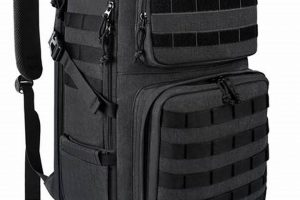
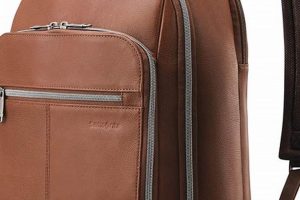
These carrying solutions offer a blend of traditional aesthetics and modern functionality. They are designed to securely transport a portable computer, often featuring a padded interior section specifically tailored for this purpose, all encased in a durable, natural material.
The popularity of such items stems from their ability to provide both protection and style. The inherent strength of the material ensures longevity, while its timeless appeal provides an alternative to more utilitarian designs. Their historical context reveals a gradual evolution, adapting to the changing needs of professionals and students who require both portability and a refined appearance. Their use signifies a commitment to quality and a desire to project a sophisticated image.
The subsequent discussion will delve into the different types available, the features to consider when selecting one, and the proper maintenance techniques required to preserve its condition.
Essential Considerations
Choosing the appropriate carrying solution requires careful evaluation of several factors. Prioritizing these elements will ensure a purchase that aligns with individual needs and provides long-term satisfaction.
Tip 1: Material Quality: Examine the leather grade meticulously. Full-grain leather offers superior durability and develops a desirable patina over time. Avoid bonded leather, as it is less resistant to wear and tear.
Tip 2: Laptop Compartment Padding: Ensure the laptop compartment features adequate padding. High-density foam or air-cushioned systems provide optimal protection against impacts during transit.
Tip 3: Stitching and Construction: Inspect the stitching carefully. Reinforced seams and durable thread are crucial for preventing tears and ensuring structural integrity, especially under heavy loads.
Tip 4: Size and Capacity: Select a size that comfortably accommodates the laptop and other essential items without being excessively bulky. Consider the dimensions of the laptop and the anticipated volume of contents.
Tip 5: Strap Comfort and Adjustability: Evaluate the shoulder straps for padding and adjustability. Wide, padded straps distribute weight evenly and prevent discomfort during extended periods of wear. Sternum straps can further enhance stability.
Tip 6: Hardware Quality: Pay attention to the zippers, buckles, and clasps. Metal hardware, such as brass or stainless steel, is more durable than plastic alternatives and resists corrosion.
Tip 7: Water Resistance: Consider a leather treatment or lining that offers some degree of water resistance. While not entirely waterproof, this feature can protect contents from light rain or spills. A dedicated rain cover may be advisable for areas with frequent precipitation.
Adhering to these considerations will facilitate an informed decision, resulting in the selection of a functional and aesthetically pleasing item that provides secure transport for valuable electronics and personal belongings.
The following section will address the appropriate care and maintenance protocols to preserve the integrity and appearance of this investment.
1. Material Durability

Material durability is a paramount consideration in the context of leather backpacks with laptop compartments. The inherent properties of the leather determine the longevity and protective capabilities of the product, influencing its ability to withstand daily use and environmental stressors.
- Leather Grade and Fiber Strength
The grade of leather directly correlates with its fiber density and tensile strength. Full-grain leather, derived from the outermost layer of the hide, retains the natural grain pattern and possesses tightly interwoven fibers, offering superior resistance to tearing and abrasion compared to lower grades like corrected or bonded leather. In practical terms, a full-grain backpack is less susceptible to damage from scrapes and impacts encountered during commuting or travel.
- Tanning Process and Chemical Resistance
The tanning process impacts the leather’s resistance to environmental factors such as moisture and UV radiation. Vegetable-tanned leather, while often more aesthetically pleasing, may be more vulnerable to water damage and fading compared to chrome-tanned leather, which exhibits greater resistance to these elements. This distinction influences the backpack’s suitability for use in varying climates and its ability to maintain its appearance over time.
- Stitching and Seam Reinforcement
While the leather itself provides the primary structural material, the quality of stitching and seam reinforcement significantly contributes to overall durability. Reinforced seams, particularly in high-stress areas such as the shoulder strap attachments and the bottom of the bag, prevent premature failure due to stretching or tearing under load. Robust stitching ensures that the individual leather panels remain securely joined, maintaining the integrity of the backpack’s form and function.
- Hardware Integration and Stress Distribution
The method by which hardware components, such as buckles, zippers, and rivets, are integrated into the leather structure also plays a crucial role. Hardware that is securely fastened and strategically placed distributes stress evenly across the leather, preventing localized strain that could lead to tearing or deformation. High-quality metal hardware, resistant to corrosion and mechanical failure, further enhances the overall durability of the backpack.
These interconnected facets of material durability collectively determine the lifespan and protective capacity of leather backpacks designed to carry valuable electronic devices. By carefully considering these factors, consumers can select a product that not only meets their aesthetic preferences but also provides reliable performance and long-term value.
2. Compartment Padding

In the context of leather backpacks designed to carry laptops, compartment padding serves as a critical protective element. Its primary function is to mitigate the risk of damage to the electronic device from impacts, shocks, and vibrations encountered during transit. The effectiveness of this padding directly influences the safety and longevity of the transported laptop.
- Material Composition and Impact Absorption
The composition of the padding material significantly affects its ability to absorb impact energy. Closed-cell foam, such as neoprene or ethylene-vinyl acetate (EVA), offers superior shock absorption compared to open-cell alternatives. Higher-density foams provide greater protection against compression and deformation, ensuring that the laptop is shielded from potentially damaging forces. The selection of appropriate materials is paramount in safeguarding sensitive electronic components.
- Padding Thickness and Distribution
The thickness of the padding, in conjunction with its distribution throughout the laptop compartment, determines the level of protection afforded to the device. Strategically placed padding in areas prone to impact, such as the bottom and corners of the compartment, provides targeted cushioning. Uniform padding distribution ensures that the laptop is uniformly protected against pressure and vibrations. Insufficient padding thickness can compromise the device’s safety, especially during accidental drops or rough handling.
- Compartment Fit and Securement
The fit of the laptop compartment and the means of securement contribute to the overall effectiveness of the padding. A snug fit prevents the laptop from shifting within the compartment during movement, minimizing the risk of frictional damage and impact forces. Securement mechanisms, such as Velcro straps or elastic bands, further stabilize the device and ensure that it remains properly positioned against the padding. A poorly fitting compartment negates the protective benefits of the padding material.
- Thermal Properties and Ventilation
In addition to impact protection, compartment padding can also influence the thermal environment surrounding the laptop. Some padding materials offer insulation properties, which can help regulate the device’s temperature during extreme weather conditions. Ventilation channels or breathable fabrics can promote airflow, preventing the buildup of heat that could potentially damage sensitive components. The integration of thermal management features enhances the overall functionality of the laptop compartment.
The properties and characteristics of compartment padding are integral to the protective capabilities of leather backpacks designed for laptop transport. Careful consideration of material composition, thickness, fit, and thermal properties is essential in selecting a backpack that provides reliable safeguarding for valuable electronic devices. The optimal design integrates these facets to ensure comprehensive protection against a range of potential hazards encountered during daily use.
3. Stitching Quality

Stitching quality represents a fundamental aspect of the structural integrity and longevity of leather backpacks designed for laptop transport. The robustness and precision of the stitching directly influence the backpack’s ability to withstand the stresses of daily use, particularly when carrying heavy loads.
- Thread Type and Tensile Strength
The type of thread employed in the stitching process dictates its resistance to breaking and abrasion. High-tensile strength threads, such as those made from nylon or polyester, offer superior durability compared to natural fibers like cotton. The use of a robust thread is critical in preventing seam failure, especially in high-stress areas such as shoulder strap attachments and zipper seams. A broken thread can initiate a chain reaction, leading to widespread seam unraveling and compromising the backpack’s structural integrity.
- Stitch Density and Uniformity
Stitch density, measured as the number of stitches per inch, directly correlates with the strength and durability of the seam. A higher stitch density provides a more secure bond between the leather panels, distributing stress more evenly and reducing the likelihood of tearing. Uniform stitch spacing is equally important, as inconsistent spacing can create weak points in the seam. Careful attention to stitch density and uniformity is essential in ensuring the long-term reliability of the backpack’s construction.
- Stitch Pattern and Reinforcement Techniques
The pattern of the stitching can significantly impact the seam’s resistance to stress. Lockstitch patterns, which interlock the thread on both sides of the leather, offer greater security compared to chain stitch patterns, which are more prone to unraveling. Reinforcement techniques, such as backstitching and bartacking, are often employed in high-stress areas to provide additional strength and prevent seam failure. Strategic use of these techniques enhances the backpack’s ability to withstand heavy loads and prolonged use.
- Seam Finishing and Edge Treatment
The method of seam finishing and edge treatment contributes to both the aesthetic appeal and the durability of the backpack. Properly finished seams are smooth and free of loose threads, preventing snagging and unraveling. Edge treatments, such as edge painting or binding, seal the raw edges of the leather, preventing moisture penetration and reducing the likelihood of fraying. These finishing details enhance the backpack’s overall appearance and extend its lifespan.
The correlation between stitching quality and the overall performance of leather backpacks with laptop compartments is undeniable. A backpack constructed with durable thread, precise stitching, reinforced seams, and carefully finished edges will provide greater reliability and longevity, ensuring the secure transport of valuable electronic devices for years to come.
4. Size Appropriateness
The concept of size appropriateness is a critical determinant in the utility and functionality of leather backpacks with laptop compartments. It represents the optimal balance between accommodating the intended contents, primarily a laptop and associated accessories, and maintaining a manageable physical profile for comfortable carry. An improperly sized backpack can lead to device damage, discomfort, and reduced efficiency.
A backpack that is too small may not adequately fit the laptop, placing undue stress on the device and potentially causing damage to its screen, chassis, or internal components. Conversely, an excessively large backpack can result in the laptop shifting during transit, increasing the risk of impact damage and contributing to uneven weight distribution, leading to user fatigue. For example, a 13-inch laptop placed in a backpack designed for a 17-inch model will experience significant movement, increasing its vulnerability to shocks. In contrast, attempting to force a 15-inch laptop into a compartment designed for a 13-inch device risks damaging both the laptop and the backpack. Therefore, the internal dimensions of the laptop compartment and the overall volume of the backpack must be carefully matched to the intended use case.
Ultimately, understanding the significance of size appropriateness in the selection of these carrying accessories translates to enhanced device protection, improved user comfort, and increased operational efficiency. While style and aesthetics are important considerations, the practical requirement of securely and comfortably transporting a laptop demands that size appropriateness remains a primary factor. Ignoring this aspect results in a compromised product that fails to fulfill its fundamental purpose. Selecting an appropriate size directly affects the backpacks usability and protects the valuable device it is intended to carry.
5. Strap Ergonomics
Strap ergonomics is a critical design element in leather backpacks intended for laptop transport. The configuration and features of the straps directly influence the user’s comfort, posture, and susceptibility to strain, particularly when carrying substantial weight. A poorly designed strap system can negate the advantages of a high-quality leather construction and protective laptop compartment.
- Shoulder Strap Width and Padding
Shoulder strap width and padding play a significant role in distributing the backpack’s weight across a larger surface area of the shoulders. Narrow straps concentrate the load, leading to pressure points and discomfort. Adequate padding, typically constructed from closed-cell foam, cushions the shoulders and reduces friction. Insufficient padding or narrow straps result in accelerated fatigue and potential nerve compression. For example, a backpack weighing 15 pounds with straps narrower than two inches and minimal padding will likely cause discomfort within a short period.
- Strap Adjustability and Contouring
Strap adjustability is essential for accommodating varying torso lengths and body shapes. Adjustable straps allow the user to position the backpack correctly on the back, ensuring that the weight is distributed evenly. Contoured straps, designed to follow the natural curvature of the shoulders, prevent the straps from digging into the neck or arms. Lack of adjustability or poorly contoured straps forces the user to compensate with improper posture, increasing the risk of back pain and muscle strain. An improperly fitted backpack places undue stress on the lumbar region, exacerbating existing back problems.
- Sternum Strap Functionality
The presence and adjustability of a sternum strap contribute significantly to stability, particularly during active movement. A sternum strap connects the two shoulder straps across the chest, preventing them from sliding off the shoulders and shifting the backpack’s center of gravity. This feature is especially important when carrying heavier loads or engaging in activities such as walking or cycling. The absence of a sternum strap requires the user to constantly readjust the shoulder straps, disrupting their gait and increasing fatigue. A properly adjusted sternum strap reduces strain on the shoulders and upper back by distributing the weight more evenly.
- Back Panel Design and Ventilation
The design of the back panel, where the backpack rests against the user’s back, also influences overall comfort. A breathable back panel, often constructed from mesh or ventilated foam, promotes airflow and reduces perspiration. This feature is particularly important in warm climates or during strenuous activities. A poorly ventilated back panel can lead to excessive sweating and discomfort, increasing the likelihood of chafing and skin irritation. An ergonomically designed back panel conforms to the natural curvature of the spine, providing support and reducing pressure points.
These ergonomic considerations directly impact the usability and comfort of leather backpacks used for laptop transport. While the aesthetic appeal of leather is undeniable, prioritizing strap design and functionality ensures that the backpack remains a practical and comfortable carrying solution, even when fully loaded. Failure to address these ergonomic factors compromises the benefits of a well-crafted leather backpack, ultimately impacting the user’s experience and well-being.
6. Hardware Longevity
Hardware longevity is an essential consideration in evaluating the overall quality and long-term value of leather backpacks designed for laptop transport. The durability and functionality of hardware components, such as zippers, buckles, and rivets, directly impact the backpack’s ability to withstand daily wear and tear, secure contents, and maintain its structural integrity over time.
- Material Composition and Corrosion Resistance
The material composition of hardware components dictates their resistance to corrosion and degradation. Solid brass, stainless steel, and zinc alloys are commonly employed in high-quality backpacks due to their inherent resistance to rust and oxidation. Plastic hardware, while lightweight, is more susceptible to breakage and degradation from UV exposure. For instance, brass zippers maintain their functionality and aesthetic appeal even after prolonged exposure to moisture, whereas plastic zippers can become brittle and prone to failure. The selection of corrosion-resistant materials is paramount in ensuring that hardware components retain their functionality and appearance over the lifespan of the backpack.
- Zipper Construction and Tooth Durability
Zipper construction and the durability of individual teeth are crucial factors in determining the overall reliability of the closure system. Metal zippers with interlocking teeth offer superior strength and resistance to separation compared to coil zippers. The gauge of the zipper teeth, typically measured in millimeters, correlates with its ability to withstand stress and prevent breakage. A high-quality zipper with robust teeth will provide a secure closure and prevent accidental opening, safeguarding the laptop and other contents. Conversely, a poorly constructed zipper with fragile teeth is prone to jamming, separation, and eventual failure, compromising the security of the backpack’s contents.
- Buckle Design and Load-Bearing Capacity
Buckles, often used for securing flaps, straps, and compartments, must possess sufficient load-bearing capacity to withstand the stresses of daily use. Metal buckles, typically constructed from brass or stainless steel, offer superior strength and durability compared to plastic alternatives. The design of the buckle, including its locking mechanism and attachment points, influences its ability to maintain a secure closure under load. A robust buckle will prevent accidental release and ensure that the backpack remains securely fastened, even when fully loaded. A poorly designed or constructed buckle is prone to breakage and slippage, compromising the backpack’s functionality and security.
- Riveting and Reinforcement Techniques
Rivets and other reinforcement techniques are employed to secure hardware components to the leather body of the backpack and distribute stress evenly across the material. Solid rivets, typically made from brass or copper, offer superior strength and resistance to pull-out compared to hollow rivets. Strategic placement of rivets in high-stress areas, such as shoulder strap attachments and handle connections, prevents premature failure and extends the lifespan of the backpack. Proper riveting ensures that hardware components remain securely attached to the leather, even under heavy loads and prolonged use.
The longevity of hardware components is inextricably linked to the overall value and utility of leather backpacks designed for laptop transport. Backpacks equipped with durable, corrosion-resistant hardware provide enhanced security, functionality, and longevity, justifying their higher cost compared to those with inferior components. Selecting a backpack with robust hardware ensures that it will withstand the rigors of daily use and provide reliable service for years to come, representing a sound investment in both protection and durability.
7. Water Resistance

Water resistance, in the context of leather backpacks with laptop compartments, represents a crucial protective attribute. While leather, by its nature, possesses some degree of inherent resistance to moisture, this characteristic is significantly enhanced through specific treatments and design considerations. The degree of water resistance directly impacts the safety and longevity of the laptop and other contents stored within the backpack.
- Leather Treatment and Tannage
The type of tannage and subsequent treatment applied to the leather significantly influences its water resistance. Vegetable-tanned leather, while aesthetically appealing, tends to be more susceptible to water damage compared to chrome-tanned leather. The application of water-resistant coatings, such as waxes or sealants, further enhances the leather’s ability to repel moisture. For example, a backpack treated with a silicone-based sealant will offer greater protection against rain and spills compared to untreated leather. However, it’s crucial to note that these treatments typically provide water resistance, not complete waterproofing.
- Seam Sealing and Construction Techniques
The method of seam construction and the application of seam sealing techniques play a vital role in preventing water ingress. Stitched seams, while structurally sound, can create pathways for water to penetrate the backpack’s interior. Seam sealing involves applying a waterproof tape or sealant to the seams, effectively blocking these potential entry points. For example, a backpack with taped and sealed seams will offer greater protection against water intrusion during heavy rainfall compared to one with untreated seams. These techniques are essential for maintaining a dry environment within the laptop compartment.
- Lining Materials and Waterproof Barriers
The choice of lining materials and the incorporation of waterproof barriers contribute significantly to the overall water resistance of the backpack. A waterproof lining, such as nylon or polyurethane-coated fabric, creates an additional layer of protection against moisture penetration. Strategically placed waterproof barriers, such as flaps or gussets, can prevent water from entering the main compartment. For instance, a backpack with a waterproof lining and a storm flap covering the zipper will offer enhanced protection against water damage. The effectiveness of these barriers depends on their material quality, construction, and integration with the overall backpack design.
- Zipper Design and Water-Resistant Closures
The design of the zippers and the inclusion of water-resistant closures directly impact the backpack’s ability to repel moisture. Water-resistant zippers, typically featuring a rubberized coating or a tight seal between the teeth, prevent water from seeping through the closure. Zipper flaps or storm flaps provide an additional layer of protection by covering the zipper and deflecting water away from the opening. A backpack equipped with water-resistant zippers and storm flaps will offer greater protection against rain and splashes compared to one with standard zippers. However, it’s important to note that even water-resistant zippers are not completely waterproof and may allow some moisture to penetrate during prolonged exposure to heavy rain.
The level of water resistance in a leather backpack with a laptop compartment is determined by the integration of these various factors. Leather treatment, seam sealing, lining materials, and zipper design all contribute to the backpack’s ability to protect the laptop and other contents from water damage. While no leather backpack can be considered entirely waterproof without specific waterproofing treatments and design, a combination of these water-resistant features provides a significant degree of protection against moisture, ensuring the safety and longevity of valuable electronic devices.
Frequently Asked Questions
The following section addresses common inquiries regarding leather backpacks specifically designed for carrying laptop computers. These answers aim to provide clarity on essential aspects related to their selection, care, and performance.
Question 1: What distinguishes full-grain leather from other leather types in these backpacks?
Full-grain leather, sourced from the outermost layer of the hide, retains its natural grain and possesses tightly interwoven fibers. This construction yields superior durability, resistance to abrasion, and the development of a desirable patina over time. Lower grades, such as corrected or bonded leather, lack these inherent qualities and exhibit reduced longevity.
Question 2: How can the laptop compartment’s padding be assessed for adequate protection?
The padding material should exhibit high-density and resilience, effectively absorbing impact energy. Closed-cell foam, such as neoprene or EVA, is preferred. The padding should be sufficiently thick, particularly in areas prone to impact, such as the bottom and corners. A snug fit within the compartment minimizes movement and enhances protection.
Question 3: What stitching characteristics indicate a high-quality, durable backpack?
High-tensile strength thread, such as nylon or polyester, is essential. Stitch density should be uniform and high, preventing seam separation. Reinforced seams in high-stress areas, such as shoulder strap attachments, are critical. Lockstitch patterns offer greater security compared to chain stitch patterns.
Question 4: How does the backpack’s size impact its functionality and the laptop’s safety?
The backpack’s internal dimensions must correspond to the laptop’s size. A compartment that is too small can damage the device, while one that is too large allows excessive movement, increasing the risk of impact damage. The overall volume should accommodate essential items without excessive bulk.
Question 5: What features contribute to ergonomic strap design and user comfort?
Wide, padded shoulder straps distribute weight evenly. Adjustable straps accommodate varying torso lengths. Contoured straps prevent pressure points. A sternum strap stabilizes the load and prevents slippage. A breathable back panel reduces perspiration.
Question 6: How can the hardware components be evaluated for longevity and resistance to failure?
Hardware should be constructed from corrosion-resistant materials, such as solid brass or stainless steel. Zippers should feature robust metal teeth. Buckles should possess adequate load-bearing capacity. Rivets should be solid and strategically placed in high-stress areas.
In summary, careful evaluation of material quality, construction techniques, and ergonomic design is crucial when selecting a leather backpack with a laptop compartment. These factors directly influence the backpack’s durability, protective capabilities, and user comfort.
The subsequent discussion will address specific maintenance and care protocols to preserve the integrity and appearance of these items.
Conclusion
The preceding analysis has elucidated the critical attributes inherent to leather backpacks specifically designed for laptop transport. Key aspects examined encompass material quality, compartment padding effectiveness, stitching integrity, size appropriateness, strap ergonomics, hardware longevity, and water resistance capabilities. Each element contributes significantly to the overall performance and enduring value of the carrying accessory.
The selection of a suitable leather backpack with a laptop compartment necessitates a discerning approach, prioritizing functional design and robust construction over purely aesthetic considerations. A commitment to quality materials and meticulous craftsmanship ensures the secure transport and protection of valuable electronic devices, representing a sound investment in both personal convenience and professional preparedness. Prudent consideration of these factors will result in a purchase that withstands the rigors of daily use and provides lasting satisfaction.