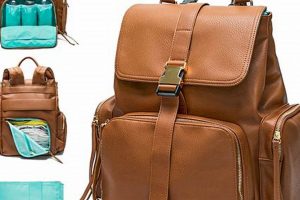
These specialized carriers are designed to safeguard photographic equipment during transport and outdoor activities. They offer protection from impacts, weather, and theft, ensuring delicate lenses, camera bodies, and accessories remain secure. The designs typically incorporate padded compartments, customizable dividers, and robust outer materials to withstand the rigors of travel. For example, a photographer hiking in the mountains might utilize such a carrier to protect their gear while maintaining mobility.
The utility of these carriers lies in their ability to combine protection with practicality. They allow photographers, both amateur and professional, to easily transport their equipment to various locations, enabling them to capture images in diverse environments. Historically, photographers relied on bulky and often less secure methods of transporting equipment. The evolution of dedicated carriers has significantly enhanced the accessibility and convenience of photography, allowing for greater creative freedom and the ability to capture images in more challenging locations.
The following sections will delve into the different types available, focusing on their specific features, advantages, and disadvantages. Considerations for selecting the optimal option based on individual needs and photographic styles will also be addressed. Ultimately, the goal is to provide a comprehensive understanding of how to choose the right equipment carrier for specific photographic endeavors.
Selection and Utilization Guidance
The following provides practical guidance for choosing and effectively utilizing a photographic equipment carrier. Careful consideration of these points will contribute to the longevity of equipment and the overall photographic experience.
Tip 1: Prioritize Equipment Protection: Evaluate the level of padding and weather resistance. Lenses and camera bodies are sensitive to impact and moisture. Select a carrier with sufficient internal padding and a water-resistant exterior, or consider a rain cover for added protection in inclement weather.
Tip 2: Assess Capacity Needs Realistically: Avoid over- or under-sizing. A carrier that is too large encourages unnecessary equipment to be carried, adding weight and potential strain. Conversely, a carrier that is too small restricts the ability to add essential gear as photographic needs evolve.
Tip 3: Consider Ergonomics and Comfort: Weight distribution and strap design are crucial. Extended periods of carrying equipment can lead to fatigue and injury. Look for features such as padded shoulder straps, sternum straps, and waist belts to distribute weight evenly and provide support.
Tip 4: Evaluate Access and Organization: Efficient access to equipment is vital. A well-organized interior allows for quick retrieval of specific lenses or accessories. Consider models with customizable dividers and multiple access points.
Tip 5: Check Durability and Material Quality: A robust carrier will withstand wear and tear. Examine the stitching, zippers, and material strength. High-quality materials such as nylon or reinforced canvas indicate greater durability.
Tip 6: Scrutinize Security Features: Theft is a significant concern. Opt for models with lockable zippers, hidden compartments, or tamper-resistant closures to deter theft, especially when traveling in unfamiliar areas.
Implementing these suggestions will significantly enhance the protection, portability, and accessibility of photographic equipment, contributing to a more efficient and enjoyable photographic process.
The succeeding section will discuss common issues encountered with photographic equipment carriers and methods for maintaining them, further extending their lifespan and usefulness.
1. Protection

Protection, in the context of photographic equipment carriers, directly correlates with the preservation of sensitive and valuable gear. These specialized bags and backpacks are designed to mitigate potential damage from environmental factors and physical stress, ensuring functionality and extending the lifespan of photographic instruments.
- Impact Resistance
Impact resistance refers to the carrier’s ability to absorb and dissipate forces generated by drops, bumps, or collisions. This is achieved through strategically placed padding constructed from materials such as closed-cell foam or air cushions. In real-world scenarios, a photographer navigating rough terrain relies on this feature to prevent lens misalignments or damage to the camera’s internal mechanisms should an accidental fall occur. Insufficient impact resistance can lead to costly repairs or complete equipment failure.
- Weatherproofing
Weatherproofing protects equipment from moisture, dust, and extreme temperatures. Many carriers employ water-resistant or waterproof outer materials and sealed zippers to prevent water ingress during rain or snow. Additionally, specialized linings can regulate temperature and prevent condensation buildup within the carrier. For example, a wildlife photographer working in humid environments requires effective weatherproofing to prevent lens fogging and electronic malfunctions. Failure to provide adequate weather protection can result in irreversible damage to sensitive components.
- Scratch Prevention
Scratch prevention is essential for maintaining the optical integrity of lenses and the aesthetic condition of camera bodies. Carriers typically feature soft, non-abrasive interior linings that prevent scratching during transport and storage. Customizable dividers also prevent equipment from rubbing against each other. A photojournalist frequently changing lenses in the field relies on these features to avoid surface damage that can degrade image quality and reduce the resale value of their equipment. Lack of scratch prevention can result in a gradual accumulation of cosmetic and functional damage.
- Theft Deterrence
While not a direct form of physical protection, theft deterrence safeguards equipment from unauthorized access. Many modern carriers incorporate lockable zippers, hidden compartments, and RFID-blocking technology to prevent theft and data breaches. A travel photographer navigating crowded urban environments relies on these features to protect their gear from opportunistic thieves. Implementing theft deterrence measures minimizes the risk of financial loss and the disruption of photographic projects.
These multifaceted protective measures are integral to the design and functionality of camera bags and backpacks. By mitigating risks associated with impact, weather, scratches, and theft, these carriers contribute significantly to the long-term preservation and operational readiness of valuable photographic equipment. The selection of a carrier with appropriate protective features directly reflects a photographer’s commitment to safeguarding their investment and ensuring optimal performance in diverse shooting conditions.
2. Capacity

Capacity, in the context of photographic equipment carriers, refers to the internal volume and organizational structure designed to accommodate cameras, lenses, and associated accessories. The relationship between capacity and carrier design is causal: the intended volume dictates the overall size and configuration of the bag or backpack. Insufficient capacity restricts the photographer’s ability to carry essential gear, potentially limiting creative opportunities and preparedness for diverse shooting scenarios. Conversely, excessive capacity may lead to unnecessary bulk and weight, impacting mobility and comfort. For example, a landscape photographer planning a multi-day trek requires a carrier with ample capacity for multiple lenses, camera bodies, batteries, filters, and potentially a drone, while a street photographer might prioritize a smaller, more discreet carrier for a single camera and lens. Thus, a correct assessment of capacity needs is paramount.
The organizational structure within the available capacity is equally important. Customizable dividers, padded compartments, and dedicated pockets are essential for securing equipment and preventing damage during transit. Consider a wildlife photographer using a telephoto lens. A carrier with a dedicated, padded compartment for the lens is crucial to prevent it from shifting and potentially colliding with other items, which could cause misalignment of the optical elements. Similarly, designated battery and memory card pockets prevent these small but vital components from being lost or damaged. The practical significance of understanding capacity lies in the photographer’s ability to efficiently and safely transport their equipment, maximizing productivity and minimizing the risk of damage.
In summary, the correct selection of carrier capacity is pivotal for both practical and creative reasons. Challenges arise when predicting future equipment needs and balancing capacity with portability. However, understanding the connection between carrier design and capacity, and carefully assessing individual photographic requirements, ensures a more effective and enjoyable photographic experience. This understanding forms a crucial component in the broader theme of optimizing photographic workflows and safeguarding valuable equipment, ultimately facilitating the capture of high-quality images in diverse settings.
3. Ergonomics

Ergonomics plays a crucial role in the design and functionality of photographic equipment carriers. The relationship between ergonomics and these carriers is one of direct influence: design choices impact the user’s physical comfort and well-being, potentially affecting their ability to perform photographic tasks effectively. An ill-designed carrier, lacking ergonomic considerations, can lead to musculoskeletal strain, fatigue, and even long-term injuries. For instance, a heavy camera bag without adequate padding or weight distribution can cause shoulder and back pain, hindering the photographer’s ability to move freely and concentrate on their work. Thus, attention to ergonomic principles is not merely a matter of convenience; it is essential for maintaining the photographer’s physical health and productivity.
Practical applications of ergonomic design in these carriers include features such as padded shoulder straps, adjustable sternum straps, and supportive waist belts. These elements distribute weight evenly across the body, reducing pressure points and minimizing strain. Breathable materials used in the back panel can improve ventilation and prevent overheating, enhancing comfort during extended periods of use. Furthermore, the strategic placement of pockets and compartments allows for easy access to equipment without requiring the user to contort their body or strain their back. A wildlife photographer, for example, spending hours tracking animals in the field, benefits greatly from an ergonomically designed carrier that minimizes physical discomfort and allows for quick and efficient access to their gear. The consequences of neglecting ergonomic principles can range from minor discomfort to debilitating injuries, negatively impacting the photographer’s ability to work and pursue their passion.
In conclusion, ergonomics is a critical component of photographic equipment carriers, influencing not only the user’s comfort but also their long-term physical health and ability to perform effectively. Prioritizing ergonomic design features, such as proper weight distribution, adjustable straps, and breathable materials, is essential for minimizing strain and maximizing productivity. The challenge lies in balancing ergonomic considerations with other design factors, such as capacity and protection. However, a well-designed carrier that incorporates ergonomic principles effectively contributes to a more enjoyable and sustainable photographic practice, allowing photographers to focus on their craft without compromising their physical well-being.
4. Organization

Organization, within the context of photographic equipment carriers, directly influences efficiency and equipment safety. A structured internal layout allows for the segregation and secure placement of camera bodies, lenses, filters, and accessories. The absence of a well-defined organizational system results in equipment jostling, increasing the risk of scratches, impacts, and, in extreme cases, component failure. For instance, a photojournalist covering a breaking news event benefits from a carrier that facilitates rapid access to specific lenses and memory cards, minimizing downtime and maximizing the opportunity to capture crucial images. Conversely, a haphazardly organized carrier can lead to fumbling and delays, potentially resulting in missed shots and compromised journalistic integrity. The causal link between organizational design and operational effectiveness is, therefore, demonstrably significant.
Practical applications of organizational principles in camera bags and backpacks include customizable dividers, dedicated pockets for small items, and clearly defined compartments for larger equipment. These features enable photographers to arrange their gear according to individual workflow preferences and shooting requirements. Consider a wildlife photographer working in varied environments. A carrier with customizable dividers allows for the secure storage of telephoto lenses, wide-angle lenses, and macro lenses, preventing them from colliding during transport. Furthermore, dedicated pockets for batteries and memory cards ensure these essential accessories are readily accessible, minimizing disruption to the photographic process. The economic implications of poor organization are also noteworthy: damage to equipment due to inadequate storage can result in costly repairs or replacements, impacting the photographer’s budget and potentially hindering their ability to pursue future projects.
In summary, organization is an integral component of camera bag and backpack design, directly affecting equipment safety, operational efficiency, and economic sustainability. Challenges arise when balancing organizational features with other design considerations, such as weight and portability. However, prioritizing a well-structured internal layout, coupled with customizable features, ensures that photographic equipment is protected, easily accessible, and ready for deployment in diverse shooting scenarios. This understanding contributes to a more professional and effective photographic practice, enabling photographers to focus on their craft without being hindered by logistical inefficiencies.
5. Durability

Durability, with respect to photographic equipment carriers, is paramount to safeguarding valuable and often delicate equipment. The inherent function of these carriers is protection, and durability directly influences the extent to which they fulfill this role. A carrier constructed from inferior materials or exhibiting poor craftsmanship is susceptible to damage from environmental factors and the stresses of regular use. This vulnerability translates directly to an increased risk of damage to the equipment it is intended to protect. For instance, a landscape photographer traversing rugged terrain relies on a robust carrier to withstand abrasion from rocks and exposure to inclement weather. A failure in the carrier’s construction, such as a torn seam or a broken zipper, can compromise the equipment’s protection, potentially leading to costly repairs or complete equipment loss. The causal relationship between durability and equipment preservation is, therefore, undeniably significant.
Practical implementations of durability in camera bag and backpack design manifest in the selection of high-quality materials, reinforced stitching, and robust hardware. Nylon, canvas, and other synthetic fabrics known for their abrasion resistance are commonly used in the construction of the outer shell. Reinforced stitching at stress points, such as strap attachments and zipper junctions, enhances the carrier’s ability to withstand heavy loads and repeated use. Heavy-duty zippers, buckles, and other hardware components contribute to the overall structural integrity of the carrier. Consider a photojournalist working in conflict zones. Their equipment carrier must withstand not only the rigors of travel but also the potential for exposure to harsh conditions and physical duress. The selection of a carrier with demonstrable durability is not merely a matter of preference but a necessity for ensuring the continued functionality of their equipment. The economic implications of compromised durability are substantial, as the cost of replacing damaged equipment can significantly impact a photographer’s financial resources.
In conclusion, durability is an indispensable attribute of photographic equipment carriers, directly impacting their ability to protect valuable equipment and withstand the stresses of professional use. Challenges arise when balancing durability with other design considerations, such as weight, comfort, and aesthetics. However, prioritizing the selection of high-quality materials, reinforced construction techniques, and robust hardware ensures that the carrier provides reliable protection and longevity. This understanding contributes to a more professional and sustainable photographic practice, enabling photographers to focus on their craft without the constant worry of equipment damage or failure.
6. Security

Security, within the context of photographic equipment carriers, is a critical consideration for safeguarding valuable and sensitive equipment from theft, damage, and unauthorized access. The implementation of effective security measures directly mitigates the risk of financial loss, data breaches, and disruption to professional or personal photographic projects. The selection of a carrier with robust security features is, therefore, a prudent investment for any photographer.
- Lockable Zippers and Compartments
Lockable zippers and compartments represent a fundamental security feature, deterring opportunistic theft and preventing unauthorized access to equipment. High-quality zippers constructed from durable materials and designed for use with small padlocks or combination locks provide a physical barrier against tampering. Hidden compartments, strategically integrated into the carrier’s design, offer a discreet location for storing valuable items such as passports, cash, or sensitive data storage devices. A photojournalist working in high-risk environments, for example, benefits from lockable zippers that prevent unauthorized individuals from accessing their equipment or confidential data. The absence of such features significantly increases the vulnerability of the equipment to theft.
- Slash-Resistant Materials
Slash-resistant materials, often integrated into the construction of the carrier’s exterior and straps, provide a defense against attempts to cut or slash the bag in order to gain access to its contents. These materials typically consist of interwoven steel cables or high-density fabrics that resist cutting and tearing. A travel photographer navigating crowded urban areas is particularly vulnerable to this type of theft and benefits from the added protection offered by slash-resistant materials. Failure to incorporate such materials compromises the security of the contents and increases the risk of loss due to theft.
- RFID-Blocking Technology
RFID-blocking technology protects sensitive data stored on electronic devices, such as credit cards and passports, from unauthorized scanning and data theft. This technology typically involves the integration of a metallic mesh or lining into the carrier’s pockets and compartments, which blocks radio frequency signals used by RFID scanners. A photographer traveling internationally benefits from RFID-blocking technology, which prevents criminals from remotely accessing their personal information and committing identity theft. The absence of such protection increases the risk of data breaches and financial fraud.
- Tamper-Evident Closures
Tamper-evident closures, such as specialized zippers, buckles, or seals, provide a visual indication if the carrier has been opened or tampered with. These closures are designed to be difficult to replicate and leave visible evidence of tampering, alerting the user to potential security breaches. A forensic photographer transporting sensitive evidence, for example, relies on tamper-evident closures to maintain the chain of custody and ensure the integrity of the evidence. The lack of such features compromises the security and reliability of the carrier, potentially invalidating the integrity of the contents.
In summary, the integration of these security features into camera bags and backpacks is crucial for safeguarding valuable photographic equipment and protecting sensitive data. While no single feature provides absolute security, the combination of multiple layers of protection significantly reduces the risk of theft, damage, and unauthorized access. The careful selection of a carrier with appropriate security features reflects a proactive approach to risk management and contributes to a more secure and confident photographic practice.
Frequently Asked Questions
The following addresses common inquiries regarding the selection, utilization, and maintenance of specialized carriers for photographic equipment.
Question 1: What differentiates a photographic equipment carrier from a standard bag or backpack?
Photographic equipment carriers are distinguished by their padded compartments, customizable dividers, and robust construction designed specifically to protect delicate lenses, camera bodies, and accessories from impact, weather, and theft. Standard bags lack these protective features.
Question 2: How is the appropriate carrier size determined?
The optimal size depends on the volume of equipment typically carried. A carrier should accommodate the camera body, lenses, and essential accessories without overcrowding or leaving excessive empty space. Consider future equipment acquisitions when selecting a size.
Question 3: What materials offer the best protection against the elements?
Water-resistant nylon or canvas materials provide adequate protection against light rain and moisture. For prolonged exposure to inclement weather, a waterproof carrier or rain cover is recommended.
Question 4: What ergonomic features should be prioritized?
Padded shoulder straps, sternum straps, and a supportive waist belt are crucial for distributing weight evenly and minimizing strain during extended periods of carrying equipment. Breathable back panels enhance comfort.
Question 5: How can theft be deterred while using a photographic equipment carrier?
Select carriers with lockable zippers, hidden compartments, and slash-resistant materials. Consider using a cable lock to secure the carrier to a stationary object in high-risk environments.
Question 6: What maintenance procedures are recommended to prolong the lifespan of a carrier?
Regularly clean the carrier with a damp cloth to remove dirt and debris. Inspect zippers and seams for damage. Store the carrier in a dry environment when not in use. Avoid overloading the carrier beyond its specified weight capacity.
In summary, the appropriate selection and diligent maintenance of a photographic equipment carrier are paramount for safeguarding valuable equipment and ensuring a productive photographic practice.
The subsequent section will explore advanced features and technological innovations in the realm of photographic equipment carriers.
Camera Bag and Backpack
This exploration has underscored the critical role that specialized photographic equipment carriers play in safeguarding and transporting valuable tools of the trade. From protective features and organizational layouts to ergonomic designs and security enhancements, these bags and backpacks are integral to both the creative process and the financial well-being of photographers. The choice between designs is not merely a matter of preference but a calculated assessment of individual needs and potential risks.
Photographers are encouraged to critically evaluate the diverse range of options available and select carriers that align with their specific photographic style, environmental conditions, and security concerns. A well-chosen camera bag and backpack represents a long-term investment in the preservation and accessibility of essential equipment, ultimately contributing to the sustained success of photographic endeavors.


![Best Backpack Tennis Racket Bag [Gear Guide] | Ultimate Backpack Traveler Guide: Tips, Destinations & Budget Hacks](https://backpack-traveler.com/wp-content/uploads/2026/02/th-120-300x200.jpg "Best Backpack Tennis Racket Bag [Gear Guide] Ultimate Backpack Traveler Guide: Tips, Destinations & Budget Hacks")