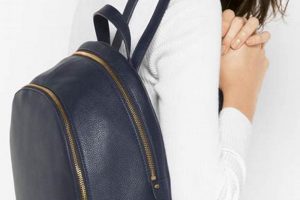
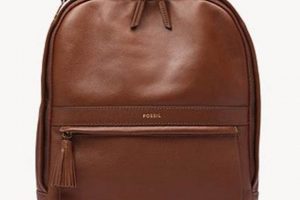
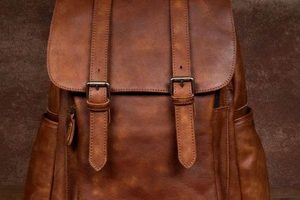
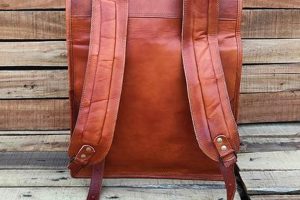
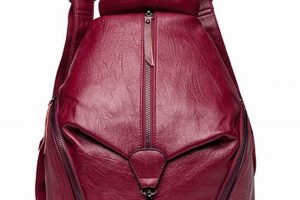
A bag constructed from synthetic materials designed to mimic the appearance and texture of genuine leather, intended for carrying items on the back, represents a practical and stylish accessory. Such articles often feature adjustable straps, multiple compartments, and reinforced stitching to enhance durability and functionality.
The growing preference for these items stems from several factors. Ethical considerations regarding animal welfare, coupled with the economic advantages of mass production using synthetic materials, contribute significantly to their popularity. Historically, the development of polyurethane and polyvinyl chloride enabled the creation of leather alternatives that offer comparable aesthetics at a reduced cost, thus broadening accessibility.
The subsequent sections will delve into the specific attributes of these items, including manufacturing processes, environmental impact, maintenance requirements, and a comparative analysis with genuine leather alternatives. Understanding these facets allows for informed purchasing decisions and promotes responsible consumption.
Enhancing the Longevity and Utility of Synthetic Leather Backpacks
The following recommendations aim to provide guidance on maximizing the lifespan and functionality of articles fabricated from imitation leather.
Tip 1: Regular Cleaning is Imperative: Employ a damp cloth and mild soap solution to gently cleanse the exterior surface. Avoid abrasive cleaners that may cause discoloration or damage to the synthetic material.
Tip 2: Proper Storage Prevents Deformation: When not in use, store the item in a cool, dry place, preferably in a dust bag. Stuffing it with acid-free paper or cloth helps maintain its shape and prevent creasing.
Tip 3: Avoid Overloading the Item: Exceeding the weight capacity can strain the seams and straps, leading to premature wear and tear. Distribute weight evenly within the compartments.
Tip 4: Protect from Extreme Temperatures: Prolonged exposure to direct sunlight or excessive heat can cause the material to dry out, crack, or fade. Similarly, avoid leaving it in freezing temperatures, which can make the material brittle.
Tip 5: Address Stains Promptly: Attend to spills or stains immediately using a clean, absorbent cloth. Specialized faux leather cleaning products may be necessary for persistent stains; however, test the product on an inconspicuous area first.
Tip 6: Condition Periodically: Applying a faux leather conditioner can help maintain the material’s suppleness and prevent it from drying out over time. Follow the manufacturer’s instructions for application.
Implementing these strategies contributes to preserving the aesthetic appeal and structural integrity, thereby extending the usability of this type of bag.
The subsequent section will explore the environmental considerations related to the production and disposal of these synthetic leather products.
1. Durability

The durability of a synthetic leather bag is a critical factor influencing its overall value and suitability for intended use. The material’s capacity to withstand wear and tear, resist environmental factors, and maintain structural integrity directly impacts its lifespan and usability.
- Material Composition and Resistance
The type and quality of polymers used in crafting the imitation leather significantly affect its resistance to abrasion, tearing, and cracking. Higher-grade polyurethane materials, for instance, tend to exhibit greater resilience than cheaper PVC alternatives. Proper layering and reinforcement during the manufacturing process further enhance the material’s ability to endure daily stresses.
- Seam Strength and Construction
The strength of the seams holding the panels together is paramount. Reinforced stitching techniques, such as double stitching or bar-tacking at stress points, are vital in preventing seam failure under load. Poorly constructed seams are often the first point of failure in these types of products, even if the synthetic leather itself remains intact.
- Hardware Quality and Attachment
Buckles, zippers, and straps are integral components that contribute to overall durability. The use of high-quality metal hardware, as opposed to plastic, enhances resistance to breakage and corrosion. Secure attachment methods, such as rivets or reinforced stitching, are crucial for preventing hardware detachment under stress.
- Resistance to Environmental Factors
Exposure to sunlight, moisture, and temperature fluctuations can degrade synthetic leather over time. UV-resistant coatings and waterproofing treatments can mitigate these effects, extending the bag’s lifespan. However, even with such treatments, prolonged exposure to harsh environmental conditions can still lead to fading, cracking, or delamination of the synthetic material.
The longevity of the bag is inextricably linked to these facets of durability. Careful consideration of the materials used, construction techniques employed, and the bag’s inherent resistance to environmental factors is essential for assessing its suitability for specific needs and expectations. While generally less durable than genuine leather, advancements in synthetic leather technology continue to improve the resilience of these items.
2. Aesthetics

The aesthetic appeal of a synthetic leather bag significantly influences consumer purchasing decisions and its subsequent integration into personal style. The imitation material aims to replicate the visual characteristics of genuine leather, including its texture, color, and perceived quality. The success of this replication determines the bag’s market acceptance and perceived value. For example, a meticulously crafted synthetic leather with a convincing grain pattern and rich color depth may be perceived as a high-end accessory, impacting its suitability for professional settings or formal occasions. Conversely, a poorly manufactured imitation lacking these attributes may be relegated to casual or utilitarian use.
The aesthetic component extends beyond material imitation to encompass design elements such as hardware, stitching, and overall bag structure. These details contribute to the bag’s visual harmony and perceived sophistication. Consider the impact of polished metal accents versus plastic fittings, or the effect of precisely aligned stitching versus uneven seams. Furthermore, designers leverage color palettes and textural variations to create bags that align with current fashion trends or cater to specific consumer preferences. A black synthetic leather backpack with minimalist hardware might be favored for its versatility and timeless appeal, while a brightly colored bag with decorative embellishments might attract a younger demographic seeking a bolder fashion statement.
Ultimately, the aesthetic of a synthetic leather bag represents a carefully considered balance between imitation and innovation. While the primary goal is to emulate the look of genuine leather, designers often incorporate unique design elements to differentiate their products and appeal to diverse consumer tastes. Understanding the interplay between material replication and design innovation is crucial for appreciating the aesthetic complexity and market position of these types of bags, as well as informing decisions regarding both product design and consumer selection.
3. Cost-Effectiveness
The economic advantages associated with synthetic leather bags represent a significant factor driving their prevalence in the marketplace. The affordability of these alternatives to genuine leather stems from differences in material production, manufacturing processes, and supply chain dynamics. This cost advantage extends to both consumers and manufacturers, influencing purchasing decisions and production strategies.
- Material Acquisition and Processing
The production of synthetic leather relies on readily available raw materials, typically petroleum-based polymers or plant-based derivatives. These materials are generally less expensive to acquire and process compared to the labor-intensive and resource-demanding processes involved in tanning genuine leather. The reduced cost of raw materials translates directly into lower production expenses for the manufacturer.
- Manufacturing Efficiency
Synthetic leather production often involves automated processes, enabling mass manufacturing with reduced labor costs. Unlike the craftmanship involved in high-end leather goods, synthetic materials can be efficiently molded, cut, and stitched using machinery. This streamlined manufacturing process further contributes to the overall cost-effectiveness of the final product, thus making it a great value in comparison.
- Consumer Affordability and Accessibility
The lower price point of synthetic leather bags broadens their accessibility to a wider range of consumers. This affordability makes these bags attractive to price-sensitive buyers or those seeking budget-friendly alternatives. Consequently, the widespread availability of affordable options can increase the overall market demand for bags.
- Long-Term Value and Replacement Costs
While genuine leather bags may offer greater durability and longevity, the lower initial cost of synthetic options allows consumers to replace them more frequently without incurring significant financial strain. This “disposable” aspect can be appealing to individuals who value variety or prioritize short-term savings over long-term investment. For budget minded individuals, this can be a great alternative to genuine leather backpack.
The interplay between these factors solidifies the cost-effectiveness proposition of these bags, offering a compelling alternative for consumers seeking style and functionality without the premium price tag associated with genuine leather. However, consideration must also be given to the environmental impact and durability trade-offs when evaluating the overall value proposition.
4. Maintenance
The longevity and aesthetic appeal of a synthetic leather bag are directly correlated with the implementation of a consistent and appropriate maintenance regimen. Neglecting routine care can result in premature degradation of the material, discoloration, and structural damage, diminishing the bag’s utility and visual presentation. For example, the accumulation of dirt and grime on the surface can compromise the material’s flexibility, leading to cracking and peeling over time. Similarly, exposure to moisture without proper drying can foster mold growth, resulting in irreversible staining and odor. Therefore, integrating maintenance into the usage cycle is essential to preserving the bag’s functional and aesthetic characteristics.
Proper maintenance practices include regular cleaning with a mild soap solution and a soft cloth to remove surface dirt and debris. Furthermore, conditioning the material with a synthetic leather-specific product can help maintain its suppleness and prevent drying. Prompt stain removal is also crucial, as allowing stains to set can make them significantly more difficult to eliminate. Storage considerations also play a significant role; storing the bag in a cool, dry place away from direct sunlight will mitigate potential damage from extreme temperatures and UV exposure. Failure to adhere to these practices increases the risk of material deterioration, necessitating premature replacement.
In summary, proactive and consistent maintenance is indispensable for maximizing the lifespan and preserving the aesthetic qualities of these bags. While the material composition offers inherent advantages in terms of cost and ethical considerations, these benefits are contingent upon diligent care and attention. Neglecting maintenance compromises the product’s value proposition and can lead to unnecessary expenditures and environmental impact associated with premature disposal and replacement.
5. Versatility
The utility of a bag fabricated from synthetic leather is significantly enhanced by its adaptable nature. This adaptability, or versatility, stems from a confluence of design elements and material properties that collectively broaden the range of situations and purposes for which the bag is appropriate. For instance, a bag featuring a muted color palette and streamlined silhouette can transition seamlessly from a professional office environment to a casual weekend outing, showcasing the importance of design in determining versatile applications. The presence of multiple compartments and adjustable straps further contributes to this adaptability, allowing users to customize the bag’s configuration to accommodate diverse carrying needs. These features demonstrate that a greater understanding of the connection between features and utilization is required to grasp the full extent of its adaptability.
Consider the practical implications of this versatility. A student might utilize it to carry textbooks and a laptop during the school week, then repurpose the same bag to transport hiking gear on a weekend excursion. A working professional could use it to carry documents and personal items to the office, and then subsequently employ it as a gym bag after work. The ability to fulfill multiple roles minimizes the need for multiple specialized bags, thereby reducing clutter and promoting efficient resource utilization. Examining successful bag designs and consumer usage patterns underscores the direct correlation between versatile design and broader consumer appeal.
In summary, the versatility is a key attribute that enhances the value proposition of these bags. This versatility stems from a combination of aesthetic neutrality and functional design elements. While challenges remain in achieving optimal balance between these elements, the practical significance of versatility is undeniable. Bags that are designed with versatility in mind offer greater utility and appeal to a wider consumer base.
6. Environmental Impact
The ecological consequences associated with bags fabricated from synthetic leather warrant careful examination. The production, use, and disposal phases each contribute to a complex environmental footprint, characterized by resource depletion, pollution, and waste generation. Understanding these interconnected elements is crucial for informed decision-making and mitigating adverse effects. For instance, the manufacturing of polyvinyl chloride (PVC), a common synthetic leather material, involves the use of chlorine, a highly toxic substance that can release harmful dioxins into the environment. These dioxins persist in the environment, accumulating in the food chain and posing risks to human health.
The persistence of synthetic materials in landfills presents a significant challenge. Unlike genuine leather, which is biodegradable under specific conditions, synthetic leather can take hundreds of years to decompose, contributing to long-term waste accumulation. Furthermore, the incineration of synthetic leather releases harmful greenhouse gases, exacerbating climate change. Alternative synthetic materials, such as polyurethane (PU) and those derived from plant-based sources, may offer reduced environmental impacts compared to PVC. However, these alternatives still require significant energy and chemical inputs during production. Companies are exploring more sustainable manufacturing practices, such as using recycled materials and reducing water consumption, but widespread adoption remains a challenge. Governmental regulations and consumer demand for eco-friendly products are driving the adoption of these more sustainable practices.
In summary, the environmental impact associated with this bag is multi-faceted and requires a holistic assessment. While offering cost advantages and ethical considerations compared to genuine leather, synthetic alternatives still pose environmental challenges related to material production, waste disposal, and resource utilization. Addressing these challenges necessitates a shift towards more sustainable manufacturing practices, the adoption of environmentally friendly materials, and responsible consumer choices. A comprehensive understanding of the environmental trade-offs is essential for promoting responsible consumption and fostering a more sustainable future.
Frequently Asked Questions
This section addresses common inquiries regarding synthetic leather bags, providing objective information to aid in informed decision-making.
Question 1: What is the typical lifespan of a synthetic leather backpack?
The expected lifespan varies depending on usage intensity, environmental exposure, and maintenance practices. Under normal conditions, a well-maintained bag may last from one to three years. However, heavy use or neglect can significantly reduce its longevity.
Question 2: How does synthetic leather compare to genuine leather in terms of water resistance?
Synthetic leather generally exhibits greater inherent water resistance than untreated genuine leather. However, prolonged exposure to moisture can still lead to water damage, particularly if the seams and zippers are not adequately sealed. Waterproofing sprays can enhance water resistance.
Question 3: What cleaning agents are suitable for maintaining a synthetic leather bag?
A mild soap solution and a soft, damp cloth are generally sufficient for routine cleaning. Harsh chemicals, abrasive cleaners, and solvents should be avoided, as they can damage the material’s surface. Specialized synthetic leather cleaners may be used, but should be tested in an inconspicuous area first.
Question 4: Can synthetic leather be repaired if it is torn or scratched?
Minor scratches and abrasions may be concealed using synthetic leather repair kits. However, significant tears or damage may be difficult or impossible to repair effectively. Professional repair services may offer patching or replacement options, but the results may not always be satisfactory.
Question 5: Is synthetic leather a sustainable alternative to genuine leather?
The sustainability of synthetic leather is a complex issue. While it avoids the ethical concerns associated with animal products, the production of synthetic leather often involves the use of petroleum-based chemicals and energy-intensive processes. The environmental impact depends on the specific materials and manufacturing practices employed. Some newer bio-based synthetic leathers offer improved sustainability profiles.
Question 6: How can one distinguish between genuine leather and synthetic leather?
Genuine leather typically exhibits a natural grain pattern, unique imperfections, and a distinctive odor. Synthetic leather tends to have a more uniform appearance and may have a plastic-like smell. A “genuine leather” label is not always reliable, so careful examination of the material’s texture and edges is recommended.
In summary, synthetic leather bags offer a practical and affordable alternative to genuine leather. Understanding their limitations and implementing appropriate care practices can maximize their lifespan and utility.
The subsequent section will explore the diverse range of styles and designs available in the synthetic leather bag market.
Faux Leather Backpack
This exploration has considered the multifaceted nature of the synthetic leather bag. The analysis encompassed durability, aesthetics, cost-effectiveness, maintenance requirements, versatility, and environmental ramifications. Each attribute presents a trade-off, requiring consumers and manufacturers to weigh competing priorities. Durability and environmental impact often conflict with cost considerations, necessitating informed choices based on individual values and needs.
The continued evolution of materials and manufacturing techniques holds the potential to mitigate some of the identified challenges. Increased adoption of sustainable practices and development of bio-based synthetic alternatives may lead to a reduction in environmental footprint. Ultimately, responsible consumption and a commitment to transparency across the supply chain are crucial for ensuring the long-term viability of the synthetic leather market and minimizing its negative consequences. Further research and development are essential to refine material properties and enhance the overall sustainability of these items.