![The Ultimate Leather Tote Backpack Guide [2024]](data:image/svg+xml;base64,PHN2ZyB4bWxucz0iaHR0cDovL3d3dy53My5vcmcvMjAwMC9zdmciIHdpZHRoPSI0NzQiIGhlaWdodD0iMTUwIiB2aWV3Qm94PSIwIDAgNDc0IDE1MCI+PHJlY3Qgd2lkdGg9IjEwMCUiIGhlaWdodD0iMTAwJSIgc3R5bGU9ImZpbGw6I2NmZDRkYjtmaWxsLW9wYWNpdHk6IDAuMTsiLz48L3N2Zz4= "The Ultimate Leather Tote Backpack Guide [2024] Ultimate Backpack Traveler Guide: Tips, Destinations & Budget Hacks")
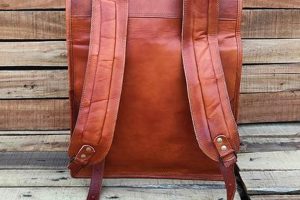
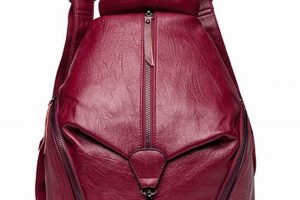
A versatile carryall, this type of bag combines the features of a traditional tote with the functionality of a backpack. Constructed from leather, it offers both style and durability, allowing for shoulder carrying via tote handles or conversion to a backpack with adjustable straps. This dual-functionality makes it adaptable to various needs, from professional settings to casual outings.
This design offers several advantages. The leather material provides a sophisticated aesthetic and long-lasting wear. The tote configuration allows for easy access to contents, while the backpack option provides hands-free convenience and weight distribution, making it suitable for heavier loads or longer commutes. Historically, such adaptable designs have emerged in response to the demand for multi-purpose accessories that cater to dynamic lifestyles.
Subsequent sections will delve into specific design considerations, material variations, care and maintenance recommendations, and the target demographic best suited for this type of accessory. Furthermore, an examination of market trends and prominent manufacturers will provide a comprehensive overview of this product category.
Essential Considerations for Leather Tote Backpack Selection and Maintenance
The following guidelines provide essential information for selecting and maintaining a leather tote backpack, ensuring longevity and optimal performance.
Tip 1: Evaluate Leather Quality: Prioritize full-grain or top-grain leather for enhanced durability and aesthetic appeal. Examine the leather’s surface for imperfections, which may indicate lower quality.
Tip 2: Assess Stitching Integrity: Inspect the stitching along all seams and stress points. Tight, even stitching indicates superior construction and reduces the likelihood of seam failure.
Tip 3: Consider Hardware Durability: Evaluate the quality of buckles, zippers, and clasps. Opt for solid metal hardware over plastic alternatives to ensure longevity and functionality.
Tip 4: Examine Compartment Organization: Determine if the internal compartments and pockets adequately meet organizational needs. Consider features such as padded laptop sleeves and zippered pockets for secure storage.
Tip 5: Verify Strap Comfort and Adjustability: Assess the padding and adjustability of the backpack straps. Wide, padded straps contribute to comfortable weight distribution, especially when carrying heavier loads.
Tip 6: Implement Regular Cleaning: Use a soft, damp cloth to regularly clean the leather surface. Avoid harsh chemicals or abrasive cleaners, which can damage the material.
Tip 7: Apply Leather Conditioner: Periodically apply a leather conditioner to maintain the material’s moisture content and prevent cracking. Follow the manufacturer’s instructions for application.
Adhering to these guidelines will contribute to the long-term preservation and functionality of the leather tote backpack, ensuring it remains a reliable and stylish accessory.
The subsequent section will address frequently asked questions regarding the suitability of this type of bag for various purposes and individuals.
1. Material Durability

Material durability is a paramount consideration in the context of a leather tote backpack. The longevity and utility of the bag are intrinsically linked to the inherent strength and resistance to wear exhibited by the leather utilized in its construction. This section will explore key facets of material durability as they pertain to this type of accessory.
- Leather Grade and Fiber Strength
The grade of leather, ranging from full-grain to genuine leather, directly influences its fiber density and resistance to tearing or abrasion. Full-grain leather, retaining the entire grain layer, exhibits the highest fiber strength, making it significantly more resistant to damage compared to lower grades. The selection of leather grade, therefore, has a substantial impact on the bag’s overall durability and ability to withstand daily use.
- Tanning Process and Chemical Resistance
The tanning process, whether vegetable or chrome tanning, affects the leather’s resistance to environmental factors. Vegetable-tanned leather, while often possessing a richer aesthetic, may be more susceptible to water damage compared to chrome-tanned leather. The tanning process also influences the leather’s resistance to chemicals, such as those found in cleaning products, impacting its long-term appearance and structural integrity.
- Hardware Reinforcement and Stress Point Durability
Material durability extends beyond the leather itself to encompass the hardware components used in the bag’s construction. Rivets, buckles, and zippers must be constructed from robust materials, such as solid brass or stainless steel, to withstand repeated stress and prevent failure. Reinforcement at key stress points, such as handle attachments and strap anchorages, is essential for ensuring the bag’s ability to carry substantial weight without structural compromise.
- Seam Construction and Stitching Strength
The method of seam construction and the strength of the stitching play a crucial role in the bag’s overall durability. Double-stitched seams, employing high-tensile strength thread, provide enhanced resistance to tearing and separation compared to single-stitched seams. The stitch density, measured in stitches per inch, further contributes to seam integrity, with higher densities offering greater resistance to stress. Improper seam construction can lead to premature failure, compromising the bag’s structural integrity.
In conclusion, the material durability of a leather tote backpack is a multifaceted attribute encompassing leather grade, tanning process, hardware quality, and seam construction. Each of these factors contributes to the bag’s overall resistance to wear and tear, ultimately determining its lifespan and suitability for its intended purpose. A thorough assessment of these elements is essential for selecting a bag that will withstand the rigors of daily use and maintain its aesthetic appeal over time.
2. Convertible Functionality

Convertible functionality, as it pertains to the leather tote backpack, represents a critical design element that enhances the accessory’s versatility and adaptability. This feature allows the bag to transition seamlessly between a traditional tote, carried by its handles, and a backpack, utilizing shoulder straps, catering to diverse user needs and preferences.
- Dual Carrying Modes: Tote and Backpack
The primary facet of convertible functionality lies in the capacity to switch between tote and backpack modes. This transformation accommodates various carrying requirements, from professional settings where a tote’s aesthetic is preferred to situations demanding hands-free mobility where backpack configuration is advantageous. The ease and speed of this conversion are key considerations, affecting user experience and practical utility. Examples include commuting via public transportation where backpack mode offers convenience or attending a business meeting requiring a more formal tote presentation.
- Strap Concealment and Deployment Mechanisms
Effective convertible functionality relies on a well-designed mechanism for concealing the backpack straps when not in use and deploying them quickly and securely when needed. Straps may be stowed within a dedicated compartment, attached via a system of clips or buckles, or integrated into the bag’s design in a manner that minimizes visual clutter when in tote mode. The reliability and accessibility of these mechanisms are vital for a seamless user experience. A poorly designed system can result in cumbersome transitions and reduced practicality.
- Weight Distribution and Ergonomic Considerations
The convertible design impacts weight distribution and ergonomic considerations. When used as a backpack, the design should ensure balanced weight distribution across the shoulders and back, minimizing strain and maximizing comfort. When used as a tote, the handle design and placement should facilitate comfortable carrying without undue pressure on the hand or shoulder. Achieving optimal ergonomic performance in both modes requires careful attention to strap placement, handle design, and overall bag geometry. For instance, wider, padded straps can significantly improve comfort in backpack mode.
- Impact on Aesthetic Design
Convertible functionality influences the aesthetic design of the leather tote backpack. Integrating backpack straps without compromising the clean lines and sophisticated appearance of a tote requires careful consideration of materials, hardware, and design elements. The successful integration of these features contributes to a product that is both functional and visually appealing. Design compromises may be necessary to accommodate the convertible mechanism, requiring a balance between aesthetic ideals and practical considerations. For example, using detachable straps can maintain a cleaner tote silhouette.
These facets of convertible functionality collectively determine the practicality and value of a leather tote backpack. The ease of transition between carrying modes, the reliability of the deployment mechanism, the ergonomic design, and the impact on aesthetic appeal all contribute to the overall user experience. A well-executed convertible design enhances the versatility and adaptability of the leather tote backpack, making it a compelling accessory for individuals seeking a balance of style and functionality.
3. Design Aesthetics

Design aesthetics significantly influence the market positioning and consumer appeal of a leather tote backpack. The visual characteristics of the bag, including its form, color, and detailing, determine its perceived value and suitability for various contexts, ranging from professional environments to casual settings. The interplay between aesthetics and functionality is crucial in creating a product that resonates with target demographics.
- Form and Silhouette
The overall shape and silhouette of the leather tote backpack dictate its visual impact and perceived formality. Structured designs with clean lines project professionalism, while more relaxed, unstructured forms suggest a casual aesthetic. Examples include minimalist designs emphasizing geometric shapes and utilitarian functionality, or more ornate designs incorporating curves and decorative elements. The form directly affects the bag’s ability to complement different attire and environments.
- Color Palette and Material Finish
The selection of color and the finish of the leather contribute significantly to the bag’s aesthetic. Neutral colors, such as black, brown, and navy, offer versatility and align with professional norms. Bold colors and textured finishes can create a statement piece suitable for more expressive contexts. Material finishes, ranging from matte to glossy, further influence the perceived quality and sophistication of the bag. A well-chosen color palette can enhance the bag’s visual appeal and target specific consumer preferences.
- Hardware and Embellishments
Hardware components, such as zippers, buckles, and rivets, function practically but also contribute to the bag’s design aesthetic. Metal hardware can add a touch of elegance or industrial flair, while subtle, understated hardware maintains a minimalist aesthetic. Embellishments, such as stitching details, embossed logos, or decorative accents, can enhance the bag’s visual interest and brand identity. Thoughtful integration of hardware and embellishments elevates the overall design and perceived value.
- Proportionality and Balance
Proportionality and balance are fundamental principles of design aesthetics. The relationship between the bag’s dimensions, handle size, and strap placement determines its visual harmony and overall appeal. A well-proportioned bag appears balanced and visually pleasing, while an imbalanced design can appear awkward or unrefined. These elements are crucial to achieving a cohesive and sophisticated design aesthetic.
These facets of design aesthetics collectively contribute to the overall appeal and marketability of a leather tote backpack. By carefully considering form, color, hardware, and proportionality, manufacturers can create a product that resonates with target consumers and successfully communicates the desired brand identity. The balance between aesthetics and functionality is key to creating a product that is both visually appealing and practically useful.
4. Storage Capacity
Storage capacity, a primary determinant of a leather tote backpacks utility, directly influences its suitability for various purposes. The internal volume and organization of compartments dictate the range of items that can be accommodated, thereby affecting the bag’s applicability for daily commutes, travel, or professional engagements. Inadequate storage capacity limits the bags functionality, whereas excessive or poorly organized space can hinder accessibility and contribute to unnecessary bulk. For example, a professional utilizing the bag for work might require dedicated compartments for a laptop, documents, and personal items, demanding a specific volume and organizational structure. Conversely, a student might prioritize larger, less-structured compartments to accommodate textbooks and study materials.
The relationship between storage capacity and the intended use case is critical. A tote backpack designed for minimalist carry might feature a single main compartment with minimal internal organization, prioritizing a slim profile and lightweight design. Bags intended for travel or extensive daily use often incorporate multiple compartments, including padded laptop sleeves, zippered pockets for valuables, and external pockets for quick access items. These design features enhance organization and accessibility, optimizing the utilization of available space. The effective management of internal space, therefore, becomes a key differentiator between a merely functional bag and one that is truly user-centered.
The understanding of storage capacity, its measurement in liters or cubic inches, and its relationship to organizational features constitutes a key element in assessing the practicality of a leather tote backpack. Challenges arise in balancing the need for ample storage with the desire for a compact and aesthetically pleasing design. Ultimately, the effective utilization of internal space, coupled with a thoughtful organizational layout, determines the bag’s ability to meet the diverse storage demands of its user, solidifying its value as a versatile and practical accessory.
5. Carry Comfort
Carry comfort is a primary factor influencing the user experience and practical utility of a leather tote backpack. The inherent weight of leather, coupled with the potential for substantial cargo, necessitates careful design considerations to mitigate strain and ensure comfortable transport. Several facets contribute to this critical aspect of the accessory.
- Strap Design and Ergonomics
The design of the backpack straps is paramount to carry comfort. Wide, padded straps distribute weight more evenly across the shoulders, reducing pressure points. Ergonomic contouring conforms to the natural curvature of the shoulders and back, further enhancing comfort. Adjustable straps allow for customization to fit various body types and carrying preferences. For instance, a poorly designed strap can lead to concentrated pressure, resulting in discomfort and potential strain, particularly when carrying heavy loads. Conversely, well-designed straps promote balanced weight distribution, reducing fatigue during extended wear.
- Back Panel Construction and Ventilation
The back panel, which rests against the user’s back, plays a crucial role in both comfort and ventilation. Padded back panels provide cushioning and reduce friction. Breathable materials, such as mesh, promote airflow, minimizing heat and perspiration buildup. A poorly ventilated back panel can lead to discomfort and moisture accumulation, particularly in warm weather. Some designs incorporate channels or contours to further enhance airflow and promote ergonomic support. Properly constructed back panel distributes the load and enhances comfort during extended usage.
- Weight Distribution and Load Stabilization
Even weight distribution is essential for minimizing strain and maximizing carry comfort. Internal compartments and organization features contribute to balanced loading. Compression straps help stabilize the load and prevent shifting, further enhancing comfort and reducing strain. Improper weight distribution can lead to imbalance, causing discomfort and potential injury. Effective load stabilization minimizes movement, preventing the load from pulling or shifting during activity.
- Handle Design and Grip
While primarily intended for tote-style carrying, the handle design contributes to overall carry comfort, particularly when transitioning between backpack and tote modes. Padded handles provide a comfortable grip, reducing pressure on the hand and wrist. Ergonomic shaping conforms to the contours of the hand, further enhancing comfort. A poorly designed handle can lead to discomfort and fatigue during prolonged carrying. Therefore, even for this secondary method of carrying, having a well-designed handle proves to be essential for the end users.
These facets collectively determine the carry comfort of a leather tote backpack. Design considerations that prioritize strap ergonomics, back panel ventilation, balanced weight distribution, and handle design contribute to a user experience that is both comfortable and practical. These elements, combined with the bag’s overall functionality and aesthetic appeal, ultimately influence its value as a versatile and desirable accessory.
Frequently Asked Questions
The following questions address common concerns and provide detailed information regarding the selection, use, and maintenance of leather tote backpacks.
Question 1: What distinguishes full-grain leather from other leather grades in a tote backpack?
Full-grain leather retains the entire grain layer, exhibiting the highest fiber density and strength. This results in superior durability, resistance to wear, and the development of a unique patina over time. Other leather grades, such as top-grain or genuine leather, undergo processes that remove or alter the grain, reducing their durability and aesthetic qualities.
Question 2: How can the longevity of a leather tote backpack be maximized?
Longevity can be maximized through regular cleaning with a soft, damp cloth, periodic application of a leather conditioner, and proper storage when not in use. Avoiding exposure to harsh chemicals, extreme temperatures, and direct sunlight is also crucial. Additionally, prompt repair of any damage, such as tears or loose stitching, will prevent further degradation.
Question 3: What is the optimal weight load for a leather tote backpack to prevent damage?
The optimal weight load depends on the specific construction and materials of the bag. However, exceeding the manufacturer’s recommended weight limit, typically specified in the product information, should be avoided. Overloading can strain seams, hardware, and straps, leading to premature failure. Distributing weight evenly within the bag also helps to minimize stress on individual components.
Question 4: How should a leather tote backpack be properly stored to prevent damage or deformation?
Proper storage involves cleaning the bag thoroughly before storage, stuffing it with acid-free paper or fabric to maintain its shape, and storing it in a dust bag or breathable container. The storage location should be cool, dry, and away from direct sunlight or heat sources. Avoid storing the bag in a compressed or folded manner, as this can cause creases or permanent deformation.
Question 5: What cleaning agents or methods are suitable for maintaining the appearance of a leather tote backpack?
Suitable cleaning agents include mild soap and water applied with a soft cloth. Specialized leather cleaners and conditioners formulated for the specific type of leather are also recommended. Avoid using harsh chemicals, abrasive cleaners, or solvents, as these can damage the leather’s surface. Always test any cleaning agent on an inconspicuous area first to ensure compatibility.
Question 6: How can the straps on a convertible leather tote backpack be properly adjusted for optimal comfort?
Straps should be adjusted to distribute weight evenly across the shoulders, ensuring a snug but not overly tight fit. The top of the bag should align with the upper back, and the bottom should rest comfortably on the lower back. Adjustments should be made while the bag is loaded to simulate actual carrying conditions. Regularly check and readjust the straps as needed to maintain optimal comfort and prevent strain.
The preceding answers provide essential guidelines for the informed selection and responsible care of leather tote backpacks, ensuring their continued utility and aesthetic appeal.
The subsequent section will explore the market landscape and prominent manufacturers of these adaptable accessories.
Concluding Assessment of the Leather Tote Backpack
This exploration has elucidated the multifaceted nature of the leather tote backpack. From an examination of material durability and convertible functionality to an analysis of design aesthetics, storage capacity, and carry comfort, the critical attributes have been thoroughly assessed. The provided frequently asked questions offer further insight into the informed selection and responsible maintenance of such accessories. A comprehension of these factors facilitates a more discerning approach to acquisition and care.
Ultimately, the continued evolution of the leather tote backpack hinges on a commitment to both innovation and quality. Future developments may emphasize enhanced ergonomic designs, sustainable sourcing practices, and the seamless integration of technology. The ongoing pursuit of excellence ensures that this adaptable accessory remains a relevant and valuable asset for individuals navigating the demands of modern life. Further research is recommended prior to acquisition.