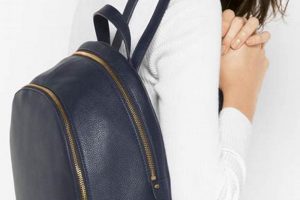
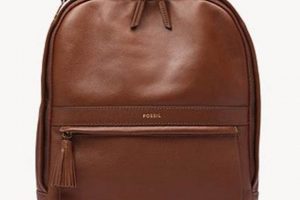
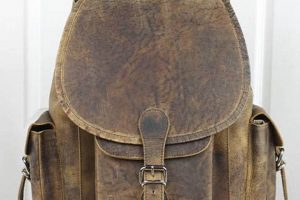
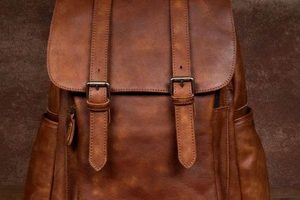
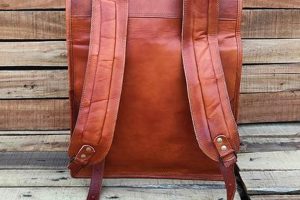
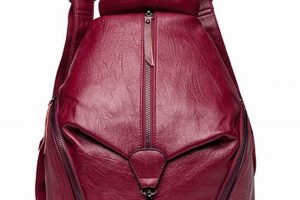
The selection of a superior quality leather rucksack designed for women involves considering factors such as durability, style, and ergonomic design. Such a product serves as a practical and fashionable accessory, suitable for a variety of uses ranging from professional settings to casual outings. The ideal item balances aesthetic appeal with functional features such as organized compartments and comfortable straps.
Investing in a well-crafted leather backpack offers several advantages. Leather is a naturally resilient material that withstands wear and tear, ensuring longevity. Over time, leather develops a unique patina, enhancing its visual character. Historically, backpacks have evolved from purely utilitarian objects to fashion statements, with leather versions often signifying a blend of sophistication and practicality. The rise in demand for these items reflects a broader trend towards combining functionality with enduring style.
Therefore, an examination of the characteristics of premium leather rucksacks tailored for women, including assessments of material quality, design innovation, and user reviews, will inform a discerning selection process. Subsequent sections will detail specific features, brands, and styles that exemplify excellence in this product category.
Selection Guidance for Leather Backpacks
Acquiring a leather backpack necessitates careful consideration of several factors to ensure optimal utility and enduring value. The following guidelines offer insights for informed decision-making.
Tip 1: Evaluate Leather Quality: Examine the type of leather used. Full-grain leather represents the highest quality, offering superior durability and developing a desirable patina over time. Top-grain leather, a slightly less expensive option, still provides excellent resilience. Avoid bonded leather, which consists of scraps and fibers, and exhibits reduced longevity.
Tip 2: Assess Construction Integrity: Inspect stitching quality. Uniform, tightly-spaced stitches indicate superior craftsmanship and contribute to the backpack’s structural integrity. Reinforcements at stress points, such as strap attachments and corners, are crucial for withstanding daily use.
Tip 3: Consider Ergonomic Design: Evaluate strap padding and adjustability. Wide, padded straps distribute weight evenly, minimizing strain on shoulders and back. Adjustable straps allow for a customized fit, enhancing comfort during extended wear.
Tip 4: Prioritize Interior Organization: Analyze compartment layout. Multiple compartments facilitate efficient storage and organization of belongings. Padded sleeves protect electronic devices, while smaller pockets accommodate accessories. Consider the specific storage requirements based on intended usage.
Tip 5: Verify Hardware Durability: Examine zippers, buckles, and clasps. High-quality metal hardware ensures secure closure and withstands repeated use. Ensure that zippers operate smoothly and that buckles and clasps are robust and reliable.
Tip 6: Scrutinize Lining Material: Assess the quality of the interior lining. Durable, tear-resistant linings protect the backpack’s contents and enhance its overall longevity. Consider linings with water-resistant properties for added protection against spills and inclement weather.
A meticulous evaluation of these criteria enables the selection of a leather backpack that aligns with individual needs and preferences, ensuring a worthwhile investment that combines functional utility with enduring style.
The concluding section will summarize key considerations and offer perspectives on maintaining the leather backpack to preserve its appearance and extend its lifespan.
1. Leather Quality

Leather quality is a paramount determinant in evaluating the suitability and value of any leather rucksack intended for women. It directly influences the backpack’s durability, aesthetic appeal, and long-term performance, serving as a foundational criterion for discerning its overall merit.
- Type of Leather and its Impact on Longevity
The grade of leather significantly affects the lifespan of the backpack. Full-grain leather, derived from the top layer of the hide, exhibits exceptional strength and develops a desirable patina with age. Top-grain leather, while still durable, undergoes sanding to remove imperfections, potentially reducing its resistance to wear. Genuine leather, often a lower-quality split leather, offers less durability and a shorter lifespan compared to its full-grain and top-grain counterparts. Bonded leather, composed of shredded leather fibers, provides minimal resistance to tearing and abrasion, rendering it unsuitable for applications requiring durability.
- Tanning Process and its Effect on Aesthetics and Durability
The tanning process affects both the visual qualities and the resilience of the material. Vegetable tanning utilizes natural tannins, yielding a supple leather with a rich, warm tone that darkens beautifully over time. Chrome tanning, a faster and more cost-effective method, produces a soft, pliable leather resistant to staining, but with less character. The choice of tanning method influences the leather’s resistance to moisture, its ability to retain its shape, and its overall aesthetic appeal.
- Surface Finish and its Contribution to Appearance and Protection
The surface finish applied to leather impacts its visual appeal and its ability to withstand environmental factors. Aniline finishes preserve the natural grain and texture of the leather, resulting in a luxurious, tactile experience. Semi-aniline finishes offer a compromise between natural appearance and enhanced protection against stains and scratches. Corrected-grain finishes, often applied to lower grades of leather, provide a uniform appearance but may lack the depth and character of natural finishes. A well-chosen finish not only enhances the backpack’s aesthetic but also contributes to its resistance to water damage and scuffing.
- Stitch Density and Edge Finishing as Indicators of Workmanship
The quality of stitching and edge finishing provide valuable insight into the overall craftsmanship of the leather backpack. High stitch density, utilizing strong threads, ensures that seams withstand stress and prevent tearing. Precisely finished edges, whether burnished or folded, contribute to the backpack’s refined appearance and prevent fraying or separation of layers. Attention to these details reflects a commitment to quality construction and extends the lifespan of the product.
In conclusion, leather quality represents a critical element in determining the suitability of a leather backpack for women. The type of leather, tanning method, surface finish, and construction details all contribute to the backpack’s durability, aesthetic appeal, and long-term value. Selecting a backpack crafted from high-quality leather, processed with care, and meticulously constructed ensures a worthwhile investment that combines functional utility with enduring style.
2. Ergonomic Design

Ergonomic design is a critical component in determining the suitability of a leather backpack for women. The physical structure of the human body, particularly the spine and shoulders, necessitates careful consideration in backpack design to mitigate potential strain and discomfort. A poorly designed backpack, irrespective of its aesthetic appeal or material quality, can contribute to musculoskeletal issues over time. The connection between ergonomic design and a high-quality leather backpack lies in the reduction of load-bearing stress through optimized weight distribution and anatomical conformity. For example, padded shoulder straps, a contoured back panel, and adjustable torso lengths are features directly addressing ergonomic principles, enhancing user comfort during extended periods of use.
The practical significance of incorporating ergonomic design into leather backpacks manifests in several key areas. First, it promotes proper posture, reducing the likelihood of back pain and spinal misalignment. Second, it allows for a more even distribution of weight across the shoulders and back, preventing localized pressure points that can lead to discomfort and fatigue. Third, adjustable straps and sternum clips facilitate a customized fit, ensuring the backpack remains stable and close to the body, minimizing swaying and potential strain. A real-world example is a medical professional who carries essential equipment in a leather backpack throughout the day. An ergonomically designed backpack is essential for maintaining comfort and preventing work-related injuries.
In conclusion, the integration of ergonomic design principles is not merely an optional feature but a necessity in creating a leather backpack deemed best for women. Challenges remain in balancing aesthetic considerations with the functional requirements of ergonomic support. However, manufacturers who prioritize ergonomic features alongside high-quality materials and construction methods offer products that contribute to long-term user well-being. Therefore, an understanding of the biomechanical considerations inherent in backpack design is crucial for informed selection and represents a significant factor in evaluating the overall value of a leather backpack.
3. Compartment layout

The arrangement of interior and exterior sections within a leather rucksack is a critical determinant of its overall functionality and user satisfaction. The organization of these sections impacts accessibility, security, and weight distribution, which significantly influences the practical utility of the product. A well-conceived layout maximizes efficiency, safeguarding items while maintaining ease of access.
- Main Compartment Size and Accessibility
The dimensions and access points of the primary section affect the capacity and ease of loading and retrieving larger items. A wide opening facilitates packing bulky objects, while internal dividers or sleeves create sub-compartments for organized storage. Inadequate volume or a restrictive opening diminishes the utility, limiting the backpack’s versatility for various applications. Consider the trade-off between accommodating larger items and maintaining a streamlined external profile.
- Dedicated Laptop/Tablet Sleeve
A padded enclosure designed specifically for electronic devices is an essential feature for professionals and students. The sleeve should provide adequate protection against impact and abrasion, preventing damage during transit. Secure closure mechanisms, such as Velcro straps or zippered compartments, ensure that devices remain securely in place. Insufficient padding or inadequate dimensions compromise the security and protection of sensitive electronic equipment.
- Small Item Organization Pockets
The inclusion of smaller, strategically placed pockets enhances the organization of essential items such as keys, wallets, and mobile phones. Internal zippered compartments and external slip pockets offer secure storage options while maintaining easy access. The absence of dedicated small item organization leads to clutter and difficulty in retrieving frequently used objects, diminishing user efficiency.
- Water Bottle and Umbrella Storage
External pockets designed to accommodate water bottles or umbrellas provide convenient storage options while preventing spills and moisture from damaging internal contents. Elasticized closures or adjustable straps ensure a secure fit for various sizes of containers. The absence of external storage forces users to store these items within the main compartment, increasing the risk of spills and potential damage to other belongings.
Effective compartment design is an essential attribute of the superior leather backpack. These considerations contribute to overall functionality, offering security, and enhancing the practical use. The strategic layout, size, and security are important for consumers that seek functionality, ease of use, and organization when seeking a solution when looking for a leather backpack.
4. Hardware Durability

The longevity and reliable functionality of a leather backpack are significantly influenced by the quality and resilience of its hardware. Elements such as zippers, buckles, clasps, and rivets, collectively termed “hardware,” are subject to frequent stress and wear. Their durability directly affects the backpack’s ability to securely contain and protect its contents, making it a critical factor in evaluating the suitability of a leather backpack for women.
- Zippers: Material Composition and Tooth Design
Zippers are primary closure mechanisms, experiencing repeated opening and closing cycles. High-quality zippers, typically constructed from metal alloys such as brass or stainless steel, exhibit greater resistance to corrosion and breakage compared to plastic alternatives. Tooth design, including tooth size and interlocking mechanism, influences the zipper’s ability to maintain secure closure under stress. Example: A backpack with a robust metal zipper is more likely to withstand frequent use and prevent accidental opening compared to one with a flimsy plastic zipper. The implications for a leather backpack lie in the assurance of secure containment of valuable items.
- Buckles and Clasps: Load-Bearing Capacity and Material Strength
Buckles and clasps secure straps, flaps, and pockets. Their load-bearing capacity is crucial for maintaining the backpack’s structural integrity when fully loaded. Materials such as solid brass or reinforced polymers provide superior strength and resistance to deformation under pressure. Example: A backpack with sturdy metal buckles is better equipped to support the weight of heavy books or electronic devices without failing. The implications for women carrying work-related items are a more secure and reliable carrying experience, preventing strap detachment.
- Rivets and Reinforcements: Structural Integrity and Stress Point Resilience
Rivets and reinforcements reinforce critical stress points, such as strap attachments and corners, distributing load and preventing tearing. These components should be constructed from durable materials, such as solid copper or stainless steel, and securely fastened to both the leather and the internal structure. Example: A backpack with reinforced stitching and rivets at strap attachment points is less likely to experience strap detachment under heavy loads. This directly impacts the long-term usability of the backpack and extends its lifespan.
- Metallic Feet: Base Protection and Abrasion Resistance
Metallic feet, often found on the base of backpacks, provide a protective barrier against abrasion and moisture damage when the backpack is placed on the ground. These feet should be constructed from non-corrosive materials and securely attached to the base. Example: A leather backpack with metallic feet is less susceptible to wear and tear on the leather base, maintaining its aesthetic appeal and preventing water damage. This contributes to the backpack’s longevity and overall value.
In summary, the durability of hardware components is integral to the overall quality and functionality of a leather backpack designed for women. The choice of materials, construction methods, and design features collectively determine the hardware’s ability to withstand the stresses of daily use and contribute to the backpack’s longevity. Selecting a backpack with robust, well-constructed hardware ensures a secure, reliable, and long-lasting carrying solution.
5. Stitching Integrity
Stitching integrity is a crucial, yet often overlooked, determinant in the overall quality and longevity of a superior leather backpack designed for women. The stitching, the method by which individual pieces of leather are joined, directly impacts the structural soundness and aesthetic appeal of the final product. Deficiencies in stitch quality inevitably lead to premature wear, seam separation, and ultimately, the functional failure of the backpack.
The connection between meticulous stitching and a top-tier leather backpack is evident in the backpack’s ability to withstand daily use. High-quality stitching employs strong, durable threads, often waxed for added water resistance and abrasion protection. Consistent stitch density, characterized by uniform spacing and tension, ensures even distribution of stress along the seams. Reinforcements at stress points, such as strap attachments and zipper junctions, are essential for preventing tearing under load. For instance, a failure at a strap attachment point, due to inadequate stitching, renders the backpack unusable, regardless of the leather’s quality. Conversely, a backpack with precisely executed, reinforced stitching can withstand years of rigorous use, maintaining its structural integrity and aesthetic appeal.
Therefore, evaluating stitch quality is paramount in selecting a leather backpack that represents long-term value. Close examination of stitch density, thread type, and reinforcement techniques provides insight into the manufacturer’s commitment to quality craftsmanship. While subtle, the presence of robust and meticulously executed stitching signifies a dedication to producing a durable and reliable product, justifying a higher investment. In conclusion, careful consideration of stitching integrity should be a primary factor in the decision-making process for any discerning consumer seeking a lasting and high-performing leather backpack.
6. Size & capacity

The selection of a leather backpack for women necessitates careful consideration of both its size and its internal capacity. These two factors directly influence the backpack’s utility and suitability for various purposes. Inadequate size restricts the ability to carry essential items, rendering the backpack impractical, while excessive size can compromise comfort and maneuverability. Therefore, a balance between size and capacity is crucial in determining what constitutes an optimal leather backpack.
The correlation between size, capacity, and the intended usage is evident in real-world scenarios. A professional woman requiring a backpack for daily commuting may prioritize a compact design with sufficient capacity for a laptop, documents, and personal items. Conversely, a student may require a larger capacity to accommodate textbooks, notebooks, and other academic materials. For travel purposes, size restrictions imposed by airlines and the need to carry clothing and toiletries necessitate a different set of size and capacity considerations. An inappropriately sized or capacity-constrained backpack can lead to discomfort, inconvenience, and the inability to carry essential items, highlighting the practical significance of this understanding.
Ultimately, the ideal size and capacity of a leather backpack are dictated by individual needs and preferences. Challenges arise in finding a backpack that balances aesthetic appeal with functional requirements. However, a clear understanding of the intended usage and the volume of items to be carried enables a more informed selection process. By prioritizing size and capacity alongside other factors such as leather quality and ergonomic design, consumers can ensure that their chosen leather backpack not only complements their style but also serves as a practical and reliable companion.
7. Style & Finish

The aesthetic attributes, encompassing style and finish, play a crucial role in determining the suitability of a leather backpack, particularly in the context of preferences specific to women. These stylistic elements, including silhouette, hardware, and surface treatment, influence the overall impression and versatility of the accessory. A discerning selection process requires careful consideration of these factors to align the product with individual taste and professional or personal requirements.
- Silhouette and Form Factor
The silhouette, or overall shape, of the leather backpack impacts its visual appeal and perceived formality. Streamlined, minimalist designs often lend themselves to professional settings, while more relaxed, unstructured forms may be better suited for casual use. The form factor can also influence the distribution of weight and the ease of access to internal compartments. A well-proportioned silhouette enhances the aesthetic value and contributes to ergonomic comfort. Example: A rectangular backpack with clean lines projects a more professional image than a slouchy, oversized style.
- Hardware Detailing and Material Consistency
The choice of hardware, including buckles, zippers, and clasps, significantly affects the perceived quality and style of the leather backpack. Metal hardware, particularly in finishes such as brushed brass or polished silver, often conveys a sense of luxury and durability. Consistency in hardware material and finish contributes to a cohesive and refined appearance. Example: A leather backpack with tarnished or mismatched hardware detracts from its overall aesthetic, regardless of the leather quality.
- Surface Treatment and Texture
The surface treatment of the leather, whether smooth, textured, or embossed, influences its tactile qualities and visual appeal. Smooth finishes offer a sleek, modern look, while textured finishes, such as pebbled or distressed leather, provide a more rugged, vintage aesthetic. Embossing can add subtle visual interest and brand identity. Example: A leather backpack with a highly polished surface may be more susceptible to scratches, while a textured finish can conceal minor imperfections.
- Color Palette and Dyeing Techniques
The color palette and dyeing techniques employed in the leather’s production determine its visual impact and versatility. Neutral colors, such as black, brown, and tan, offer greater adaptability to various outfits and occasions. Dyeing techniques can influence the depth and richness of the color, with aniline dyes preserving the natural grain and texture of the leather. Example: A leather backpack with a vibrant, unconventional color may make a bolder statement but may be less versatile for professional use.
In summation, the style and finish of a leather backpack are crucial elements in determining its overall desirability and suitability for women. The interplay between silhouette, hardware, surface treatment, and color palette contributes to the backpack’s aesthetic appeal and its ability to complement individual style preferences. Prioritizing these stylistic considerations alongside practical factors such as size and capacity ensures a well-rounded selection process and a product that meets both functional and aesthetic requirements.
Frequently Asked Questions Regarding Leather Backpacks for Women
This section addresses common inquiries concerning the selection, care, and usage of leather rucksacks intended for women. The aim is to provide clear, concise, and informative answers to assist in informed decision-making.
Question 1: What distinguishes full-grain leather from other leather types in backpacks?
Full-grain leather represents the highest quality grade, utilizing the entire grain of the hide. This results in superior durability, natural texture, and the development of a desirable patina over time. Lower grades, such as top-grain or genuine leather, undergo sanding or splitting, reducing their strength and long-term resilience. Bonded leather consists of shredded scraps and offers minimal durability.
Question 2: How does the tanning process affect the suitability of a leather backpack?
The tanning process impacts the leather’s characteristics. Vegetable tanning uses natural tannins, producing supple leather with a warm tone. Chrome tanning is faster and yields soft, pliable leather. The chosen method affects the leather’s resistance to moisture, its ability to hold its shape, and its overall aesthetic appeal.
Question 3: What ergonomic features are most important in a leather backpack for women?
Key ergonomic considerations include padded shoulder straps, a contoured back panel, and adjustable torso lengths. These features promote even weight distribution, reduce strain on the shoulders and back, and facilitate a customized fit. Sternum straps further enhance stability and prevent swaying.
Question 4: How should one assess the quality of stitching in a leather backpack?
Examine the stitch density and uniformity. Tightly spaced, consistent stitches indicate superior craftsmanship. Reinforced stitching at stress points, such as strap attachments, enhances durability and prevents tearing. Loose or uneven stitches suggest compromised structural integrity.
Question 5: What cleaning and maintenance procedures are recommended for leather backpacks?
Regularly dust the leather rucksack with a soft cloth. Apply leather conditioner every few months to maintain suppleness and prevent cracking. Address stains promptly with a specialized leather cleaner. Avoid exposing the leather to prolonged moisture or direct sunlight.
Question 6: How does hardware material impact the longevity of a leather backpack?
High-quality metal hardware, such as brass or stainless steel, offers superior resistance to corrosion and breakage compared to plastic alternatives. Robust zippers, buckles, and clasps ensure secure closure and withstand repeated use. Durable rivets reinforce stress points and prevent seam separation.
These frequently asked questions address crucial aspects of selecting and maintaining a leather rucksack. Thoughtful consideration of these points will assist in securing a superior product that delivers lasting utility and enduring style.
The subsequent section will offer guidance on identifying reputable brands and retailers offering high-quality leather rucksacks.
Concluding Remarks on Leather Backpack Selection
The preceding analysis delineated essential factors in determining a superior leather backpack designed for women. These encompassed leather quality, ergonomic design, compartment layout, hardware durability, stitching integrity, size and capacity considerations, and stylistic elements. A comprehensive evaluation of these facets enables informed purchasing decisions, balancing functional utility with aesthetic preferences.
The ultimate selection of a suitable rucksack represents a confluence of objective criteria and individual requirements. A durable, well-designed leather backpack serves as a lasting investment, offering both practicality and enduring style. Continued awareness of evolving design innovations and material advancements will further refine the decision-making process in this product category.