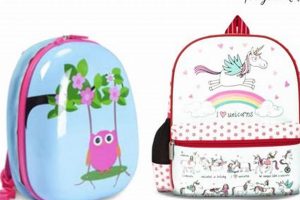
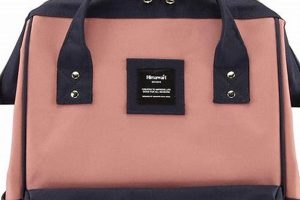
These specialized rucksacks are designed to accommodate the unique demands of extended journeys. They typically feature larger capacities, durable construction, and organizational compartments to efficiently manage clothing, gear, and personal effects. For example, a long-term international traveler might choose one with a 60-liter capacity, internal compression straps, and a dedicated laptop sleeve.
The benefits of selecting a suitable pack for travel include improved comfort, enhanced organization, and greater security for belongings. Historically, these packs have evolved from simple sacks to sophisticated carrying systems incorporating advancements in materials and ergonomic design, enabling individuals to explore the world more easily and efficiently. Their utility stems from their ability to distribute weight effectively and withstand the rigors of frequent use.
The subsequent discussion will delve into the key considerations when selecting appropriate carrying solutions for various trip lengths and destinations, including factors such as size, material, features, and overall design, providing valuable information for informed decision-making.
Guidance on Selecting Appropriate Carrying Solutions
The following provides essential considerations for individuals seeking optimal carrying solutions for travel. Attention to these factors will contribute to a more comfortable and efficient journey.
Tip 1: Prioritize Capacity and Dimensions. Assess the duration and nature of the trip to determine the necessary volume. Airlines often impose restrictions on carry-on luggage size; adherence to these limits is crucial. A shorter trip may require a 40-liter pack, while extended journeys necessitate 60-75 liters or more.
Tip 2: Evaluate Material Durability. Opt for high-denier nylon or polyester fabrics known for their resistance to abrasion and water damage. Reinforced stitching and robust zippers contribute to overall longevity, particularly when subjected to frequent handling.
Tip 3: Examine Suspension Systems. Look for features such as adjustable torso lengths, padded shoulder straps, and a supportive hip belt. A well-designed suspension system effectively distributes weight, minimizing strain on the back and shoulders.
Tip 4: Consider Organizational Features. Internal and external pockets, compression straps, and attachment points enhance organization and accessibility. Separate compartments for shoes, electronics, and toiletries can prevent contamination and damage.
Tip 5: Assess Security Measures. Lockable zippers and hidden pockets deter theft. Opt for models with slash-resistant fabrics or included rain covers for added protection against the elements and opportunistic crime.
Tip 6: Evaluate Weight. Before packing, consider the weight of the empty pack itself. Lighter models reduce the overall burden, conserving energy during long treks or airport transits. Every kilogram counts.
Tip 7: Consider Weather Protection. Waterproof or water-resistant materials are advantageous. A separate rain cover provides an extra layer of protection in inclement weather, safeguarding valuable contents.
Diligent attention to these guidelines facilitates the selection of a carrying solution that aligns with individual travel requirements, enhancing the overall travel experience.
The subsequent sections will provide guidance on packing efficiently and maintaining the selected travel pack for optimal performance and longevity.
1. Capacity

Capacity, in the context of rucksacks for travel, denotes the internal volume available for storing belongings, measured typically in liters. This attribute directly influences the suitability of a pack for specific trip durations and purposes.
- Trip Duration Alignment
Capacity must correlate with the intended length of the journey. A weekend excursion requires a smaller volume than a month-long backpacking adventure. Insufficient capacity necessitates compromises in essential gear, while excessive capacity adds unnecessary weight and bulk. For example, a 30-40 liter pack is often suitable for short trips, while extended travel typically requires 50-75 liters or more.
- Gear and Equipment Considerations
The volume required is contingent upon the type and quantity of equipment necessary. Cold-weather travel, for instance, demands more space for bulky clothing compared to tropical destinations. Hikers requiring camping gear, such as tents and sleeping bags, need a significantly larger capacity than those staying in hotels. Thus, an assessment of the packed contents is essential when determining appropriate volume.
- Airline Carry-On Restrictions
Adhering to airline size and weight restrictions is critical for travelers intending to carry their pack onboard. Exceeding these limits may result in additional fees or the forced checking of the pack. Standard carry-on dimensions generally dictate a maximum volume that can be accommodated. Understanding these limitations is crucial for selecting a pack that meets both storage needs and airline regulations.
- Pack Organization Impact
While capacity defines the total volume, internal organization features influence the efficient utilization of that space. Packs with multiple compartments, compression straps, and external attachment points allow for better distribution and management of contents. A well-organized pack maximizes usable space, effectively increasing the perceived capacity and facilitating easier access to essential items.
The selection of the appropriate capacity is a fundamental aspect of choosing a rucksack for travel. It requires a thorough evaluation of trip length, gear requirements, airline regulations, and the impact of internal organization. A well-matched capacity ensures a comfortable and efficient travel experience.
2. Durability
Durability, in the context of rucksacks for travel, signifies the capacity to withstand wear, tear, and environmental stressors encountered during transit. This attribute is paramount, influencing the longevity of the pack and the security of its contents. The construction materials, manufacturing techniques, and design elements collectively determine the overall durability of the product.
- Material Selection and Impact
The choice of fabric significantly affects durability. High-denier nylon and polyester fabrics are commonly employed due to their abrasion resistance. Denier refers to the linear mass density of the fiber; higher denier fabrics exhibit greater tear strength. For example, a pack constructed from 1000D nylon is more resistant to punctures and abrasions than one made from 420D nylon. The application of coatings, such as polyurethane (PU) or durable water repellent (DWR) finishes, further enhances resistance to water damage and extends fabric lifespan.
- Stitching and Seam Reinforcement
Stitching quality is a critical determinant of overall strength. Reinforced stitching at stress points, such as shoulder strap attachments and haul loops, prevents premature failure. Double or triple stitching techniques enhance seam integrity. Binding the seams with durable tape further mitigates fraying and increases resistance to water penetration. The integrity of these seams directly influences the pack’s ability to withstand heavy loads and rough handling.
- Zipper Quality and Construction
Zippers represent a common point of failure in rucksacks. Opting for high-quality zippers, such as those manufactured by YKK, is essential. These zippers are constructed from durable metal or high-strength plastic and feature robust sliders and teeth. Furthermore, weather-resistant zipper flaps or coatings provide added protection against moisture and debris. A durable zipper mechanism ensures secure closure and prevents contents from spilling or being exposed to the elements.
- Frame and Support System Integrity
Internal or external frames contribute to load distribution and structural stability. Frames constructed from aluminum or high-density polyethylene (HDPE) offer superior support and rigidity. The frame’s ability to withstand compression and torsional forces directly impacts the pack’s performance under heavy loads. A well-designed frame system effectively transfers weight to the hips, reducing strain on the back and shoulders and enhancing carrying comfort, while simultaneously maintaining the pack’s shape and structural integrity.
The durability of a rucksack for travel is a multifaceted attribute encompassing material selection, stitching techniques, zipper quality, and frame integrity. These elements work in concert to ensure the pack’s ability to withstand the rigors of travel, safeguarding belongings and providing reliable performance throughout extended journeys. Selecting a pack with robust construction is a prudent investment that yields long-term benefits.
3. Organization

Efficient organization within a travel pack is paramount for optimizing space, enhancing accessibility, and mitigating stress during transit. The manner in which a pack is structured and the availability of dedicated compartments directly impacts the ease of locating items and maintaining order throughout a journey.
- Internal Compartmentalization
Internal compartments serve to separate and contain distinct categories of items. Dedicated sleeves for laptops, tablets, and documents safeguard electronics from damage and provide easy access during security checks. Mesh dividers within the main compartment delineate clean and soiled clothing or create segregated spaces for toiletries and personal items. Such compartmentalization prevents items from shifting during movement, maximizing usable space and minimizing wrinkles or damage.
- External Pocket Utilization
External pockets provide readily accessible storage for frequently used items. Top pockets are often used for sunglasses, wallets, or travel documents. Side pockets accommodate water bottles or umbrellas, while front pockets serve as convenient storage for maps, guidebooks, or snacks. Strategic placement and size of external pockets contribute to the overall efficiency of the pack by keeping essentials within easy reach without requiring the main compartment to be opened.
- Compression Straps and Load Stabilization
Compression straps, both internal and external, play a crucial role in stabilizing the load and minimizing bulk. Internal compression straps secure contents within the main compartment, preventing shifting and maximizing space utilization. External compression straps cinch down the overall profile of the pack, making it more manageable and conforming to airline carry-on size restrictions. Proper use of compression straps contributes to a more balanced and comfortable carrying experience.
- Attachment Points and Modularity
External attachment points, such as daisy chains and webbing loops, enable the attachment of additional gear or accessories. These points can secure items such as trekking poles, sleeping pads, or rain covers, freeing up space within the main compartment. Modular systems, incorporating MOLLE webbing or similar attachment mechanisms, allow for the addition of pouches and organizers to customize the pack’s storage capacity and layout to meet specific needs.
The incorporation of thoughtful organizational features transforms a simple carrying device into a highly efficient travel companion. By maximizing space utilization, enhancing accessibility, and facilitating load stabilization, these features contribute to a more streamlined and stress-free travel experience. The judicious selection of a pack with appropriate organizational elements is a critical factor in optimizing the overall journey.
4. Comfort

The connection between carrying systems and user well-being is direct and consequential, especially in the context of extended journeys. An uncomfortable pack can lead to physical strain, fatigue, and decreased enjoyment of the travel experience. Design elements directly influence the wearer’s physical burden. The ergonomic design, weight distribution, and adjustability collectively determine the level of ease and support provided during prolonged use. For instance, shoulder straps that lack adequate padding can cause chafing and pressure points, while an ill-fitting hip belt can fail to transfer weight effectively, leading to back pain. Prioritizing comfort is therefore not merely a matter of preference but a necessity for maintaining physical health and optimizing the travel experience.
Practical applications of understanding this relationship are evident in the design features of high-quality packs. Manufacturers incorporate adjustable torso lengths, allowing the pack to be customized to the individual’s body. Load lifter straps draw the weight closer to the body, improving balance and reducing strain on the shoulders. Ventilation channels on the back panel promote airflow, minimizing perspiration and discomfort in warm climates. Moreover, the strategic use of lightweight materials reduces the overall burden, further enhancing comfort. The implementation of these features demonstrates a clear understanding of the biomechanical principles governing load carriage and its impact on the user.
In summary, comfort is a critical and intrinsic component of an effective carrying system for travel. Neglecting comfort considerations can lead to physical strain, impacting the overall travel experience. A well-designed pack, incorporating ergonomic features and adjustable components, mitigates these risks, enabling individuals to carry loads efficiently and comfortably. While selecting a pack based on capacity and durability is essential, prioritizing comfort ensures sustained physical well-being and maximizes the enjoyment of extended journeys.
5. Security
Security, in the context of packs designed for extended journeys, is a multifaceted concern encompassing the protection of belongings from theft, damage, and unauthorized access. The inherent vulnerability of travelers, particularly in unfamiliar environments, necessitates careful consideration of security features within these packs. The absence of adequate security measures can result in significant financial loss, inconvenience, and compromised personal safety. For instance, a pack lacking tamper-proof zippers in a crowded marketplace presents an easy target for pickpockets, leading to the loss of valuables and essential travel documents.
Several design elements contribute to enhanced security. Lockable zippers, constructed from durable materials, deter opportunistic theft by requiring deliberate effort to open. Hidden pockets, strategically located within the pack’s interior, provide discreet storage for valuable items such as passports and currency. Slash-resistant fabrics, often incorporating embedded wire mesh, prevent thieves from easily cutting into the pack and accessing its contents. Radio-frequency identification (RFID) blocking pockets shield electronic identification documents from unauthorized scanning. Many modern packs incorporate these features to varying degrees, offering different levels of protection against specific security threats. For example, a pack designed for urban travel might prioritize RFID blocking and hidden pockets, while a pack intended for remote expeditions may emphasize durable construction and tamper-proof closures.
Ultimately, the integration of security features within packs designed for extended journeys represents a proactive approach to mitigating risks. While no single pack can guarantee absolute protection against all threats, the implementation of lockable zippers, hidden compartments, slash-resistant materials, and RFID blocking technology significantly reduces vulnerability and enhances peace of mind. The selection of a pack that aligns with the specific security concerns of the intended travel environment is a critical decision that directly impacts the traveler’s overall well-being and security.
6. Weight

The weight of packs designed for extended journeys represents a crucial factor influencing comfort, efficiency, and overall travel experience. Excessive weight directly contributes to fatigue, reduced mobility, and potential musculoskeletal strain. The unloaded weight of the pack, combined with the weight of its contents, cumulatively impacts the traveler’s physical endurance. For example, a pack that weighs 3 kilograms when empty can easily exceed 20 kilograms when fully loaded, significantly increasing the burden carried over prolonged periods. This burden can manifest as back pain, shoulder discomfort, and decreased stamina, particularly during activities such as hiking or navigating public transportation. Therefore, minimizing the pack’s inherent weight is essential for maximizing the traveler’s physical capacity and ensuring a more comfortable journey.
The selection of lightweight materials and minimalist design principles plays a pivotal role in mitigating weight concerns. Manufacturers employ high-strength, low-density fabrics, such as lightweight ripstop nylon and polyester, to reduce the pack’s overall mass without compromising durability. Streamlined designs minimize extraneous features and unnecessary bulk, further contributing to weight reduction. Frame systems constructed from aluminum alloys or composite materials offer structural support while minimizing weight. Furthermore, component choices, such as lightweight buckles and zippers, contribute to the overall weight profile. The trade-off between weight, durability, and feature set requires careful consideration. For instance, a pack constructed from ultra-lightweight materials may sacrifice some durability in favor of reduced weight, while a more robust pack may prioritize durability at the expense of increased weight. Balancing these factors is critical for selecting a pack that meets the specific needs of the intended travel environment.
In conclusion, the weight of packs is a critical consideration that directly influences the traveler’s physical well-being and overall travel experience. Minimizing the pack’s inherent weight through careful material selection and design optimization is essential for mitigating fatigue, enhancing mobility, and reducing the risk of musculoskeletal strain. While durability and feature set remain important considerations, prioritizing weight reduction is paramount for ensuring a comfortable and efficient journey. Selecting a pack that strikes an appropriate balance between weight, durability, and features is a key factor in optimizing the overall travel experience.
Frequently Asked Questions about Travelers Backpacks
This section addresses common inquiries regarding the selection, usage, and maintenance of packs designed for extended travel. The information provided aims to clarify misconceptions and provide actionable guidance.
Question 1: What differentiates packs designed for extended journeys from standard rucksacks?
Packs intended for prolonged travel typically feature larger capacities, enhanced durability, specialized organizational compartments, and sophisticated suspension systems designed to distribute weight effectively. Standard rucksacks often lack these features, making them less suitable for extended trips.
Question 2: How is the appropriate capacity for a travel pack determined?
The required capacity is contingent upon the trip duration, climate, and anticipated activities. Shorter trips may necessitate a 40-liter pack, while extended journeys or those requiring specialized gear may require 60-75 liters or more. Evaluating the volume of essential items is crucial in determining the appropriate capacity.
Question 3: What materials provide the best combination of durability and weight in a pack designed for extended travel?
High-denier nylon or polyester fabrics offer a balance between durability and weight. Fabrics with a denier rating of 500D or higher are generally recommended for withstanding the rigors of travel. Ripstop weaves further enhance tear resistance. Selecting lighter-weight fabrics may compromise durability, while heavier fabrics increase the overall weight.
Question 4: How is the risk of theft mitigated when utilizing packs designed for extended travel?
Security features, such as lockable zippers, hidden pockets, and slash-resistant fabrics, deter opportunistic theft. Employing a cable lock to secure the pack to stationary objects in high-risk environments provides an additional layer of protection. Maintaining vigilance and being aware of surroundings remains paramount.
Question 5: What steps should be taken to ensure proper weight distribution and comfort when carrying a loaded travel pack?
Adjusting the torso length, utilizing load lifter straps, and cinching the hip belt effectively transfers weight from the shoulders to the hips. Placing heavier items closer to the back and distributing weight evenly minimizes strain. Regular adjustments and breaks are crucial for maintaining comfort during prolonged carry.
Question 6: What maintenance procedures prolong the lifespan of packs designed for extended travel?
Regular cleaning with mild soap and water removes dirt and debris. Air-drying the pack thoroughly prevents mildew growth. Inspecting and repairing any damage, such as tears or broken zippers, promptly prevents further deterioration. Storing the pack in a dry, well-ventilated area when not in use minimizes wear and tear.
In summary, the effective use of packs designed for extended travel necessitates careful consideration of capacity, materials, security features, weight distribution, and maintenance procedures. Adhering to these guidelines enhances the travel experience and prolongs the lifespan of the chosen pack.
The subsequent section provides a detailed overview of popular brands and models within the market.
Conclusion
This exploration has elucidated the critical attributes and considerations inherent in selecting appropriate carrying solutions for extended journeys. Capacity, durability, organization, comfort, security, and weight have been identified as key determinants influencing the suitability of specific travel packs for individual needs. Understanding the interplay of these factors enables informed decision-making, mitigating potential challenges associated with extended travel.
The ultimate selection of a travel pack represents a significant investment in both logistical efficiency and personal well-being. Prudent consideration of the outlined criteria will facilitate a more streamlined, secure, and comfortable travel experience. Individuals are encouraged to apply this knowledge diligently, recognizing the enduring significance of a well-chosen pack in facilitating successful and rewarding journeys.

![Top-Rated Best Travel Work Backpack [For Pros] | Ultimate Backpack Traveler Guide: Tips, Destinations & Budget Hacks](https://backpack-traveler.com/wp-content/uploads/2026/01/th-486-300x200.jpg "Top-Rated Best Travel Work Backpack [For Pros] Ultimate Backpack Traveler Guide: Tips, Destinations & Budget Hacks")